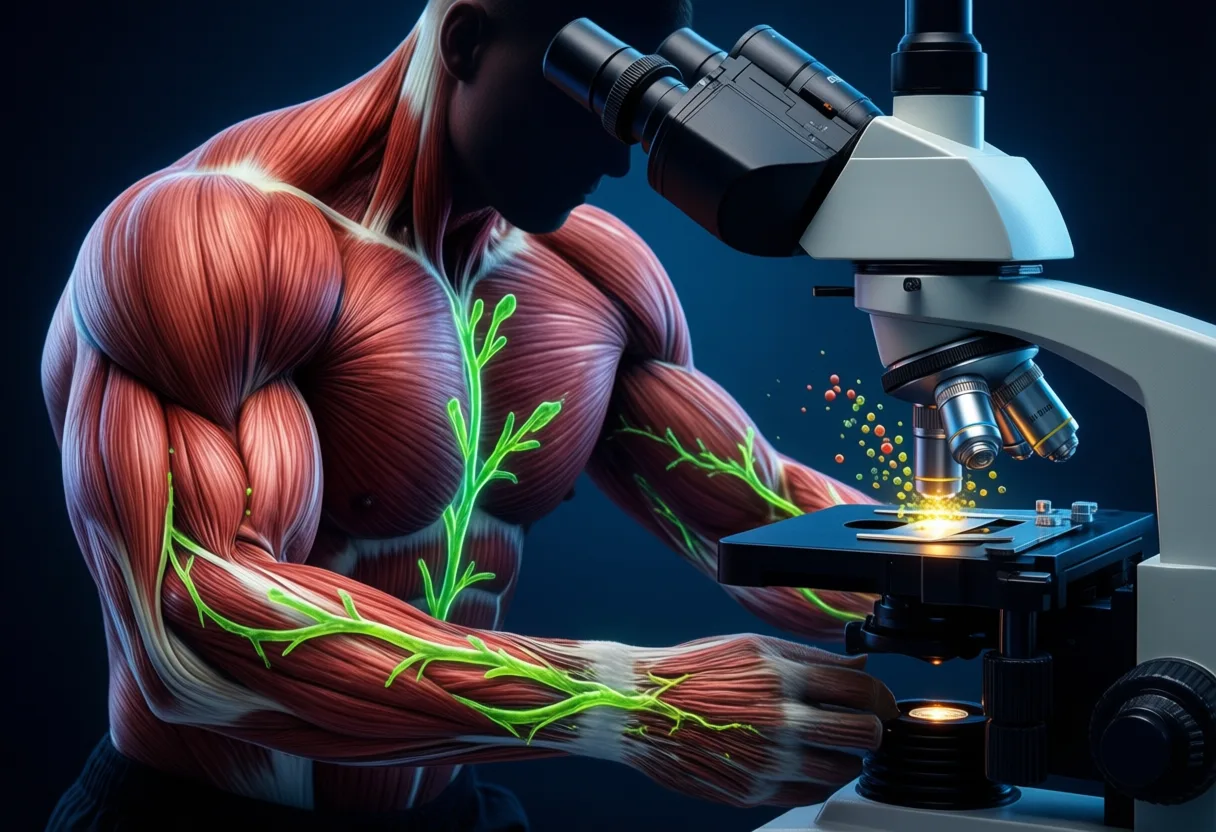
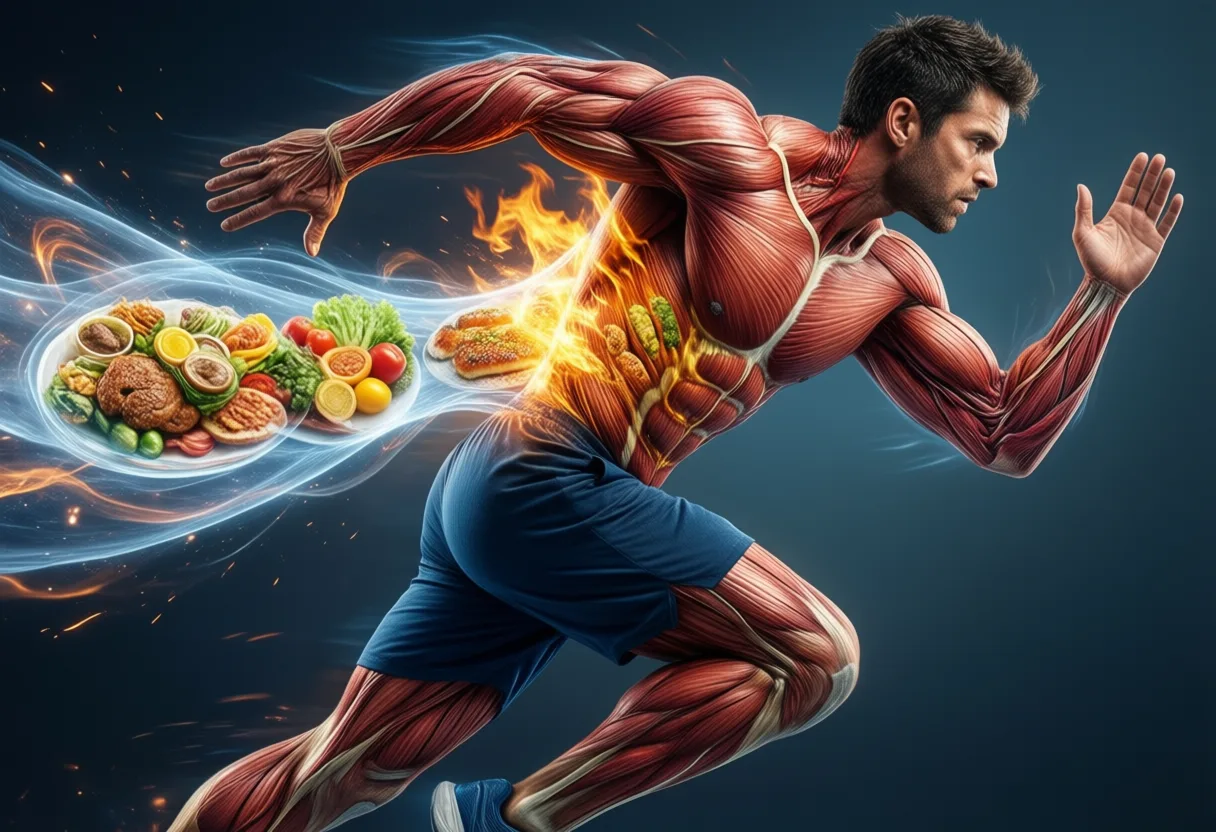
You don’t need a PhD to eat like a champion-but you do need the right knowledge. Too many Athletes train Like warriors but fuel like tourists, wondering why their energy crashes, recovery lags, and muscle growth stalls. The truth? What you eat isn’t just about calories-it’s about communication with your body, telling it whether to burn, build, or break down.
I’m Cassia Moretti, Nutrition Editor Here at Chiseled Magazine, and I’ve spent years translating science into real-world strategies for athletes who want more-more strength, more stamina, more definition. This isn’t about fads or flashy promises. It’s about mastering the quiet power of nutrition so your body becomes a finely tuned machine, ready to explode off the line, dominate the final set, or push through the last mile.
Let’s dive into the books, principles, and mindset shifts that separate those who chase results from those who claim them.
What Athletes Get Wrong About Fueling Performance
Most athletes treat food like afterthoughts-something to grab between reps or shovel down after practice. But your body doesn’t run on autopilot. Every bite either supports adaptation or sabotages it. The biggest mistake? Believing more protein automatically means more muscle. While protein is essential, flooding your system without balancing Carbs, fats, and timing can backfire, leading to bloating, sluggishness, and stalled progress.
Another common trap is cutting calories to get leaner. Yes, shedding fat reveals muscle, but slashing intake too hard signals starvation. Your metabolism slows, recovery weakens, and your hard-earned Mass starts To slip away. You’re not getting shredded-you’re getting soft around the edges and hollow in the gut.
Think of your body like a high-performance engine. Would you pour premium fuel into a race car one day and kerosene the next? Of course not. Yet that’s exactly what happens when you eat erratically-skipping Meals, overloading sugar, ignoring hydration. Consistency isn’t boring. It’s the foundation of transformation.
The Science Behind High-Octane Diets
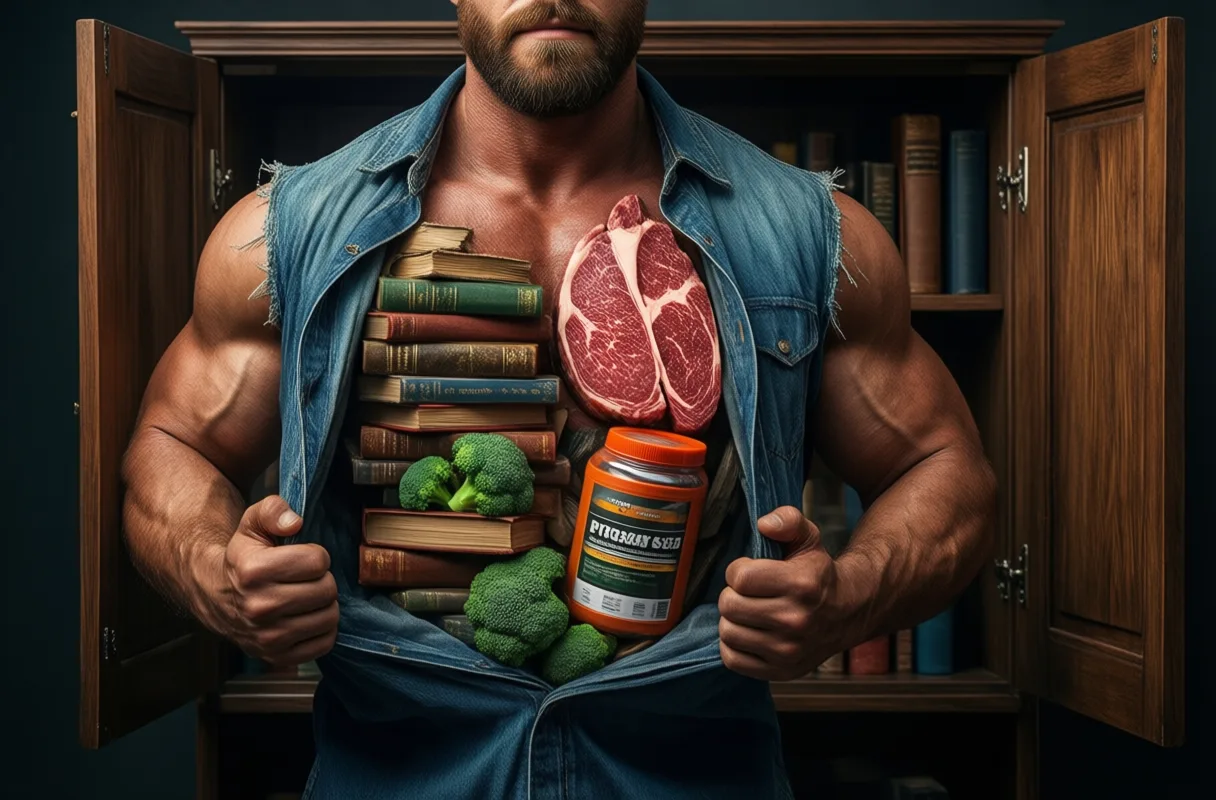
Your muscles don’t grow during workouts-they grow during recovery. And recovery starts on your plate. When you lift, sprint, or jump, you create micro-tears in muscle fibers. To repair and grow, your body needs amino acids from protein, glycogen replenished by Smart carb Choices, and inflammation managed by antioxidants found in colorful plants.
Carbohydrates aren’t the enemy-they’re the primary fuel for intense effort. During high-intensity training, your body runs on stored glycogen. Once that tank dips, performance plummets. Time your carb intake around workouts-before for energy, after for refueling-and you’ll notice sharper focus, stronger lifts, and faster bounce-back.
Fats also play a starring role. They support hormone production, including testosterone, which drives muscle growth and fat loss. Healthy fats from avocados, nuts, seeds, and olive oil keep your cells flexible, your brain sharp, and your hormones balanced. Don’t fear fat-embrace it as part of a complete performance equation.
Hydration? It’s not just water. Sweat carries electrolytes-sodium, potassium, magnesium-that regulate nerve function and muscle contractions. Depletion leads to cramps, fatigue, and poor concentration. Sip consistently throughout the day, especially in hot or humid conditions, and consider mineral-rich foods or supplements when training long or hard.
7 Essential Reads for Smarter Eating and Faster Recovery
Knowledge is the edge every athlete needs. These seven books won’t promise miracles, but they will give you tools to make smarter choices, understand your body’s signals, and optimize every phase of training.
- A practical guide to macronutrient balance That breaks down how much protein, carbs, and fat elite performers actually consume-based on sport, gender, and goals. No guesswork, just patterns that work.
- A deep dive into circadian rhythm and eating timing, showing how syncing meals with natural energy peaks can improve sleep, recovery, and fat burning.
- A field-tested manual for plant-based athletes, proving you can build muscle and sustain endurance without animal products-if you know how to combine nutrients strategically.
- A no-nonsense look at gut health and immunity, linking digestive strength to training consistency and illness prevention. Strong gut, stronger season.
- A playbook for female athletes, addressing unique hormonal fluctuations, iron needs, and energy demands often overlooked in mainstream advice.
- A science-backed resource on hydration and electrolyte management, especially useful for endurance competitors or those training in extreme climates.
- A behavioral approach to sustainable eating, helping athletes break cycles of restriction and bingeing, and develop a resilient, positive relationship with food.
These aren’t quick reads-they’re reference points. Keep them close. Flip through them when you hit a plateau, feel drained, or just want to go deeper. True mastery comes not from memorizing pages, but from applying insights where it counts: in your kitchen, your gym bag, and your daily routine.
Beyond the Label: Interpreting Supplements Safely
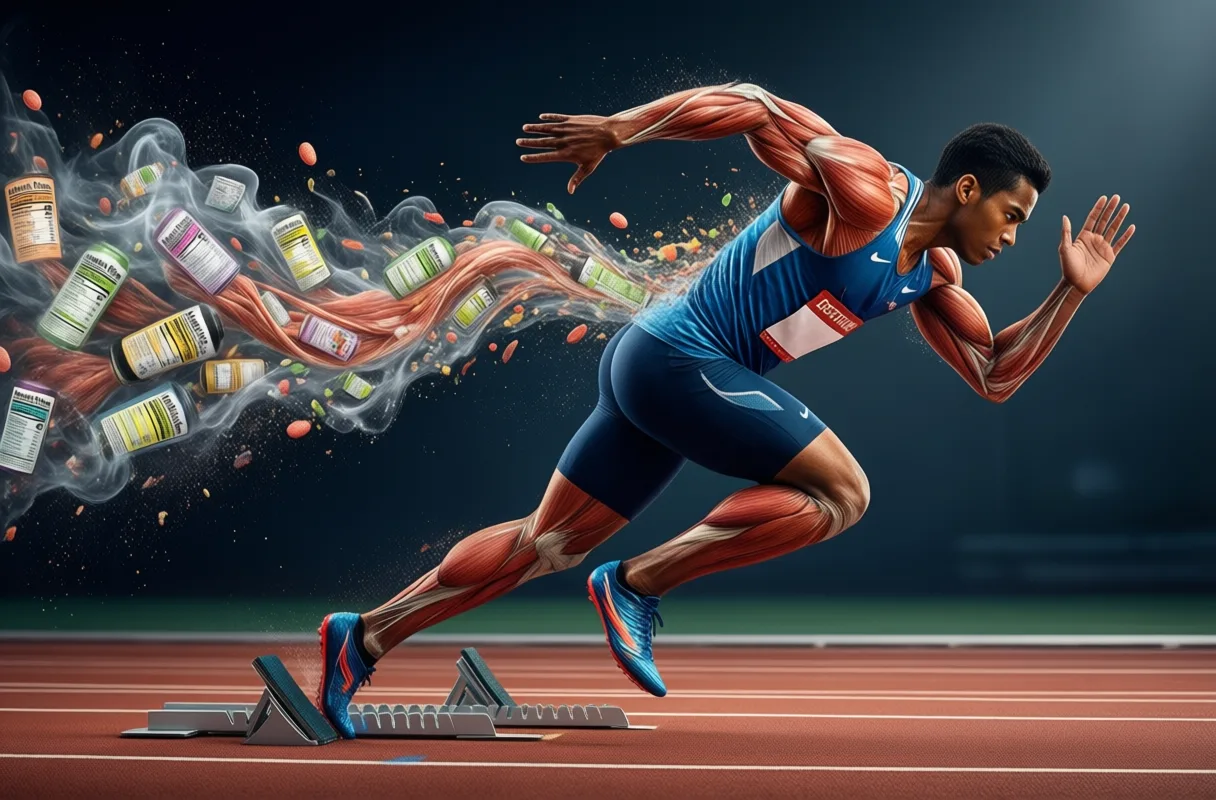
Supplements can help-but only if you know what you’re taking. Shelves are packed with powders, pills, and potions promising explosive gains. But Not all labels tell the truth, and not all ingredients deliver. Some contain hidden stimulants, fillers, or doses far beyond what research supports.
Start with the basics: a high-quality whey or plant-based protein powder can bridge gaps when whole food isn’t convenient. Creatine monohydrate remains one of the most studied and effective ergogenic aids for strength and power. Omega-3s from fish or algae oil support joint health and reduce exercise-induced inflammation.
But remember: supplements Supplement. They don’t replace real food. A multivitamin won’t fix a junk-food diet. BCAAs won’t save you from inadequate total protein. And “fat burners” rarely do anything except raise your heart rate-and your blood pressure.
Before adding anything new, ask three questions:
- Is this backed by consistent research?
- Does my diet already provide this nutrient?
- Could this interfere with my health, sleep, or performance?
When in doubt, skip it. Simplicity wins. Focus on whole foods first, then use supplements like precision tools-not magic bullets.
Real-World Meal Planning for Demanding Training Schedules
You can’t meal prep your way to greatness if your plan doesn’t fit your life. Athletes juggle jobs, school, travel, and families. That’s why flexibility beats perfection. The best meal plan is the one you can stick to-even on chaotic days.
Start by building templates, not rigid menus. Have go-to combos:
- Grilled chicken, roasted sweet potatoes, and sautéed greens
- Oats with nut butter, banana, and chia seeds
- Canned tuna, brown rice, avocado, and salsa
These aren’t recipes-they’re frameworks. Swap proteins, rotate grains, change veggies. Variety keeps taste buds happy and nutrients broad.
Prep in phases. Cook big batches of grains and proteins on weekends. Keep frozen vegetables and canned beans on hand for fast assembly. Use mason jars for salads that stay crisp. Invest in a good cooler bag for post-workout shakes or lunches on the go.
And don’t forget snacks. Hard-boiled eggs, Greek yogurt, trail mix, or apple slices with almond butter can prevent energy crashes between meals. Eat every 3–4 hours to keep metabolism active and hunger in check.

Why One-Size-Fits-All Diets Fail Competitive Athletes
No single diet works for everyone. A marathoner’s needs differ from a powerlifter’s. A teenager building muscle has different requirements than a pro athlete maintaining peak condition. Generic plans ignore biology, lifestyle, and sport-specific demands.
Low-carb might help someone lose weight-but wreck performance for a soccer player needing quick bursts of speed. Intermittent fasting may suit an office worker-but sabotage recovery for someone training twice a day. Even popular trends like keto or carnivore lack long-term evidence for athletic performance.
Your body sends constant feedback: energy levels, sleep quality, mood, strength gains, injury frequency. Pay attention. If you’re tired all the time, gaining fat despite clean eating, or losing motivation, your fuel strategy may be off-even if it’s “healthy.”
Customization is key. Adjust based on training load, competition schedule, and personal response. Track how you feel, not just how you look. A ripped six-pack means nothing if you’re dragging through workouts.
Next-Level Fueling Starts With Knowledge
You didn’t get this far by accident. Every rep, every sprint, every early morning session was a choice. Now make the same commitment to your nutrition. Food is information, medicine, and fuel-all wrapped in flavor and texture.
Stop guessing. Start learning. Pick up one of these books. Read it slowly. Highlight, scribble notes, try one idea at a time. Small changes compound into massive results.
Imagine stepping onto the field, stage, or platform with full tanks-energy surging, muscles primed, mind locked in. That’s what happens when you eat with purpose. Not for vanity, but for victory.
This is your body. Your performance. Your legacy. Feed it like it matters-because it does.
Fueling Greatness: What the Best Sports Nutrition Books Reveal
More Than Just Protein Shakes
You might think Sports Nutrition Books are all about meal plans and macros, but some of the most respected titles dive into the psychology of eating for performance. Surprisingly, a few authors started not in labs or gyms, but in completely different fields-like journalism or culinary arts-bringing fresh perspectives to how athletes fuel. One well-known book even includes a chapter on the history of sports drinks, tracing their evolution from simple salt solutions to the complex blends used today.
Unexpected Origins and Influences
It’s not uncommon for top sports nutrition guides to reference ancient practices, like how Greek Olympians relied on dried figs and wine for energy. Some modern books highlight quirky studies, such as one exploring how beetroot juice became a staple after researchers noticed endurance improvements in cyclists. While not every book agrees on the perfect pre-workout snack, many share a common thread: timing matters just as much as content. You’ll often find tips like eating a banana with almond butter 45 minutes before training-a combo praised for balancing quick and sustained energy.
Why Page-Turners Matter
Believe it or not, the most recommended Sports Nutrition Books tend to avoid dense scientific jargon. Instead, they use real athlete stories to illustrate how small dietary changes led to big results. One author famously compared glycogen stores to a car’s fuel tank-run it dry, and performance sputters. These relatable analogies make complex ideas stick, turning what could be dry reading into something genuinely engaging. The best ones don’t just tell you what to eat-they help you understand why it works. Explore more stories, videos, and creators on Loaded.
Frequently Asked Questions
What are the biggest mistakes athletes make with nutrition?
Athletes often believe more protein automatically means more muscle, but without balancing carbs, fats, and timing, it can lead to bloating and stalled progress. Another mistake is cutting calories too hard, which slows metabolism and weakens recovery.
Why are carbohydrates important for athletes?
Carbohydrates are the primary fuel for intense effort. They replenish glycogen stores used during high-intensity training, and timing carb intake around workouts improves focus, performance, and recovery.
How do Sports Nutrition Books help beyond meal plans?
Many Sports Nutrition Books explore the psychology of eating for performance and use real athlete stories to illustrate results. They explain the science behind fueling with relatable analogies, helping athletes understand why certain strategies work.
What role do supplements play in an athlete’s diet?
Supplements like protein powder, creatine monohydrate, and omega-3s can support gaps in nutrition but don’t replace whole foods. They should be used as precision tools, not magic solutions, and only after evaluating research and personal dietary needs.
This article was produced with AI assistance. How Chiseled Magazine uses AI.
Cassia explores the science and culture of fueling the body, from macronutrient timing to sustainable eating habits. She blends biochemical insight with real-world practicality, helping readers make smarter food choices without sacrificing enjoyment or balance.