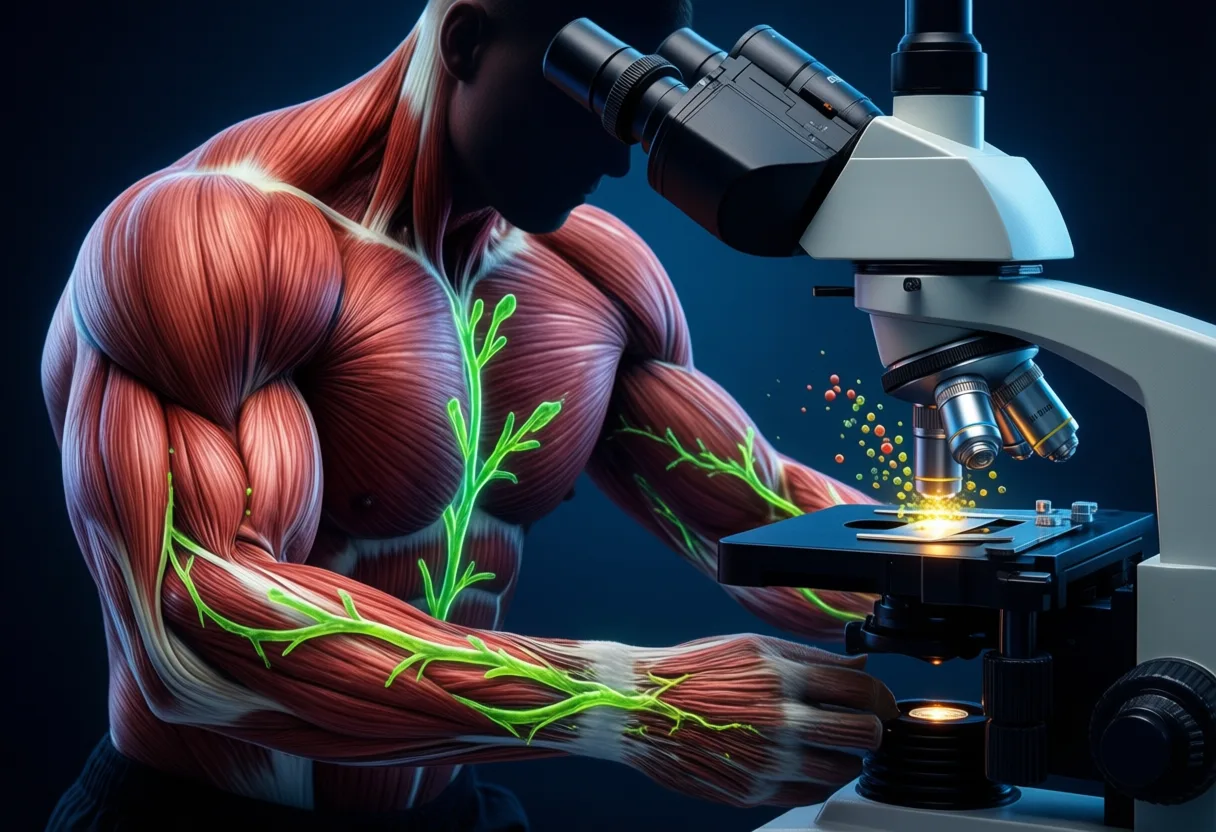

Fuel is not just food. It’s the engine of effort, the difference between hitting a new personal record or hitting a wall.
What you eat shapes your strength, defines your endurance, and determines your Recovery. This is not guesswork-it’s science, strategy, and daily discipline.
What Athletes Get Wrong About Fueling Performance
Many athletes treat nutrition like an afterthought. They train hard, push limits, then Sabotage gains With inconsistent eating.
Performance starts in the kitchen, not the gym. Skipping meals, under-eating protein, or relying on processed carbs Creates energy Crashes and slows muscle repair.
Hydration is often ignored until cramps strike. Thirst is a late sign of dehydration-by then, performance has already dropped.
- Eating only when hungry leads to missed recovery windows
- Believing “more calories” always means better results ignores quality
- Assuming supplements can fix a poor diet is a costly mistake
Elite athletes don’t eat randomly. They plan every bite to match demand. Casual lifters eat for today. Champions eat for tomorrow’s gains.
Consistency beats intensity when nutrition wavers. A Perfect workout Means little if the body lacks fuel to adapt.
The Science Behind Timing and Nutrient Partitioning
Timing isn’t everything-but it’s close. The body absorbs and uses nutrients differently Based On activity, sleep, and circadian rhythm.
Nutrient partitioning Decides whether food builds muscle or stores fat. Exercise primes muscles to pull in glucose and amino acids like sponges.
The post-workout window isn’t magic-it’s metabolic opportunity. Insulin sensitivity spikes after training, driving nutrients into muscle cells, not fat.
- Carbs consumed post-training refill glycogen faster when paired with protein
- Leucine-rich proteins trigger muscle protein synthesis within 30 minutes
- Fats slow digestion-best minimized in pre- and post-workout meals
Pre-workout meals should stabilize blood sugar. A mix of slow-digesting carbs and moderate protein works best 2–3 hours before training.
Eating too close or too heavy causes sluggishness. The gut competes with muscles for blood flow-timing prevents the conflict.
Overnight fasting depletes glycogen. A strategic breakfast resets metabolism and prevents muscle breakdown.

Why One-Size-Fits-All Diets Fail Competitive Bodies
No two athletes respond the same to identical diets. Genetics, sport demands, and training volume create unique needs.
Keto may work for a weight-class fighter cutting weight but fails a sprinter needing explosive power from glycogen.
Generic meal plans ignore metabolic individuality. What fuels one athlete crashes another.
- Endurance athletes require higher carb ratios for sustained energy
- Strength athletes need more protein to support muscle growth
- Team sport players must balance recovery with frequent game schedules
Hormonal responses vary. Some thrive on frequent meals; others do better with fewer, larger feedings.
Food preferences matter. Forcing an athlete to eat foods they dislike leads to non-compliance.
A rigid diet may look perfect on paper but falls apart in real life. Flexibility ensures sustainability.
Adaptability beats perfection. The best plan fits the person, not the trend.
How Elite Training Demands Precision Nutrition Strategies
Elite training pushes the body to its edge. Without precise nutrition, that edge becomes injury, fatigue, or burnout.
Volume and intensity increase nutrient turnover. Muscles break down faster-repair must keep up.
Every training phase requires a nutritional shift. Bulking, cutting, peaking-each has distinct fueling needs.
- Hypertrophy phases demand surplus calories with high protein
- Cutting phases require tighter carb control and consistent protein
- Tapering before competition needs glycogen supercompensation
Micronutrients matter. Iron supports oxygen transport. Magnesium aids muscle relaxation. Zinc fuels testosterone production.
Missing key vitamins slows recovery. No supplement replaces a balanced, whole-food diet.
Monitoring energy levels, sleep quality, and performance trends reveals if nutrition is on track.
Adjustments aren’t failures-they’re refinements. Precision means listening to the body daily.
The Role of Macronutrient Balance in Recovery and Adaptation
Muscle doesn’t grow during training. It grows during recovery-fueled by protein, carbs, and smart fat intake.
Protein supplies amino acids for repair. Without enough, gains stall no matter how hard you train.
Carbs restore glycogen, the primary fuel for high-intensity work. Low stores mean early fatigue and poor focus.
- Aim for 1.6–2.2 grams of protein per kg of body weight daily
- Carbohydrate needs range from 3–10 grams per kg, based on activity
- Fats should make up 20–35% of total intake for hormone health
Leucine is the trigger for muscle synthesis. Found in eggs, beef, chicken, and whey, it signals growth.
Fiber supports gut health, which impacts nutrient absorption and inflammation control.
Balance prevents extremes. Too much protein crowds out carbs. Too few fats harms joint and brain function.
Recovery isn’t passive. It’s an active process powered by what you eat and when.

Common Gaps Between Theory and Real-World Eating Habits
Knowledge doesn’t equal execution. Many athletes know what to eat but fail to do it consistently.
Busy schedules lead to skipped meals. Travel disrupts access to quality food. Stress drives emotional eating.
Convenience often wins over planning. Fast food replaces whole meals. Protein bars substitute for real protein.
- Athletes overestimate portion sizes and underestimate calorie needs
- Liquid calories from sodas and juices add up with no satiety
- Late-night snacking often stems from poor daytime intake
Tracking helps-but only if done honestly. Under-reporting is common.
Social settings make strict diets hard. Peer pressure, alcohol, and eating out challenge discipline.
The gap closes with systems: meal prep, grocery routines, and backup options.
Success isn’t perfection. It’s consistency over time, even with setbacks.
Practical Tweaks for Sustained Energy and Endurance
Small changes create big results. You don’t need a total overhaul-just better habits.
Start with breakfast. Skipping it spikes cortisol and breaks down muscle.
Eat within 60 minutes of waking. A combo of protein and complex carbs sets the tone.
- Add oats, eggs, and fruit to morning meals
- Replace sugary cereals with Greek yogurt and nuts
- Carry hard-boiled eggs or tuna packets for on-the-go protein
Hydrate early. Drink 16–20 oz of water upon waking to kickstart metabolism.
Time carbs around workouts. Save higher amounts for pre- and post-training.
Spread protein across 4–5 meals. This maximizes muscle protein synthesis all day.
Avoid energy crashes with fiber-rich carbs like sweet potatoes, quinoa, and brown rice.
Snack smart. Almonds, cottage cheese, and fruit beat chips and candy.
When Supplements Cross from Support to Overload
Supplements exist to fill gaps-not replace food. Most athletes don’t need stacks of pills.
Protein powder helps when whole food isn’t available. It’s convenient, not superior.
Creatine is one of the most researched and effective supplements for strength and power.
But more isn’t better. Excess intake stresses kidneys, liver, or digestion.
- Multivitamins help if diet lacks variety
- Omega-3s reduce inflammation from heavy training
- Vitamin D supports immunity and hormone balance
Avoid proprietary blends with hidden doses. Transparency matters.
Stacking too many stimulants leads to crashes, insomnia, and heart strain.
Cutting agents, fat burners, and “pre-workout bombs” often do more harm than good.
Stick to proven, single-ingredient supplements. Simplicity wins.
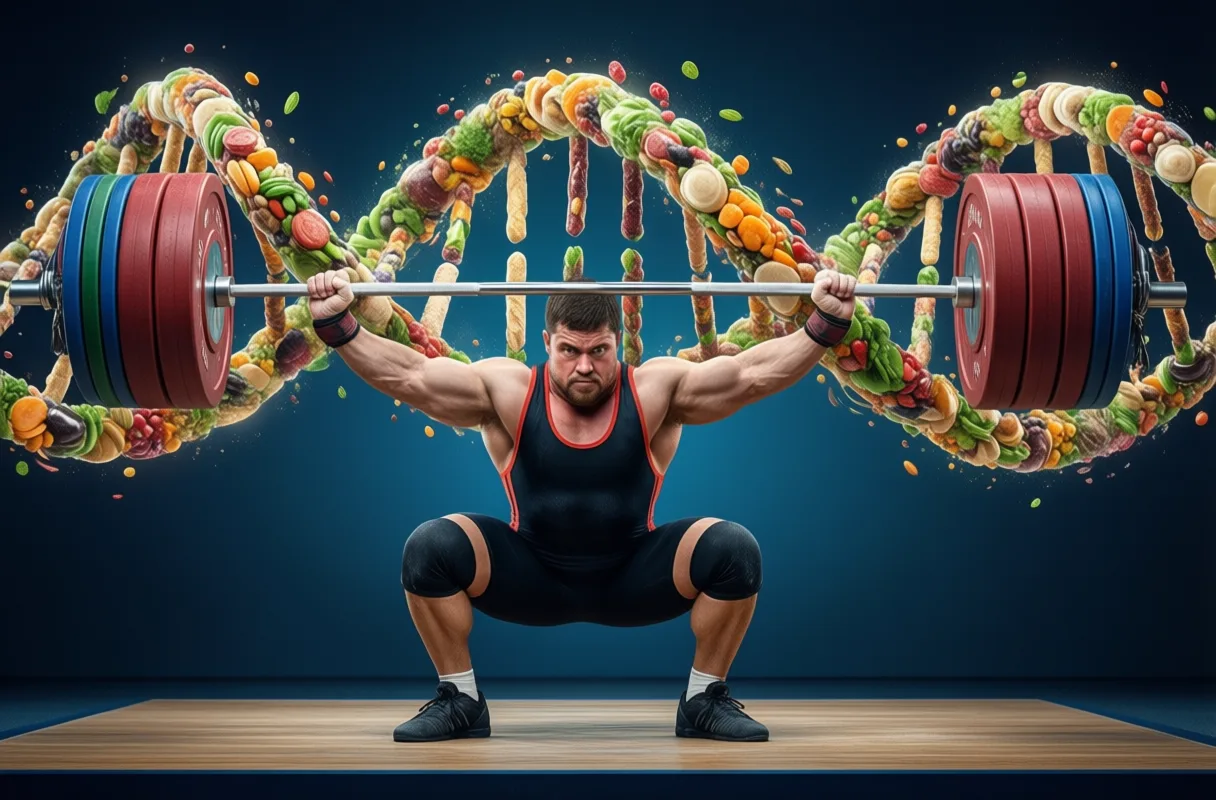
Building a Personalized Plan That Actually Works
A good nutrition plan fits your life, not the other way around.
Start with goals: gain muscle, lose fat, improve performance. Each needs a different approach.
Track food for one week-no changes, just data. See where you stand.
Use that data to adjust:
- Add 300–500 calories to gain muscle
- Subtract 300–500 to lose fat slowly
- Keep protein high in both cases
Choose foods you enjoy. If you hate chicken and broccoli, don’t force them.
Build meals around lean protein, colorful vegetables, and complex carbs.
Plan two meals a day at first. Master those, then add more.
Weigh progress weekly-but not daily. Scale fluctuations are normal.
Take progress photos and measure performance. Strength, endurance, and recovery matter more than weight.
Staying Ahead of Fatigue: Hydration, Electrolytes, and Sleep Synergy
Fatigue isn’t always from training. It’s often dehydration, low electrolytes, or poor sleep.
Water makes up 60% of body weight. Even 2% loss impairs focus, strength, and coordination.
Electrolytes-sodium, potassium, magnesium-regulate nerve and muscle function.
Sweat removes them fast. Replace them, especially in heat or long sessions.
- Drink water consistently, not just when thirsty
- Add a pinch of salt to water during prolonged training
- Eat bananas, spinach, and avocados for potassium and magnesium
Sleep is non-negotiable. Growth hormone peaks during deep sleep. Recovery stalls without it.
Aim for 7–9 hours nightly. Less than 6 harms performance and immunity.
Create a wind-down routine. No screens, dim lights, cool room.
Hydration, electrolytes, and sleep work together. One weak link breaks the chain.
Mastering the Daily Routine: From Pre-Workout to Post-Competition
Success is built in the daily grind. Every meal, every workout, every night of sleep adds up.
Start the day right. Hydrate, eat protein, move your body.
Pre-workout nutrition fuels performance. Eat 2–3 hours before: carbs for energy, protein to prevent breakdown.
If training early, a small shake or banana with peanut butter works.
During long events, sip carbs and electrolytes. Gels, drinks, or fruit maintain output.
Post-workout is recovery mode. Eat within 45 minutes: 20–40 grams protein, 40–80 grams carbs.
After competition, focus shifts to repair. More protein, anti-inflammatory foods, rest.
Include omega-3s, berries, leafy greens, and quality meat.
Even on rest days, eat for recovery. Muscles grow when you’re not training.
Master the routine. Own your nutrition. That’s how champions are made.
| Nutrient | Daily Intake Range | Primary Role |
|---|---|---|
| Protein | 1.6–2.2 g/kg body weight | Supplies amino acids for muscle repair |
| Carbohydrates | 3–10 g/kg body weight | Restores glycogen for high-intensity work |
| Fats | 20–35% of total intake | Supports hormone health and joint function |
Fueling Champions: The Science Behind Peak Performance
More Than Just Protein Shakes
Think sports nutrition is all about chugging protein shakes after a workout? Think again. The Sports Nutrition Care Manual dives deep into the science of how food powers athletic performance, recovery, and long-term health. It breaks down how carbohydrates aren't just fuel for sprints but are critical for maintaining energy during endurance events, while fats play a bigger role in longer, lower-intensity activities than many realize. Hydration isn't just about water-it covers the precise timing and composition of electrolyte intake to prevent cramps and maintain focus, especially in hot conditions.
Timing Is Everything
One of the manual’s standout insights is the importance of nutrient timing. Eating the right mix of carbs and protein within 30 to 60 minutes after intense exercise can significantly boost muscle recovery and glycogen replenishment. But it’s not just post-workout-what athletes eat before and during competition matters just as much. For instance, consuming easily digestible carbs before a morning race can prevent early fatigue, while sipping on a carb-electrolyte drink during prolonged activity helps sustain energy levels and delay exhaustion.
Personalized Fueling Strategies
Athletes aren’t one-size-fits-all, and neither are their nutrition needs. The manual emphasizes adjusting intake based on sport type, training intensity, body composition goals, and even environmental factors like altitude or heat. Endurance runners need different fueling strategies than powerlifters, and a soccer player’s match-day nutrition looks different from a swimmer’s pre-meet meal. This tailored approach helps athletes avoid common pitfalls like gastrointestinal distress during competition or chronic under-fueling that can lead to injury or burnout. Explore more stories, videos, and creators on Loaded.
Frequently Asked Questions
Why is nutrient timing important for athletes?
Nutrient timing affects how the body absorbs and uses food based on activity and circadian rhythm. Eating carbs and protein within 30 to 60 minutes after exercise boosts recovery and glycogen replenishment.
How much protein should athletes eat daily?
Athletes should aim for 1.6–2.2 grams of protein per kg of body weight daily to support muscle repair and growth.
What role do carbohydrates play in athletic performance?
Carbs restore glycogen, the primary fuel for high-intensity work. Low stores lead to early fatigue and poor focus during training or competition.
Can supplements replace a balanced diet for athletes?
No supplement replaces a balanced, whole-food diet. Supplements fill gaps but should not substitute real food for optimal health and performance.
This article was produced with AI assistance. How Chiseled Magazine uses AI.
Tariq breaks down elite workout regimens with precision, translating complex routines into actionable plans. He focuses on form, progression, and the mental discipline behind peak physical performance, often drawing from interviews with strength coaches and competitive athletes across multiple sports.