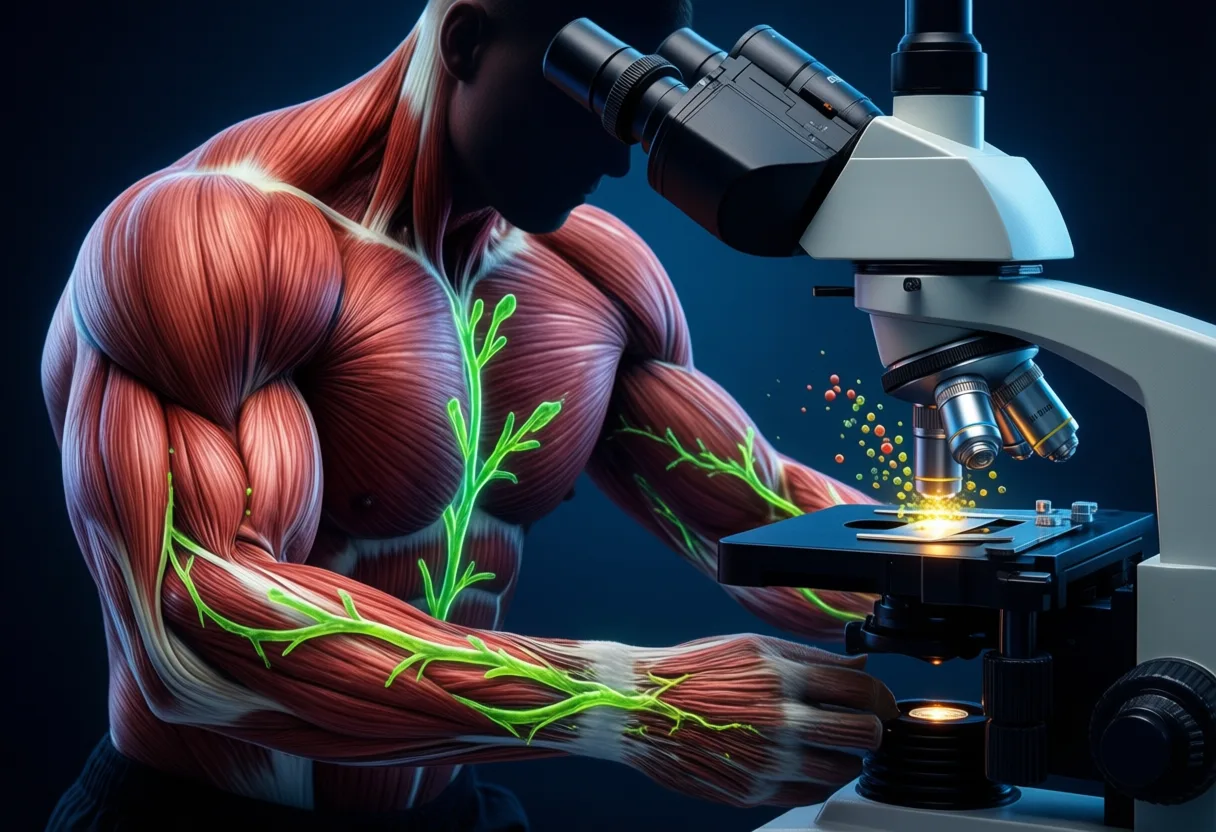
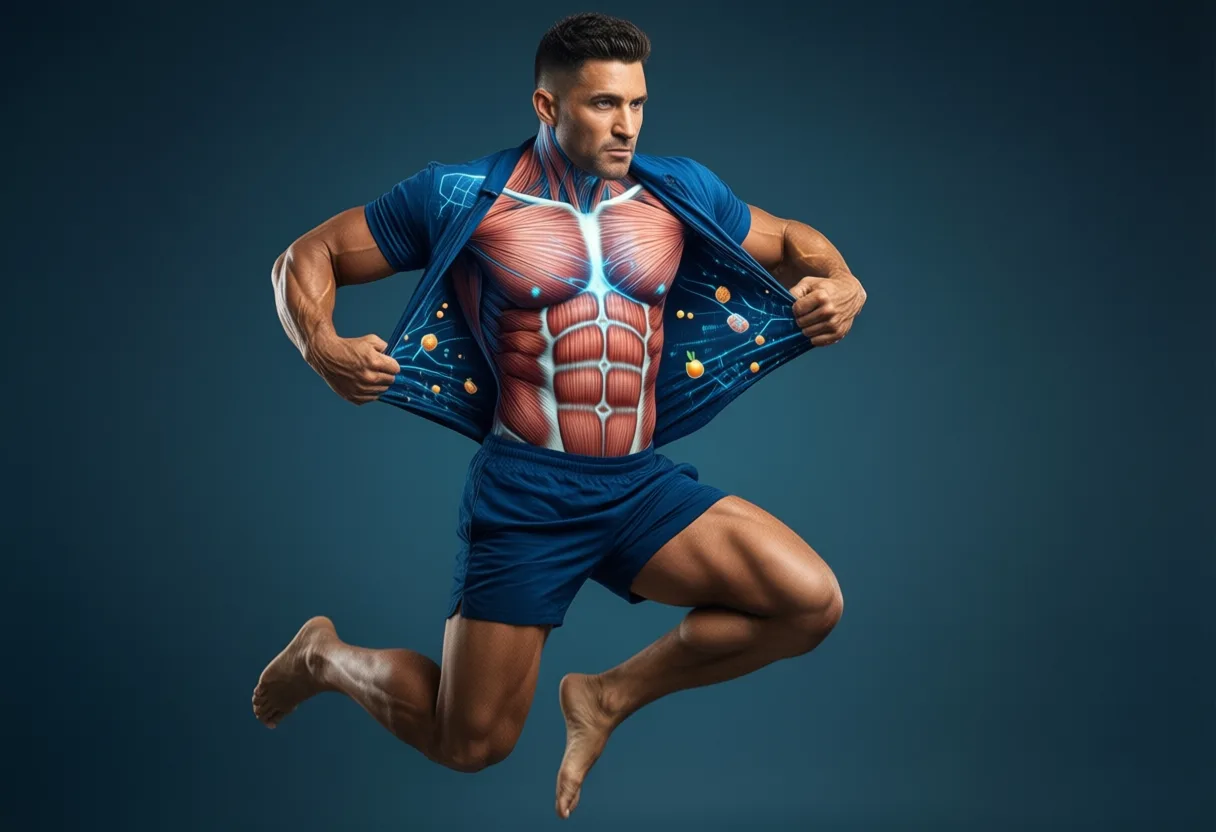
There’s a quiet shift happening behind the scenes of every championship win, every personal record shattered, and every athlete stepping onto a stage with veins like rivers beneath tight skin. It’s not just about lifting heavier or running faster-it’s about Fueling smarter. And those who understand the science of performance nutrition are no longer sitting on the sidelines; they’re leading the charge.
Behind every elite physique is a plan built on precision, timing, and metabolic intelligence. The difference between good advice and life-changing guidance? Certified expertise. When you know how nutrients interact with muscle fibers during peak exertion, or how recovery protocols can accelerate adaptation, you’re not guessing-you’re engineering results.
This isn’t just about meal plans. It’s about unlocking careers that put you at the heart of human potential. Whether you're working with Olympic hopefuls, weekend warriors chasing six-packs, or tactical units pushing physical limits, your knowledge becomes their edge.
Why Athletes Trust Certified Experts for Peak Performance
Imagine standing in a locker room before dawn, the air thick with Focus And sweat. An athlete sips a shake-its formula calibrated not by trend, but by science. That’s when trust forms. They don’t want guesswork; they want someone who speaks the language of glycogen resynthesis and protein turnover like it's second nature.
Certification signals more than education-it shows commitment. It tells an athlete that you’ve studied the mechanisms behind nutrient timing, hydration thresholds, and metabolic demands under stress. You’re not regurgitating blog posts-you’ve validated your understanding through rigorous assessment.
When the stakes are high-like qualifying for nationals or returning from injury-athletes turn to those they believe can deliver real outcomes. A certified professional offers clarity amid noise, turning confusion into confidence, one plate at a time.
And let’s be honest: anyone can say they “know nutrition.” But only those with formal training can confidently adjust macronutrient ratios based on training phase, hormonal feedback, or environmental conditions-without hesitation.
The Line Between General Advice and Specialized Knowledge
Walk into any gym, and you’ll hear tips flying: “Cut carbs,” “eat more protein,” “fasted cardio burns fat.” Some of it works-for a while. But general advice often fails when goals get specific. What fuels a marathoner won’t sustain a powerlifter. What helps someone lose weight might sabotage muscle gain.
Specialized knowledge dives deeper. It asks: When Should that protein hit the bloodstream relative to resistance training? How much fluid loss impacts neuromuscular coordination? Can micronutrient status affect cortisol recovery post-competition?
This level of insight separates casual coaching from true impact. You begin to see food as functional-not just fuel, but information sent directly to DNA expression, inflammation control, and mitochondrial efficiency.
You learn how insulin sensitivity shifts across circadian rhythms, why branched-chain amino acids matter during prolonged endurance efforts, and how gut health influences mental stamina under pressure. These aren’t theories-they’re levers you pull to create transformation.
Without this depth, recommendations stay surface-level. With it, you design strategies that align with biological reality, not internet myths.

What Sets Sports Nutrition Apart from Basic Diet Coaching
Sports nutrition isn’t just dietetics in athletic clothes. It’s a distinct discipline shaped by movement, intensity, and adaptation. While basic coaching may focus on calorie balance and portion control, sports nutrition zooms in on performance output, tissue repair, and systemic resilience.
The body under stress behaves differently. Depleting glycogen stores during interval training changes liver metabolism. Eccentric loading increases amino acid uptake in damaged muscle. Heat exposure alters electrolyte needs beyond thirst cues. None of these are accounted for in generic plans.
A certified professional understands that feeding an athlete is dynamic-shifting daily based on workload, sleep quality, competition schedule, and psychological load. One day might demand carb-loading; the next requires strategic fasting to enhance fat oxidation.
It’s also about prevention. Knowing how omega-3 intake modulates inflammatory response after heavy training can reduce downtime. Recognizing early signs of low energy availability protects long-term health-and careers.
This isn’t static textbook learning. It’s applied physiology in motion, where every decision supports both immediate function and future growth.
How Certification Builds Credibility with Clients and Teams
Credibility isn’t given-it’s earned. And in fitness, where misinformation spreads faster than gains, having a credential cuts through the clutter. It’s proof you speak the language of science, not slogans.
Teams don’t hire advisors based on social media followers. Coaches don’t hand over their athletes to someone who learned macros from a podcast. They look for credentials that reflect structured study, peer-reviewed principles, and accountability.
That badge on your resume says: I’ve been tested. I understand the research. I can defend my recommendations.
Clients notice too. When someone walks in wanting to compete on stage or break a PR, they want assurance. They ask themselves: Can this person handle my goals? Certification answers before you even speak.
Even within gyms, certified professionals are assigned higher-value clients, lead programs, and collaborate with trainers and physios. Your title opens doors because it carries weight.
And when emergencies arise-like an athlete showing signs of overtraining or disordered eating-you’re equipped to recognize red flags and act responsibly.
Where Career Opportunities Expand After Earning the Credential
Once certified, your role expands far beyond writing meal plans. You become a strategist, educator, and partner in performance. The fitness world sees you differently-and so do the people who need your help most.
Opportunities emerge where physical excellence is non-negotiable. From youth leagues to special operations units, demand grows for experts who bridge nutrition and athleticism.
Here’s where your skills can take you:
1. Working One-on-One with Competitive Athletes
Elite competitors need personalized strategies. Their bodies are fine-tuned machines, and small tweaks in nutrient timing or hydration can mean podium placement versus disappointment.
You’ll assess training cycles, travel schedules, and recovery metrics to build flexible, adaptive plans. Maybe it’s optimizing pre-race meals for gut comfort. Or adjusting protein distribution to support lean mass during weight cuts.
Your guidance ensures they perform at their peak-without sacrificing health.
2. Joining Collegiate or Professional Training Staffs
Universities and pro teams invest heavily in performance staff. Nutritionists work alongside strength coaches, physical therapists, and sports psychologists to form integrated support systems.
You’ll attend meetings, analyze body composition data, and contribute to team-wide fueling policies. Your input shapes everything from post-game recovery snacks to offseason reconditioning protocols.
Being part of a staff means influence. You help set culture-one where food is seen as foundational, not optional.
3. Designing Fueling Strategies for Endurance Events
Marathons, triathlons, ultraruns-these events push humans to biological extremes. Success depends less on willpower and more on precise fuel delivery.
You’ll calculate carbohydrate oxidation rates, plan mid-event intake windows, and prevent bonking through smart pacing and nutrition synergy.
Electrolyte balance, gastric emptying speed, and temperature regulation all factor in. Your plan doesn’t just feed the body-it sustains the mind.
4. Teaching Hydration and Recovery Protocols in Real Time
Dehydration sneaks up silently-until cramps strike or focus fades. Certified professionals teach athletes to monitor urine color, sweat rate, and cognitive drift as early warnings.
You’ll implement real-time strategies: cooling vests paired with sodium-rich drinks, post-training shakes timed within metabolic windows, sleep-enhancing nutrients like magnesium and tart cherry extract.
Recovery isn’t passive. It’s active regeneration guided by data and experience.
5. Supporting Tactical Professionals Like Firefighters and Military Units
These individuals face extreme environments-heat, cold, sleep deprivation, heavy loads. Their nutrition must support alertness, endurance, and rapid decision-making.
You’ll design rations that maintain energy without GI distress, advise on caffeine cycling for night ops, and protect muscle mass during prolonged missions.
Their lives depend on performance. So does your advice.
6. Creating Custom Plans for Youth Sports Development
Young athletes grow fast-and train hard. Poor nutrition can stunt development or increase injury risk.
You’ll ensure adequate calcium, vitamin D, iron, and protein to support bone density, blood volume, and muscle growth. No fads. No restrictions. Just solid science tailored to puberty, sport type, and school demands.
Parents trust you because you prioritize health over short-term results.
7. Partnering with Gyms to Offer Performance-Based Programs
Forward-thinking gyms now offer performance tracks-not just aesthetics. As a certified expert, you launch programs that blend strength, conditioning, and nutrition.
Members get body scans, macro targets, and weekly check-ins. Progress isn’t just measured in reps-but in energy levels, sleep quality, and mental clarity.
Gyms love this. It boosts retention, elevates service, and builds community around real results.
8. Contributing to Supplement Brands with Formulations
Not all supplements are equal. Many lack evidence. But brands seeking integrity hire certified professionals to guide product development.
You’ll review ingredient dosages, evaluate clinical studies, and ensure labels reflect actual efficacy. Maybe you help formulate a pre-workout that avoids jitters but enhances focus-or a recovery blend with proven absorption rates.
Your name lends credibility. Your knowledge prevents hype.
9. Leading Nutrition Workshops at Fitness Competitions
At expos, bodybuilding shows, and obstacle races, crowds gather for truth. They’re tired of gimmicks. They want actionable steps.
You step on stage not to sell-but to educate. How to time meals around posing routines. How to manage fiber intake before stage without bloating. How to recover quickly after peak week dehydration.
Audiences lean in. They take notes. They remember you.
Breaking the Myth: “You Just Need Common Sense”
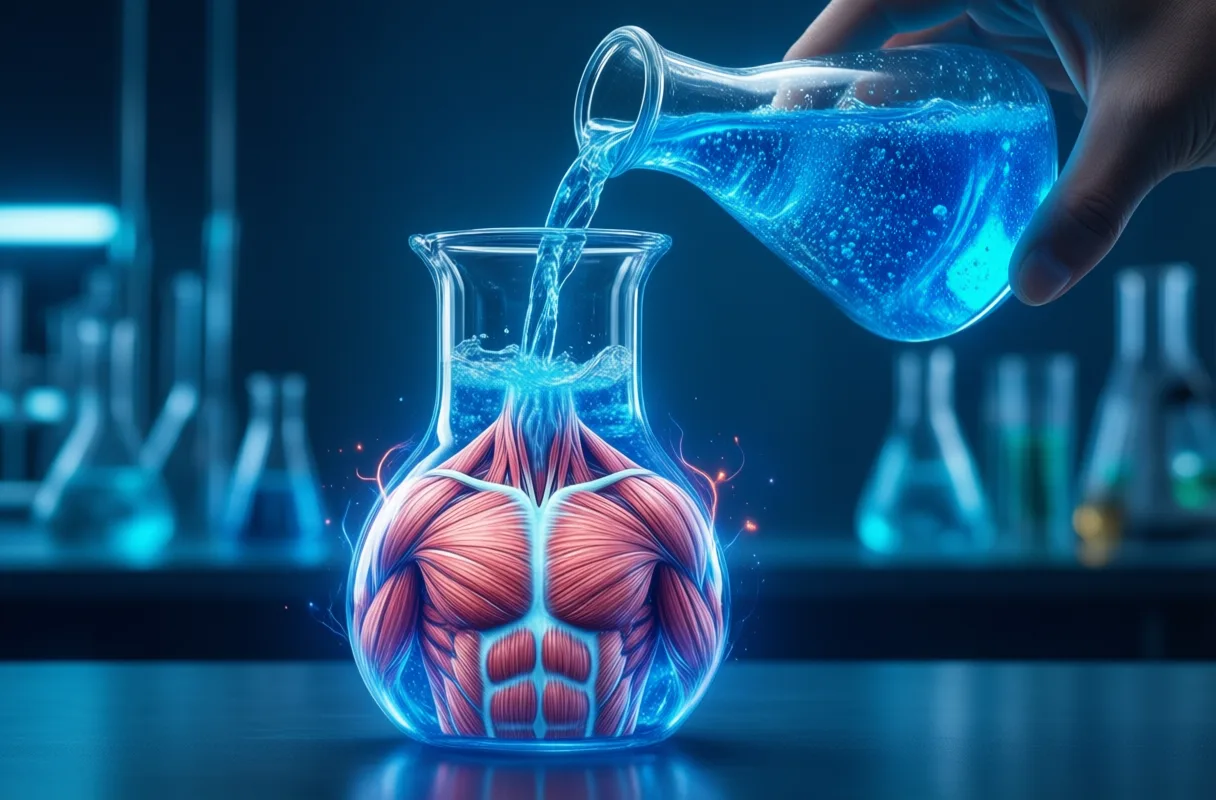
Let’s crush this myth once and for all: Nutrition is not common sense. If it were, everyone would be strong, energized, and injury-free. But we’re not.
Common sense didn’t decode the role of leucine in mTOR activation. It didn’t reveal how ketones spare muscle during caloric deficit. It doesn’t explain why some athletes thrive on plant-based diets while others crash.
Real knowledge comes from studying biochemistry, physiology, and behavioral science-not scrolling Instagram reels.
Would you let “common sense” guide surgery? Of course not. So why let it dictate what goes into an elite performer’s body?
Certification dismantles assumptions. It replaces opinion with understanding. And that changes lives.
Understanding the Science Behind Timing, Macros, and Adaptation
Timing matters-not because of dogma, but because of biology. Insulin sensitivity peaks after resistance training. Cortisol drops at certain hours. Liver glycogen replenishes fastest within 30–90 minutes post-exercise.
Eat outside those windows, and you waste opportunity. Eat inside them, and you accelerate progress.
Macronutrients aren’t just numbers. Protein isn’t just protein. Whey hits fast; casein lasts longer. Carbs vary in osmolality and fermentation. Fats influence hormone production and cell membrane fluidity.
And adaptation? That’s the magic. The body responds to consistent, intelligent stimulus. But if fuel doesn’t match demand, adaptation stalls. Overtraining sets in. Plateaus deepen.
With certification, you master these variables. You stop guessing. You start guiding.

Taking the First Step: Choosing the Right Program for Your Goals
Not all programs are created equal. Some skim the surface. Others dive deep into research methodology, lab interpretation, and practical application.
Ask yourself: Does this program cover sport-specific metabolism? Does it include case studies? Is there mentorship or feedback?
Look for curricula that emphasize real-world problem solving-like adjusting plans for jet-lagged athletes or managing food allergies in team settings.
Choose one that challenges you. Growth happens outside comfort zones.
And remember: this isn’t just about passing a test. It’s about becoming someone others rely on.
Beyond the Badge: Staying Current in a Changing Field
Earning certification is just the beginning. Science evolves. New studies reshape understanding. Gut microbiome research, epigenetics, nutrigenomics-these fields are advancing fast.
Stay curious. Attend conferences. Read journals. Network With other professionals.
The best practitioners never stop learning. They adapt. They innovate. They remain relevant.
Your value isn’t in a certificate frame-it’s in your ability to apply new knowledge when it matters most.
What Your Next Move Looks Like With the Credential in Hand
Now imagine this: You walk into a training facility. An athlete turns, hands you a blood panel, and says, “What do you think?” That moment-that trust-is earned through preparation.
You could be designing fueling protocols for a national swim team. Or helping a firefighter regain peak conditioning after injury. Or launching your own brand rooted in integrity.
The path from passion to profession starts with a single decision: to go deeper.
So stand tall. Speak with confidence. Feed greatness. Because the world doesn’t just need more trainers-it needs wise ones.
And that? That could be you.
| Role | Key Focus |
|---|---|
| One-on-One Athlete Coaching | Personalized plans for peak performance and competition prep |
| Collegiate or Pro Team Staff | Integrated support with trainers, physios, and performance data |
| Endurance Event Fueling Strategist | Prevent bonking with carb timing and hydration planning |
| Tactical Unit Nutrition Advisor | Sustain alertness and endurance in extreme conditions |
| Youth Sports Nutrition Specialist | Support growth, development, and injury prevention |
| Gym Performance Program Leader | Combine strength, conditioning, and nutrition for members |
| Supplement Formulation Consultant | Guide evidence-based product development for brands |
| Workshop Presenter at Events | Educate audiences on stage prep, recovery, and real-world strategies |
Why a Sports Nutrition Certification Might Be Your Best Career Move
More Than Just Protein Shakes
Think sports nutrition is all about counting macros and handing out supplements? Think again. A solid certification dives into how food fuels performance, recovery, and even mental focus-turning everyday meals into strategic tools for athletes. It’s not just elite players who benefit; weekend warriors, gym regulars, and people managing health conditions all gain from personalized eating strategies. Certified pros don’t just recite diet plans-they help clients adapt nutrition to training cycles, sleep patterns, and real-life schedules.
Surprising Perks You Didn’t See Coming
Holding a recognized certification can open doors you might not expect. Gyms and rehab clinics often look for credentialed experts to round out their teams, and some insurance providers now cover nutrition coaching when delivered by certified practitioners. The knowledge also stacks well with other fitness credentials-pair it with personal training or physical therapy, and suddenly you’re offering something few others can match. Plus, many programs include guidance on starting your own coaching business, making it a practical leap toward independence.
Fun Facts That Stick
Did you know some sports nutrition certs require understanding how hydration impacts muscle cramps during endurance events-not just in humans, but across different climates and altitudes? Or that caffeine timing, not just dosage, is covered in depth because taking it 45 minutes before exercise can boost performance more than chugging it right before a workout? Another quirky highlight: certifications often teach the science behind “hitting the wall” in marathons, explaining exactly how glycogen depletion shuts down energy-and how smart fueling can delay it. These aren’t random details; they’re game-changers clients remember and trust.
Frequently Asked Questions
What does a sports nutrition certification qualify you to do?
It qualifies you to create personalized fueling and recovery plans for athletes, support tactical professionals, design supplement formulations, lead workshops, and work with teams or individuals across various performance settings.
How is sports nutrition different from general diet coaching?
Sports nutrition focuses on performance, recovery, and adaptation under physical stress, using precise timing, macronutrient strategies, and metabolic insights rather than just calorie control or portion management.
Who benefits from working with a certified sports nutrition professional?
Competitive athletes, weekend warriors, military personnel, firefighters, youth athletes, and gym members seeking performance gains all benefit from science-based nutrition guidance tailored to their demands.
Why is certification important in sports nutrition?
Certification proves expertise beyond trends, showing clients and teams that you understand physiology, nutrient timing, and evidence-based practices, which builds trust and credibility in high-stakes environments.
This article was produced with AI assistance. How Chiseled Magazine uses AI.
Cassia explores the science and culture of fueling the body, from macronutrient timing to sustainable eating habits. She blends biochemical insight with real-world practicality, helping readers make smarter food choices without sacrificing enjoyment or balance.