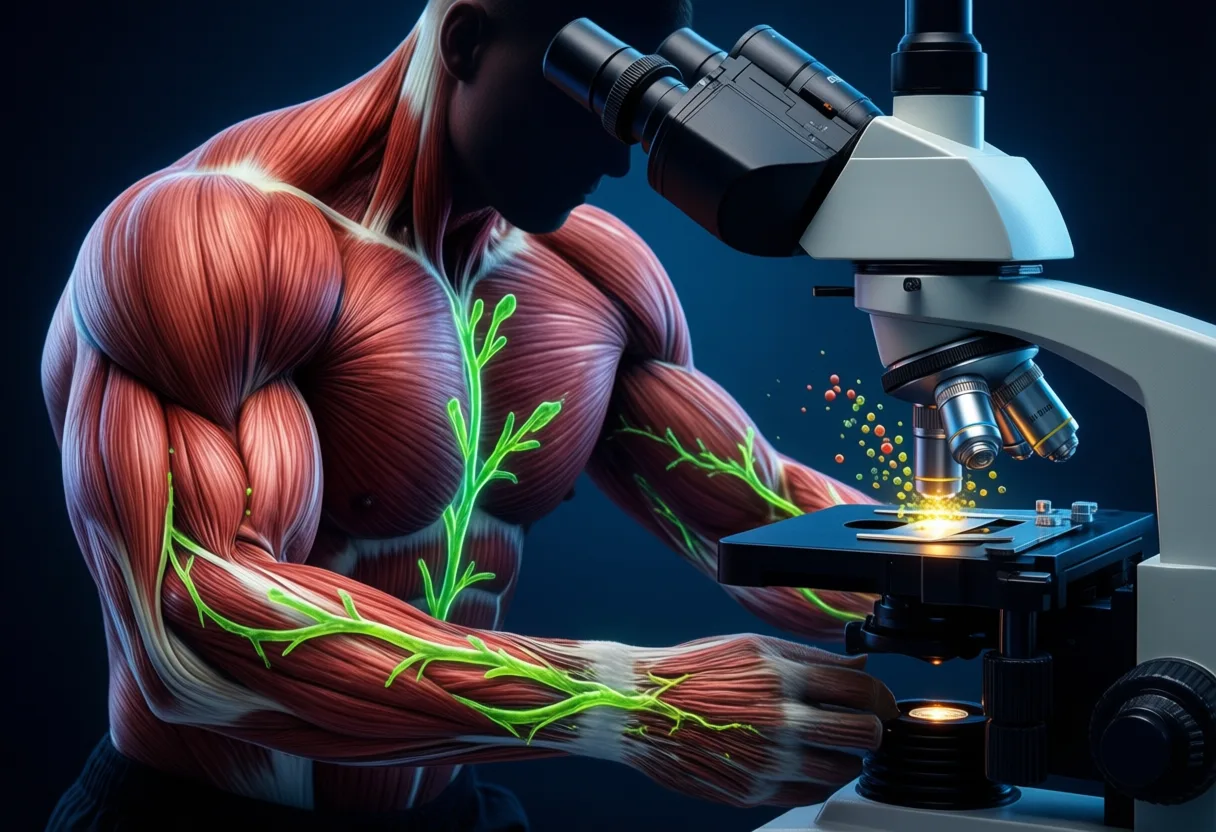

Why Coaches Can No Longer Ignore Nutrition Science
The iron doesn’t lie. Neither does the mirror. But what truly shapes the body-more than reps, sets, or even genetics-is what happens Between The workouts. That’s where nutrition steps in, silent but unstoppable, like the tide reshaping the shore. Today’s clients don’t just want bigger lifts-they want Visible abs, Lean muscle, and Lasting energy. And they’re turning to their coaches to help them get there.
Gone are the days when a trainer could point to a treadmill and call it a day. The modern fitness professional is expected to speak fluently about Fuel, recovery, and metabolic rhythm. A ripped six-pack isn’t carved in the gym-it’s revealed in the kitchen. And if you’re not equipped to guide your clients through that truth, you’re only offering half the transformation.
Your influence stretches far beyond form checks and motivation. When a client asks, “What should I eat to lose fat and keep muscle?” They’re handing you a key to their future. Answer with guesswork, and you risk their progress-and your reputation. Answer with knowledge, and you become a trusted architect of change. The line has shifted. Coaching without nutrition insight is no longer coaching-it’s guessing.

The Line Between Coaching and Counseling: Where Expertise Ends and Ethics Begin
Knowledge is power-but power demands responsibility. As a coach, you’re not just teaching squats or Meal plans. You’re shaping habits, mindsets, and sometimes, self-worth. That’s why understanding the boundary between guidance and medical advice isn’t just smart-it’s essential. You’re not prescribing diets for eating disorders or managing diabetes. You’re empowering healthy adults to eat with purpose.
Think of it like driving. You can teach someone the rules of the road, how to navigate traffic, and when to accelerate. But you wouldn’t perform engine surgery. In the same way, you can guide macronutrient balance, hydration, and pre-workout fueling-but you don’t diagnose deficiencies or treat clinical conditions. Staying in your lane protects both your client and your career.
Ethics aren’t a barrier-they’re a foundation. The best coaches know when to say, “I’m not the right person for this-let’s find someone who is.” That humility builds trust. It shows you care more about results than ego. And it keeps you clear of legal Gray zones. When in doubt, refer out. Your integrity is your most valuable credential.
What Top-Tier Online Programs Actually Cover
The best Sports Nutrition Courses Online don’t just throw facts at you. They build a framework-simple, practical, and rooted in real human biology. You’ll learn how the body uses protein to repair muscle, how carbs fuel explosive training, and why fats are not the enemy but the silent supporter of hormone balance. These aren’t abstract ideas-they’re the levers of transformation.
You’ll dive into topics like nutrient timing, hydration science, and the role of micronutrients in recovery. How does a Post-workout meal Affect muscle protein synthesis? What happens to performance when sleep and nutrition collide? These programs connect the dots between theory and the gym floor. You’ll understand not just What To recommend, but Why It works.
Many also cover behavior change strategies-because knowledge without action is just trivia. You’ll learn how to help clients build sustainable habits, navigate cravings, and stay consistent without obsession. It’s not about perfection. It’s about progress. And the best programs teach you how to make that progress stick-one meal, one day, one victory at a time.
How Learning Translates to Real-World Impact
Imagine a client who’s been lifting hard for months but can’t shed the last layer of belly fat. They’re frustrated. Maybe they’re considering quitting. Then you sit down and explain how a small shift in protein distribution across the day can boost satiety and preserve muscle. You show them how to read labels without fear. You help them build meals that satisfy, not starve.
That’s where the magic happens. Not in a lab. Not in a textbook. In the real world-where people eat, stress, sleep (or don’t), and try to stay on track. Your knowledge becomes their breakthrough. And when they finally see their abs in the mirror, they’ll remember who helped them get there.
This is how coaches become legends. Not by shouting louder, but by knowing deeper. Clients don’t forget the trainer who helped them gain 20 pounds of lean muscle while dropping body fat. They tell their friends. They post about you. They stay loyal. Because you didn’t just train their body-you educated their mind.
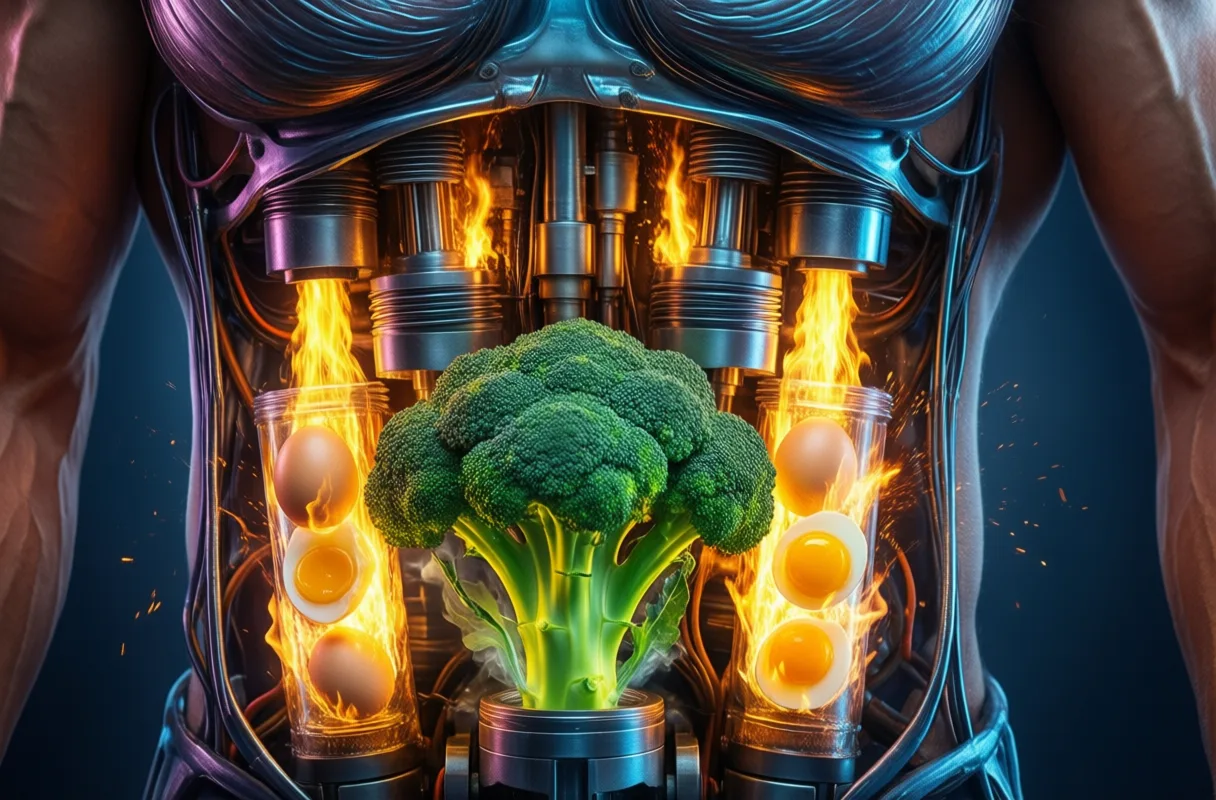
Breaking the “Bro-Science” Cycle in Training Environments
Let’s be honest: the fitness world is full of myths. “Carbs after 6 PM turn to fat.” “You need 2 grams of protein per pound of bodyweight.” “Fasted cardio burns more fat.” These ideas spread like rumors in a locker room-loud, confident, and often wrong. And when coaches repeat them, they perpetuate confusion.
Real science doesn’t shout. It observes, tests, and adapts. The best coaches replace myths with methods. They don’t say “cut carbs”-they explain how carbohydrates support performance and recovery. They don’t ban foods-they teach balance. And when a client asks about keto or intermittent fasting, they can discuss pros and cons without dogma.
This shift elevates your entire environment. Your gym becomes a place of learning, not lore. Clients start asking better questions. They stop fearing food and start fueling purposefully. And you? You become the calm voice of reason in a world of hype. That’s how you build a legacy-One fact at a time.
Tools That Bridge Knowledge Gaps Without a Dietetics Degree
You don’t need a PhD to make a difference. What you need are practical tools-simple, science-backed, and easy to apply. Think portion hand guides, meal timing templates, and hydration checklists. These aren’t rigid rules. They’re flexible frameworks that help clients eat well without stress.
Many programs also teach how to interpret basic lab markers, like fasting glucose or cholesterol panels, in the context of fitness goals. Not to diagnose-but to understand trends. You’ll learn how sleep, stress, and nutrition interact, so you can help clients connect the dots between lifestyle and results.
And perhaps most valuable: communication skills. How to talk about weight without shame. How to discuss energy levels without judgment. How to guide someone toward better choices without taking away their joy. These tools don’t come from a textbook-they come from training that values empathy as much as expertise.
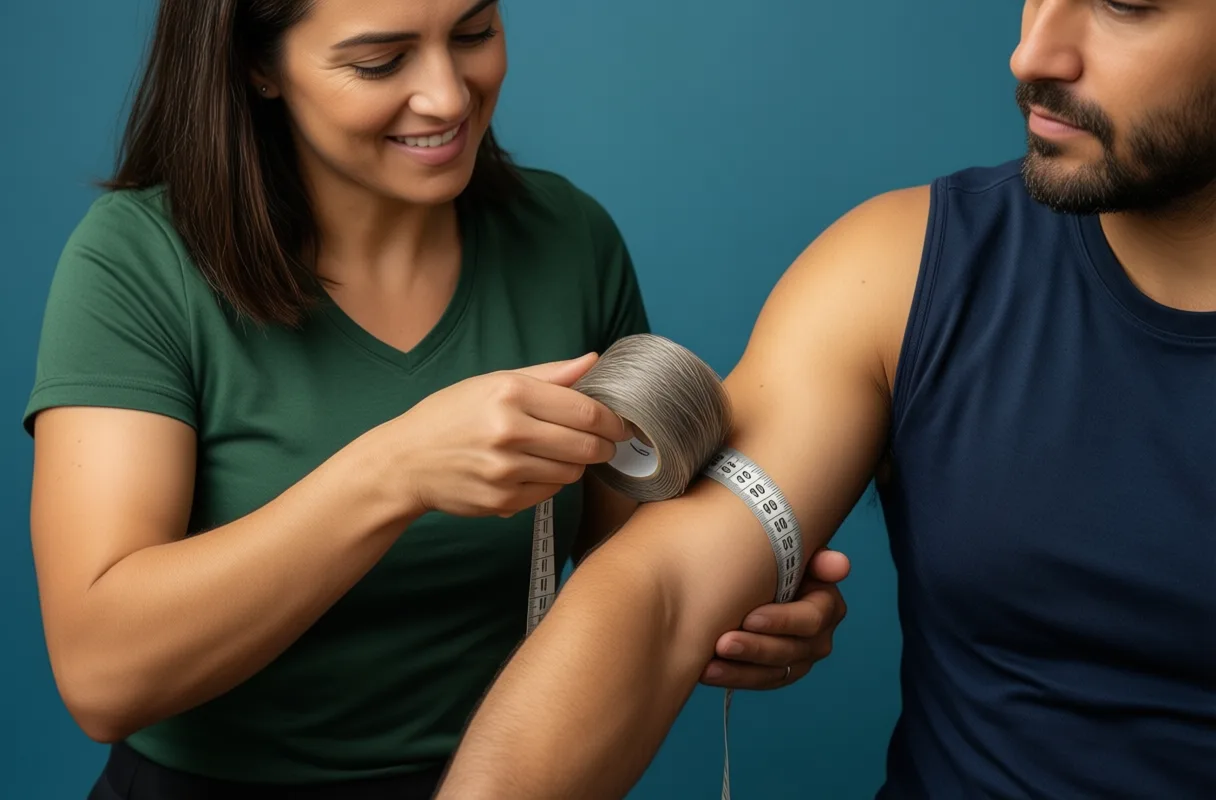
Where to Focus: Choosing the Right Course for Your Goals
Not all programs are built the same. Some focus on elite athletes. Others target general population fitness. Some are heavy on biochemistry. Others emphasize coaching psychology. The key is to Align the course with your mission. Are you training bodybuilders? Busy parents? Weekend warriors? Your audience should shape your education.
Look for programs that emphasize application over memorization. Can you immediately use what you’re learning with your clients? Does it help you answer real questions-like “Should I carb-load before a marathon?” Or “How much protein do I really need?” Practicality beats prestige every time.
Also consider time, cost, and support. Is there mentorship? Can you revisit materials? Is the content updated as science evolves? Education isn’t a one-time purchase. It’s an investment in your growth. Choose a program that grows with you.
Beyond the Certificate: Building Credibility the Right Way
That certificate on your wall? It’s not the end. It’s the beginning. Credibility isn’t earned by a piece of paper-it’s built through consistency, integrity, and results. Use your knowledge daily. Apply it with humility. Admit what you don’t know. And never stop learning.
Share your knowledge generously-but responsibly. Write simple guides. Host nutrition chats at your gym. Help one client at a time. When people see real change, they’ll trust you. Not because of a title-but because of what you’ve done.
The fittest coaches aren’t just strong. They’re wise. They understand that True strength is built on knowledge, discipline, and service. So keep lifting. Keep learning. And keep helping others reveal the best version of themselves-one smart choice at a time.
Fueling Knowledge: The Smarter Way to Learn Sports Nutrition
More Than Just Protein Shakes
Think sports nutrition is all about counting macros and chugging shakes? Think again. Online courses dive into how hydration impacts reaction time, why certain nutrients help athletes recover faster after intense training, and how meal timing can influence endurance during competition. These aren’t just theory-heavy lectures-many programs include real-world case studies, like adjusting a soccer player’s iron intake to combat fatigue during tournament season or helping a weightlifter optimize carb loading before a big meet.
Learning That Fits Your Routine
One of the coolest perks of taking Sports Nutrition Courses Online is flexibility. Whether you're a personal trainer squeezing in study between client sessions or a coach prepping during the off-season, you can access lessons anytime, anywhere. Some platforms even let you watch short video breakdowns on your phone during a commute or replay complex topics until they click. Plus, many courses offer interactive quizzes and forums where you can swap tips with other aspiring coaches-turning solo study into a team effort.
From Basics to Specialization
While entry-level courses cover essentials like energy systems and nutrient roles, advanced Options explore Niche areas like nutrition for youth athletes, plant-based diets in sports, or fueling strategies for ultra-endurance events. Some programs even simulate real coaching scenarios, challenging you to build meal plans based on an athlete’s training load, goals, and food preferences. It’s hands-on learning that builds confidence-so when you’re advising a client, you’re not just quoting facts, you’re applying them. Explore more stories, videos, and creators on Loaded.
Frequently Asked Questions
Why is nutrition important for fitness coaches?
Nutrition shapes the body more than reps or genetics, and clients expect coaches to guide them on fuel, recovery, and metabolic rhythm. Coaches who understand nutrition can help reveal lean muscle and lasting energy, making them trusted architects of change.
Can fitness coaches give medical nutrition advice?
No, coaches should not diagnose deficiencies or treat clinical conditions like diabetes or eating disorders. They can guide healthy adults on macronutrient balance, hydration, and pre-workout fueling, but must refer clients to medical professionals when needed.
What do top sports nutrition courses cover?
These courses teach how protein repairs muscle, how carbs fuel training, and how fats support hormone balance. They also cover nutrient timing, hydration, micronutrients, recovery, and behavior change strategies for sustainable habits.
How can coaches apply nutrition knowledge in real life?
Coaches use knowledge to help clients shift protein intake for better satiety, read labels confidently, and build satisfying meals. This leads to real-world breakthroughs like losing belly fat and gaining lean muscle, building trust and loyalty.
This article was produced with AI assistance. How Chiseled Magazine uses AI.
Cassia explores the science and culture of fueling the body, from macronutrient timing to sustainable eating habits. She blends biochemical insight with real-world practicality, helping readers make smarter food choices without sacrificing enjoyment or balance.