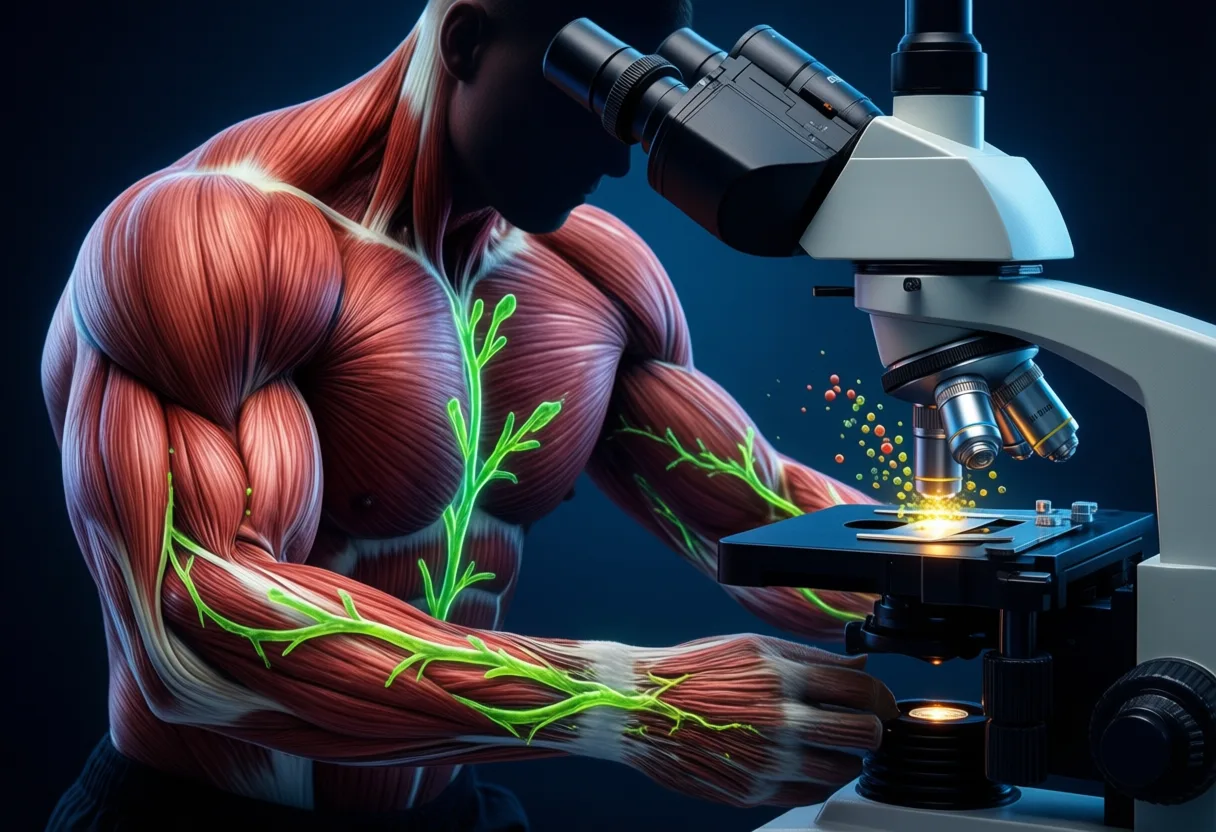

The difference between good and great isn’t always in the weight room or on the track-it’s often at the dinner table. What you eat doesn’t just shape your body; it Fuels Your focus, powers your recovery, and determines how long you can push when the clock is running down. More athletes and coaches are realizing that True peak performance starts with smarter eating, not just harder training.
Why Athletes and Coaches Are Turning to Nutrition Education
Champions don’t leave their results to chance. They study film, refine technique, and fine-tune every detail-so why treat food like an afterthought? Once seen as secondary to reps and sprints, Nutrition Is now recognized as a Core pillar of athletic success. The pros aren’t just eating clean; they’re eating with purpose, guided by science and strategy.
Coaches, too, are stepping up. They know yelling louder won’t fix fatigue in the fourth quarter or speed up recovery after back-to-back games. But adjusting fueling patterns might. With injuries, burnout, and underperformance often linked to poor energy availability, understanding Nutrition Is no longer optional-it’s leadership.
Today’s best performers see food as information. Each meal sends signals to the body: build muscle, store energy, reduce inflammation, repair tissue. When athletes learn to speak this language, transformation follows-not just in strength or speed, but in resilience and consistency.
The Gap Between Training and Fueling: What Most Programs Miss
Most training programs are built around effort: how fast, how heavy, how long. But few ask: Are you giving your body the raw materials it needs to respond? You can sprint until your lungs burn, but without proper glycogen stores, you’re racing on empty. You can lift until your muscles shake, but if protein timing and quality miss the mark, growth stalls.
Many athletes still operate on outdated rules-like “Carbs Are bad” or “just eat more protein.” These oversimplifications ignore the complexity of metabolism and lead to frustration. Energy crashes, slow recovery, and plateaued progress become the norm, not the exception. The real issue? They’ve trained hard but fueled wrong.
Even college and pro teams sometimes rely on generic meal plans or outdated sports diet advice from decades ago. Meanwhile, research has evolved. We now understand circadian rhythms, gut health, and metabolic flexibility play key roles in performance. Without updated knowledge, even elite programs fall short.
What You Won’t Learn from a General Diet Class
A standard nutrition course might teach food groups and calorie counts-but that’s like learning engine parts without ever driving a car. Athletes need dynamic, context-driven strategies that adapt to training load, competition schedule, travel, and recovery demands. General advice doesn’t account for a wrestler cutting weight before regionals or a soccer player needing sustained energy across 90 minutes of heat and pressure.
You won’t learn how to time carbohydrates around high-intensity intervals to maximize power output. You won’t discover how protein distribution throughout the day supports continuous muscle synthesis. And you certainly won’t explore how hydration status affects neuromuscular coordination-critical for precision under fatigue.
What sets specialized education apart is its focus on Application under stress. It bridges the gap between textbook theory and locker room reality. This isn’t about perfection-it’s about making smart choices when sleep is low, schedules are packed, and cravings are high.
How Science Is Reshaping On-Field Performance Through Food
Science doesn’t shout-it whispers in data, biomarkers, and measurable outcomes. And what it’s saying loud and clear is that Nutrition directly influences reaction time, decision-making, and muscular endurance. A well-fueled brain makes faster plays. A properly hydrated muscle contracts more efficiently. An optimized gut absorbs nutrients better, reducing bloating and boosting stamina.
Researchers now map nutrient turnover in real time, tracking how amino acids rebuild damaged fibers post-exercise or how specific fats support hormone balance during intense training blocks. This isn’t guesswork-it’s biochemistry in action. And the insights are transforming how top-tier athletes approach every meal.
We’re seeing shifts: less fear of carbs, more respect for fat, smarter use of supplements. Recovery isn’t left to rest alone-it’s actively supported with targeted nutrition windows. Even injury rehab now includes anti-inflammatory diets to accelerate healing. The future of performance isn’t just stronger bodies-it’s smarter fueling.

Can a Course Actually Change an Athlete’s Season?
Absolutely. Imagine starting camp fully recovered, energized, and primed-while others drag through fatigue and nagging soreness. That edge comes from consistency, and consistency comes from routine. A single lecture won’t transform anyone, but a structured program builds habits that compound over weeks and months.
One runner reduced her recovery time by nearly half after adjusting her post-run meal composition. A basketball team cut mid-season injuries in half after implementing daily hydration protocols taught in a workshop. These aren’t miracles-they’re results of applying evidence-based principles consistently.
Knowledge becomes power only when it’s used. And when athletes understand Why Certain foods matter-not just What To eat-they make better choices independently. No more guessing. No more restrictive diets that kill performance. Just Strategic, sustainable fueling That supports both health and ambition.
1. Foundational Physiology: Understanding Energy Systems and Metabolism
Your body runs on three main energy systems: immediate (phosphagen), short-term (glycolytic), and long-term (oxidative). Each dominates depending on intensity and duration. Sprinting relies heavily on stored ATP and creatine phosphate, while endurance events pull from glycogen and fat reserves. Knowing which system is active helps determine the right fuel.
Carbohydrates aren’t just energy-they’re the preferred source when intensity spikes. During high-output efforts, your body breaks down glucose faster than it can process fat. Deplete those stores, and performance plummets. Think of glycogen as premium gasoline: essential for peak engine function.
Fat provides dense, steady energy-ideal for lower-intensity efforts. But it requires more oxygen to burn, so it can’t keep up during all-out bursts. Protein plays a smaller role in fueling but is vital for repair. Balancing these macronutrients based on training goals ensures your metabolism works For You, not against you.
2. Timing and Composition: Mastering Pre-, During, and Post-Exercise Nutrition
Fueling isn’t one-size-fits-all-it changes with the clock. Pre-workout meals should stabilize blood sugar and top off energy stores Without causing discomfort. A mix of easily digestible carbs and moderate protein 1–3 hours before activity primes the body for action. Too much fiber or fat too close to training can slow digestion and cause cramps.
During prolonged exercise-especially over 75 minutes-consuming carbohydrates (like bananas, gels, or drinks) maintains blood glucose and delays fatigue. The goal isn’t fullness but steady supply. Small, frequent intakes keep energy flowing without overwhelming the gut.
Post-exercise is prime time for recovery. Within 30–60 minutes, muscles are most receptive to replenishing glycogen and initiating repair. A combination of carbs and high-quality protein jumpstarts this process. Skipping this window means slower recovery, increased soreness, and diminished adaptation over time.
3. Hydration Beyond Water: Electrolytes, Environment, and Endurance
Water is essential, but it’s not the whole story. Sweat contains sodium, potassium, magnesium, and chloride-electrolytes that regulate fluid balance, nerve signaling, and muscle contraction. Lose too many, and cramps, dizziness, or confusion can follow-even if you’re drinking plenty.
Hot, humid conditions increase sweat loss dramatically. In extreme cases, athletes lose several liters per hour. Replacing fluids with plain water alone risks diluting blood sodium levels-a dangerous condition known as hyponatremia. That’s why salty snacks or electrolyte-enhanced drinks matter during extended exertion.
Hydration starts long before practice. Begin sessions well-hydrated, monitor urine color (pale yellow is ideal), and adjust intake based on climate and sweat rate. Smart hydration isn’t chugging gallons-it’s matching losses intelligently, keeping the body’s internal environment stable and efficient.

4. Weight Management Without Compromise: Healthy Strategies for Strength and Speed
Cutting weight shouldn’t mean cutting corners. Rapid dehydration, starvation diets, or skipping meals sabotage strength, focus, and hormonal health. Sustainable changes come from gradual adjustments-slightly reducing calories while preserving protein and fueling key workouts.
Athletes aiming to lean out must protect muscle mass. That means prioritizing protein at every meal, maintaining resistance training, and avoiding drastic cuts. Losing more than 1–2 pounds per week often leads to muscle loss, slowing metabolism and weakening performance.
For those gaining size, surplus calories must support growth-not just fat storage. Spreading energy intake across 4–6 balanced meals ensures constant building blocks for muscle. Pair this with strategic carb loading around workouts, and you create an environment where Size and strength grow together, not separately.
5. Supplements Decoded: What Works, What Doesn’t, and What’s Risky
Not all supplements are created equal. Some are backed by strong evidence, others by marketing hype. Creatine monohydrate stands out-proven to enhance strength, power, and recovery in countless studies. It’s safe, effective, and one of the few with broad scientific consensus.
Caffeine, when timed right, improves alertness and endurance. Beta-alanine may delay fatigue in high-intensity efforts. Omega-3s support joint health and reduce inflammation. But many popular products-like fat burners, testosterone boosters, or exotic extracts-lack solid proof or carry hidden risks.
Contamination is real. Some supplements contain banned substances not listed on labels. Third-party testing helps, but the safest path is focusing on whole foods first. Supplements should fill gaps-not replace fundamentals. If your diet lacks variety or volume, no pill will fix it.
6. Team vs. Individual Needs: Customizing Plans Across Sports
A football lineman has different demands than a gymnast or marathoner. One needs size and explosive power; another requires leanness and precision; the third depends on aerobic efficiency. Nutrition plans must reflect these contrasts-not force everyone into the same mold.
Team settings add complexity. Coaches can’t micromanage meals, but they can shape culture. Providing fueling guidelines, stocking recovery options, and modeling healthy behaviors go a long way. Group education creates shared understanding, reducing misinformation and peer pressure to skip meals or crash diet.
Individual athletes benefit from personalization. Tracking energy levels, sleep quality, and performance trends helps fine-tune intake. Working with a knowledgeable advisor allows for adjustments based on travel, stress, illness, or life changes. Flexibility beats rigidity every time.
7. Coaching Communication: Teaching Nutrition Without Overstepping
Coaches aren’t dietitians-but they are influencers. What they say about food carries weight. Instead of prescribing diets or calling out body composition, focus on behavior: hydration habits, post-practice refueling, consistent breakfast routines. Small wins build confidence and trust.
Use inclusive language. Say “fueling for recovery” instead of “eating less sugar.” Frame nutrition as performance support, not weight control. Celebrate energy, strength, and mental clarity-outcomes tied to eating well, not appearance.
Encourage questions. Host guest speakers. Share simple handouts. Make nutrition part of the conversation, not a sidebar. When athletes feel supported, not judged, they’re more likely to adopt lasting habits that serve them beyond the season.
Debunking the “More Protein” Myth That Still Hurts Performance
Let’s be clear: protein matters. It builds muscle, supports immunity, and keeps you full. But More is not always better. The body can only utilize so much protein at once-typically 20–40 grams per meal, depending on size and activity. Excess gets broken down or stored, not turned into extra muscle.
Overemphasizing protein often crowds out carbohydrates-the very fuel needed for intense training. Skimp on carbs, and workouts suffer. Fatigue sets in early. Recovery slows. Hormones shift. Over time, this imbalance increases injury risk and stalls progress.
Balance is king. Aim for protein at each meal, yes-but pair it with quality carbs and healthy fats. Think grilled chicken with sweet potatoes and avocado, not chicken breast alone. Variety ensures micronutrient intake, gut health, and sustainable energy. Muscle grows best when the whole system is supported.

The Real Role of Carbohydrates in High-Intensity Training
Carbs are the high-octane fuel your body reaches for when the pace picks up. During sprints, jumps, lifts, and quick cuts, your muscles burn through glycogen stores rapidly. Without adequate replenishment, you hit a wall-your legs feel heavy, your mind clouds, your output drops.
Low-carb diets may help some in controlled settings, but they rarely support peak athletic performance. Studies show decreased time to exhaustion, impaired skill execution, and longer recovery times when carbohydrate intake is insufficient. Your brain runs on glucose too-so mood, focus, and decision-making take a hit.
The key is choosing wisely. Whole grains, fruits, starchy vegetables, and legumes provide sustained energy plus fiber, vitamins, and antioxidants. Time them around training for maximum effect. Morning practice? Overnight oats with berries. Evening game? Brown rice bowl with lean meat and veggies. Match the meal to the mission.
From Classroom to Locker Room: Applying Knowledge in Real Time
Learning means nothing unless it translates to action. The true test of any education is whether it changes behavior under pressure. Can an athlete choose a recovery snack after a late game? Can a coach remind players to hydrate without sounding preachy?
Start small. Pick one habit: drink water with every meal, eat fruit post-training, pack a lunch before busy days. Master it, then build. Success breeds momentum. Soon, thoughtful eating becomes second nature-even during finals week or tournament travel.
Use visuals. Keep sticky notes on lockers: “Did you refuel?” Or “Hydrate for recovery.” Create team challenges: “Seven Days of Smart Snacks” or “Beat the Bloat.” Make it fun, social, and practical. Culture shifts happen one choice at a time.
What Top Performers Know About Daily Eating Habits
Elite athletes don’t chase perfection-they pursue consistency. They don’t eat perfectly every day, but they stick to core principles most of the time. They plan ahead, listen to hunger cues, and adjust based on how they feel.
They prioritize sleep and manage stress because both affect appetite hormones and nutrient absorption. They avoid drastic changes before big events-sticking to familiar foods that sit well and deliver steady energy.
And they recover like champions. That means real food, not just shakes. Colorful plates rich in plants, quality proteins, and smart carbs. They know shredded abs come from discipline in the kitchen as much as in the gym. But more than that, they know Strong bodies perform best when nourished deeply and regularly.
Next Steps: Building a Personalized Learning Path Forward
Your journey starts with curiosity. Ask questions. Seek out programs that dive deep into sports-specific physiology, practical application, and behavior change-not just textbook definitions. Look for courses developed by experienced practitioners who’ve worked with real athletes.
Set a goal: improve recovery, gain lean mass, stay healthier during season, or teach your team better habits. Let that guide your focus. Dedicate time each week-just 30 minutes-to study, reflect, and apply one new idea.
Talk to teammates. Share insights. Challenge myths. Be the one who brings nutrient timing up at lunch, not body shaming. Leadership isn’t always loud-sometimes it’s quietly passing the water bottle and saying, “You earned that refill.”
Because in the end, greatness isn’t built in a day. It’s grown-one smart meal, one informed choice, one educated athlete or coach at a time. And when knowledge meets action, that’s when legends are made.
| Topic | Key Focus | Performance Impact |
|---|---|---|
| Energy Systems and Metabolism | Matching fuel to intensity and duration | Optimizes power and endurance output |
| Nutrient Timing | Pre-, during, and post-exercise eating | Enhances recovery and reduces fatigue |
| Hydration and Electrolytes | Balancing fluid and mineral loss | Maintains nerve and muscle function |
| Weight Management | Gradual changes with balanced intake | Preserves muscle and performance |
| Supplement Use | Evidence-based choices and safety | Supports training without unnecessary risk |
| Team vs. Individual Needs | Customizing plans by sport and role | Improves adherence and effectiveness |
| Coaching Communication | Promoting habits without overstepping | Builds culture of fueling for performance |
Fueling Greatness: What You’ll Learn
More Than Just Meal Plans
Think sports nutrition is all about counting calories and protein shakes? Think again. Courses often dive into the science behind how different nutrients affect performance, recovery, and even mood. You’ll learn why timing matters just as much as content-like how eating carbs during endurance events can keep you going longer, or why a mix of protein and carbs after a workout helps muscles rebuild faster.
Surprising Science in Action
Did you know that some elite athletes use beet juice to boost stamina? It’s not a fad-it’s science. Nitrates in beets can improve oxygen efficiency, and many courses cover how everyday foods can act like performance aids. You’ll also explore hydration beyond water, understanding how electrolytes like sodium and potassium keep nerves firing and muscles working during intense training.
From Field to Classroom
Coaches taking these courses often walk away with practical tools, like how to spot early signs of low energy availability-a condition that can quietly affect performance and health. Some programs even include case studies from real teams, showing how small tweaks in nutrition strategies led to measurable gains. It’s not magic; it’s smart science applied consistently. Explore more stories, videos, and creators on Loaded.
Frequently Asked Questions
Why is nutrition important for athletes and coaches?
Nutrition fuels focus, powers recovery, and sustains performance under pressure. It is now recognized as a core pillar of athletic success, not just an afterthought.
Can a sports nutrition course improve an athlete's performance?
Yes. Structured programs build habits that lead to measurable results, such as faster recovery, fewer injuries, and sustained energy during competition.
What do Sports Nutrition Courses teach that general diet classes don’t?
They focus on dynamic, context-driven strategies for training load, competition schedules, and recovery. Topics include nutrient timing, hydration with electrolytes, and fueling under stress.
Are supplements necessary in sports nutrition?
Supplements should fill gaps, not replace whole foods. Only some, like creatine and caffeine, are proven effective and safe when used correctly.
This article was produced with AI assistance. How Chiseled Magazine uses AI.
Cassia explores the science and culture of fueling the body, from macronutrient timing to sustainable eating habits. She blends biochemical insight with real-world practicality, helping readers make smarter food choices without sacrificing enjoyment or balance.