
What Top Performers Eat-And When They Eat It
You don’t need a lab coat to eat like a champion-just timing, intention, and real food. The world’s most elite athletes don’t rely on magic formulas. They succeed because they treat food Like fuel, consumed with purpose.
The rhythm of eating matters as much as the food itself. Your body thrives on consistency, especially when pushing physical limits. Top performers often eat every 3–4 hours, spacing Meals To keep energy steady and muscles primed for growth and recovery. This isn’t about constant snacking-it’s about strategic nourishment that aligns with training and rest.
Breakfast might include eggs, sweet potatoes, and avocado-foods that deliver lasting energy and Support brain Clarity. Lunch could be grilled chicken, quinoa, and roasted vegetables, offering a balance of protein, complex carbs, and phytonutrients. Dinner often centers on lean protein and fibrous veggies, helping repair tissues overnight.
Pre- and post-workout meals are non-negotiable. A pre-training snack with carbs and a touch of protein-like a banana with almond butter-fuels intensity. After training, a combination of protein and carbohydrates helps rebuild muscle and refill energy stores. These aren’t rigid rules-they’re rhythms that evolve with your body’s needs.
Beyond Protein Shakes: Whole Foods That Drive Performance
Protein shakes have their place, but they’re just one note in a much richer symphony. The foundation of powerful performance isn’t in a blender-it’s on your plate.
Whole foods Offer layers of nutrition that powders can’t replicate. A single egg delivers high-quality protein, choline for brain health, and antioxidants like lutein. Wild-caught salmon gives you omega-3 fatty acids that reduce inflammation and support joint health. Even simple oats provide soluble fiber that stabilizes blood sugar and keeps hunger at bay.
Think of your diet as a palette of colors and textures: - Deep green kale and spinach offer iron and magnesium for oxygen transport and muscle function. - Blueberries and tart cherries deliver anthocyanins, compounds that help soothe exercise-induced stress. - Sweet potatoes and brown rice provide complex carbohydrates that sustain energy during long workouts.
These foods don’t just perform-they Feel Good. The creaminess of avocado, the crunch of fresh carrots, the warmth of a slow-cooked stew-these sensory experiences connect you to your body’s needs. When you eat with awareness, you’re not just consuming calories. You’re building strength, resilience, and a physique that reflects your effort.
The Hydration Equation: More Than Just Water
Water is essential, but hydration is a full-body conversation. It’s not just about quenching thirst-it’s about maintaining balance in every cell.
Electrolytes like sodium, potassium, and magnesium are the unsung heroes of fluid balance. When you sweat, you lose more than water-you lose minerals critical for nerve signaling and muscle contraction. A long run or intense lift demands more than plain H2O. That’s why athletes often include foods like bananas, coconut water, and leafy greens to Naturally replenish What’s lost.
Signs of dehydration go beyond dry mouth. Fatigue, cramping, and foggy focus can all signal your body is running low. Sipping fluids throughout the day-not just during workouts-keeps your system running smoothly. Aim for a steady rhythm: a glass upon waking, one with each meal, and more during and after training.
Your hydration needs shift with the seasons and your activity level. In summer, you’ll likely need more fluids. On rest days, your needs decrease. Listen to your body. The color of your urine-pale yellow, not clear or dark-is a reliable guide. When you hydrate with intention, your muscles fire faster, your mind stays sharp, and your recovery speeds up.

When Supplements Make the Cut-And When They Don’t
Supplements aren’t shortcuts-they’re tools. Used wisely, they can fill gaps. Misused, they become expensive habits with little return.
Not every bottle on the shelf deserves a spot in your routine. Some, like vitamin D in colder months or omega-3s for those not eating fatty fish, can make a real difference. Others-especially those promising instant muscle or fat loss-often deliver more hype than results. Stick to products with clear, simple ingredients and avoid anything with a mile-long label full of unpronounceable words.
Common supplements that support performance include: - Creatine monohydrate, which helps regenerate energy during high-intensity efforts. - Whey protein, useful when whole-food protein is hard to fit in. - Magnesium glycinate, which may support sleep and muscle relaxation.
But remember: no pill replaces the quality of a balanced meal. If your diet is built on processed foods, no supplement will fix that. Start with real food. Add supplements only when they serve a clear purpose-like helping you meet protein goals or correcting a known shortfall.
Myth vs. Science: Debunking Common Sports Nutrition Misconceptions
The fitness world is full of noise-what works, what doesn’t, what’s “clean,” what’s “toxic.” But many of these beliefs don’t hold up under scrutiny.
Carbs don’t make you fat-excess calories do. The truth is, carbohydrates are your body’s preferred fuel for intense training. Without enough, your workouts suffer, your recovery slows, and your energy dips. Athletes who cut carbs often find themselves flat, irritable, and stuck in a plateau.
Another myth: you need to eat protein immediately after training. While post-workout nutrition matters, the window is wider than once thought. What counts most is your total protein intake over the day. Spreading it across meals-about 20–30 grams per serving-gives your muscles a steady supply for growth.
And no, you don’t have to eat every two hours to “stoke your metabolism.” Your body isn’t a furnace that dies down between logs. Meal frequency should match your lifestyle and hunger cues. Some thrive on three meals; others prefer five smaller ones. The key is consistency, not rigidity.

Putting It All Together: Building a Realistic, Sustainable Plan
The best nutrition plan is the one you can stick with-not the one that looks perfect on paper. Perfection isn’t the goal. Progress is.
Start with small, meaningful changes. Add a serving of vegetables to lunch. Swap sugary drinks for water with lemon. Include a source of protein with every meal. These aren’t dramatic shifts-they’re quiet upgrades that compound over time.
Build your plate around three anchors: 1. A palm-sized portion of lean protein-chicken, fish, tofu, or eggs. 2. A fist-sized portion of complex carbs-oats, rice, potatoes, or fruit. 3. A generous handful of colorful vegetables or salad.
This simple framework keeps meals balanced without obsessive tracking. And don’t fear healthy fats-olive oil, nuts, and avocado add flavor, satisfaction, and support hormone health.
Life isn’t predictable, and neither is eating. Some days you’ll hit every goal. Others, you’ll grab what’s available. That’s okay. Long-term success isn’t about flawless days-it’s about returning, again and again, to habits that honor your body.
Fueling Forward: How Smart Eating Keeps You at the Top of Your Game
Greatness isn’t built in a day. It’s built at the table, bite by bite, choice by choice. The food you eat isn’t just about muscle or abs-it’s about energy, focus, and resilience.
When you eat with purpose, your body responds. You lift heavier. You recover faster. You feel stronger, not just in the gym, but in life. Your six-pack isn’t just a result of crunches-it’s a reflection of consistency, discipline, and the quiet power of real food.
So train hard. Eat smart. And trust the process. The body you’re building isn’t just for show-it’s a machine tuned for performance, endurance, and life lived with intensity. Keep feeding it well, and it will carry you farther than you ever imagined.
| Food | Key Benefits |
|---|---|
| Eggs | High-quality protein, choline, and antioxidants like lutein |
| Wild-caught salmon | Omega-3s that reduce inflammation and support joint health |
| Oats | Soluble fiber that stabilizes blood sugar and controls hunger |
| Kale and spinach | Iron and magnesium for oxygen transport and muscle function |
| Blueberries and tart cherries | Anthocyanins that help soothe exercise-induced stress |
| Sweet potatoes and brown rice | Complex carbs that sustain energy during long workouts |
| Beetroot juice | Nitrates that improve oxygen flow and delay fatigue |
Fueling Greatness: The Surprising Science Behind What Athletes Eat
Nature’s Power Players
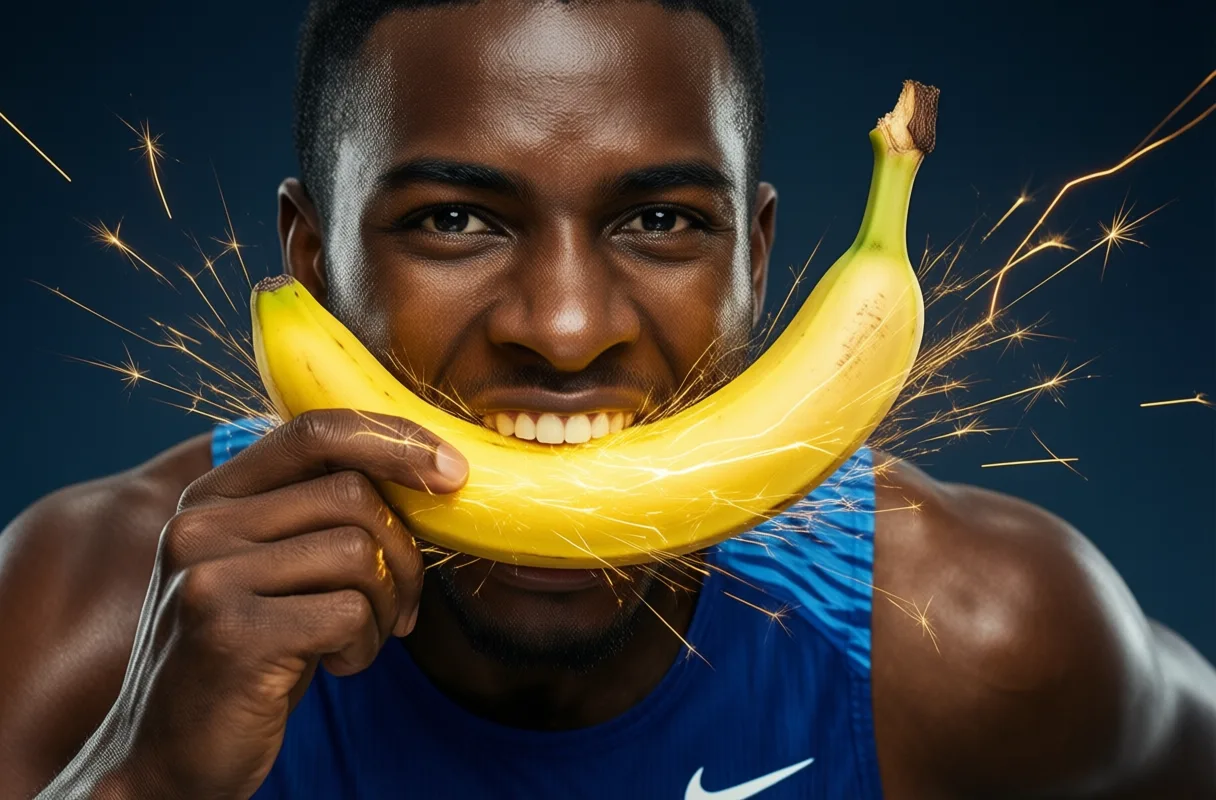
Ever wonder why bananas are a staple in locker rooms? It’s not just tradition-these yellow powerhouses deliver a quick burst of natural sugars, potassium to prevent cramps, and just enough fiber to keep energy steady. Tennis stars often grab one between sets, and cyclists rely on them during long rides, all without a single lab-made ingredient. Nature’s original energy bar, really.
Hydration Hacks You Haven’t Heard
Water is essential, but sometimes it’s not enough. In intense heat or prolonged effort, athletes lose more than just fluid-they’re also shedding sodium and electrolytes through sweat. That’s why some turn to coconut water, which contains natural electrolytes like potassium and magnesium. While it’s not a full replacement for sports drinks in extreme conditions, it’s a solid, minimally processed option for moderate activity.
The Beetroot Boost
One unexpected favorite in the training kitchen? Beetroot juice. Sounds strange, but it’s backed by science. Beets are rich in nitrates, which the body converts into nitric oxide-a compound that helps open blood vessels and improve oxygen flow. Some runners and swimmers swear by a glass before endurance events, claiming it helps them go longer with less fatigue. It’s a vivid example of how whole foods can directly influence performance. Explore more stories, videos, and creators on Loaded.
Frequently Asked Questions
What do elite athletes eat for breakfast, lunch, and dinner?
Breakfast might include eggs, sweet potatoes, and avocado. Lunch could be grilled chicken, quinoa, and roasted vegetables. Dinner often centers on lean protein and fibrous veggies.
How often do top performers eat throughout the day?
Top performers often eat every 3–4 hours to keep energy steady and muscles primed for growth and recovery.
What are natural sources of electrolytes for hydration?
Bananas, coconut water, and leafy greens are natural sources of electrolytes like potassium and magnesium that help replenish what’s lost through sweat.
Do you need to eat protein immediately after a workout?
The post-workout window is wider than once thought. Total daily protein intake matters more than immediate consumption, with 20–30 grams per meal being ideal.
This article was produced with AI assistance. How Chiseled Magazine uses AI.
Cassia explores the science and culture of fueling the body, from macronutrient timing to sustainable eating habits. She blends biochemical insight with real-world practicality, helping readers make smarter food choices without sacrificing enjoyment or balance.