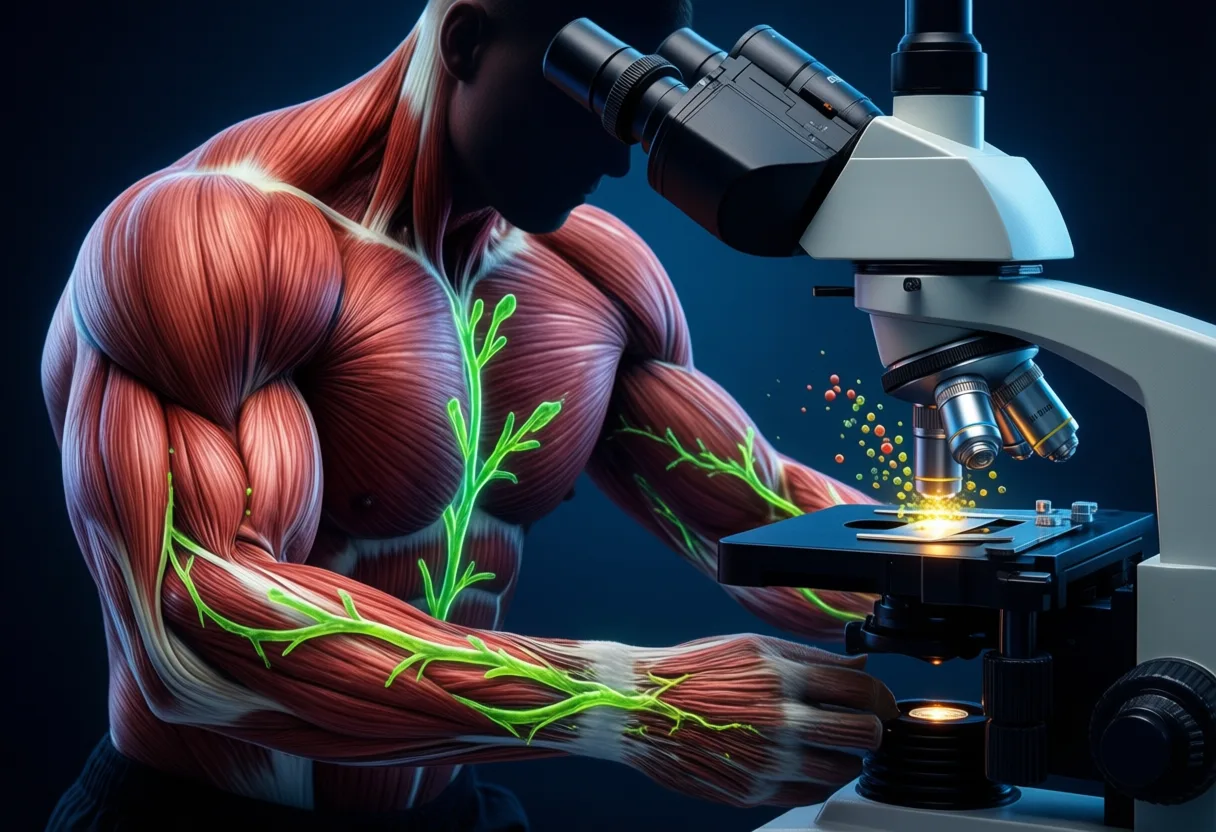

You don’t need magic potions or miracle powders to Fuel peak Performance-just real food, smart timing, and consistency. The best athletes in the world don’t rely on luck; they follow Proven nutritional principles That power muscle growth, speed recovery, and sharpen mental focus. Whether you're chasing a personal record or sculpting a lean, chiseled physique, what you eat is your most powerful training tool.
Fuel Your Body Like a High-Performance Machine
Imagine your body as a precision engine-every rep, sprint, and lift Demands clean-burning Fuel. Without the right nutrients at the right time, even the toughest workouts can fall flat. Think of protein as the builder, carbohydrates as the spark, and fats as the long-lasting fire that keeps your energy steady through grueling sessions.
Protein isn’t just for bodybuilders-it’s essential for repairing and growing muscle tissue after every hard set. When you train, you create tiny tears in your muscles. Protein swoops in like a repair crew, rebuilding them stronger and denser than before. Aim to include a quality source of protein with every meal-chicken, eggs, Greek yogurt, or Plant-based options Like lentils and tofu.
Carbohydrates are your body’s preferred fuel for intense activity. They fill your muscle tanks, giving you the explosive power needed for sprints, heavy lifts, and HIIT circuits. Skipping carbs is like driving a sports car on fumes-sure, it might move, but it won’t roar. Choose complex carbs like oats, sweet potatoes, brown rice, and Whole grains To keep energy levels stable.
Fats often get a bad rap, but they’re crucial for hormone health, joint lubrication, and sustained energy during longer efforts. Healthy fats from avocados, nuts, seeds, and olive oil support testosterone production-a key player in muscle gain and fat loss. Don’t fear the fat; embrace it as part of a balanced, performance-driven diet.

Master the Timing of Your Meals
When you eat matters just as much as what you eat. Spacing your meals strategically keeps your metabolism humming and your muscles constantly fed. Going too long without food slows recovery and can lead to muscle breakdown-exactly the opposite of what you want.
Think of your day as a series of feeding windows designed to support your training. A solid breakfast jumpstarts your metabolism and sets the tone for energy balance. Include protein, fiber-rich carbs, and healthy fats to stay full and focused through mid-morning.
Pre-workout nutrition primes your body for maximum output. Eating a balanced meal 2–3 hours before training ensures your glycogen stores are full and your muscles are primed. If you’re short on time, a smaller snack rich in carbs and moderate in protein-like a banana with peanut butter or a small smoothie-can do the trick 30–60 minutes before exercise.
Post-workout is prime time for recovery. Within 45 minutes of finishing your session, aim to consume protein and carbs to kickstart muscle repair and replenish lost energy. This window isn’t mythical-it’s physiological. Your muscles are like sponges, ready to absorb nutrients and begin rebuilding immediately.
Here’s a simple daily meal timing guide: - Breakfast: Within 1 hour of waking - Lunch: 4–5 hours after breakfast - Pre-workout snack (if needed): 1–2 hours before training - Post-workout meal/snack: Within 45 minutes of finishing - Dinner: 2–3 hours after training or late afternoon snack - Evening snack (optional): If hungry, include protein and healthy fat
Spacing meals every 3–4 hours helps maintain steady blood sugar, prevents energy crashes, and keeps hunger at bay. It also supports consistent muscle protein synthesis throughout the day.

Hydration: The Forgotten Foundation of Performance
Water is the most overlooked yet critical nutrient in any athlete’s plan. You can survive weeks without food, but only days without water-and even mild dehydration slashes strength, focus, and endurance. Your muscles are over 70% water; when they’re dry, they can’t contract efficiently.
Sweat isn’t just water loss-it’s electrolytes, minerals, and performance slipping away. Thirst is a late sign of dehydration, so don’t wait until you feel parched. Carry a water bottle like it’s part of your gear. Sip consistently throughout the day, especially in hot environments or during intense training blocks.
How much do you really need? There’s no one-size-fits-all number, but a good rule is to check your urine. Pale yellow means you’re on track; dark yellow means it’s time to drink up. During long or sweaty workouts, consider adding a pinch of salt or an electrolyte mix to replace what you lose.
Signs of poor hydration include: - Fatigue or brain fog - Headaches - Muscle cramps - Reduced strength and stamina
Remember, water fuels every metabolic reaction in your body-from breaking down food to cooling your core. Treat hydration like your secret weapon. The leanest physiques aren’t built on dry diets-they’re built on gallons of clean water, consumed all day, every day.
Supplements: Smart Support, Not Shortcuts
Supplements can help fill nutritional gaps, but they’re not magic bullets. No pill will give you six-pack abs or massive arms-only hard work and proper nutrition can do that. That said, a few science-backed options can give you an edge when used correctly.
Whey protein Is one of the most researched and effective supplements available. It’s fast-digesting, rich in branched-chain amino acids (BCAAs), and perfect for post-workout recovery. If you struggle to hit your protein goals through food alone, a scoop of whey can be a convenient boost.
Creatine monohydrate is another proven performer. It increases phosphocreatine stores in your muscles, giving you extra power for explosive movements like lifting heavy or sprinting. Thousands of studies back its safety and effectiveness for strength and muscle gains.
Omega-3 fatty acids, commonly found in fish oil, support joint health, reduce inflammation, and may improve recovery. These healthy fats are especially valuable if you train hard and frequently. Look for high-quality sources with optimal EPA and DHA levels.
Other options like vitamin D (especially in winter months) or magnesium (for sleep and muscle function) may benefit some athletes based on individual needs. But always prioritize food first-supplements should complement, not replace, a solid diet.
Avoid flashy products promising overnight transformations. Stick to basics with real research behind them. And remember: the most powerful supplement in your arsenal is still consistency-day in, day out.

Build Habits That Last a Lifetime
The best sports nutrition plan isn’t one you follow for a month-it’s one you live by for life. Fad diets come and go, but sustainable habits build legendary physiques. Focus on progress, not perfection. Missed a meal? Got off track? Reset and keep going.
Start small. Add one serving of vegetables to dinner. Drink an extra glass of water each day. Choose whole grains over processed ones. Tiny changes compound into massive results over time. You don’t need to overhaul everything at once.
Surround yourself with support. Cook ahead. Keep healthy snacks within reach. Plan for busy days so you don’t fall into the drive-thru trap. When your environment supports your goals, success becomes automatic.
This is more than nutrition-it’s a lifestyle upgrade. Every bite is a chance to build a stronger, leaner, more powerful version of yourself. Stay patient. Stay disciplined. And trust the process.
Because in the end, greatness isn’t built in a day. It’s built in the kitchen, one meal at a time.
| Meal | Timing |
|---|---|
| Breakfast | Within 1 hour of waking |
| Lunch | 4–5 hours after breakfast |
| Pre-workout snack (if needed) | 1–2 hours before training |
| Post-workout meal/snack | Within 45 minutes of finishing |
| Dinner | 2–3 hours after training or late afternoon snack |
| Evening snack (optional) | Include protein and healthy fat if hungry |
Fueling Greatness: The Science Behind What Athletes Eat
Hydration Isn't Just Water
Sweat isn't just water-it carries vital electrolytes like sodium and potassium. Losing too much through intense exercise without replacing them can lead to cramps, fatigue, or worse. That’s why many athletes rely on drinks containing electrolytes during prolonged activity, especially in hot conditions. Believe it or not, chocolate milk has become a popular recovery drink in locker rooms because it naturally offers a near-ideal ratio of carbs to protein for muscle recovery, along with fluids and electrolytes.
Timing Matters More Than You Think
The body’s ability to replenish glycogen stores-the main fuel for high-intensity efforts-peaks within 30 to 60 minutes after exercise. This narrow window is why many athletes grab a snack soon after training. Bananas, rice, or a simple peanut butter sandwich can do the trick. Some elite runners even practice “sleep low” strategies, where they train intensely in the evening and delay carb intake until breakfast, aiming to boost fat-burning adaptations-though this approach isn’t for everyone.
Not All Protein Is Created Equal
Animal proteins like eggs, chicken, and dairy contain all essential amino acids needed for muscle repair, making them “complete” proteins. But plant-based athletes can still meet their needs by combining foods-like rice and beans-throughout the day. Fun fact: the humble egg scores a perfect 100 on the Protein Digestibility Corrected Amino Acid Score (PDCAAS), the scale used to measure protein quality. Whey protein, commonly found in shakes, is also highly effective post-workout due to its fast absorption rate. Explore more stories, videos, and creators on Loaded.
Frequently Asked Questions
Why are carbohydrates important for athletes?
Carbohydrates are the body’s preferred fuel for intense activity, providing explosive power for sprints, lifts, and HIIT circuits. They fill muscle glycogen stores, which are essential for high-performance efforts.
When is the best time to eat after a workout?
Within 45 minutes of finishing exercise, consume protein and carbs to kickstart muscle repair and replenish energy. This post-workout window maximizes nutrient absorption and recovery.
What role does hydration play in athletic performance?
Water supports every metabolic reaction, muscle contraction, and body cooling process. Even mild dehydration reduces strength, focus, and endurance, making consistent hydration critical.
Is whey protein effective for muscle recovery?
Yes, whey protein is fast-digesting and rich in BCAAs, making it ideal for post-workout recovery. It helps repair and rebuild muscle when consumed after training.
This article was produced with AI assistance. How Chiseled Magazine uses AI.
Cassia explores the science and culture of fueling the body, from macronutrient timing to sustainable eating habits. She blends biochemical insight with real-world practicality, helping readers make smarter food choices without sacrificing enjoyment or balance.