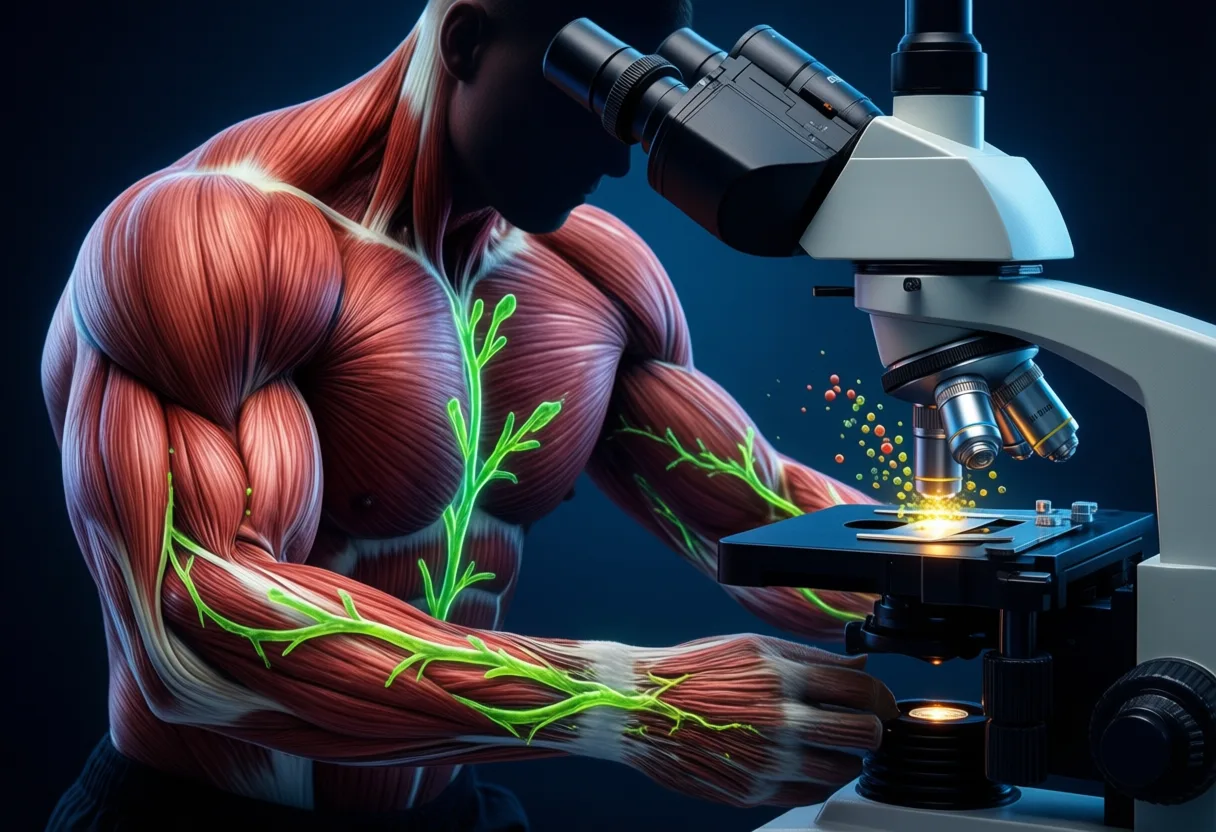

What Fuels The World’s Top Athletes?
Elite performance doesn’t happen by accident. Behind every record-breaking sprint, gravity-defying dunk, or Flawless routine Is a regimen fine-tuned down to the calorie, the gram, the minute.
Top athletes treat their bodies like high-performance machines-and they fuel them accordingly. It’s not just about eating Clean Or loading up on protein; it’s about precision, consistency, and strategy. The margin between good and great often comes down to what’s on the plate.
Consider this: the pros don’t just train harder-they recover smarter, time their nutrients deliberately, and prioritize quality over convenience. Their edge isn’t just physical. It’s Nutritional.

The Science Behind Performance Nutrition
Nutrition isn’t just about energy-it’s about signaling. The foods you eat send messages to your cells, telling them whether to burn fat, build muscle, or store fuel.
Research shows that macronutrient composition, meal timing, and hydration status directly influence strength gains, endurance capacity, and recovery speed. The body adapts to stress only when it has the raw materials to do so.
- Carbohydrates replenish glycogen stores depleted during intense effort
- Protein supplies amino acids critical for muscle repair
- Fats support hormone production, including testosterone and cortisol regulation
This isn’t guesswork. The body operates on biochemical rules. When you align your diet with those rules, progress follows.
Why What You Eat Matters More Than You Think
You can train with the intensity of a champion, but without the right fuel, your results will stall. Muscle doesn’t grow in the gym-it grows at the dinner table.
Every bite either supports adaptation or hinders it. A meal high in processed sugars may give a short-term energy spike, but it crashes hard-leaving you sluggish and sore longer. In contrast, balanced, whole-food meals sustain energy and support recovery.
Many athletes focus on workouts and overlook the kitchen. But your body can’t build muscle without protein, can’t sustain effort without glycogen, and can’t recover without restorative nutrients.

How Nutrient Timing Transforms Training Results
Timing isn’t everything-but it’s a big part of the equation. Your body’s ability to absorb and use nutrients shifts depending on when you eat.
The post-workout window is especially critical. After training, muscles are primed to take in glucose and amino acids, making it the ideal time to replenish and rebuild.
- Pre-workout: A balanced mix of carbs and protein fuels performance and reduces muscle breakdown
- Intra-workout: For long sessions, small amounts of fast-digesting carbs maintain energy
- Post-workout: Protein and carbs together maximize recovery and glycogen resynthesis
But don’t obsess over the clock. Consistency over time beats perfect timing once in a while.
The Role of Macronutrients in Sustained Athletic Output
Macronutrients aren’t one-size-fits-all-but they’re non-negotiable. Carbohydrates, protein, and fat each play a distinct role in powering performance.
Carbohydrates are the primary fuel for high-intensity work. Without enough, your energy tanks, your focus fades, and your reps suffer.
Protein isn’t just for bodybuilders. It’s essential for tissue repair, immune function, and maintaining lean mass-especially under heavy training loads.
Fats often get a bad rap, but they’re vital. They support hormone balance, cushion organs, and provide long-burning energy, especially during lower-intensity efforts.
Hydration: The Overlooked Component of Peak Conditioning
You can eat the perfect diet, but if you’re dehydrated, your performance plummets. Water isn’t just a side note-it’s foundational.
Even mild dehydration-just 2% body weight loss from fluid-can impair strength, focus, and endurance. In hot environments or long sessions, the drop-off is even steeper.
Electrolytes matter too. Sodium, potassium, and magnesium help regulate fluid balance and nerve signaling. Plain water won’t cut it during prolonged effort.
- Weigh yourself before and after training to gauge fluid loss
- Drink regularly throughout the day-don’t wait for thirst
- Monitor urine color: pale yellow is ideal
Hydration isn’t dramatic. But it’s one of the cheapest, easiest performance upgrades you can make.
Strategic Fueling for Endurance vs. Power Sports
Endurance athletes and power athletes don’t eat the same-and for good reason. Their demands are fundamentally different.
Endurance sports-like distance running or cycling-rely heavily on aerobic metabolism. These athletes need steady carbohydrate delivery and efficient fat utilization over hours.
Power athletes-think sprinters, weightlifters, football players-depend on short bursts of maximal effort. Their fueling prioritizes glycogen stores, rapid recovery, and muscle preservation.
- Endurance focus: Higher carb intake, moderate protein, strategic fat
- Power focus: Balanced carbs, high protein, nutrient timing around training
Tailoring your intake to your sport isn’t optional. It’s the difference between hitting a wall and finishing strong.
Recovery Nutrition: Repair, Rebuild, Repeat
Recovery isn’t passive. It’s an active process that requires specific nutrients at specific times.
After intense training, muscles are damaged, glycogen is low, and inflammation is elevated. Without proper nutrition, repair slows-and so does progress.
Protein intake post-workout helps kickstart muscle protein synthesis. Carbohydrates restore energy stores. And micronutrients like vitamin C, zinc, and magnesium support immune and cellular function.
Sleep and rest matter, yes. But without the right food, your body can’t take full advantage of them.
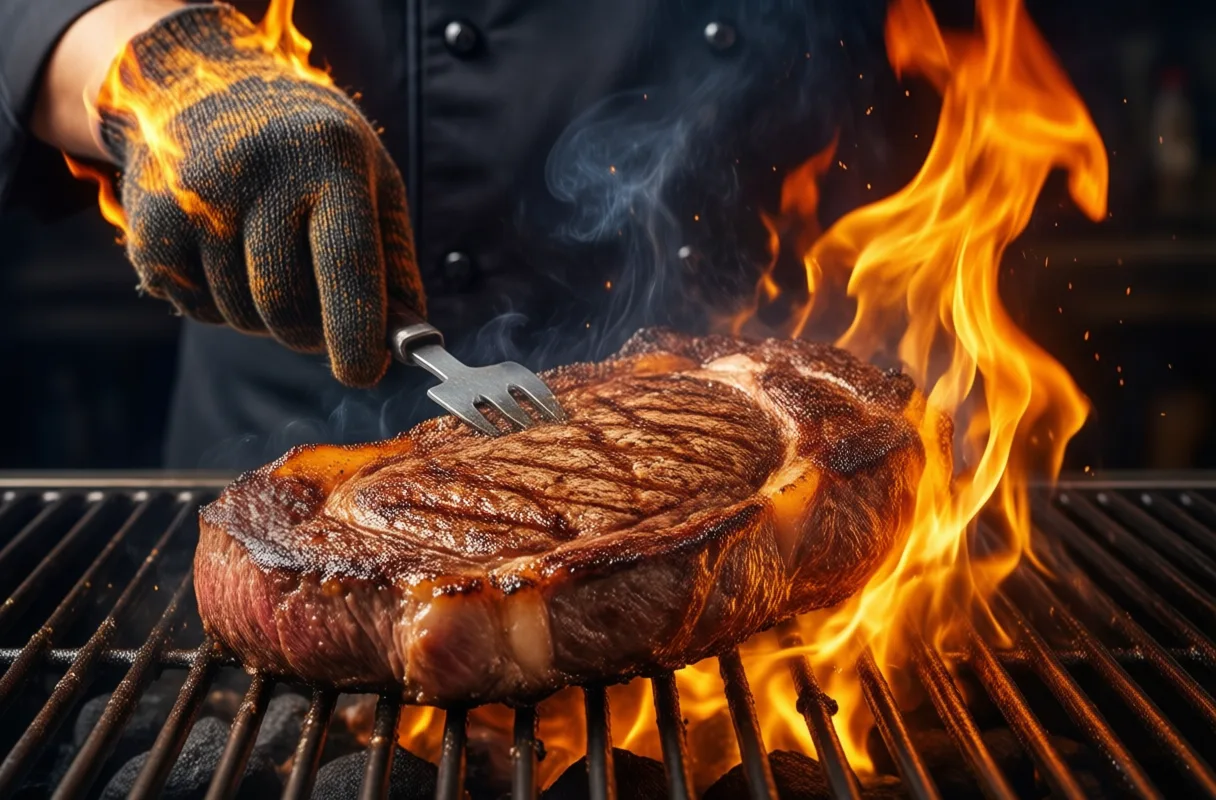
Customizing Your Plate for Individual Performance Goals
No two athletes are the same-and no two diets should be either. Your goals, body type, sport, and lifestyle shape what your plate should look like.
Want to gain muscle? You’ll need a calorie surplus with high protein and smart carb timing.
Trying to get shredded? A moderate deficit with high protein preserves muscle while fat drops.
Even your digestion matters. Some thrive on frequent small meals. Others do better with fewer, larger ones. The key is consistency and adjustment.
Avoiding Common Dietary Pitfalls That Sabotage Progress
Even with the best intentions, many athletes fall into traps that stall progress.
Skipping meals leads to energy crashes and muscle loss. Over-relying on supplements ignores the power of whole foods. And extreme diets often backfire-killing performance and motivation.
Another silent killer? Under-eating. Some think less food means faster fat loss. But without enough fuel, metabolism slows, recovery suffers, and strength drops.
Listen to your body. Track your energy, performance, and recovery. Adjust before problems become setbacks.
Beyond the Hype: Separating Myths from Real Results
The fitness world is full of flashy promises-keto for endurance, carnivore for gains, detox teas for abs. But most don’t hold up.
Real progress comes from fundamentals: enough protein, consistent training, smart timing, and long-term habits.
Intermittent fasting might work for some-but not if it leaves you weak in the gym. Plant-based diets can support performance-but require planning to avoid deficiencies.
Don’t chase trends. Build a system that supports your goals, lifestyle, and results.
Putting It All Together: A Blueprint for Everyday Athletes
You don’t have to be a pro to eat like one. Start with these principles:
- Eat enough protein-0.8 to 1 gram per pound of body weight daily
- Time carbs around workouts for energy and recovery
- Stay hydrated-especially on training days
- Prioritize whole foods over processed ones
- Adjust based on how you feel, perform, and recover
Progress isn’t about perfection. It’s about direction. Small, consistent choices compound into massive results.
You want to look great, feel strong, and perform at your best. That doesn’t come from a magic pill. It comes from what you eat-and when you eat it.
Now go eat like an athlete. Your future self will thank you.
Powering Performance with Smart Fuel
The Science Behind the Fuel
Ever wonder why elite athletes seem to have endless energy? It’s not magic-it’s math and molecules. The body runs on calories, but not all calories are created equal when you're pushing limits. Carbohydrates are the go-to for quick energy, especially during high-intensity workouts, because they’re broken down fast into glucose. Meanwhile, protein isn’t just for building muscle-it helps repair the tiny tears that happen during training, which is how strength actually develops over time.
What Your Gut Really Wants
Here’s a fun twist: your gut health can impact performance more than you’d think. Friendly bacteria in your digestive tract help absorb nutrients and even influence inflammation. Some sports nutrition hubs include probiotics in recovery formulas not just for digestion, but to support consistent training by keeping the body in balance. And while it sounds odd, some research suggests that even the smell of certain carbs during endurance events can boost performance-your brain responds to the signal, even if you haven’t swallowed anything yet.
Hydration Is More Than Just Water
You’ve heard “stay hydrated,” but did you know sweat isn’t just water? It’s packed with electrolytes like sodium and potassium, which are crucial for nerve and muscle function. Skip them, and you might hit a wall faster-or worse, cramp up mid-race. That’s why many performance blends include these minerals. And here’s a quirky fact: some elite athletes use salt loading before long events in hot climates, kind of like a pre-emptive strike against dehydration. It sounds old-school, but it’s grounded in how the body manages fluid balance under stress.
Frequently Asked Questions
Why is nutrient timing important for athletes?
Nutrient timing helps optimize performance and recovery. The body absorbs and uses nutrients more effectively at certain times, especially post-workout when muscles are primed to replenish glycogen and repair with protein.
How does hydration impact athletic performance?
Even mild dehydration, such as a 2% loss of body weight from fluid, can impair strength, focus, and endurance. Electrolytes like sodium and potassium are essential for maintaining fluid balance and nerve function.
What role do macronutrients play in athletic performance?
Carbohydrates fuel high-intensity work, protein supports muscle repair and immune function, and fats aid hormone production and provide sustained energy, especially during lower-intensity efforts.
How should endurance and power athletes differ in their nutrition?
Endurance athletes need higher carb intake for steady energy over hours, while power athletes focus on balanced carbs, high protein, and nutrient timing to support glycogen stores and rapid recovery.
This article was produced with AI assistance. How Chiseled Magazine uses AI.
Jin-ho examines how fitness integrates into daily life and evaluates performance gear with a critical eye. He investigates recovery tools, wearable tech, and routines that bridge gym gains with real-world resilience, always prioritizing function over hype.