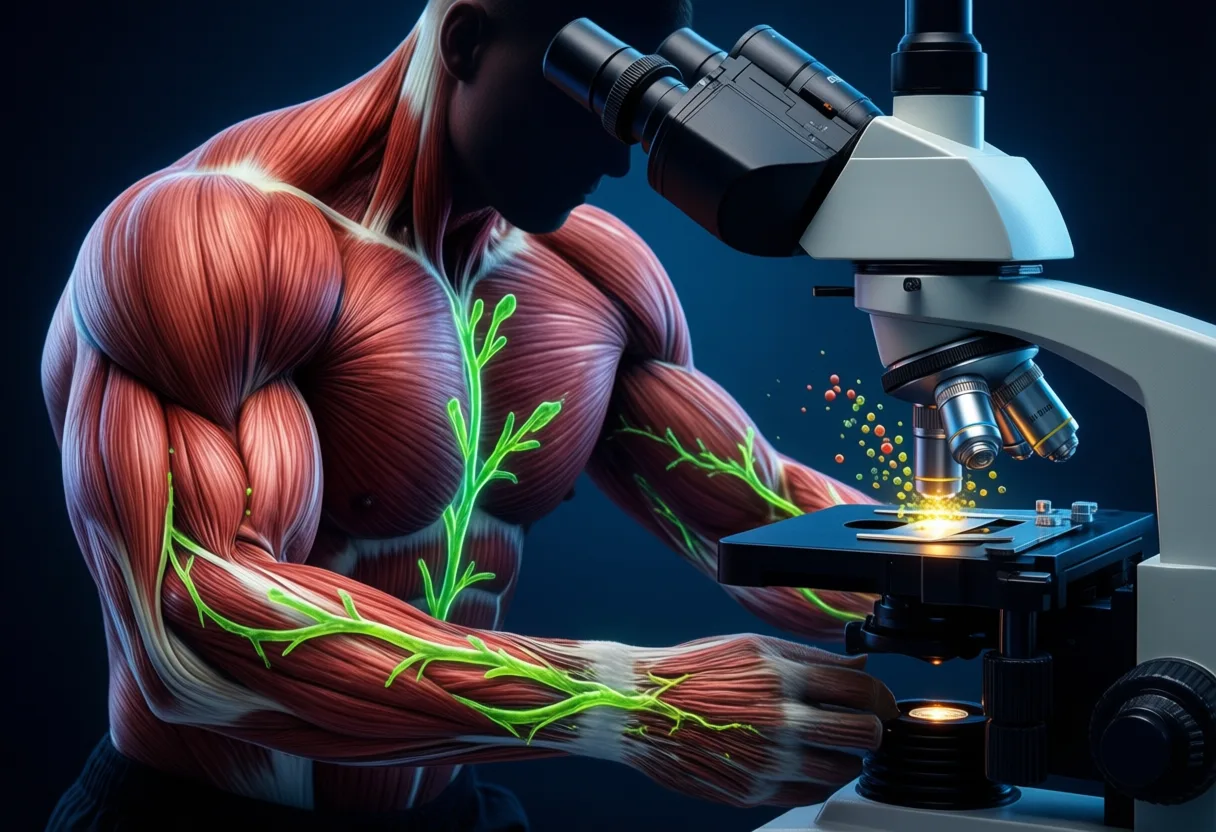

Your body is a machine built for power, strength, and endurance. What you Fuel It with determines how hard it can push, how fast it recovers, and how sharply it performs.
This is not about quick fixes. This is about Precision, consistency, and science-backed strategy - the kind that Builds muscle, burns fat, and forges athletes with chiseled physiques and unstoppable drive.
The Foundation of Sports Nutrition
Nutrition Is not secondary to training - it is training. Every rep you do breaks muscle down. Every meal rebuilds it stronger.
The human body runs on macronutrients: protein, carbohydrates, and fats. Each plays a non-negotiable role in performance and recovery.
Protein Supports muscle repair and growth. It helps maintain lean mass during intense training cycles and caloric deficits. Athletes need more than the average person - timing and quality matter.
Carbohydrates Are the primary fuel for high-intensity work. They refill muscle glycogen, power sprints, sets, and endurance. Without enough, performance drops - fast.
Fats Support hormone production, joint health, and long-term energy. They are essential, not enemy. Skimping hurts testosterone and recovery.
- Aim for balanced distribution across meals
- Prioritize whole, minimally processed foods
- Match intake to training volume and goals
This isn’t guesswork. It’s physiology. Your body responds to what you give it - nothing more, nothing less.
Timing Matters: When You Eat Is Part of the Plan
You don’t just eat to satisfy hunger. You eat to trigger adaptation.
The window around your workout is critical. What you consume before and after shapes recovery, strength gains, and fat loss.
Pre-workout nutrition Should include carbs and protein. A small meal 1–2 hours before training fuels performance. Think oats with whey, or rice with chicken.
Post-workout nutrition Helps switch your body from breakdown to rebuild. Within 60 minutes, consume protein and carbs. This replenishes glycogen and starts muscle repair.
Some thrive on fasted training. Others crash. Know your body. But if performance is the goal, fuel wins.
- Eat protein every 3–4 hours to sustain muscle synthesis
- Don’t skip meals - consistency drives results
- Hydration is part of timing - water before, during, after
Your meals are not isolated events. They are links in a chain - each one pulling you closer to peak performance.

Protein: The Muscle Builder
Muscle doesn’t grow without protein. It’s that simple.
Your body breaks protein into amino acids - the raw materials for new tissue. Without enough, gains stall - no matter how hard you train.
Leucine, one of the essential amino acids, is the trigger for muscle protein synthesis. Foods rich in leucine - like eggs, meat, dairy, and whey - are powerful tools.
How much do you need? Research shows athletes benefit from 1.6 to 2.2 grams per kilogram of body weight daily. More isn’t always better - but too little holds you back.
Spread intake across the day. One large dose won’t cut it. Your body can only use so much at once.
- 20–40 grams per meal is ideal for most
- Combine animal and plant sources for full amino acid profile
- Use protein to stay full and preserve muscle in cuts
This is not about bulk. It’s about Structure - building a body that performs and looks the part.
Carbohydrates: Fuel for Fire
You want intensity? Power? Explosiveness? You need carbs.
They turn into glucose - stored as glycogen in muscles and liver. When you sprint, lift, or go all out, that’s what your body burns.
Low glycogen means low performance. Period.
Endurance athletes need more. Strength athletes still need enough. Cutting carbs slashes energy, focus, and recovery.
Not all carbs are equal. Choose complex sources - oats, sweet potatoes, rice, fruit - over refined junk.
- Time carbs around workouts for best use
- Reduce intake on rest days if fat loss is the goal
- Don’t fear carbs - fear poor choices
A shredded physique doesn’t come from starvation. It comes from Strategic fueling - feeding effort, not fear.

Fats: The Silent Support System
Fats don’t make you slow. They make you Hormonally ready.
Testosterone, cortisol regulation, brain function - all depend on dietary fat.
Cut fats too low and you sabotage recovery, mood, and libido. That’s not sustainable. That’s self-sabotage.
Aim for healthy sources: avocados, nuts, seeds, olive oil, fatty fish. These support heart health and joint function.
Saturated fats - from meat, eggs, dairy - aren’t villains. They’re part of a balanced intake.
- Keep fats at 20–35% of total calories
- Avoid trans fats - they offer nothing
- Use fats to add flavor and satiety
This is not bodybuilding of the past. This is Modern, intelligent nutrition - where every macronutrient has a role.
Hydration: The Forgotten Performance Factor
You can eat perfect meals. Train like a beast. But if you’re dehydrated, it all falls apart.
Water regulates temperature, lubricates joints, and transports nutrients. Even 2% dehydration cuts strength and focus.
Sweat losses vary. A hard session can dump liters of fluid. Replace it - during and after.
Electrolytes matter - sodium, potassium, magnesium. They prevent cramps and maintain balance.
- Weigh yourself before and after training - for every pound lost, drink 16–24 oz
- Monitor urine color - pale yellow is ideal
- Don’t wait to be thirsty - drink early, drink often
Hydration isn’t optional. It’s Non-negotiable For peak output.
Supplements: Tools, Not Magic
Supplements don’t replace meals. They fill gaps. That’s their job.
Whey protein Helps hit targets when whole food isn’t practical. Fast-digesting. High in leucine. Proven.
Creatine monohydrate Is one of the most researched supplements. It boosts strength, power, and muscle volume. 3–5 grams daily.
Caffeine Sharpens focus and increases work capacity. Use it pre-workout - but don’t overdo it.
Others? Beta-alanine may reduce fatigue. Omega-3s reduce inflammation. Vitamin D if you’re deficient.
- Stick to evidence-backed options
- Avoid proprietary blends with hidden doses
- No supplement builds muscle - only training and recovery do
You’re not chasing pills. You’re building a High-performance system.

Customize to Your Goals
One plan does not fit all.
Are you cutting fat? You’ll need a calorie deficit - but protect protein to keep muscle.
Are you bulking? Add calories - mostly from carbs and protein - to support growth.
Are you training endurance? Carbs become even more critical.
Track your results. Adjust based on energy, performance, and progress photos - not just the scale.
- Recalculate needs every 4–6 weeks
- Match nutrition to training phases
- Stay flexible - life changes, so should your plan
This is Your Journey. Use science. Stay disciplined. But adapt.
Recovery Is Nutrition in Action
You don’t get stronger in the gym. You get stronger when you rest - and what you eat fuels that rest.
Sleep, nutrition, and timing work together. Miss one, and the system breaks.
Eat enough. Sleep 7–9 hours. Let your body repair.
Muscle grows between workouts - not during them. Feed it right, and it will respond.
Don’t underestimate the power of consistency. Small choices, repeated, build legends.
You want six-pack abs? You want broad shoulders and a powerful back?
Then eat like an athlete. Train like a warrior. Recover like a champion.
This is how you get Chiseled.
| Macronutrient | Primary Role | Daily Intake Guidance |
|---|---|---|
| Protein | Supports muscle repair and growth | 1.6–2.2 g/kg body weight |
| Carbohydrates | Primary fuel for high-intensity work | Time around workouts; reduce on rest days if cutting |
| Fats | Support hormone production and joint health | 20–35% of total calories |
Fueling Peak Performance: The Science Behind Smart Eating
What Your Body Really Needs During Training
Ever wonder why pro athletes seem to have endless energy? It’s not magic-it’s timing. The body uses different fuel sources depending on the intensity of exercise. During short bursts of high-intensity effort, like sprinting or heavy lifting, your muscles rely mostly on stored carbohydrates in the form of glycogen. Once that starts to run low, fatigue sets in fast. That’s why maintaining carb intake before and during long workouts can make or break performance. Hydration plays a quiet but critical role too-losing just 2% of your body weight in sweat can impair focus, coordination, and endurance.
Protein: More Than Just Post-Workout
Protein gets a lot of attention for muscle repair, but the timing and distribution matter more than most think. Instead of loading up all your protein at dinner, spreading it evenly across meals-about 20–30 grams every few hours-helps maximize muscle protein synthesis throughout the day. And here’s a fun twist: your body can’t store protein like it does fat or carbs, so excess intake doesn’t build more muscle-it just gets burned for energy or turned into fat. Also, while animal sources are complete proteins, plant-based athletes can hit their targets by combining varied sources like beans, grains, and nuts over the day.
The Forgotten Micronutrients That Make a Difference
Iron and vitamin D often fly under the radar, but they’re heavy hitters in athletic performance. Iron helps carry oxygen in the blood, and low levels-especially in endurance athletes and women-can mimic overtraining symptoms like fatigue and poor recovery. Vitamin D, mostly made through sun exposure, supports bone health and immune function, and many athletes are deficient without knowing it. Magnesium is another unsung hero, involved in over 300 enzyme reactions, including those that regulate muscle contractions and energy production. A balanced diet rich in whole foods usually covers these, but intense training can increase the need. Explore more stories, videos, and creators on Loaded.
Frequently Asked Questions
How much protein should athletes consume daily?
Athletes benefit from 1.6 to 2.2 grams of protein per kilogram of body weight daily. Intake should be spread across meals, with 20–40 grams per meal being ideal for most.
Why are carbohydrates important for athletes?
Carbohydrates are the primary fuel for high-intensity work. They replenish muscle glycogen, power sprints and sets, and support endurance. Low glycogen leads to reduced performance.
What role does hydration play in athletic performance?
Hydration regulates temperature, lubricates joints, and transports nutrients. Even 2% dehydration can reduce strength and focus. Electrolytes help prevent cramps and maintain balance.
Which micronutrients are critical for athletes but often overlooked?
Iron, vitamin D, and magnesium are often overlooked. Iron supports oxygen transport, vitamin D aids bone and immune health, and magnesium regulates muscle function and energy production.
This article was produced with AI assistance. How Chiseled Magazine uses AI.
Tariq breaks down elite workout regimens with precision, translating complex routines into actionable plans. He focuses on form, progression, and the mental discipline behind peak physical performance, often drawing from interviews with strength coaches and competitive athletes across multiple sports.