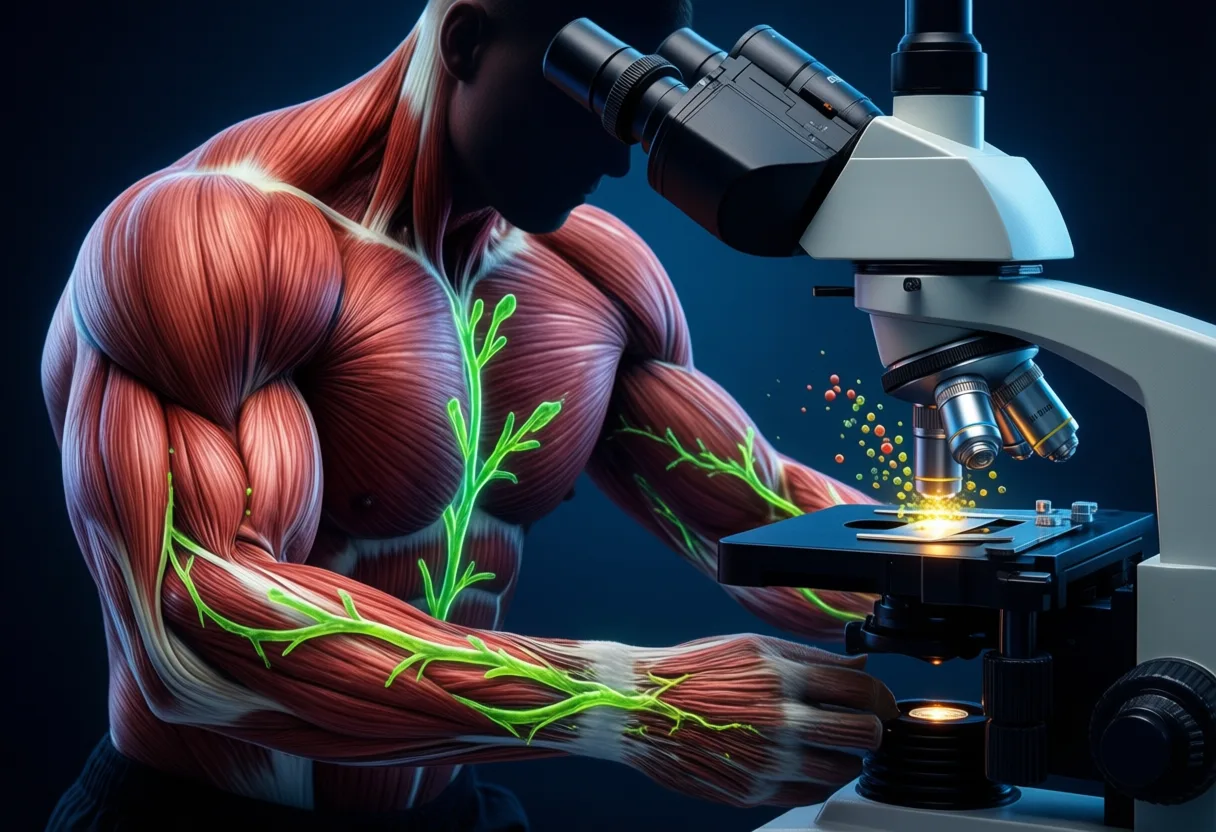

For years, lifters have chased the mythical “anabolic window” like it was hidden in the back of a gritty gym locker-elusive, debated, and possibly overrated. The latest findings in protein timing aren’t rewriting the rules so much as refining them, separating bro-science from what actually moves the needle in muscle growth and Recovery. If your goal is to build lean mass, stay strong, and walk around with that tight, chiseled look, the real story isn’t about obsessing over a 30-minute countdown-it’s about consistency, total intake, and smart planning.
The Myth of the Anabolic Window-And What Replaces It
The idea that you must slam a protein shake within 30 minutes post-workout or risk losing all your Gains Has been a staple of gym culture for decades. That narrow window, often called the “anabolic window,” was believed to be the only time your muscles were primed to absorb nutrients and start rebuilding. But recent research suggests this window is Much wider than previously thought-and for most people, it’s not the make-or-break moment we once feared.
For natural Lifters training A few times per week, the urgency to refuel immediately after a workout is overblown. Studies now show that as long as you’re consuming adequate protein throughout the day-and especially within a few hours before or after training-your muscles will get what they need. This doesn’t mean timing is irrelevant, but it means Total daily protein intake matters far more Than hitting a precise post-lift deadline.
What this shift reveals is a more flexible, sustainable approach to nutrition. You don’t need to carry a shaker bottle like a security blanket or panic if your post-workout meal is delayed. Instead, Focus On spreading your protein intake evenly across meals-aiming for about 20–40 grams per serving-to keep muscle protein synthesis elevated all day long.
Protein Distribution: The Real Game-Changer
One of the most consistent findings in recent Sports Nutrition research is the importance of Even Protein distribution Throughout the day. Most people eat very little protein at breakfast, a moderate amount at lunch, and pile it all into dinner. This uneven pattern doesn’t optimize muscle growth. Your body can only use so much protein at once-anything beyond that isn’t wasted, but it isn’t being used for muscle repair either.
Spreading protein intake across four to Five meals-hitting that 20–40 gram sweet spot each time-leads to better muscle protein synthesis over 24 hours. This approach works whether you're training fasted in the morning or doing evening hypertrophy work. It’s not about cramming more protein into your day (though most people still don’t eat enough), but about Timing it more strategically.
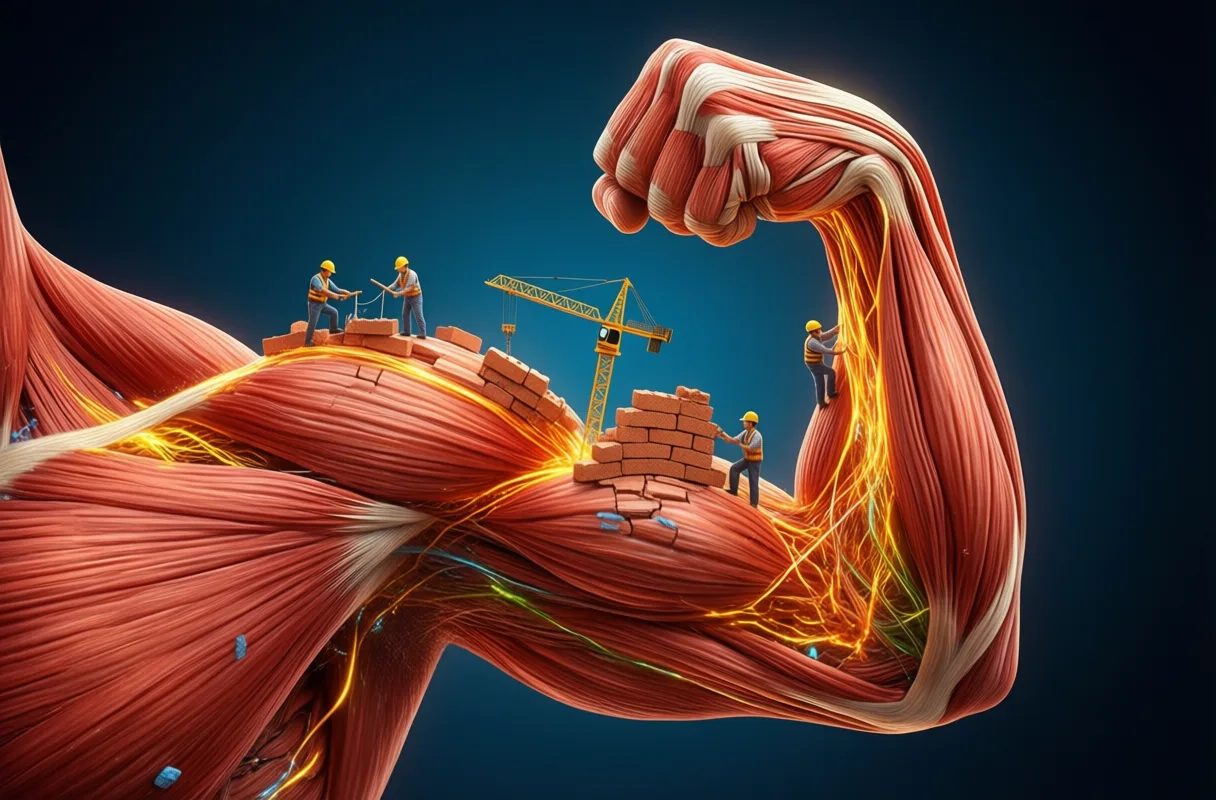
Consider this: eating 30 grams of protein four times a day is more effective for muscle growth than eating 10 grams at breakfast, 20 at lunch, and 70 at dinner. The body doesn’t store amino acids like carbs or fat-they need to be replenished regularly. Think of your muscles like a construction site: you don’t dump all the materials at once and expect the job to get done efficiently. You deliver steady supplies, shift after shift.
Pre-Workout Protein: The Underrated Move
While post-workout nutrition gets all the attention, what you eat Before Training might be just as important. Consuming protein 1–2 hours before lifting primes your muscles with amino acids, setting the stage for growth during and after your session. This pre-fuel strategy means your body isn’t scrambling to recover-it’s already in building mode.
Research shows that having protein before exercise increases muscle protein synthesis more than waiting until after. It also helps reduce muscle breakdown during intense training, especially if you’re in a calorie deficit. Whether it’s Greek yogurt, a chicken breast, or a quality protein shake, Starting your workout with amino acids in your system gives you a head start.
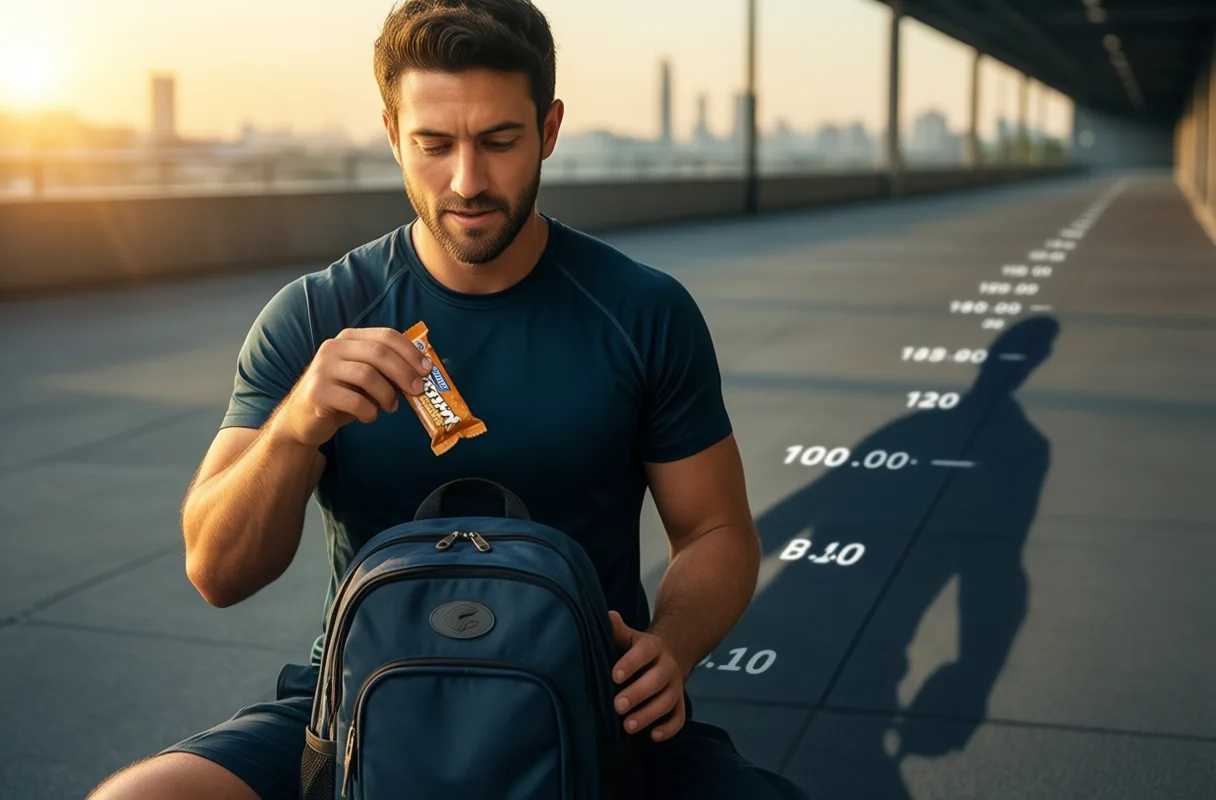
This doesn’t mean you need a full meal right before the gym. But if you’re training in a fasted state, consider a small protein-rich snack 60–90 minutes prior. For morning lifters, this could be the difference between maintaining muscle and slowly losing it over time-especially when cutting for that shredded, six-pack look.
Total Daily Intake Still Rules
No matter how perfectly you time your meals, none of it matters if you’re not hitting your daily protein target. For muscle growth and fat loss, most experts recommend 1.6 to 2.2 grams of protein per kilogram of body weight per day-and some may benefit from even more, depending on activity level and goals.
That number isn’t magic, but it’s backed by years of consistent evidence. Whether you’re 180 pounds and aiming to pack on lean mass or 200 pounds and cutting down to single-digit body fat, your body needs a steady supply of high-quality protein. This means prioritizing whole foods like eggs, lean meats, fish, dairy, and legumes-and using supplements when necessary.
Tracking your intake for a few days can be eye-opening. Many people think they’re eating enough protein, only to find they’re falling short-especially at breakfast and snacks. Fixing those gaps is often the fastest way to see better results in strength, recovery, and physique.

Practical Takeaways for Real People
You don’t need a PhD in nutrition to build an impressive, chiseled body. But you do need to move beyond outdated myths and focus on what actually works. Here’s how to apply the latest findings without turning your life into a lab experiment:
- Aim for 20–40 grams of protein per meal, across 3–5 meals per day.
- Don’t stress over immediate post-workout shakes-just make sure you eat a protein-rich meal within a few hours.
- Prioritize pre-workout protein, especially if you train in the morning or fasted.
- Hit your daily total first, then fine-tune timing if needed.
- Choose high-quality sources-your body responds better to complete proteins with all essential amino acids.
The goal isn’t perfection. It’s progress. You’re not trying to win a science fair-you’re trying to build a body that turns heads, feels strong, and performs at its peak. And for that, consistency beats precision every time.
Final Rep: Train Smart, Eat Smarter
Let’s be real: no single meal will transform your physique. But the way you structure your protein intake over weeks and months absolutely will. The latest research doesn’t overthrow what we know-it sharpens it. It tells us to stop obsessing over arbitrary deadlines and start building sustainable habits.
You want that V-taper. You want visible abs. You want to walk into the gym knowing you’re built different. That doesn’t come from one magic shake or a perfectly timed supplement stack. It comes from showing up, lifting heavy, and feeding your body what it needs-consistently, intelligently, and without gimmicks.
So forget the hype. Focus on the fundamentals. Eat your protein, spread it out, and trust the process. The results won’t lie.
| Strategy | Key Benefit |
|---|---|
| Even protein distribution (20–40g per meal) | Boosts 24-hour muscle protein synthesis |
| Pre-workout protein (1–2 hours before training) | Reduces muscle breakdown, supports growth |
| Post-workout nutrition within a few hours | Supports recovery without urgency |
| Total daily intake of 1.6–2.2g/kg body weight | Essential for muscle growth and fat loss |
What We’re Learning About Fueling Performance
The Protein Pulse: Timing’s Tiny Edge
Turns out, your body doesn’t run on strict meal alarms. Recent findings suggest the old rule of chugging a protein shake within 30 minutes post-workout isn’t as critical as once thought. Muscles stay sensitive to protein for hours after exercise, meaning your lunch an hour later still counts toward recovery. That said, spreading protein intake evenly across meals-say, 20-40 grams every few hours-seems more effective for building and maintaining muscle than loading up at dinner alone.
Here’s a fun twist: some research hints that your gut might adapt over time. Athletes who consistently time their protein intake may develop a digestive rhythm that makes nutrient absorption slightly more efficient during key windows. And while whole foods like chicken or Greek yogurt work great, powdered options give a practical boost when you're on the move-not magic dust, but definitely convenient. Bottom line? Consistency over perfection wins every time in long-term gains. Explore more stories, videos, and creators on Loaded.
Frequently Asked Questions
Is the anabolic window real and how long does it last?
Recent research shows the anabolic window is much wider than previously believed. For most natural lifters, muscles remain sensitive to protein for hours after exercise, making the strict 30-minute window less critical.
How much protein should I eat per meal for muscle growth?
Aim for 20–40 grams of protein per meal. Spreading protein intake evenly across 3–5 meals supports sustained muscle protein synthesis throughout the day.
Is pre-workout protein important for muscle growth?
Yes, consuming protein 1–2 hours before training primes muscles with amino acids. It helps reduce muscle breakdown and supports growth during and after exercise.
Does total daily protein intake matter more than timing?
Yes, hitting your daily protein target is more important than precise timing. Most experts recommend 1.6 to 2.2 grams of protein per kilogram of body weight per day for muscle growth and recovery.
This article was produced with AI assistance. How Chiseled Magazine uses AI.
Jin-ho examines how fitness integrates into daily life and evaluates performance gear with a critical eye. He investigates recovery tools, wearable tech, and routines that bridge gym gains with real-world resilience, always prioritizing function over hype.