Why Joint Health Dictates Athletic Longevity
Your joints are the silent engines of every rep, sprint, and lift. They don’t flex or Contract like Muscles, but they carry the full weight of your ambition-season after season. When they creak, ache, or stiffen, your progress doesn’t just slow. It halts.
Strength isn’t just built in the gym. It’s preserved in the quiet moments between workouts, when your body repairs, adapts, and prepares to go harder. Joint health is the foundation of that resilience. Without it, even the most chiseled physique becomes a monument to past effort, not future potential.
Think of your knees, shoulders, and hips like high-performance hinges on a steel door. Lubricated and smooth, they swing effortlessly. But neglect them, and every movement becomes a grind. The best athletes don’t wait for pain to act-they protect their joints like they protect their Gains. Because in the long game, mobility is muscle.
The Hidden Cost of Inflammation in Recovery Cycles
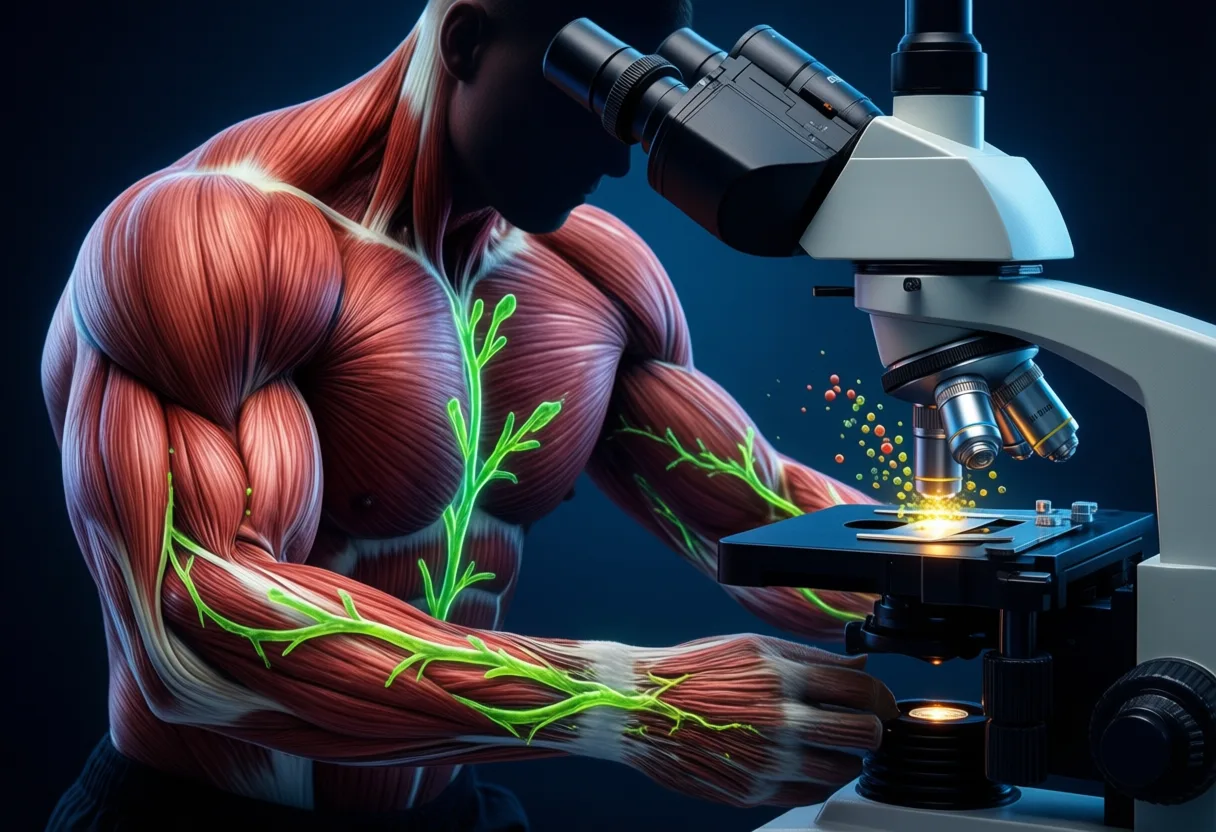
Inflammation isn’t the enemy. In fact, it’s part of the repair process-your body’s way of signaling damage and mobilizing healing. But when inflammation becomes chronic, it shifts from helper to hindrance. It lingers like smoke after a fire, clouding Recovery And slowing regeneration.
This low-grade, persistent inflammation can dull your energy, prolong soreness, and make joints feel stiff and swollen. It’s not dramatic. You won’t wake up in crisis. But over time, it steals reps, reduces range of motion, and turns recovery into a guessing game. You train hard, yet feel like you’re moving through syrup.
And here’s the real cost: when inflammation hijacks your recovery, your body never fully resets. Muscles stay tight, connective tissues thicken, and small imbalances grow into nagging issues. The result? Missed workouts, compromised form, and a growing fear of pushing limits. That’s not a plateau-that’s a breakdown in slow motion.

How Omega-3s Target the Root of Joint Discomfort
Omega-3 fatty acids don’t just soothe joint discomfort-they go after its source. These essential fats work at the cellular level, helping to balance the body’s inflammatory response. Instead of masking pain, they help calm the internal environment where discomfort begins.
Two key types-EPA and DHA-play starring roles. They integrate into cell membranes, increasing fluidity and improving communication between cells. This means immune signals are clearer, and the body can respond more precisely-turning off inflammation when it’s no longer needed.
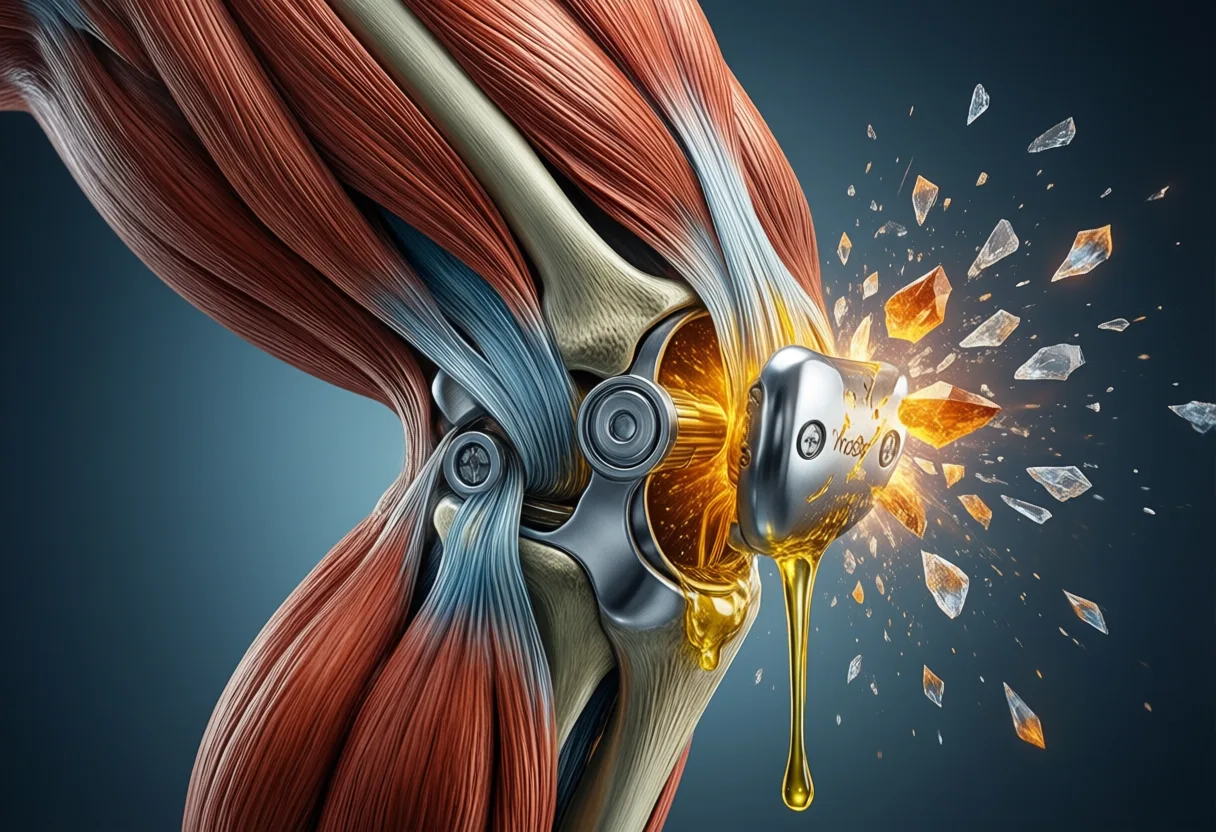
Imagine your joints as a well-tuned engine. Omega-3s are like high-quality oil that reduces friction, prevents overheating, and keeps everything running smoothly. Over time, this means less stiffness, more fluid movement, and a greater ability to recover from intense training. It’s not about quick relief-it’s about lasting resilience.
Beyond Fish Oil: Modern Delivery Systems in Sports Formulas
Not all omega-3s are delivered the same way. Traditional fish oil capsules have long been a staple, but modern sports nutrition has evolved. New delivery systems-like triglyceride-form omega-3s and emulsified liquids-offer better absorption and fewer digestive issues.
Some formulas now include added antioxidants to protect the delicate fats from oxidation, ensuring more of what you take actually reaches your cells. Others combine omega-3s with complementary nutrients like vitamin D or astaxanthin to Support joint And immune function together.
The goal is simple: maximize bioavailability and minimize waste. When your body absorbs more, you need less to feel the benefits. That means fewer pills, less fishy aftertaste, and a more consistent presence of omega-3s in your system-exactly what active bodies need.
When Recovery Stalls: Omega-3s as a Reset Mechanism
You’ve done everything right-trained hard, slept well, eaten clean-but your body just isn’t bouncing back. Soreness lingers. Joints feel stiff. Workouts feel heavier. This is the point where many athletes push harder, but the smarter move is to reset.
Omega-3s can act as a metabolic reset button. By helping to lower background inflammation, they create a cleaner internal environment for recovery. It’s like clearing the fog so your body can finally hear the signals to repair and rebuild.
Over a few weeks, consistent omega-3 intake can shift your baseline. You might notice mornings feel easier, your warm-ups are smoother, and your energy stays steadier. This isn’t magic-it’s physiology working as it should. And when your recovery system is optimized, progress returns.

The Dosage Debate: Finding the Athletic Threshold
How much omega-3 do you really need? There’s no one-size-fits-all answer, but athletes generally require more than sedentary individuals. The amount that supports joint comfort and recovery often exceeds basic dietary recommendations.
Most experts agree that a daily intake in the range of several hundred to over a thousand milligrams of combined EPA and DHA is effective for active individuals. The exact amount depends on body size, training intensity, and current joint health.
Splitting the dose-taking some in the morning and some at night-can help maintain steady levels throughout the day. And consistency matters more than mega-dosing once in a while. Think of it like compound interest: small, daily deposits build long-term strength.
Common Myths That Undermine Omega-3 Benefits
One of the biggest myths? That all omega-3s are the same. Plant-based ALA, found in flax and chia, is valuable but doesn’t deliver the same joint-supporting effects as marine-sourced EPA and DHA. Your body converts only a small amount, so relying solely on seeds won’t cut it for athletes.
Another misconception: if you’re not in pain, you don’t need omega-3s. But prevention is the whole point. Waiting until joints ache is like waiting to oil your car engine after the warning light comes on. Support your body before it starts to grind.
And no, more isn’t always better. Extremely high doses without medical supervision can interfere with blood clotting and immune response. Stick to evidence-based ranges and focus on quality, not just quantity.

Practical Integration: From Supplements to Food-Based Strategies
The best approach combines food and supplements. Fatty fish like salmon, mackerel, and sardines are rich in EPA and DHA. Aiming for two to three servings per week gives you a strong foundation.
For days when fish isn’t on the menu, a high-quality supplement fills the gap. Look for products that specify the amounts of EPA and DHA on the label, and store them properly-away from heat and light-to preserve freshness.
You can also boost absorption by taking omega-3s with a meal that contains fat. This isn’t just practical-it’s smart physiology. And if you’re sensitive to taste or digestion, try refrigerating capsules or opting for flavored liquid forms.
What Top-Tier Programs Get Right About Daily Protocols
Elite training programs don’t treat recovery as an afterthought. They build it into the daily rhythm-just like warm-ups, hydration, and protein intake. Omega-3s are part of that non-negotiable stack.
These athletes take their omega-3s at the same time every day, often with breakfast or dinner. This consistency keeps blood levels stable and maximizes cellular integration. They don’t skip days, even when travel or fatigue hits.
They also pair omega-3s with other recovery pillars: sleep, mobility work, and hydration. It’s never one magic bullet-it’s the synergy of smart habits. And over time, that consistency becomes what separates the good from the great.
The Real Measure of Success: Mobility That Lasts Beyond Seasons
True success isn’t just how you look in the mirror this summer. It’s how you feel five years from now-when you can still lift heavy, move freely, and train without fear. That’s the kind of longevity omega-3s help build.
Mobility is the invisible muscle. It doesn’t flex for photos, but it powers every rep, every sprint, every comeback. When your joints move with ease, your body stays open to growth.
So train hard. Chase the pump, the burn, the breakthrough. But honor your recovery just as fiercely. Because the ultimate goal isn’t just to get shredded-it’s to stay strong, capable, and unstoppable for seasons to come.
Why Omega-3s Are a Game-Changer for Active Bodies
More Than Just Fish Oil
Omega-3 fatty acids aren't just trendy supplements-they’ve been part of human diets for thousands of years, long before bottles hit store shelves. Ancient coastal communities got their fill naturally through fish, shellfish, and marine mammals, unknowingly supporting joint mobility and recovery with every meal. Today, athletes rely on concentrated forms to meet higher demands, but the core benefit remains the same: these fats help calm natural inflammation that follows intense training.
Tiny Fats, Big Impact on Movement
The two key omega-3s-EPA and DHA-are building blocks for compounds that regulate how the body responds to physical stress. Think of them as peacekeepers in your joints: when exercise causes micro-damage (a normal part of building strength), omega-3s help balance the response so recovery stays on track without excess swelling or stiffness. That’s why many active people notice easier movement and less post-workout soreness after consistent intake.
Not All Sources Are Created Equal
While flaxseeds and walnuts contain a type of omega-3 called ALA, the body converts only a small amount into the active EPA and DHA forms. Fatty fish like salmon, mackerel, and sardines are far more efficient sources. For those who don’t eat fish, algae-based supplements offer a plant-powered alternative that delivers DHA directly-making it a solid choice for vegetarians and vegans aiming to support joint comfort and tissue repair. Explore more stories, videos, and creators on Loaded.
Frequently Asked Questions
How do omega-3s support joint health and recovery?
Omega-3 fatty acids help balance the body’s inflammatory response at the cellular level, reducing stiffness and supporting smoother joint movement. EPA and DHA, in particular, improve cell membrane fluidity and aid in recovery after intense training.
What are the best sources of effective omega-3s for athletes?
Fatty fish like salmon, mackerel, and sardines are rich in EPA and DHA. For non-fish eaters, algae-based supplements provide a plant-powered source of DHA, while flax and chia offer less efficiently converted ALA.
How much omega-3 should an athlete take daily?
Athletes typically need several hundred to over a thousand milligrams of combined EPA and DHA daily. The exact amount depends on body size, training intensity, and joint health, with consistent daily intake being more effective than occasional high doses.
Can omega-3s help if recovery has stalled despite proper training and diet?
Yes, omega-3s can act as a metabolic reset by lowering background inflammation, improving recovery conditions. Over time, this may lead to easier mornings, smoother warm-ups, and steadier energy levels.
This article was produced with AI assistance. How Chiseled Magazine uses AI.
Cassia explores the science and culture of fueling the body, from macronutrient timing to sustainable eating habits. She blends biochemical insight with real-world practicality, helping readers make smarter food choices without sacrificing enjoyment or balance.