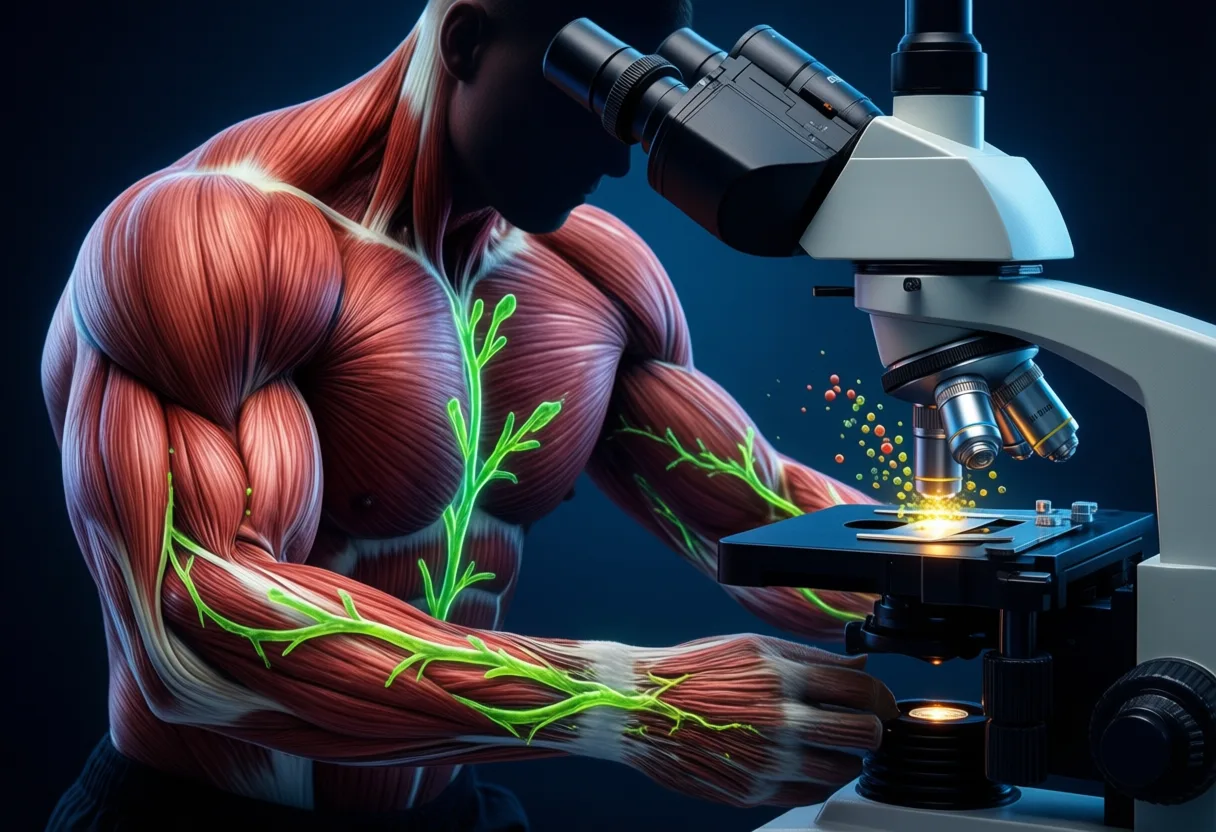

Fueling the body for peak athletic performance isn’t just about lifting heavier or training longer-it’s about what happens in the kitchen, the supplement cabinet, and the moments between sets. Today’s athletes have more access to information than ever before, but sorting science from hype remains a challenge. With Sports nutrition Online evolving rapidly, separating fact from fiction is the first step toward building a stronger, leaner, more powerful physique.
The Science of Fueling Performance
Optimal performance Starts with understanding how the body uses nutrients. Carbohydrates aren’t the enemy-they’re the primary fuel source during high-intensity training. Without sufficient glycogen stores, even the most conditioned athletes hit a wall. Protein plays a dual role: supporting muscle repair and helping maintain lean mass during intense training cycles. Fats, often misunderstood, are essential for hormone production and long-term energy.
The timing of nutrient intake can influence recovery and adaptation. Consuming protein and carbohydrates within the post-workout window supports muscle synthesis and replenishes depleted energy stores. But obsessing over a narrow “anabolic window” may be overblown-total daily intake matters more than precise timing for most athletes. Consistency over weeks and months beats perfection in a Single meal.
Hydration is another pillar that’s easy to overlook. Even mild dehydration can impair strength, focus, and endurance. Electrolyte balance becomes critical during prolonged training or in hot environments. Water alone may not suffice-sodium, potassium, and magnesium losses must be accounted for, especially in endurance athletes.
- Carbohydrates power high-intensity efforts
- Protein supports muscle recovery and growth
- Fats aid hormone regulation and sustained energy
- Hydration impacts strength, focus, and stamina

Supplements: What Works, What Doesn’t
The supplement industry is booming, but not every product delivers results. Some ingredients are backed by research, while others rely on flashy packaging and celebrity endorsements. Creatine monohydr8rate remains one of the most studied and effective supplements for increasing strength and power output. It’s not magic-just a proven tool that enhances training capacity over time.
Beta-alanine may improve endurance during repeated high-intensity efforts by buffering acid buildup in muscles. Caffeine, when used strategically, can boost focus and delay fatigue. But more isn’t always better-excessive intake leads to jitters, crashes, and disrupted sleep, which undermines recovery.
On the other hand, many “proprietary blends” offer little transparency. Without clear dosing, it’s impossible to know if active ingredients are present in effective amounts. Some products pack in filler ingredients while highlighting one or two proven compounds at sub-therapeutic doses. Buyer beware: a flashy label doesn’t guarantee results.
- Creatine: proven for strength and power
- Beta-alanine: supports high-intensity endurance
- Caffeine: enhances focus and performance
- Proprietary blends: often lack transparency
Building a Sustainable Nutrition Plan
Fad diets come and go, but long-term success comes from sustainable habits. Extreme restrictions might yield short-term results, but they often lead to burnout, muscle loss, and rebound weight gain. The best nutrition plans are flexible, balanced, and tailored to individual goals-whether that’s gaining lean mass, cutting fat, or improving endurance.
Meal planning doesn’t require gourmet skills or hours in the kitchen. Simple, whole-food meals built around lean proteins, complex carbs, and healthy fats form the foundation. Batch cooking, using portion containers, and keeping healthy snacks on hand reduce reliance on convenience foods. Small, consistent choices compound over time.
Tracking intake can be useful, especially in the beginning. But rigid calorie counting isn’t necessary forever. Learning to read hunger cues, understanding portion sizes, and recognizing how different foods affect energy and performance are skills that last a lifetime. Nutrition isn’t just about aesthetics-it’s about feeling strong, focused, and ready to dominate every workout.
- Prioritize whole, minimally processed foods
- Plan meals to avoid impulsive choices
- Use tracking as a tool, not a prison
- Focus on long-term habits over quick fixes
Navigating the Online Noise
The rise of Sports Nutrition Online means information is everywhere-but quality varies wildly. Social media influencers often promote products without disclosing sponsorships or scientific backing. Viral trends like “biohacking” or “extreme fasting” can sound impressive but lack evidence for most athletes.
Critical thinking is the best defense. Ask: Who’s making the claim? What’s their background? Is there peer-reviewed research, or just anecdotal praise? Real progress doesn’t come from secret formulas or overnight transformations-it comes from applying proven principles consistently.
Look for sources that cite research without oversimplifying. Avoid those that promise miracles or demonize entire food groups. The human body is adaptable, resilient, and responsive to smart, structured nutrition-not gimmicks.
- Question bold claims and miracle cures
- Seek transparency in sourcing and dosing
- Value consistency over shortcuts
- Trust process, not hype
Final Rep: Train Smart, Eat Smarter
There’s no single “perfect” diet for every athlete. Genetics, training style, and personal preferences all play a role. But the fundamentals remain unchanged: fuel with purpose, recover with intention, and build habits that last. Whether you’re chasing a personal record or a shredded physique, nutrition is the foundation.
The tools are available, the knowledge is accessible, and the results are within reach. Stop chasing trends. Start applying science. And remember-every meal is a chance to build a stronger, more capable version of yourself.
Train hard. Eat clean. Stay disciplined. The body you want is earned-one smart choice at a time.
| Supplement | Key Benefit |
|---|---|
| Creatine monohydrate | Increases strength and power output |
| Beta-alanine | Improves endurance during high-intensity efforts |
| Caffeine | Boosts focus and delays fatigue |
| Proprietary blends | Often lack transparency and effective dosing |
Fueling Greatness from Anywhere
The Rise of Digital Nutrition Coaching
Online sports nutrition has changed how athletes eat for success. Instead of waiting for in-person appointments, competitors now access meal plans, hydration strategies, and supplement guidance through apps and virtual consults-all from a phone or laptop. This shift means a marathoner in Denver can tweak carb intake the night before a race, while a collegiate swimmer in Miami gets real-time feedback on protein timing after practice.
Did you know some online platforms use photos of meals to analyze nutrient balance? Athletes snap a picture of their plate, and experts review portion sizes, macros, and food quality within hours. It’s like having a dietitian peek over your shoulder-no travel needed. Another cool twist: many digital programs include built-in habit trackers, so users log energy levels, sleep, and workouts alongside food intake, helping spot patterns that boost performance.
Virtual coaching isn’t just for elites. Weekend warriors and high school athletes benefit too, often at a fraction of traditional costs. With privacy settings and secure messaging, sharing health details feels safe and straightforward. And because plans adapt weekly, what works in-season can shift smoothly into recovery mode-keeping fuel aligned with goals, not guesswork. Explore more stories, videos, and creators on Loaded.
Frequently Asked Questions
What are the primary nutrients important for athletic performance?
Carbohydrates are the primary fuel for high-intensity training. Protein supports muscle repair and lean mass. Fats are essential for hormone production and sustained energy.
Are supplements like creatine and caffeine effective for athletes?
Creatine monohydrate is proven to increase strength and power. Beta-alanine may improve high-intensity endurance. Caffeine can boost focus and delay fatigue when used strategically.
How important is nutrient timing for recovery?
Consuming protein and carbs post-workout supports muscle synthesis and energy recovery. However, total daily intake matters more than precise timing for most athletes.
Can online sports nutrition coaching help athletes improve performance?
Yes, digital coaching offers meal plans, hydration strategies, and supplement guidance via apps. Some platforms analyze meal photos and track habits to personalize feedback.
This article was produced with AI assistance. How Chiseled Magazine uses AI.
Jin-ho examines how fitness integrates into daily life and evaluates performance gear with a critical eye. He investigates recovery tools, wearable tech, and routines that bridge gym gains with real-world resilience, always prioritizing function over hype.