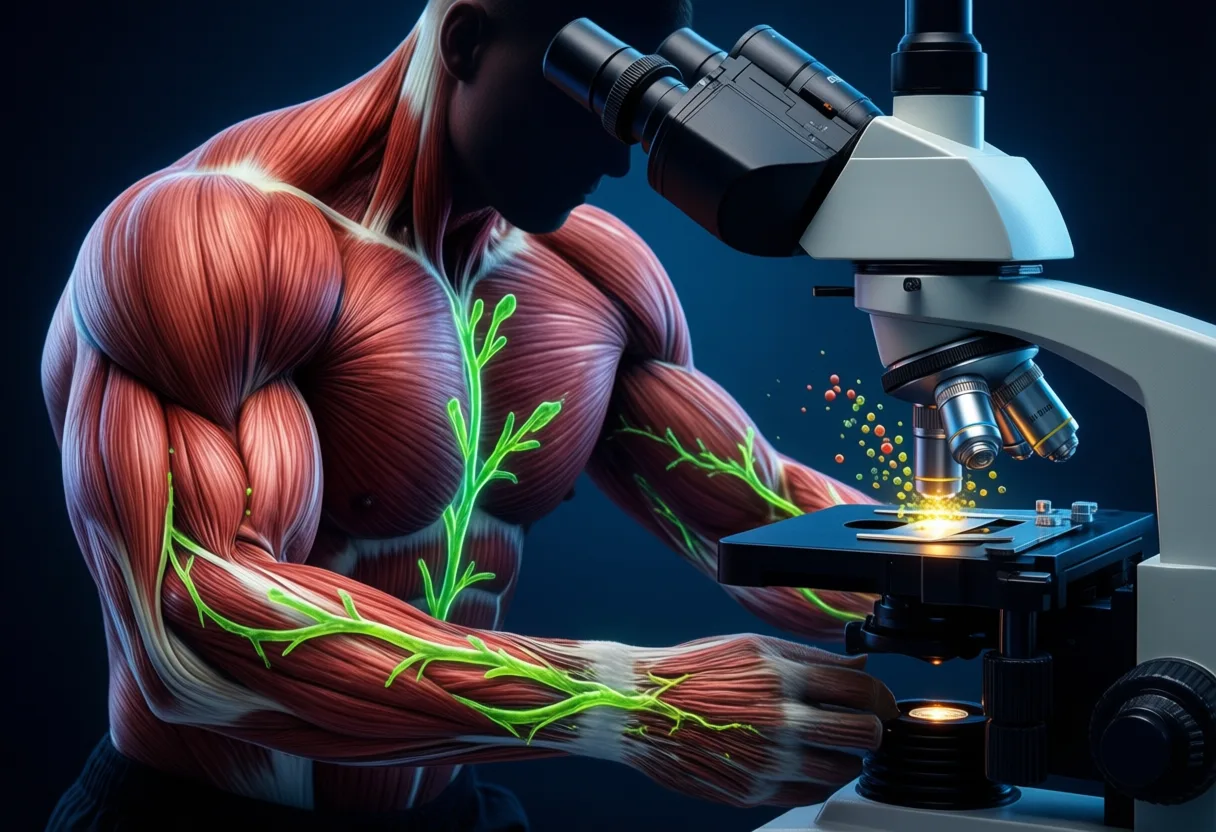

Endurance athletes Push beyond Limits. To keep going, the body demands more than sheer will-it needs precise fuel. A smart approach to nutrition separates those who fade from those who finish strong.
Why Endurance Athletes Need More Than Just Calories
Calories Provide energy, but not all calories serve the same purpose. Endurance athletes require specific nutrients in the right ratios to sustain performance and protect muscle. Simply eating more food does not guarantee better results.
The body adapts to long efforts by shifting how it uses fuel. Without proper balance, fatigue sets in earlier and recovery slows. Fuel quality directly impacts output, stamina, and resilience.
Many athletes overemphasize volume and ignore composition. This leads to Energy crashes, poor recovery, and increased injury risk. Strategic eating supports adaptation, not just survival.

The Hidden Role of Macronutrients in Sustained Performance
Macronutrients do more than power workouts-they shape how the body responds to stress. Carbohydrates, fats, and protein each play distinct roles in endurance. Ignoring one undermines the entire system.
Carbohydrates supply fast energy. Fats provide sustained output. Protein maintains structural integrity under strain. All three are non-negotiable for peak function.
Elite performers treat macronutrients as tools. They adjust Ratios based On training load, duration, and recovery needs. This precision separates average from exceptional results.
What Your Body Burns During Long-Duration Efforts
At the start of exercise, the body pulls energy primarily from stored carbohydrates. These are fast-burning and readily available. For the first 60 to 90 minutes, glycogen drives performance.
As duration increases, glycogen stores deplete. The body shifts toward fat metabolism to preserve what’s left. This transition is natural but requires training and nutritional support.
Without proper fueling, the shift becomes a crash. Athletes hit the wall when glycogen runs out and fat use isn’t efficient enough. Smart nutrition delays fatigue by managing this transition.
How Carbohydrates Power Muscles Beyond the First Hour
Carbohydrates remain critical even after the first hour of activity. They continue to support high-intensity efforts and brain function. Low glucose leads to poor focus and reduced coordination.
Consuming carbs during prolonged exercise maintains blood sugar and spares muscle glycogen. This allows athletes to sustain pace and delay exhaustion. Sources like gels, drinks, or easily digestible foods work best.
Daily intake matters just as much. Chronic low carbohydrate availability hampers training adaptation. Muscles need consistent glycogen replenishment to grow stronger.
When Fats Become a Primary Fuel Source-and Why It Matters
After two hours of steady effort, fat oxidation increases significantly. Well-trained athletes tap into fat stores more efficiently. This conserves glycogen for when it’s needed most.
Fat provides more energy per gram than carbohydrates. But it burns slower and requires more oxygen. That makes it ideal for low to moderate intensity, not sprints or surges.
Training the body to use fat effectively improves endurance. Athletes who master this balance reduce reliance on constant carb intake. Metabolic flexibility is a competitive advantage.
Protein’s Underestimated Role in Muscle Maintenance
Protein isn’t just for bodybuilders. Endurance athletes break down muscle fibers with every long session. Without repair, performance declines and injury risk rises.
Protein supports tissue turnover, enzyme production, and immune function. It also helps maintain lean mass during high-volume training. Muscle preservation is performance preservation.
Daily protein intake should be spread across meals. This maximizes muscle protein synthesis throughout the day. Skimping on protein undermines months of hard work.

Timing Is Everything: The Pre-Workout Window
What you eat before training sets the stage for everything that follows. A well-timed meal provides energy, focus, and stamina. Poor choices lead to bloating, sluggishness, or early fatigue.
Aim to eat 2–3 hours before activity. Focus on carbohydrates with moderate protein and low fat. This combination digests steadily and fuels muscles without discomfort.
If eating closer to training, choose smaller, easily absorbed options. Bananas, toast with peanut butter, or a smoothie work well. Avoid high-fiber or high-fat foods right before exercise.
Mid-Activity Fueling: How Often Should You Eat?
For efforts lasting longer than 90 minutes, fueling during activity is essential. The goal is to maintain blood glucose and delay glycogen depletion. Waiting too long leads to energy crashes.
Consume 30–60 grams of carbohydrates per hour during prolonged exercise. This can come from gels, chews, sports drinks, or real food like dates. Practice your strategy in training to avoid gut issues.
Hydration must accompany fuel. Electrolytes help retain fluid and support nerve function. Sipping every 15–20 minutes beats chugging at the end.
Post-Exercise Recovery: Rebuilding with the Right Nutrients
The period immediately after exercise is prime time for recovery. Muscles are primed to absorb nutrients and begin repair. Delaying food slows adaptation and increases soreness.
Aim to eat within 30–60 minutes post-workout. Combine carbohydrates and protein in a 3:1 or 4:1 ratio. This replenishes glycogen and jumpstarts muscle repair.
Continue balanced meals every 3–4 hours. Recovery isn’t a single meal-it’s a day-long process. Consistency builds resilience.
Common Myths That Sabotage Recovery Efforts
Many athletes believe they can out-train poor nutrition. This myth leads to burnout, stalled progress, and injury. No amount of training fixes a broken fuel system.
Another myth: more protein is always better. Excess protein doesn’t build more muscle. It either gets stored as fat or excreted. Balance and timing matter more than quantity.
Some think fasting boosts fat loss without cost. But for endurance athletes, low energy availability harms performance and recovery. Fueling properly enables transformation.
The Truth About “Fast” Versus “Slow” Digesting Proteins
Fast-digesting proteins like whey spike amino acid levels quickly. This makes them ideal after training. They deliver building blocks when muscles need them most.
Slow-digesting proteins like casein release amino acids over hours. They’re useful at night or between meals. This helps prevent muscle breakdown during fasting periods.
Both have roles in a balanced plan. Using the right type at the right time maximizes results. Match protein speed to your body’s needs.
Hydration’s Link to Nutrient Absorption and Cramp Prevention
Water isn’t just for thirst. It carries nutrients into cells and removes waste. Dehydration slows digestion and impairs recovery. Even mild fluid loss reduces performance.
Electrolytes-sodium, potassium, magnesium-regulate fluid balance and muscle function. Sweating depletes them. Replacing them prevents cramps and supports heart rhythm.
Drink consistently throughout the day. Don’t wait for thirst. Hydration is a foundation, not an afterthought.

Putting It All Together: A Daily Nutrition Framework
Success comes from consistency, not perfection. Build a simple, repeatable daily structure that supports training, recovery, and long-term progress.
Start with total energy needs. Match intake to output. Undereating stalls adaptation. Overeating adds unnecessary weight. Balance is key.
Divide calories into balanced meals with all three macros. Prioritize whole, minimally processed foods. Include fruits, vegetables, lean proteins, whole grains, and healthy fats.
Smart Choices for Real-World Training Demands
Real life isn’t a lab. Meals must fit travel, work, and training schedules. Prep ahead. Keep portable options like nuts, yogurt, or protein bars on hand.
Practice fueling strategies during long sessions. Find what your gut can handle. No new foods on race day.
Stay flexible. Adjust based on how you feel, sleep, and perform. Your body speaks-listen closely.
| Timing | Primary Goal | Recommended Intake |
|---|---|---|
| Pre-workout (2–3 hours prior) | Provide steady energy and focus | Carbs with moderate protein, low fat |
| During activity (>90 minutes) | Maintain blood glucose and delay fatigue | 30–60 grams of carbohydrates per hour |
| Immediately post-workout (30–60 min) | Replenish glycogen and repair muscle | 3:1 or 4:1 ratio of carbs to protein |
| Daily meals | Support adaptation and muscle synthesis | Balanced macros every 3–4 hours |
| Before bed or between meals | Prevent muscle breakdown | Slow-digesting protein like casein |
What Your Body Actually Needs to Keep Going
The Science of Staying Fueled
Ever wonder why bananas are a staple at marathon aid stations? It’s not just tradition-bananas pack a quick dose of natural sugars, potassium, and easy-to-digest carbs that help maintain energy and prevent cramps during long efforts. For endurance athletes, timing matters as much as content: consuming 30–60 grams of carbohydrates per hour during prolonged exercise keeps glycogen stores topped off and delays fatigue. Some athletes even train their guts to handle more-up to 90 grams per hour-by using multiple carbohydrate sources like glucose and fructose, which use different intestinal pathways for faster absorption.
Recovery Isn’t Just Rest
Recovery starts the moment you stop moving. Within 30 to 60 minutes post-exercise, your muscles are primed to replenish glycogen and repair tissue. A ratio of about 3:1 carbs to protein-like chocolate milk or a simple sandwich with fruit-can kickstart this process efficiently. And while hydration often focuses on water, sodium and electrolytes are just as critical; sweat isn’t just water loss, it’s a mix of essential minerals that need replacing, especially after sessions lasting over an hour or in hot conditions.
Weird but True Fuel Hacks
Some elite endurance athletes swear by unexpected fuel sources-like beet juice for its natural nitrates that may improve oxygen efficiency, or caffeine in precise doses (3–6 mg per kg of body weight) to sharpen focus and delay perceived effort. Even tart cherry juice has made waves for its potential to reduce muscle soreness thanks to its anti-inflammatory properties. These aren’t magic potions, but when used strategically, they can give that slight edge when every second counts. Explore more stories, videos, and creators on Loaded.
Frequently Asked Questions
How many grams of carbohydrates should endurance athletes consume per hour during prolonged exercise?
Endurance athletes should consume 30–60 grams of carbohydrates per hour during prolonged exercise. Some may train to handle up to 90 grams per hour using multiple sources like glucose and fructose.
What is the ideal carb-to-protein ratio for post-exercise recovery?
The ideal ratio for post-exercise recovery is about 3:1 or 4:1 carbohydrates to protein. This combination helps replenish glycogen and start muscle repair.
Why are fats important for endurance athletes during long efforts?
Fats become a primary fuel source after two hours of steady effort, providing sustained energy and conserving glycogen. They are especially effective for low to moderate intensity activities.
When should endurance athletes eat before training?
Athletes should eat 2–3 hours before training, focusing on carbohydrates with moderate protein and low fat. If eating closer, smaller, easily absorbed options like bananas or smoothies are recommended.
This article was produced with AI assistance. How Chiseled Magazine uses AI.
Tariq breaks down elite workout regimens with precision, translating complex routines into actionable plans. He focuses on form, progression, and the mental discipline behind peak physical performance, often drawing from interviews with strength coaches and competitive athletes across multiple sports.