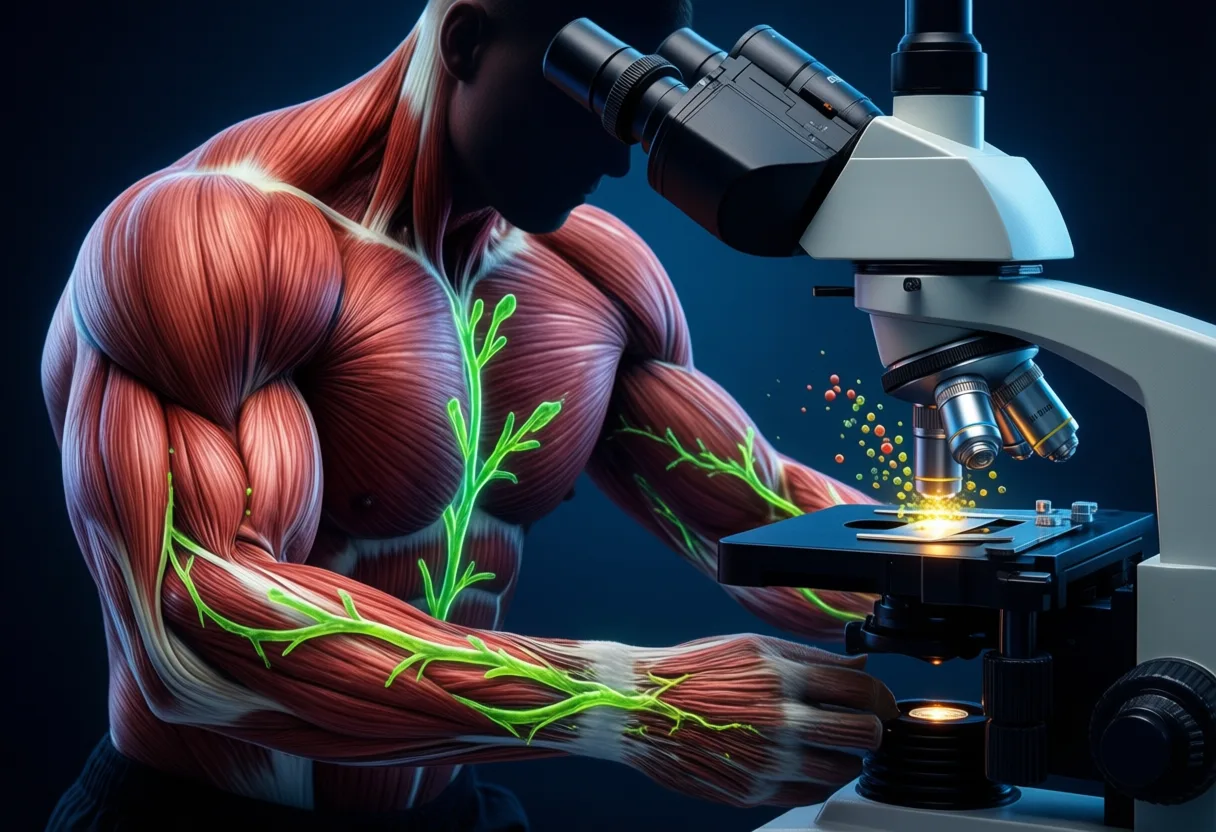
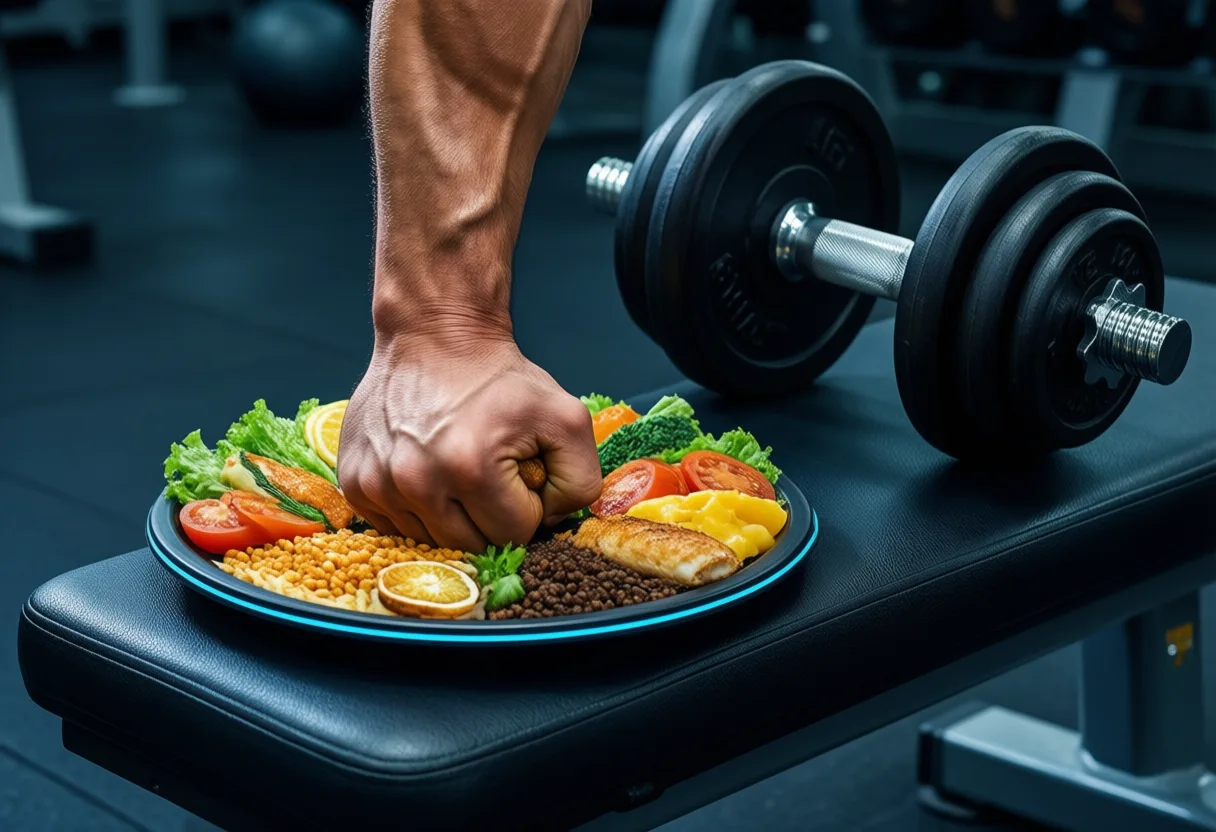
You’ve trained hard. You’ve pushed through early mornings, heavy lifts, and burning finishes. But if your plate isn’t working as hard as you do, your results are leaving gains on the table. The right balance of nutrients isn’t just about eating clean-it’s about fueling like a champion, Meal After meal.
The Science Behind Smart Fueling
Great athletes don’t just train differently-they eat differently. Every bite is a chance to rebuild muscle, sharpen focus, and power performance. Think of your body like a high-performance engine: it needs Premium fuel, delivered at the right time, in the right mix.
Protein isn’t just for muscle repair-it’s the foundation of recovery. After a tough session, your muscles are like a construction site, ready for raw materials. Lean proteins act as the bricks and beams, helping you grow stronger and denser with every recovery phase.
Carbohydrates are your body’s preferred energy source, especially during intense training. They fill your glycogen tanks, giving you that explosive power for sprints, lifts, and circuits. Without enough quality carbs, even the strongest will hit a wall.
- Protein supports muscle synthesis and repair
- Carbohydrates fuel high-intensity performance
- Healthy fats stabilize hormones and joint health
- Micronutrients sharpen recovery and immune function
Don’t fear fats. The right ones-like those from avocados, nuts, and olive oil-keep your hormones in balance and your joints moving smoothly. They’re the quiet guardians of long-term performance.
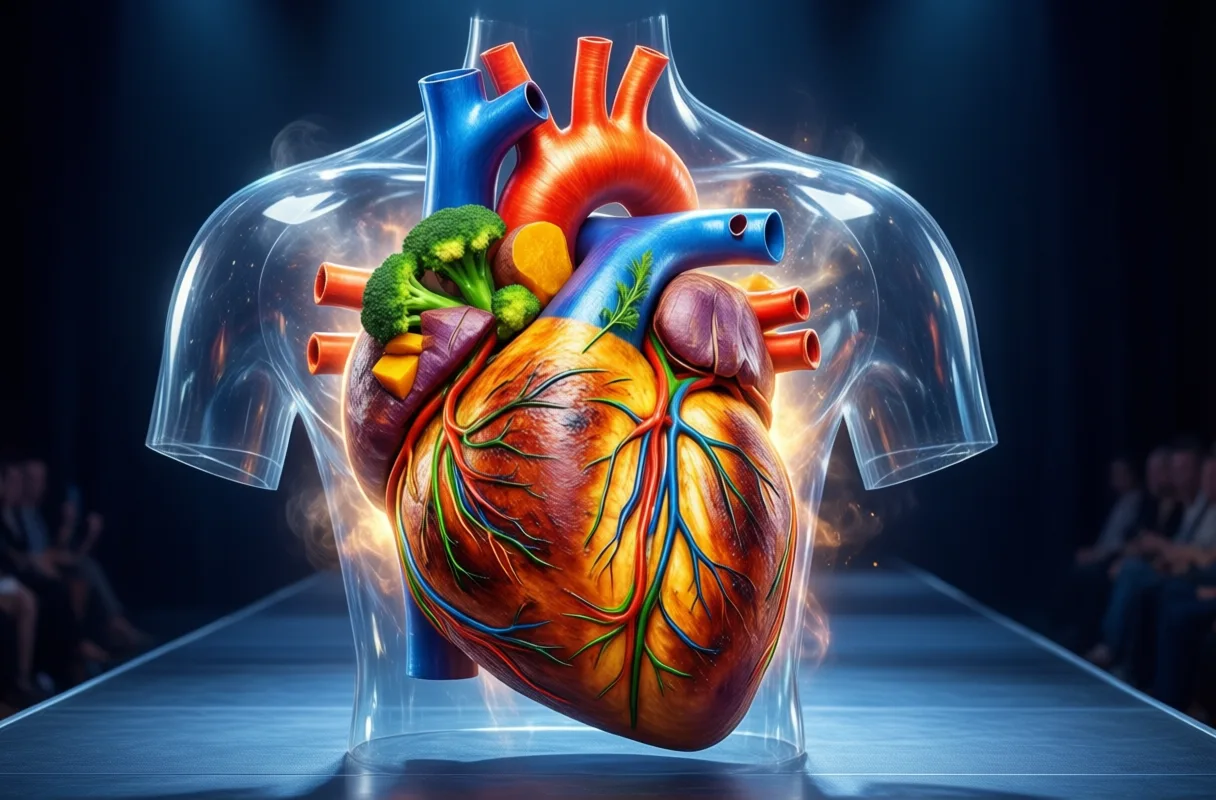
Building Your Plate for Maximum Results
What does a champion’s plate actually look like? It’s not about Restrictive diets Or magic superfoods. It’s about balance, color, and consistency. A meal that fuels greatness doesn’t need a recipe-just a smart structure.
Start with vegetables. They should take up nearly half your plate. Bright greens, deep reds, vibrant oranges-each color brings a different army of antioxidants and phytonutrients. These are your body’s cleanup crew, reducing inflammation and speeding recovery.
Next, add a palm-sized portion of lean protein. Think grilled chicken, turkey, eggs, fish, or plant-based options like lentils and tofu. This is your muscle-building zone-dense, satisfying, and essential for growth.
Fill the rest with quality carbohydrates and Healthy fats. Sweet potatoes, brown rice, oats, quinoa, or fruit give you lasting energy. A drizzle of olive oil or a few slices of avocado add richness and keep you full longer.
Your plate should look alive-colorful, textured, and inviting. When you eat with intention, every meal becomes a step toward a stronger, leaner, more powerful version of yourself.

Timing Matters as Much as Content
When you eat is just as important as what you eat. Your body’s ability to use nutrients shifts throughout the day, especially around workouts. Mastering timing turns good nutrition into elite fueling.
Before training, aim for a balanced meal 2–3 hours prior. It should include carbs for energy, protein to prime muscle, and a little fat for staying power. If you’re eating closer to your session, go lighter-maybe a banana with almond butter or Greek yogurt with berries.
Post-workout is prime time for recovery. Within 45 minutes, your muscles are like sponges, ready to soak up nutrients. A mix of fast-digesting protein and carbs-like a protein shake with fruit or grilled fish with rice-can make a big difference in how you feel and grow.
Evening meals should focus on slow-digesting protein and fiber-rich veggies. This supports overnight repair and keeps hunger at bay. Casein protein, cottage cheese, or a lean cut of meat with broccoli are solid choices.
- Pre-workout: Balanced meal 2–3 hours before
- Post-workout: Protein + carbs within 45 minutes
- Evening: Focus on repair and satiety
Consistency beats perfection. It’s not about one perfect meal-it’s about stacking smart choices, day after day.

Making It Work in Real Life
Let’s be real-no one has time to weigh every gram or cook five meals a day. The goal isn’t perfection. It’s progress. You don’t need a personal chef to eat like an athlete.
Start simple. Use your hand as a guide: a palm for protein, a fist for carbs, two fists for veggies, and a thumb for fats. It’s portable, intuitive, and works whether you’re at home, at work, or on the road.
Meal prep doesn’t have to mean Sunday cooking for seven days. Try batch-cooking grains and proteins, then mix and match. Roast a tray of veggies, grill some chicken, and keep them ready to go. Add fresh toppings to keep flavors exciting.
Eating out? Choose grilled over fried, load up on veggies, and ask for dressings on the side. A few smart swaps keep you on track without feeling deprived.
Remember, this isn’t a short-term diet. It’s a lifestyle upgrade. Every meal is a chance to build discipline, strength, and confidence. The leaner you get, the more powerful you feel. The more muscle you gain, the more unstoppable you become.
You’ve already taken the hardest step-showing up. Now, let your plate match your effort. Because champions aren’t made in a day. They’re built-one smart meal at a time.
| Meal Timing | Plate Components | Purpose |
|---|---|---|
| Before training | Balanced meal with carbs, protein, some fat | Fuel performance and prime muscles |
| Post-workout | Protein + carbs | Boost recovery within 45 minutes |
| Evening | Slow-digesting protein + fiber-rich veggies | Support overnight repair and satiety |
| General meals | Half plate vegetables, quarter lean protein, rest carbs, thumb of fats | Ensure balanced, consistent nutrition |
A Smarter Way to Fuel Up
More Than Just a Pretty Plate
Ever seen a plate divided into color-coded sections and wondered what it’s all about? That’s the sports nutrition plate in action-a simple visual tool that helps athletes build balanced meals without counting every gram. Instead of getting lost in macros or calories, it uses basic proportions: half your plate filled with veggies and fruits, just over a quarter with lean protein, and the rest with smart carb choices like whole grains or starchy vegetables. It’s not about perfection but consistency, making healthy eating feel less like a chore and more like common sense.
This approach actually lines up with how many elite training kitchens organize meals-think team dining halls where speed and stamina matter. The best part? No special gadgets or apps needed. Just grab a regular-sized plate and let the sections guide your portions. Some versions even add a small circle off to the side for healthy fats or dairy, keeping things practical. Because when you're burning serious energy, you need real food that’s easy to assemble, especially after a long practice or workout.
Why Simplicity Wins
You might assume high-performance eating requires complex planning, but often the simplest methods stick. The sports nutrition plate works because it skips the math and focuses on variety and balance. For example, pairing colorful veggies with quality protein and steady-energy carbs helps muscles recover faster and keeps hunger at bay. And since it encourages different foods across those sections, athletes naturally get a wider mix of vitamins and minerals-no supplements required. It’s proof that sometimes, the old-school way (like using a plate as your guide) can be the most effective move you make all day. Explore more stories, videos, and creators on Loaded.
Frequently Asked Questions
What should athletes eat before a workout?
Athletes should eat a balanced meal 2–3 hours before training, including carbs for energy, protein to prime muscle, and a little fat for staying power. If eating closer to the session, a lighter option like a banana with almond butter or Greek yogurt with berries is recommended.
How much of the plate should be vegetables?
Vegetables should take up nearly half the plate. They provide antioxidants and phytonutrients that reduce inflammation and speed recovery.
When is the best time to eat protein and carbs after a workout?
Within 45 minutes after a workout, muscles are most receptive to nutrients. A mix of fast-digesting protein and carbs helps improve recovery and growth.
How can athletes use their hands to guide portion sizes?
Use a palm for protein, a fist for carbs, two fists for veggies, and a thumb for fats. This method is portable and works in any eating situation.
This article was produced with AI assistance. How Chiseled Magazine uses AI.
Cassia explores the science and culture of fueling the body, from macronutrient timing to sustainable eating habits. She blends biochemical insight with real-world practicality, helping readers make smarter food choices without sacrificing enjoyment or balance.