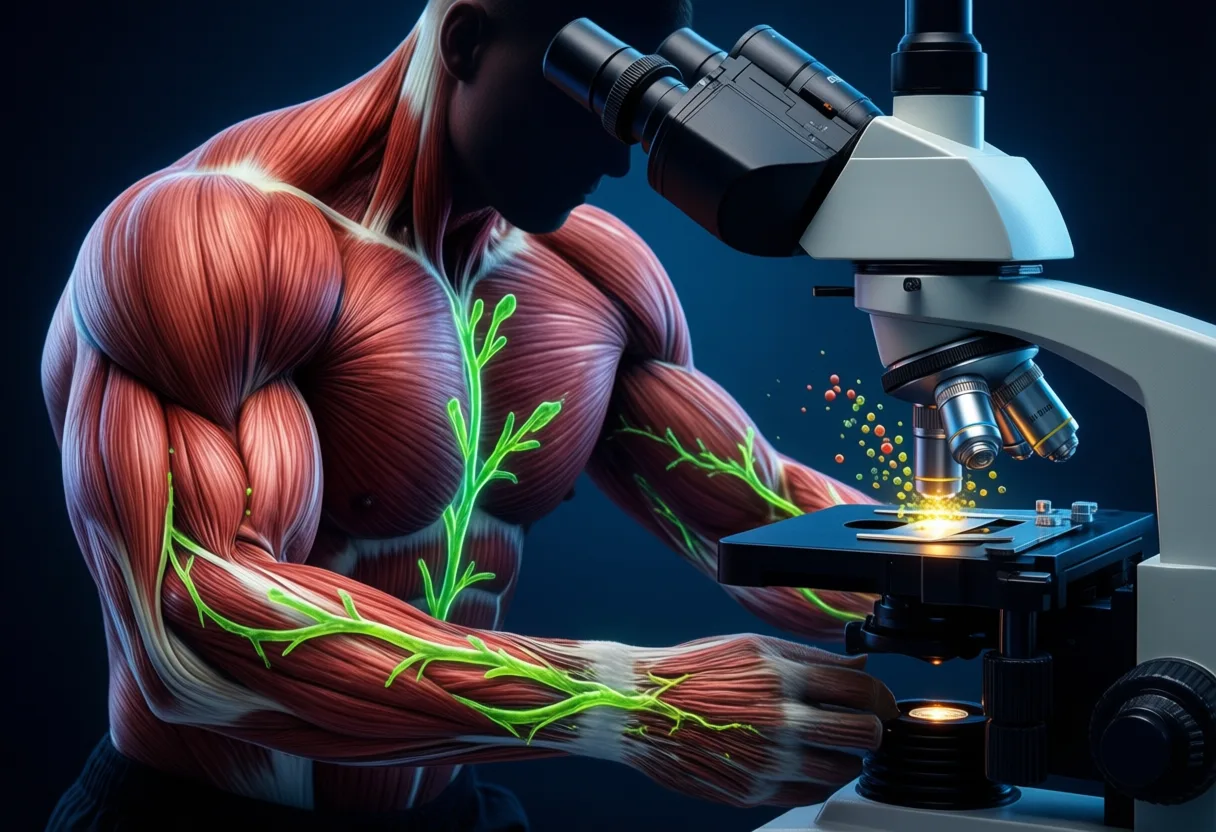
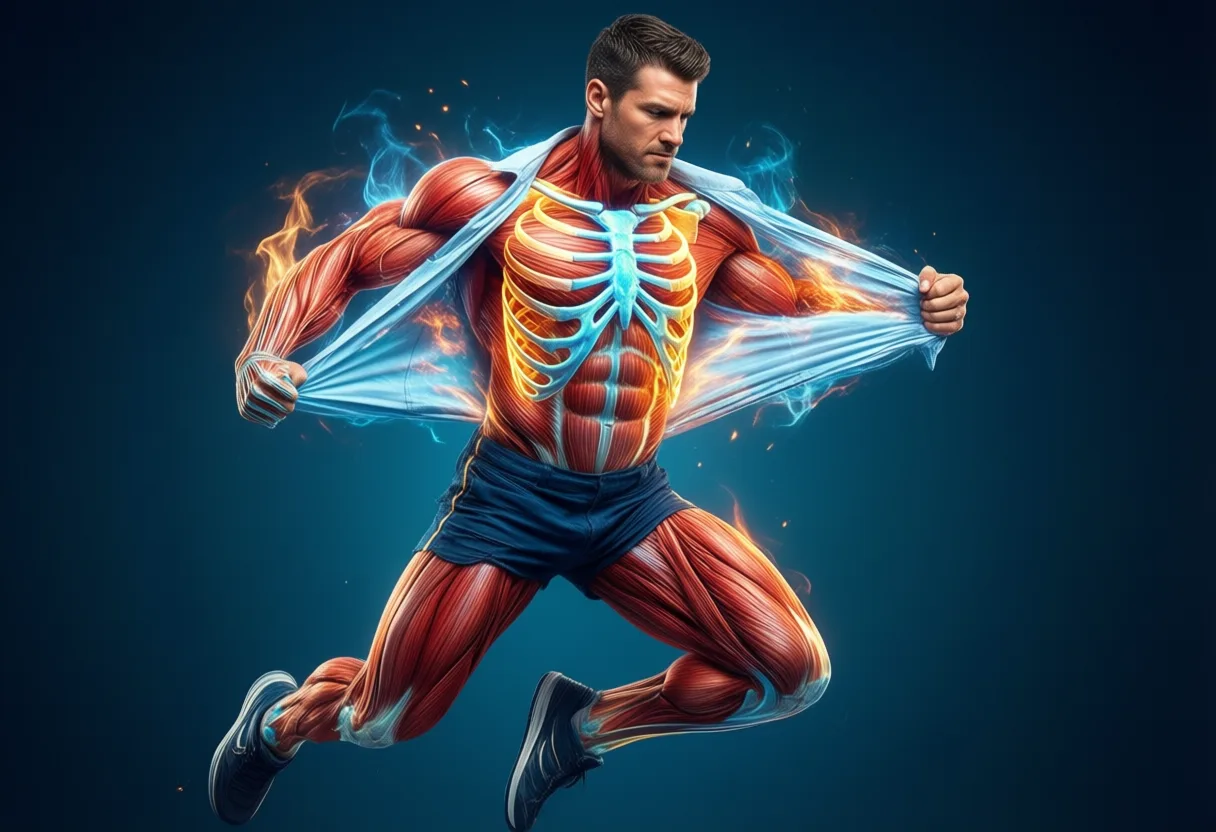
You don’t need a lab coat to eat like an athlete-but you do need a plan. What you eat, when you eat it, and why, shapes how you perform, recover, and transform your body. Forget fads and celebrity diets; real progress comes from consistency, clarity, and a few well-timed Meals.
The Foundation of Real Sports Nutrition
Nutrition isn’t magic-it’s mechanics. Every rep, sprint, and recovery session depends on the Fuel You provide. Elite performance doesn’t come from secret powders or viral TikTok trends, but from predictable, repeatable habits grounded in biology.
Your body runs on energy, not hype. Carbohydrates power high-intensity efforts, proteins repair muscle tissue, and fats support hormone function and joint health. These aren’t just “macros”-they’re the building blocks of strength, Endurance, and definition.
Timing matters, but not as much as total daily intake. Eating consistently throughout the day stabilizes energy and supports muscle growth better than obsessing over a narrow post-workout window. Focus On what’s sustainable, not sensational.
- Prioritize whole foods: lean meats, vegetables, grains, and healthy fats
- Track intake for at least two weeks to understand your baseline
- Adjust portions based on progress, not plateaus
Too many people chase extreme diets-keto, carnivore, juice cleanses-only to burn out or lose muscle. The most effective approach is the one you can stick to for months, not days.

Fueling Muscle Growth Without the Fluff
If you want to gain muscle, you need more than just protein. Yes, protein is essential, but muscle doesn’t grow in a calorie deficit. You need surplus energy, smart training, and enough rest to see real change.
Think of your body like a construction site. Protein delivers the bricks, but without enough workers (energy) and time (recovery), the building stays unfinished. A balanced intake of all macronutrients ensures your body can keep up with the demands you place on it.
Strength athletes and bodybuilders often undereat on rest days, sabotaging recovery. Muscle grows when you’re not in the gym-so feeding your body on off days is just as important as on workout days.
- Aim for 1.6 to 2.2 grams of protein per kilogram of body weight daily
- Spread protein intake across 3–5 meals for optimal synthesis
- Include complex carbs around workouts to fuel performance and replenish glycogen
Supplements can help, but they’re not shortcuts. Whey protein, creatine, and caffeine have solid research behind them-but they work best when your diet is already dialed in.
Don’t overcomplicate it. A grilled chicken breast, sweet potato, and broccoli plate beats any “anabolic stack” on an empty stomach.

Performance Nutrition: From Gym to Game Day
Energy isn’t just about how you look-it’s about how you move. Whether you’re lifting heavy, sprinting, or enduring a long training session, your nutrition strategy should match your output.
Carbohydrate intake should rise with activity level. Low-intensity days need less fuel; high-output sessions demand more. Ignoring this mismatch leads to fatigue, poor recovery, or unwanted fat gain.
Hydration is often overlooked but critical. Even mild dehydration reduces strength, focus, and endurance. Water, electrolytes, and timing-not expensive sports drinks-are what keep you sharp.
- Monitor urine color as a quick hydration check
- Consume sodium and potassium during prolonged sweating
- Avoid overloading on sugary drinks during short workouts
Pre-workout meals should be easily digestible and balanced. A large steak an hour before deadlifts is a recipe for discomfort. Instead, choose lean protein and simple carbs 60–90 minutes before training.
Post-workout, prioritize protein and carbs to kickstart recovery. Chocolate milk? It’s not a myth-its ratio of carbs to protein makes it a practical, affordable option.
Recovery: Where Progress Actually Happens
You don’t get stronger in the gym-you get stronger after it. Recovery is where adaptation occurs, and nutrition plays a central role in how fast and fully you bounce back.
Sleep and food go hand in hand. Poor sleep disrupts hunger hormones, increases cravings, and slows muscle repair. Aim for 7–9 hours nightly-no supplement replaces that.
Inflammation isn’t always the enemy. It’s part of the healing process. But chronic inflammation from poor diet, stress, or overtraining can stall progress. Focus on whole foods, omega-3s, and variety to keep your system balanced.
- Include fatty fish, nuts, and seeds for anti-inflammatory fats
- Limit ultra-processed foods high in refined sugars and trans fats
- Rotate food sources to support gut health and nutrient diversity
Alcohol? It’s a recovery killer. It disrupts sleep quality, dehydrates you, and competes with fat metabolism. One drink won’t ruin your gains, but regular intake will erode them.
Think long-term. The best diet isn’t the one that gets you shredded in six weeks-it’s the one that keeps you strong, healthy, and consistent for years.

Practical Strategies for Real Life
No one eats perfectly-and you don’t have to. The goal isn’t perfection, but progress. Small, consistent choices beat extreme diets every time.
Meal prep doesn’t mean eating the same chicken and rice every day. It means planning so you’re not grabbing fast food when hunger hits. Batch-cook proteins, roast veggies, and keep healthy snacks within reach.
Eating out? Make smart swaps. Skip the fried side, ask for dressing on the side, and prioritize protein and vegetables. You don’t need to be rigid-just aware.
- Use smaller plates to manage portion size without counting
- Drink water before meals to avoid mistaking thirst for hunger
- Keep a food journal for a week to spot patterns and triggers
Flexibility beats restriction. Allow room for treats, social meals, and the occasional missed workout. The most sustainable diet is one that fits your life-not one that controls it.
At the end of the day, your nutrition plan should serve you-not the other way around.
| Nutrient | Primary Role | Timing Tip |
|---|---|---|
| Carbohydrates | Fuel high-intensity efforts | Increase intake on high-activity days |
| Protein | Repair muscle tissue | Consume 20–30g post-workout for synthesis |
| Fats | Support hormone function and joint health | Include daily from whole food sources |
| Electrolytes | Maintain fluid balance and nerve function | Replace during prolonged sweating |
The Science Behind What Fuels Champions
Timing Can Be Everything
Ever wonder why pro athletes snack so much during tournaments? It’s not just hunger-it’s strategy. Your body can only process so much fuel at once, and glycogen stores in muscles max out around 2,000 calories. That means even the most efficient eater can’t “stockpile” energy days in advance. Instead, smart athletes time their carb intake like clockwork, often consuming 30–60 grams per hour during long events to keep energy steady. Skipping fuel mid-activity can lead to bonking-a sudden crash when glycogen runs dry-something marathoners and cyclists dread.
Hydration Is More Than Just Water
Chugging water isn’t always the answer-especially during intense or prolonged exercise. Sweat isn’t just water; it carries electrolytes like sodium, potassium, and magnesium. Lose too many, and cramps, fatigue, or even confusion can set in. That’s why many endurance athletes rely on drinks with balanced electrolyte profiles, not just sugar and water. Some even salt their food the night before a big event to help their bodies hold onto fluids. And here’s a fun twist: thirst isn’t always a reliable signal. By the time you feel thirsty, you might already be slightly dehydrated, which can start affecting performance at just 2% fluid loss.
Protein’s Role Isn’t What You Think
While protein gets all the hype for building muscle, it’s not the go-to fuel during exercise. Carbs and fats handle that job. Protein’s real power comes in the recovery window-especially within 30 to 60 minutes after training. That’s when your muscles are most receptive to repair and growth. But more isn’t always better: studies show the body can only use about 20–30 grams of high-quality protein at a time for muscle synthesis. Beyond that, excess gets burned for energy or stored, not turned into extra muscle. So that massive 60-gram post-workout shake? Overkill. Explore more stories, videos, and creators on Loaded.
Frequently Asked Questions
How much protein should I eat daily to build muscle?
Aim for 1.6 to 2.2 grams of protein per kilogram of body weight daily. Spread this intake across 3–5 meals for optimal muscle synthesis.
When is the best time to eat protein for muscle recovery?
The body is most receptive to muscle repair and growth within 30 to 60 minutes after training. Consume 20–30 grams of high-quality protein during this window.
How can I stay properly hydrated during intense exercise?
Replace lost electrolytes like sodium and potassium during prolonged sweating. Use drinks with balanced electrolyte profiles and don’t rely solely on water.
What should I eat during long workouts or events?
Consume 30–60 grams of carbohydrates per hour during long events to maintain steady energy and prevent glycogen depletion.
This article was produced with AI assistance. How Chiseled Magazine uses AI.
Jin-ho examines how fitness integrates into daily life and evaluates performance gear with a critical eye. He investigates recovery tools, wearable tech, and routines that bridge gym gains with real-world resilience, always prioritizing function over hype.