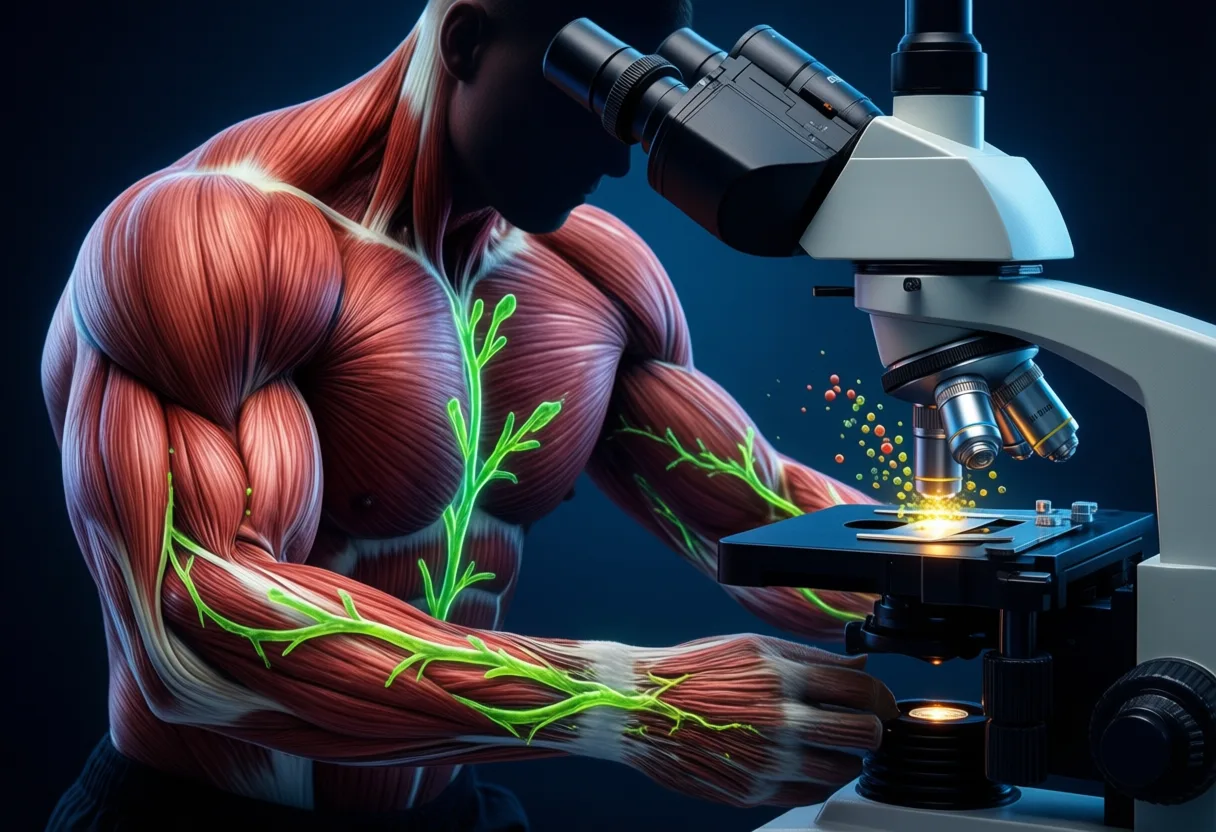

Why Recovery Fuels Performance-Not Just Repairs It
Recovery isn’t the quiet pause between hard workouts-it’s where your Body builds Strength, resilience, and muscle. Think of it like forging steel: heat, hammer, and then cooling under pressure. Without proper recovery, every rep you’ve ever done loses its meaning.
Muscle doesn’t grow in the gym. It grows when you rest, refuel, and rebuild. That’s why what you do After Training is just as critical as how heavy you lift or how fast you sprint. Recovery Isn’t passive-it’s active construction, turning strain into power.
When you push your limits, you create microscopic tears in your muscle fibers. This sounds dramatic, but it’s normal-and necessary. The real magic happens when your body repairs those fibers, making them thicker and stronger than before. But this process demands fuel, time, and smart nutrition.
Without the Right support, recovery slows. Soreness lingers. Energy drops. Your next workout suffers. But with intentional post-exercise habits, you shift from simply surviving sessions to thriving through them. You don’t just bounce back-you leap forward.
The Powdered Edge: How Nutrient Timing Amplifies Gains
Timing matters. Your body runs on biological rhythms, and nutrient availability after a workout opens a golden window. Imagine pouring water on a dry sponge versus one already soaked. Right after training, your muscles are that dry sponge-ready to soak up nutrients for repair.
This is where powders shine. They dissolve quickly, absorb fast, and deliver key compounds precisely when your body needs them most. Unlike whole meals that take time to digest, powdered nutrition hits the bloodstream rapidly, jumpstarting recovery before momentum fades.
You don’t need a lab coat to understand this. Picture finishing a brutal set of squats. Your legs burn. Your breath is heavy. Glycogen stores-the energy inside your muscles-are nearly empty. Amino acids are being pulled from reserves just to keep you moving. At that moment, delay is defeat.
Powders offer speed and precision. Mix, drink, recover. No cooking. No waiting. Just targeted nourishment delivered at the peak moment of need. When used wisely, they become tools-not crutches-that align with your goals: more muscle, less soreness, better performance.
But remember: powders don’t replace food. They complement it. Like a scalpel versus a kitchen knife, they serve a specific purpose. Used correctly, they enhance your results. Misused, they’re wasted effort. The edge comes not from the scoop itself-but how you use it.
What Exactly Happens in Your Muscles After a Workout?
The second you finish your last rep, your body shifts gears-from destruction to reconstruction. Blood rushes to worked muscles, carrying oxygen and signaling molecules that say, “Time to rebuild.” Inflammation rises, not as an enemy, but as a messenger calling repair crews to the site.
Inside each muscle fiber, protein breakdown increases briefly. But soon after, if conditions are right, synthesis takes over. Your cells begin stitching new proteins into the damaged areas, layer by layer. This process requires amino acids-the building blocks of muscle-and energy from carbohydrates.
At the same time, depleted glycogen stores signal hunger. Your liver and muscles cry out for glucose to refill their tanks. Hormones like insulin rise to help shuttle nutrients inside cells. Cortisol, which spiked during exercise, begins to fall-if you manage stress and feed your body properly.
Hydration also plays a silent but vital role. Sweat loss means fluid and electrolyte loss. Even mild dehydration can slow recovery, reduce blood flow to muscles, and increase perceived fatigue. Replacing what was lost isn’t optional-it’s foundational.
Mitochondria, the Power plants Of your cells, also respond. With consistent training and recovery, they multiply and become more efficient. This means future workouts feel easier, endurance improves, and fat burns faster. All of this hinges on giving your body the raw materials it needs-on time, every time.
When Standard Diets Fall Short: The Role of Supplementation
Even with a solid diet, gaps exist. Busy schedules, inconsistent appetite, travel, or high training volume can make it hard to eat enough protein or replenish nutrients quickly. That post-workout meal might be two hours away, but your muscles want answers now.
Whole foods are essential-they provide fiber, phytonutrients, and satiety. But they digest slowly. By the time your chicken and rice hit your bloodstream, the prime window for rapid absorption may have narrowed. That’s where supplementation steps in-not to replace meals, but to bridge timing gaps.
Athletes with intense routines often struggle to meet protein targets. The body can only utilize so much protein per meal efficiently. Spreading intake helps, but sometimes you need a concentrated dose without excess calories or bulk. Powders allow precision-hitting amino acid thresholds without discomfort.
Also consider convenience. After a 6 a.m. Workout, blending a shake takes seconds. Cooking does not. On game day, during travel, or between back-to-back training sessions, quick-digesting options aren’t luxuries-they’re survival tools.
Supplements also let you target specific needs. Want to reduce next-day soreness? Certain plant extracts may help. Need more explosive power? One compound has stood the test of time for increasing work capacity. These aren’t magic bullets-but they are levers you can pull to gain an edge.
7 Powders That Elevate Recovery and Output
1. Whey Protein: The Gold Standard for Muscle Synthesis
Whey protein dissolves fast, absorbs quickly, and floods your bloodstream with essential amino acids. Among them is leucine-the key trigger that flips the switch for muscle growth. Within minutes of drinking a whey shake, your body shifts from breakdown to building mode.
It’s called the gold standard for a reason. Decades of research support its role in increasing lean mass, especially when paired with resistance training. Its high biological value means your body uses more of it compared to other proteins.
Mix it with water or milk post-workout, and you give your muscles exactly what they crave. No guesswork. No delay. Just pure, efficient fuel. For many athletes, this single scoop is the cornerstone of daily recovery.
And while whole foods like eggs and meat are excellent sources, whey offers unmatched speed and portion control. Whether you're rushing to work or packing on size, it fits seamlessly into any lifestyle focused on progress.
2. Casein: Overnight Repair with Slow-Release Amino Acids
While whey surges, casein sustains. This milk protein forms a gel in the stomach, releasing amino acids gradually over several hours. Think of it as a slow-burning log versus a flash fire-perfect for periods without food, like sleep.
Taking casein before bed provides a steady drip of nutrients throughout the night. Studies suggest this can reduce muscle breakdown and support overnight recovery, especially after intense training days.
Unlike fast-digesting proteins, casein keeps muscle synthesis humming while you rest. It won’t spike growth signals like whey, but it prevents dips-maintaining a positive balance when your body might otherwise scavenge muscle for fuel.
For those pushing hard week after week, this subtle support adds up. Wake up feeling fresher, stronger, and ready to attack the next challenge. Sometimes, the most powerful gains happen when you’re not even awake.
3. Branched-Chain Amino Acids (BCAAs): Targeted Support for Endurance
Branched-chain amino acids-leucine, isoleucine, and valine-are unique because muscles can burn them directly for energy during long sessions. This spares glycogen and may delay central fatigue, helping you push through the final reps when motivation wanes.
Some athletes sip BCAAs during fasted training or endurance events to reduce muscle breakdown. While total protein intake matters most overall, these three amino acids play a special role during extended output.
They’re lightweight, easy to digest, and don’t require a full meal. Taken mid-workout, they may ease soreness and mental fatigue, letting you train harder and recover faster-especially when food isn’t practical.
Still, BCAAs aren’t a substitute for complete protein. They lack other essential amino acids needed for full repair. Best used strategically-during long sets, hot weather training, or low-calorie phases-where every bit of preservation counts.
4. Beta-Alanine: Buffering Fatigue for Longer Output
Beta-alanine teams up with histidine to form carnosine-a molecule stored in muscles that helps neutralize acid buildup during high-intensity efforts. More carnosine means you can sprint longer, lift heavier, and endure more rounds before burning out.
Take it consistently, and within weeks, you may notice less burn during drop sets or conditioning circuits. Not because the work gets easier-but because your muscles resist fatigue better.
It’s not a stimulant. It doesn’t jolt you awake. Instead, it works behind the scenes, increasing your capacity to produce work. That extra rep, that final burst-it often comes down to who can buffer acidity longest.
Some report a tingling sensation-harmless and temporary-shortly after taking it. This isn’t a side effect to fear; it’s proof the compound is active and circulating. Over time, tolerance builds, and the tingle fades.
5. Creatine Monohydrate: Power, Volume, and Cognitive Edge
Creatine is one of the most researched supplements in sports science-and for good reason. It fuels rapid bursts of strength by replenishing ATP, the primary energy currency of cells. More ATP means more power per contraction.
Used daily, creatine increases strength, lean mass, and training volume. Athletes report lifting heavier, recovering faster between sets, and gaining noticeable muscle fullness. It’s not flashy, but it delivers consistent, measurable gains.
Beyond the gym, emerging evidence suggests benefits for brain function-especially under stress or sleep deprivation. For professionals balancing work, life, and fitness, that mental clarity matters.
It’s safe, affordable, and effective. No cycling needed. Just 3–5 grams a day, mixed into any drink. Within a month, you’ll likely see changes in performance and appearance. Simple? Yes. Powerful? Absolutely.
6. Tart Cherry Extract: Natural Inflammation Control
Tart cherries contain anthocyanins-natural pigments with antioxidant and anti-inflammatory properties. After hard training, these compounds may help calm excessive inflammation, reducing soreness and speeding return to peak function.
Many athletes turn to tart cherry extract during heavy training blocks or competition seasons. Less soreness means better mobility, cleaner movement, and the ability to train again sooner.
It’s not a painkiller. It doesn’t numb sensation. Instead, it supports your body’s natural healing response, helping you recover With Your biology, not against it.
Available as a powder, it blends easily into shakes or drinks. Some notice improved sleep too-possibly due to natural melatonin content. For those seeking plant-based recovery aids, this is a standout option.
7. Electrolyte Blends: Rehydration That Matches Output Loss
Sweat isn’t just water-it’s loaded with sodium, potassium, magnesium, and chloride. Lose too much, and cramps, fatigue, and dizziness follow. Replacing fluids alone isn’t enough; you must replace minerals too.
Electrolyte powders restore balance quickly. Dissolved in water, they enhance absorption and encourage hydration deeper into tissues. This is crucial after intense sessions, hot environments, or multiple daily workouts.
These blends prevent the flat, drained feeling that comes from poor rehydration. They keep nerve signals sharp, muscle contractions strong, and focus intact. Even mild imbalances can sabotage performance-silently.
Choose formulas without unnecessary sugars or artificial junk. Simplicity wins. Sodium is usually the star-lost in highest amounts-supported by potassium and magnesium. Get it right, and your recovery starts the moment you finish.

Beyond the Scoop: Mixing, Timing, and Real-World Application
How you use powders determines their impact. A perfectly formulated shake means nothing if taken at the wrong time-or drowned in sugar and creamers that slow digestion.
For fastest absorption post-workout, mix protein or BCAAs with water or minimal-fat liquid. Avoid heavy meals or fats immediately after training if speed is the goal. Save whole foods for later, once the initial recovery phase kicks in.
Timing windows aren’t rigid prison sentences. But there’s truth in urgency. Aim to consume protein-rich nutrition within one to two hours after training. That’s when muscles are most receptive-like open doors waiting for delivery.
Consider stacking functions. Combine creatine with carbs post-workout to boost uptake. Add electrolytes to your drink on hot days. Blend tart cherry with casein at night for dual-action recovery. Pairing smartly multiplies benefits.
And don’t forget taste. If you hate the flavor, you won’t stick with it. Find brands or mixes that satisfy your senses-vanilla, chocolate, fruity, unflavored. Make it enjoyable, not a chore. Consistency beats perfection every time.
The Myth of “More Is Better”-Why Balance Beats Loading
There’s a temptation to think bigger scoops equal bigger gains. More protein. More creatine. More BCAAs. But biology doesn’t work like that. There are ceilings-points of diminishing returns-where extra input brings zero benefit.
Your body can only synthesize so much protein at once. Consuming 80 grams in one shake won’t build twice as much muscle as 40. In fact, excess may just end up oxidized or stored as fat. Precision trumps volume.
Same goes for stimulants, herbs, or exotic blends. Just because a label lists ten ingredients doesn’t mean it’s superior. Often, simplicity wins. Stick to proven compounds with clear roles and dosages backed by research.
Also beware of stacking too many products. Some ingredients overlap. Taking BCAAs And Whey And EAAs may be redundant. Focus on filling gaps-not covering every base five times.
Balance includes whole foods, sleep, and mindset. No powder fixes poor recovery habits. No supplement replaces consistency. Use them as allies, not saviors. Respect the system, and it will reward you.

Smart Integration: Making Powders Work Within Whole Foods
Powders should fit Into Your diet-not dominate it. Build your foundation with real food: grilled fish, leafy greens, sweet potatoes, nuts, eggs. These provide texture, satisfaction, and nutrients no supplement can replicate.
Use powders to fill specific needs: post-workout fuel, bedtime support, intra-training sipping, or convenient protein boosts on busy days. Treat them like spices-enhancing the meal, not replacing it.
Read labels. Know what you’re consuming. Avoid hidden sugars, fillers, or exaggerated claims. Look for third-party tested products when possible, though always rely on trusted sources for verification.
Rotate when needed. Take breaks. Let your body reset. Continuous supplementation isn’t always necessary. Sometimes stepping back reveals how far you’ve come-and whether certain products truly made a difference.
Above all, listen to your body. Energy levels, sleep quality, digestion, mood-these tell you more than any label ever could. Adjust based on feedback, not marketing hype.
What Your Shake Isn’t Telling You-And How to Fill the Gaps
A protein shake won’t fix chronic sleep loss. No amount of creatine compensates for constant stress. Supplements amplify what you already do well-they don’t correct broken foundations.
Real progress lives in habits: sleeping eight hours, managing stress, eating colorful vegetables, staying hydrated all day. These are invisible gains-quiet wins that stack over months.
Powders can’t provide fiber, complex phytonutrients, or gut-supportive compounds found in whole plant foods. They don’t teach discipline, patience, or resilience. Those come from showing up-even when you don’t feel like it.
So ask yourself: Are you using powders to elevate a strong routine? Or trying to patch a weak one? The answer shapes your results more than any ingredient list.
Fill the gaps with awareness. Track energy, recovery, performance. Notice patterns. Adjust. Evolve. Let science guide you, but let experience confirm it.
Final Reps: Turning Powder Into Progress
You didn’t start this journey to chug shakes. You started to get stronger. To look in the mirror and see definition, power, pride. To move better, feel alive, conquer challenges.
Sports Nutrition Powders are tools-simple, effective, and accessible. But they gain meaning only when tied to purpose. Every scoop should serve a goal: faster recovery, sharper performance, relentless progress.
Don’t worship the container. Worship the work. Let the powder support the grind, not distract from it. Stay grounded in real food, real habits, real consistency.
Now go lift. Then recover. Then do it again. Because greatness isn’t built in one workout. It’s forged-in iron, in sweat, in rest, in choices-rep after rep, day after day.
| Powder | Primary Benefit | Best Used |
|---|---|---|
| Whey Protein | Fast muscle synthesis | Post-workout |
| Casein | Overnight repair | Before bed |
| BCAAs | Reduce fatigue during training | During long workouts |
| Beta-Alanine | Buffer muscle acidity | Pre-workout |
| Creatine Monohydrate | Increase strength and energy | Daily, any time |
| Tart Cherry Extract | Reduce soreness and inflammation | Post-workout or at night |
| Electrolyte Blends | Restore hydration and minerals | After intense sweating |
More Than Just Shakes: The Surprising Side of Recovery Mixes
A History Rooted in Simplicity
Long before flashy tubs lined gym walls, athletes were mixing basic ingredients like milk and eggs to recover after exertion. The idea of boosting recovery with powdered nutrition isn’t new-it just looked different. Early versions of protein powders emerged from surplus dried milk used during wartime rationing, eventually catching on with bodybuilders in the mid-20th century who wanted convenient ways to increase intake without eating whole foods every few hours.
Chocolate Milk’s Accidental Triumph
One of the most talked-about recovery drinks isn’t even sold as a supplement: chocolate milk. Some studies have found it performs on par with commercial recovery formulas thanks to its natural balance of carbohydrates and high-quality protein. It’s not some lab-engineered secret-just a happy accident of dairy chemistry that delivers what muscles need post-workout. That creamy fridge staple has even made appearances in pro locker rooms, quietly outperforming pricier alternatives in real-world use.
Mixing Goes Beyond the Blender
While most people think of shakers and blenders, some athletes use dry powder in creative ways-stirring it into oatmeal, pancake batter, or even savory dishes like scrambled eggs for an extra protein kick. This flexibility means you don’t need special equipment or perfect timing to benefit. And contrary to myth, your body doesn’t stop absorbing protein at a magical 30-gram mark; total daily intake matters more than any single serving size. Explore more stories, videos, and creators on Loaded.
Frequently Asked Questions
Why is recovery important for workout performance?
Recovery is when the body repairs muscle fibers, builds strength, and replenishes energy stores. Without proper recovery, soreness lingers, energy drops, and performance suffers.
What are the benefits of using Sports Nutrition Powders after a workout?
Powders absorb quickly, delivering nutrients like amino acids and carbohydrates when muscles are most receptive. They help jumpstart recovery, reduce soreness, and support muscle growth and performance.
Which powder is best for overnight muscle repair?
Casein is ideal for overnight recovery because it releases amino acids slowly, helping to reduce muscle breakdown and support repair while sleeping.
Can chocolate milk be used as a recovery drink?
Yes, chocolate milk naturally provides a balance of carbohydrates and high-quality protein, making it effective for post-workout recovery, comparable to commercial formulas.
This article was produced with AI assistance. How Chiseled Magazine uses AI.
Cassia explores the science and culture of fueling the body, from macronutrient timing to sustainable eating habits. She blends biochemical insight with real-world practicality, helping readers make smarter food choices without sacrificing enjoyment or balance.