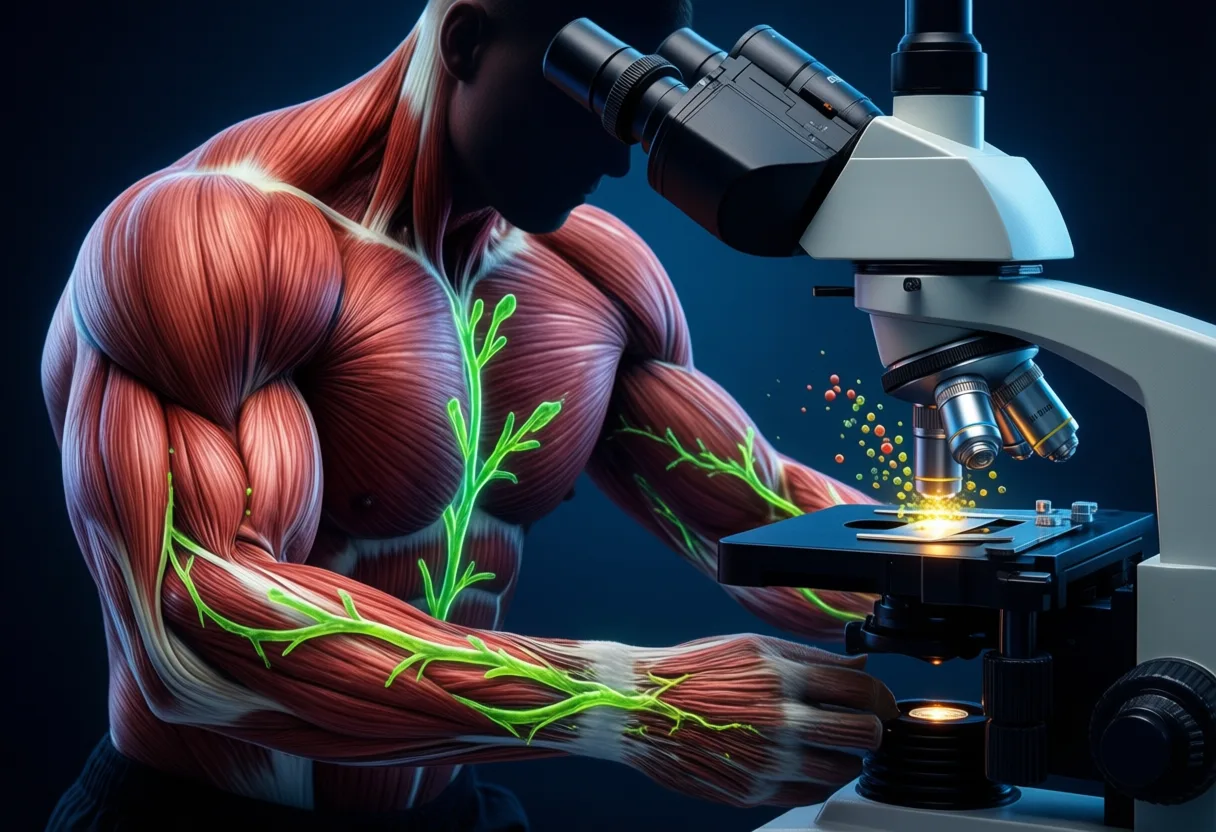
You’ve put in the work. You’ve pushed through the burn, the fatigue, the early mornings and the late nights. But if you’re not giving your body the right fuel, you’re leaving results on the table. What you consume before, during, and after your training isn’t just about calories-it’s about chemistry, timing, and intention.
Think of your body like a high-performance engine. You wouldn’t pour cheap fuel into a race car and expect it to win. The same goes for your Muscles, your recovery, and your progress. What you eat and drink shapes how strong you get, how fast you recover, and how defined you become.
Why What You Fuel With Matters as Much as the Workout
Sweat is just sweat if you don’t recover. Gains are fleeting if you don’t rebuild. The truth is simple: your training creates the demand, but your nutrition delivers the supply. Every rep tears muscle fibers. Every Meal rebuilds Them-stronger, denser, more resilient.
It’s not about eating more. It’s about eating right. The body doesn’t respond to volume alone-it responds to timing, quality, and consistency. A protein shake after a workout isn’t just convenient. It’s strategic. It floods your bloodstream with amino acids when your muscles are most receptive.
Even the best program fails without the right support. You can’t out-train poor recovery. You can’t out-lift bad nutrition. The mirror doesn’t lie. If you’re not seeing the definition, the size, or the strength you want, look at your plate before you blame your effort.

The Fine Line Between Fuel and Fad in Athletic Performance
The market is flooded with promises. Shiny bottles, bold claims, miracle powders. But not every product delivers. Some are built on science. Others are built on smoke and mirrors. The difference? Time. Real results don’t come from hype. They come from consistency and evidence.
It’s easy to get distracted by the next big thing. A new supplement drops, and suddenly everyone’s using it. But lasting change doesn’t come from chasing trends. It comes from mastering the fundamentals. The best athletes don’t stack every product. They choose a few that work and stick with them.
Ask yourself: does this help my body perform or recover? Or does it just make noise? The body doesn’t care about branding. It cares about function. If a product doesn’t support muscle growth, energy, or recovery, it’s just clutter.
What Actually Counts as a Sports Nutrition Product?
Sports Nutrition Products aren’t magic. They’re tools. Designed to fill gaps, enhance timing, and support specific goals. Some are powders. Others are liquids, pills, or gels. What matters isn’t the form-it’s the function.
These products deliver nutrients in ways food sometimes can’t. Faster absorption. Precise timing. Targeted delivery. A post-workout shake hits your system in minutes. A slow-digesting protein keeps amino acids flowing for hours. That’s not gimmickry. That’s physiology.
They’re not replacements for whole foods. They’re enhancers. Think of them like precision instruments in a toolkit. You wouldn’t build a house with only a hammer. You need the right tool for the job. Same with your body.
How Timing Transforms Ordinary Supplements Into Performance Tools
Timing turns nutrients into advantages. Amino acids after a workout rebuild muscle when it’s most vulnerable. Carbs during long sessions keep energy steady. Caffeine before training Sharpens focus And drive. The same ingredient, used at the wrong time, can be wasted.
Your body has windows-brief periods when it’s primed to absorb and use nutrients. The post-workout phase is one of them. That’s when protein synthesis peaks. That’s when your muscles are like sponges, ready to soak up amino acids and rebuild.
Miss the window, and you slow recovery. Hit it, and you accelerate growth. It’s not about obsession. It’s about rhythm. Train. Refuel. Rest. Repeat. That’s how champions are made-not in a day, but in the details, repeated over time.
1. Whey Protein: Fast Absorption for Post-Workout Recovery
Whey protein Is the gold standard for a reason. It digests quickly, flooding your bloodstream with amino acids when your muscles need them most. After a hard set, your muscle fibers are damaged and hungry. Whey answers that call.
It’s rich in leucine, the amino acid that flips the switch for muscle growth. That makes it ideal right after training. Mixed with water or milk, it’s fast, convenient, and effective. No cooking, no prep-just results.
For those chasing size and definition, whey is non-negotiable. It’s not flashy. It’s not trendy. It’s foundational. Like a protein-packed exclamation point at the end of your workout.
2. Casein Protein: Slow-Release Support for Sustained Muscle Repair
While whey rushes in, casein lingers. It forms a gel in the stomach, releasing amino acids slowly over several hours. That makes it perfect for times when you won’t eat for a while-like before bed.
Imagine your muscles rebuilding overnight, like a construction crew working through the night. Casein keeps the supply line open. It doesn’t spike protein synthesis like whey, but it prevents breakdown like nothing else.
If you’re serious about waking up stronger, consider casein your night shift. It’s not about instant results. It’s about steady progress. While you sleep, it works.
3. Creatine Monohydrate: The Most Researched Boost for Strength Gains
Creatine is one of the most studied supplements on the planet. Decades of research back its power. It helps your body regenerate ATP, the molecule that fuels short bursts of effort-like lifting a heavy barbell or sprinting.
More energy means more reps. More reps mean more growth. It’s that simple. Over time, creatine users see increases in strength, lean mass, and training capacity. It’s not a steroid. It’s science.
You might feel fuller, more pumped. That’s water pulled into the muscle cells-good water, the kind that supports size and strength. Take it daily, and your body becomes a better machine.
4. Branched-Chain Amino Acids (BCAAs): Targeted Support During Endurance Sessions
BCAAs-leucine, isoleucine, valine-are the building blocks that muscle uses first during long sessions. When glycogen drops, the body may break down muscle for fuel. BCAAs help stop that.
Sipping them during endurance training can reduce fatigue and muscle breakdown. They’re not a meal replacement. But they’re a shield-protecting your hard-earned muscle while you push your limits.
For those doing long runs, rides, or circuits, BCAAs keep you in the game. They’re light, easy to digest, and keep your focus sharp. Not flashy, but functional.
5. Beta-Alanine: Buffering Fatigue for High-Intensity Output
Beta-alanine teams up with histidine to form carnosine in your muscles. Carnosine buffers acid, the burn that slows you down during high-intensity sets. More carnosine means you can push longer before fatigue hits.
You’ll feel a tingling-harmless, temporary. That’s beta-alanine at work. Over weeks, your capacity grows. More reps. More power. More growth.
It won’t make you bigger overnight. But it lets you train harder, session after session. And that’s where size and strength are built-one extra rep at a time.
6. Caffeine: The Widely Used Ergogenic Aid for Mental and Physical Drive
Caffeine wakes up your brain and your body. It sharpens focus, lifts mood, and increases adrenaline. That means more drive, more intensity, more reps. It’s not just for mornings-it’s for max effort.
It boosts fat oxidation, too. Your body taps into stored fat for fuel, sparing glycogen. That’s useful during long sessions or cutting phases. Just don’t rely on it every day-your body adapts.
Use it strategically. Before heavy lifts. Before fasted training. Before you need to be sharp. It’s not magic-it’s momentum.
7. Electrolyte Formulas: Beyond Water for True Hydration Balance
Water isn’t enough. Sweat carries out sodium, potassium, magnesium-minerals your body needs to function. Lose too many, and cramps, fatigue, and brain fog follow.
Electrolyte formulas replace what’s lost. They keep your nerves firing, your muscles contracting, your mind clear. On hot days, long sessions, or low-carb diets, they’re essential.
They’re not just for athletes in the tropics. They’re for anyone pushing hard. A pinch of salt in your drink can make the difference between quitting and conquering.
8. Carbohydrate Gels and Chews: Rapid Fuel for Prolonged Training Demands
When you’re going long-over 90 minutes-your glycogen tanks run low. Carbohydrate gels and chews deliver fast-digesting sugars straight to your bloodstream. No wait. No lag. Just energy.
They’re easy to carry, quick to consume, and designed to be gentle on the stomach. Runners, cyclists, triathletes-they all use them. Not because they’re trendy, but because they work.
Don’t wait until you’re drained. Start early. Keep the engine fed. Momentum is everything.
9. Nitrate-Rich Beetroot Juice: Natural Support for Oxygen Efficiency
Beetroot juice is packed with nitrates, which your body converts to nitric oxide. That compound widens blood vessels, improving blood flow and oxygen delivery to working muscles.
More oxygen means more endurance. More efficiency. More time before fatigue hits. Sip it an hour before training, and you might just surprise yourself.
It’s not a steroid. It’s a subtle edge. But in a world where seconds count, that edge matters.
10. Omega-3 Supplements: Long-Term Joint and Recovery Benefits
Omega-3s aren’t flashy. They don’t give you a pump or a buzz. But they work behind the scenes-reducing inflammation, supporting joint health, improving recovery.
Over time, they help you stay in the gym, not on the couch. Less soreness. Less stiffness. More consistent training. That’s how progress compounds.
Take them daily. Think long-term. Your future self will thank you.

When More Isn’t Better: The Risk of Over-Supplementing
More pills don’t mean better results. In fact, too many can backfire. Your liver and kidneys have limits. Your body can only use so much at once. Excess goes to waste-or worse, causes stress.
Some supplements compete for absorption. Too much zinc can block copper. Too much caffeine can wreck sleep. And poor sleep kills gains.
Keep it simple. Stick to what works. Trust the basics. You don’t need a pharmacy to get shredded.
Separating Marketing Hype from Measurable Results
Not every label tells the truth. Some products are built for Instagram, not impact. They look good on the shelf but do little in the body.
Look past the packaging. Ask: what’s the active ingredient? How much is in there? Does it match what research shows works?
If it sounds too good to be true, it probably is. Real progress is slow, steady, and earned. No powder can shortcut that.

Smart Integration: Matching Products to Your Training Goals
Your goals should guide your choices. Want strength? Prioritize creatine and protein. Doing endurance? Add electrolytes and carbs. Cutting? Caffeine and BCAAs can help.
Don’t copy what someone else uses. Your body, your routine, your needs-they’re unique. Track how you feel. Adjust as you go.
The best stack is the one that fits your life and lifts your performance.
The Real Advantage: Consistency, Not Quick Fixes
No supplement builds muscle. No powder gives you abs. Only you do that-with every workout, every meal, every choice.
The products? They’re helpers. Tools. They don’t replace effort. They amplify it.
Stay consistent. Train hard. Eat smart. Recover well. That’s how you get strong. That’s how you get shredded. That’s how you become the best version of you.
Fueling the Grind: The Surprising Side of What You Eat
From Space Food to Gym Shelves
You might not think of astronauts when cracking open a protein shake, but early versions of powdered supplements were actually developed for space missions. NASA needed lightweight, shelf-stable nutrients that wouldn’t spoil or take up much room-sound familiar? That same logic helped shape modern Sports Nutrition Products, making them convenient and efficient. Today’s ready-to-drink shakes and compact energy gels owe a quiet debt to mid-20th-century space science.
Caffeine Isn’t Just for Coffee Runs
Many pre-workout formulas include caffeine, but some pack as much as a strong cup of coffee-or more-into a single scoop. Interestingly, research shows small doses (around 3–6 mg per kg of body weight) can boost endurance and focus without jitters, which explains why it's a staple in so many products. Some athletes even time their intake like a pro, using caffeine about 30–60 minutes before training for peak effect.
Chocolate Milk’s Comeback Story
It sounds too simple to be true, but chocolate milk has earned its spot in the recovery lineup. With a near-perfect ratio of carbs to protein, it helps replenish glycogen and repair muscle tissue after intense exercise. Some elite teams have even been spotted reaching for it post-practice. While specialized recovery drinks dominate shelves, this nostalgic option proves effectiveness doesn’t always require a lab coat. Explore more stories, videos, and creators on Loaded.
Frequently Asked Questions
What is the best supplement for post-workout recovery?
Whey protein is ideal for post-workout recovery because it digests quickly and delivers amino acids to muscles when they are most receptive. It is rich in leucine, which triggers muscle growth.
How does creatine monohydrate improve strength gains?
Creatine helps regenerate ATP, the molecule that fuels short bursts of intense effort. This leads to more reps, increased strength, and greater lean mass over time.
Why are electrolyte formulas important for athletes?
Electrolyte formulas replace minerals like sodium, potassium, and magnesium lost in sweat. They prevent cramps, fatigue, and brain fog during intense or prolonged exercise.
Can chocolate milk be used as a recovery drink?
Yes, chocolate milk has a near-perfect ratio of carbs to protein, helping to replenish glycogen and repair muscle tissue after intense exercise.
This article was produced with AI assistance. How Chiseled Magazine uses AI.
Cassia explores the science and culture of fueling the body, from macronutrient timing to sustainable eating habits. She blends biochemical insight with real-world practicality, helping readers make smarter food choices without sacrificing enjoyment or balance.