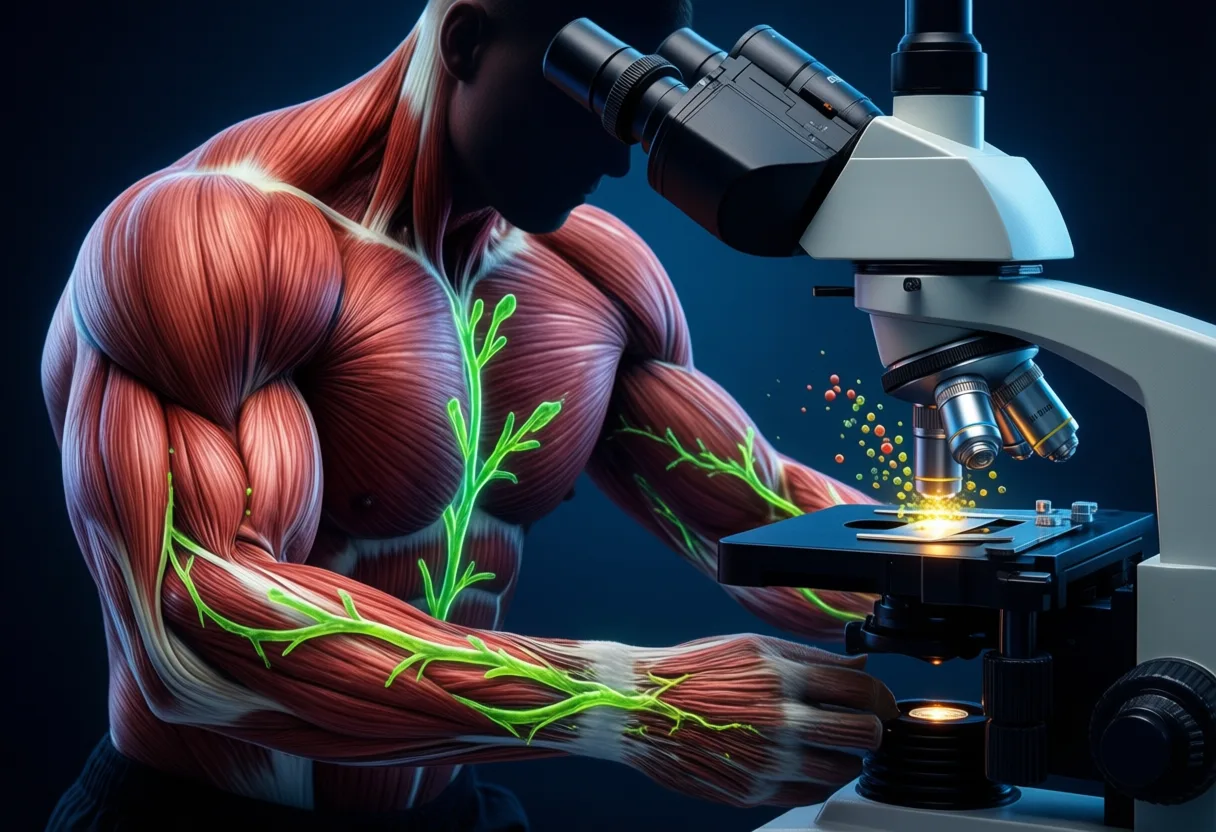

There’s a quiet fire that burns in every endurance athlete-the kind that kicks in mile 18 of a marathon, when your lungs scream and your legs feel like lead. It’s not just physical. It’s mental. And How you fuel that fire determines whether you fade or fly. The right nutrition doesn’t just Support performance-it transforms it, turning long, grueling efforts into moments of strength, clarity, and power.
As your Nutrition Editor, I’ve sat across from runners, cyclists, triathletes, and swimmers who’ve crossed finish lines with tears in their eyes-not just from exhaustion, but from triumph. And behind every one of those victories? A plan. Not magic. Not luck. Consistency, timing, and real food working in harmony with the body’s natural rhythms. Let’s build that plan together.
Fueling the Machine: The Foundation of Endurance Nutrition
Your body is not a car, but think of it Like One for a moment. You wouldn’t pour low-grade fuel into a high-performance engine and expect it to win a race. Yet, so many athletes do the nutritional equivalent every day-skimping on quality, skipping meals, or relying on processed shortcuts that leave them drained before the starting gun even fires.
Endurance demands energy-steady, sustainable, long-burning energy. That starts with Carbohydrates As the primary fuel source, especially in the hours and days leading up to an event. These aren’t just empty calories; they’re the starches and sugars stored in your muscles and liver as glycogen, your body’s go-to energy reserve when the pace picks up and the miles stack on.
But it’s not just about loading up on pasta the night before race day. Think of your carb intake like charging a battery. You wouldn’t plug in your phone for five minutes before a long trip and expect it to last. The same goes for your body. Consistent intake across days-not hours-is what builds optimal glycogen stores.
- Focus on complex carbohydrates: oats, brown rice, sweet potatoes, quinoa, and whole grain bread
- Pair them with colorful vegetables and lean proteins to support recovery and immune function
- Hydration starts long before race morning-sip water throughout the day, every day
And let’s talk timing. Eating a big meal two hours before a run might leave you sluggish. Eating nothing might leave you light-headed. The sweet spot? A Balanced, easily digestible snack 30 to 60 minutes before training: banana with almond butter, a small bowl of oatmeal, or a rice cake with honey.
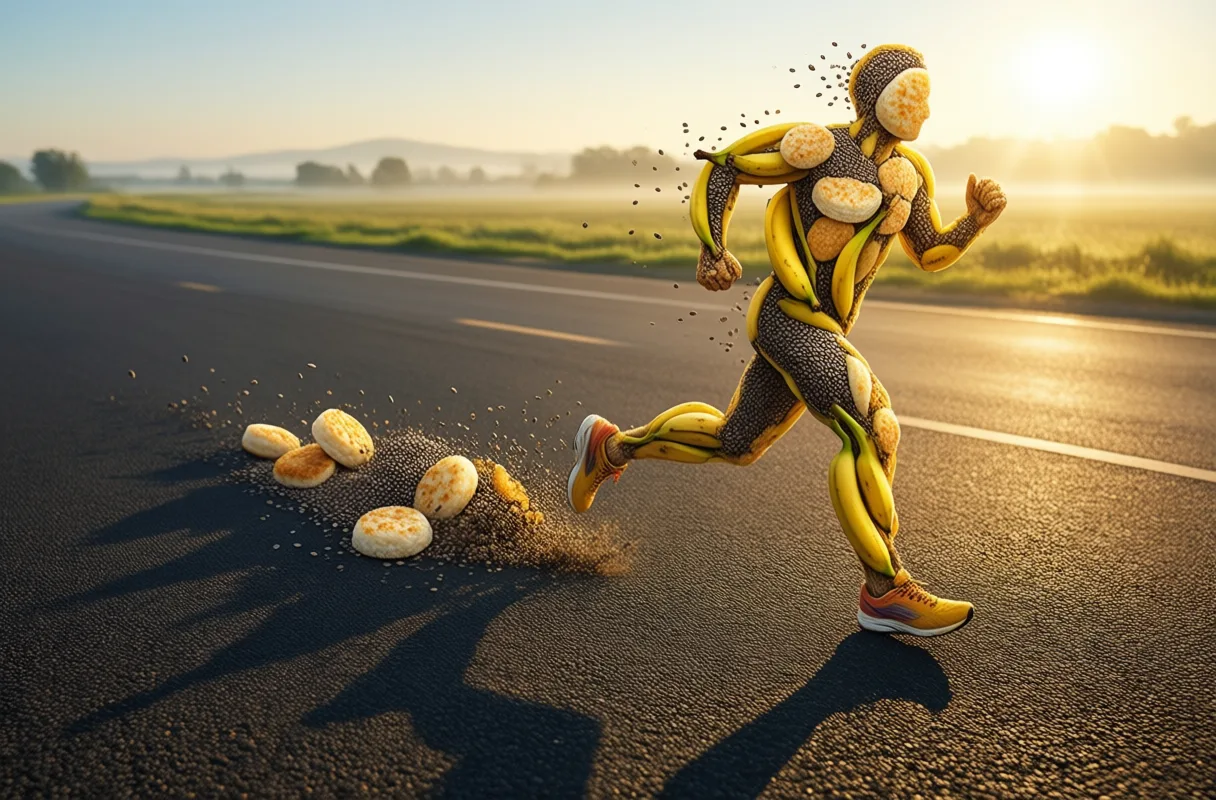
Mastering the Long Haul: Nutrition During Endurance Events
Once the event begins, your body shifts into survival mode. It’s burning through glycogen, losing fluids through sweat, and sending signals to your brain that it’s time to slow down. But here’s the secret: You can delay fatigue by feeding your body strategically during the effort.
For events lasting longer than 90 minutes, fueling on the move isn’t optional-it’s essential. Your muscles can only store so much glycogen, and once those tanks dip below 30%, performance drops fast. That’s when bonking hits-sudden fatigue, dizziness, mental fog. But with smart in-race nutrition, you can keep the engine humming.
The goal is 30 to 60 grams of carbohydrates per hour, depending on intensity and body size. That might sound like a lot, but it breaks down into manageable pieces: a gel here, a few sips of sports drink there, a small handful of raisins or dried mango. The key is consistency-don’t wait until you feel tired to start eating.
- Gels, chews, and sports drinks are designed for rapid absorption
- Real food options like bananas, dates, or homemade energy balls work well for some athletes
- Practice your race-day fueling plan in training-your gut needs to adapt just like your legs
Hydration plays a starring role, too. Sweat isn’t just water-it carries electrolytes like sodium, potassium, and magnesium. Lose too many, and you risk cramping, nausea, or worse. Sip fluids regularly instead of chugging, and consider drinks with electrolytes for efforts over an hour, especially in heat.
And remember: your gut is a muscle. It needs training. That means practicing your fueling strategy on long training runs or rides. If you’ve never eaten during a 20-mile run, don’t expect your stomach to handle three gels on race day. Train your digestion like you train your quads.

Recovery Is Where Champions Are Built
When the finish line comes into view, the race isn’t over. In fact, one of the most critical phases is just beginning: recovery. This is where your body repairs muscle fibers, replenishes energy stores, and adapts to become stronger, faster, more resilient.
Think of recovery nutrition as Laying the foundation for your next breakthrough. Without it, you’re building on sand. With it, you’re setting the stage for progress. The golden window? The first 30 to 60 minutes after exercise, when your muscles are most receptive to nutrients.
During this time, your body craves two things: Carbohydrates to refill glycogen and protein to repair muscle tissue. A 3:1 ratio of carbs to protein is a solid target-simple, effective, and easy to remember. That could be chocolate milk, a smoothie with fruit and yogurt, or a turkey sandwich on whole grain bread.
- Refuel within an hour of finishing, especially after intense or long sessions
- Include a source of high-quality protein: eggs, Greek yogurt, chicken, tofu, or a clean protein powder
- Don’t forget fluids-rehydrate with water or an electrolyte drink based on sweat loss
But recovery isn’t just about the first hour. It’s about the next 24. Sleep, stress management, and consistent meals rich in antioxidants and healthy fats all play a role. Inflammation is part of training-but so is calming it. Load your plate with berries, leafy greens, nuts, fatty fish, and olive oil.
And here’s the truth no one talks about enough: You can’t out-train poor recovery. You can log every mile, hit every interval, crush every workout-but if you’re not eating to recover, you’re not progressing. You’re just surviving.
Daily Habits That Elevate Performance
Elite endurance athletes don’t just eat well on race day. They live well every day. Their kitchens are stocked, their meals planned, their hydration habits automatic. This isn’t obsession-it’s Discipline with purpose.
Start with rhythm. Eat every 3 to 4 hours to keep energy steady and hunger at bay. Include protein, complex carbs, and healthy fats in each meal. This isn’t just about fuel-it’s about Hormonal balance, satiety, and metabolic efficiency.
- Breakfast: oatmeal with berries and a scoop of protein, or scrambled eggs with avocado and whole grain toast
- Lunch: grilled chicken or lentil bowl with quinoa, roasted vegetables, and olive oil
- Dinner: salmon, sweet potato, and sautéed spinach-simple, satisfying, nutrient-dense
Snacks matter, too. A handful of almonds, a piece of fruit, a small Greek yogurt-these aren’t extras. They’re Strategic fuel stops That keep your metabolism active and your energy high.
And water? Carry a bottle like it’s part of your uniform. Thirst is a sign you’re already behind. Aim for pale yellow urine-that’s your body’s way of saying you’re on track.
Finally, listen. Your body speaks in whispers before it shouts. A slight fatigue, a restless night, a craving for sugar-these are signals. Are you eating enough? Recovering fully? Stressed? Nutrition isn’t just about what you eat. It’s about how you feel.

The Mindset of a Fueled Athlete
Endurance isn’t just a physical test. It’s a mental one. And your mindset starts in the kitchen. Every meal is a chance to choose strength over fatigue, clarity over fog, progress over plateau.
You don’t need perfection. You need Consistency, awareness, and respect for your body’s needs. Some days you’ll eat perfectly. Others, you’ll grab whatever’s around. That’s okay. What matters is the pattern over time.
Remember: you’re not just training to finish. You’re training to thrive. To cross the line strong. To look back and say, “I gave it everything-because I fueled it right.”
So lace up. Eat clean. Recover hard. And go show the world what a truly fueled athlete can do.
| Meal Time | Food Examples | Purpose |
|---|---|---|
| Breakfast | Oatmeal with berries and protein or eggs with avocado and toast | Steady energy and balanced nutrition |
| Lunch | Grilled chicken or lentil bowl with quinoa and vegetables | Sustained fuel and recovery support |
| Dinner | Salmon, sweet potato, sautéed spinach | Nutrient-dense recovery and repair |
| Snacks | Almonds, fruit, Greek yogurt | Metabolism support and energy maintenance |
| Hydration | Water or electrolyte drinks | Maintain fluid balance and performance |
Fueling the Long Haul
The Science Behind the Snacks
Ever wonder why so many marathoners swear by bananas during training? It’s not just tradition-bananas offer a quick hit of potassium and natural sugars, helping delay muscle cramps and maintain energy. While modern Sports Nutrition Programs often rely on engineered gels and chews, nature’s original energy pack still holds its ground. What’s more, your body starts burning carbohydrates almost immediately during endurance exercise, which is why timing your intake matters as much as what you eat.
Hydration Is More Than Just Water
Sweat isn’t just water-it’s loaded with electrolytes like sodium and magnesium, which your muscles need to keep firing. That’s why plain water isn’t always enough during long efforts. Some athletes even add a pinch of salt to their water or go for drinks with balanced electrolyte profiles to avoid fatigue and maintain performance. And here’s a fun twist: dehydration as low as 2% body weight loss can impair focus and physical output, so staying ahead of thirst is key.
Gut Training Is a Real Thing
Believe it or not, you can train your gut just like your legs. Endurance athletes often practice "gut training" by gradually increasing their carb intake during workouts to improve digestion and absorption over time. This helps them tolerate more fuel during races, which can be a game-changer in events lasting over two hours. Skipping this step might leave you with more than just tired muscles-cramps and bloating can quickly derail even the best-prepared athlete. Explore more stories, videos, and creators on Loaded.
Frequently Asked Questions
How many grams of carbohydrates should endurance athletes consume per hour during events?
Endurance athletes should aim for 30 to 60 grams of carbohydrates per hour during events lasting longer than 90 minutes, depending on intensity and body size.
What is the recommended ratio of carbs to protein for recovery after exercise?
A 3:1 ratio of carbohydrates to protein is recommended during the first 30 to 60 minutes after exercise to replenish glycogen and repair muscle tissue.
Why is hydration important beyond just drinking water during long events?
Sweat contains electrolytes like sodium, potassium, and magnesium. Replenishing these through fluids with electrolytes helps prevent cramping, nausea, and fatigue during prolonged efforts.
What are some examples of easily digestible pre-workout snacks?
Good pre-workout snacks include a banana with almond butter, a small bowl of oatmeal, or a rice cake with honey, consumed 30 to 60 minutes before training.
This article was produced with AI assistance. How Chiseled Magazine uses AI.
Cassia explores the science and culture of fueling the body, from macronutrient timing to sustainable eating habits. She blends biochemical insight with real-world practicality, helping readers make smarter food choices without sacrificing enjoyment or balance.