
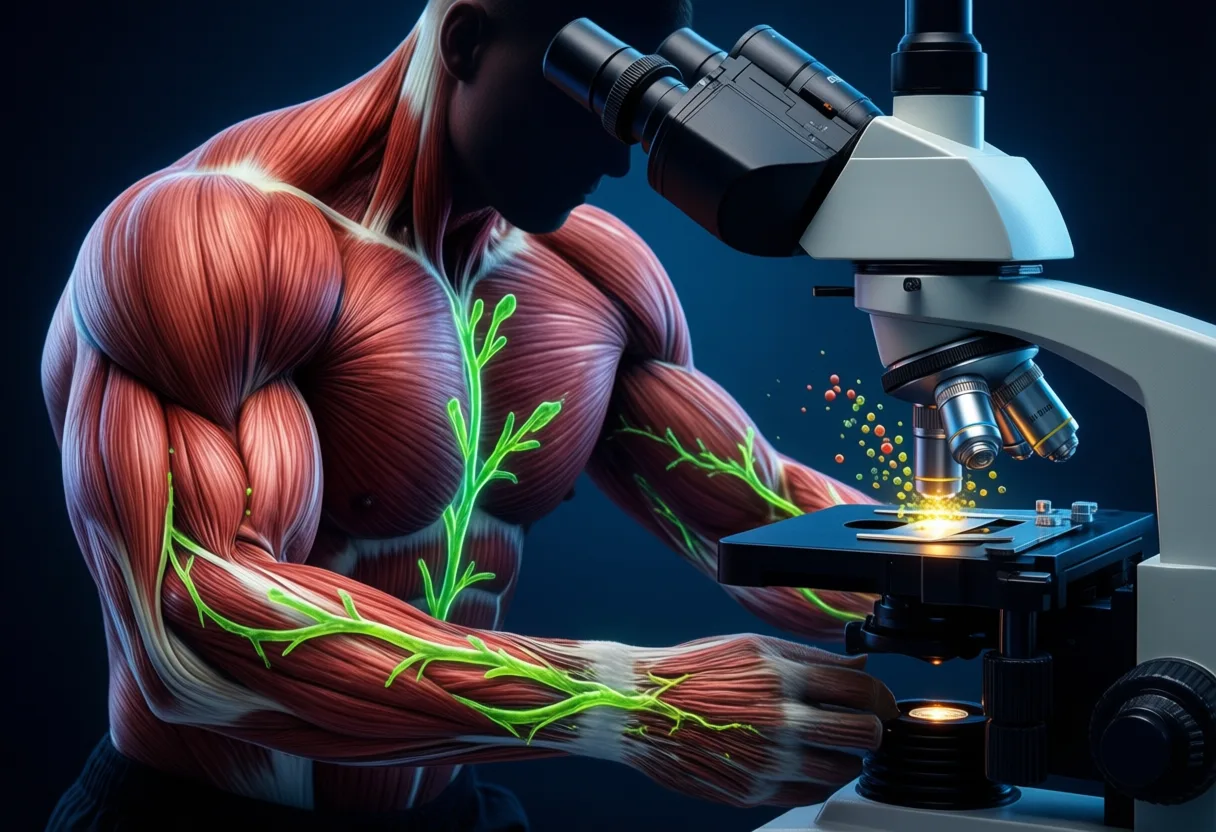
Recovery Isn’t just about rest-it’s a strategic phase where your body rebuilds, adapts, and grows stronger. What you do in the hours after your workout can determine whether you gain lean mass or stall despite grueling effort.
Most lifters know protein matters, but few apply the science consistently. Let’s cut through the noise and focus on what actually works.
Why Recovery Starts with More Than Just a Post-Workout Shake
A protein shake after the gym is a solid habit, but it’s only one piece of a much larger recovery puzzle. True muscle repair begins the moment you finish your last rep and continues for up to 48 hours, depending on workout intensity and volume.
Your body doesn’t operate on a Single meal Or supplement. It thrives on consistency-consistent protein intake, sleep quality, and stress management all play critical roles. Skipping meals or relying solely on one post-workout window ignores the full recovery timeline.
Think of recovery as a 24-hour process, not a 30-minute window.
- Muscles repair in phases, not instantly.
- Inflammation and microtears need time and resources to heal.
- Hormonal balance affects how efficiently your body rebuilds tissue.
A single shake won’t override poor daily habits. What matters most is your total protein intake across the day, combined with smart training and rest.
The Hidden Science Behind Protein Timing and Muscle Repair
Muscle protein synthesis-the process that builds new muscle tissue-spikes after resistance training. This increase can last up to two days, especially after intense sessions. But without adequate amino acid availability, that signal goes unanswered.
Spreading protein intake evenly throughout the Day supports Sustained synthesis. Research shows that consuming protein every 3–4 hours leads to better muscle gains than loading it all at once. The body can only utilize so much protein at a time-typically around 20–40 grams per meal for most adults.
Your muscles are like sponges after a workout, more receptive to nutrients. But that doesn’t mean you need to chug a shake within 30 minutes. The so-called “anabolic window” is wider than once believed-several hours post-exercise still offer strong benefits.
Timing still matters, just not in the extreme way some claim.
- Pre-workout protein can reduce muscle breakdown during training.
- Post-workout intake supports repair initiation.
- Evening protein, especially slow-digesting types, may aid overnight recovery.
The real advantage comes from consistency, not perfection. Missed the 30-minute mark? You’re not behind-just eat your next solid meal.
What Type of Protein Fits Your Training Goals?
Not all proteins are created equal. Differences in digestion speed, amino acid profile, and bioavailability affect how well each type supports your goals.
Whey protein Is fast-digesting and rich in leucine, the key amino acid that triggers muscle growth. It’s ideal after workouts when your body needs rapid delivery of building blocks. Casein, on the other hand, digests slowly and provides a steady release-better suited for nighttime or between meals.
Plant-based proteins like pea, rice, or soy can also support muscle growth but often lack a complete amino acid profile unless combined. They’re a solid option for those avoiding dairy, though they may require larger servings to match the leucine content of animal sources.
Consider your training phase:
- Hypertrophy phase? Prioritize high-leucine, fast-absorbing proteins post-workout.
- Cutting phase? Lean proteins with low fat and carbs help maintain muscle while in a deficit.
- Off-season or recovery mode? Blends or slower proteins may support sustained repair.
Whole foods like chicken, eggs, and Greek yogurt remain top-tier choices. Supplements are convenient, but they don’t replace a balanced diet.

How Much Is Too Much: Finding Your Ideal Daily Intake
More protein isn’t always better. While adequate intake is crucial for muscle growth, there’s a point of diminishing returns.
Most active individuals benefit from 1.6 to 2.2 grams of protein per kilogram of body weight per day. Athletes in intense training may go slightly higher, but exceeding 2.5 grams per kilogram rarely offers additional muscle-building benefits.
Your body can only process so much protein at once. Excess is either burned for energy or stored as fat. Long-term overconsumption may strain kidneys in susceptible individuals, though healthy people typically tolerate higher intakes without issue.
To calculate your needs:
- Multiply your weight in kilograms by 1.6–2.2.
- Divide that total across 3–5 meals for even distribution.
- Adjust based on progress-gaining too slowly? Tweak intake and training.
Track your intake for a few days. You might be surprised-many people overestimate how much protein they actually eat.
The Role of Amino Acids in Reducing Soreness and Boosting Strength
Amino acids are the building blocks of muscle, but some play special roles beyond structure. Leucine, isoleucine, and valine-known as branched-chain amino acids (BCAAs)-are heavily marketed for reducing soreness and fatigue.
Leucine directly activates mTOR, the pathway responsible for muscle growth. Without enough leucine, protein synthesis doesn’t kick off efficiently. That’s why complete proteins with high leucine content are more effective than incomplete ones.
Some studies suggest BCAA supplementation may reduce delayed onset muscle soreness (DOMS), especially during unfamiliar or intense training. But if you’re already eating enough high-quality protein, adding extra BCAAs offers little benefit.
Essential amino acids (EAAs) are the full set your body can’t make on its own. Getting all nine is critical-skipping even one halts muscle repair. That’s why food variety matters: different proteins offer different amino acid strengths.
You don’t need a lab to optimize this:
- Eat diverse protein sources throughout the week.
- Prioritize complete proteins at key meals.
- Consider an EAA supplement only if your diet is inconsistent.
Your body isn’t a machine-it’s a system that adapts. Feed it the right tools, and it will respond.
Common Myths That Could Be Slowing Your Progress
Let’s clear the air. The fitness world loves bold claims, but not all of them hold up.
One persistent myth: you must drink a protein shake within 30 minutes of finishing your workout. In reality, as long as you eat a solid meal within a few hours, you’re fine. Total daily intake matters far more than timing precision.
Another myth: more protein automatically means more muscle. But without sufficient training stimulus and calories, extra protein won’t build size. It’s not a magic switch-it’s a building material, not an engine.
And no, plant proteins are not useless. With proper planning, they can support serious muscle growth. The key is combining sources or choosing complete plant proteins like soy or quinoa.
Debunking these myths isn’t about dismissing supplements-it’s about using them wisely.
- Shakes are tools, not miracles.
- Labels like “high-protein” don’t guarantee results.
- Marketing often exaggerates what research doesn’t support.
Stay skeptical. Ask: does this fit my routine, or am I buying into hype?
Putting It All Together: Simple Strategies for Real Results
You don’t need a PhD or a six-figure supplement budget to recover better. Just a few smart, consistent habits.
Start by calculating your daily protein target and spreading it across meals. Aim for 20–40 grams every 3–4 hours. Include a high-quality source at breakfast, post-workout, and before bed.
Pair protein with whole foods, smart training, and real sleep. No amount of supplementation compensates for poor recovery habits. Progress isn’t made in the gym-it’s made while resting.
Here’s a simple plan:
- Eat a complete protein with every meal.
- Time your largest portions around workouts.
- Use supplements to fill gaps, not replace meals.
Stay patient. Muscle growth is slow, but consistent effort wins every time. You’re not chasing quick fixes-you’re building a stronger, leaner body that lasts.
| Protein Type | Digestion Speed | Best Use |
|---|---|---|
| Whey | Fast | Post-workout recovery |
| Casein | Slow | Overnight or between meals |
| Pea | Moderate | Plant-based option, often combined |
| Rice | Moderate | Used with other plant proteins |
| Soy | Moderate | Complete plant protein source |
Powering Performance: The Protein Puzzle
The Timing Tightrope
Ever wonder why that post-workout shake is such a big deal? It’s not just habit-there’s a sweet spot. Your muscles are most receptive to protein within about two hours after exercise, a window when your body is primed to rebuild and repair. Hitting this mark helps reduce soreness and sets the stage for stronger muscles down the line. Skipping it isn’t a disaster, but nailing the timing gives you a real edge.
More Than Just Muscle
Protein doesn’t just build muscle-it supports your immune system, helps carry oxygen in your blood, and keeps your hair and nails healthy. Athletes often focus on the muscle angle, but these behind-the-scenes jobs matter just as much when you're pushing your body hard. Think of protein as a multitasker, not a one-trick pony.
Not All Protein Is Created Equal
Different protein sources deliver amino acids at different speeds. Whey, for example, is fast-digesting-great right after a workout. Casein, found in dairy, digests slowly, making it ideal before bed to keep muscles fed overnight. Plant-based proteins like pea or rice often need to be combined to match the full amino acid profile of animal sources, but they’re effective when chosen wisely. Your body doesn’t care if the protein comes from a cow or a pea-just that it gets what it needs. Explore more stories, videos, and creators on Loaded.
Frequently Asked Questions
How important is protein timing for muscle recovery?
Protein timing matters, but not as strictly as once believed. The anabolic window lasts several hours post-exercise, so consuming protein within a few hours is sufficient. Spreading intake every 3–4 hours supports sustained muscle repair.
What is the best type of protein for after a workout?
Whey protein is ideal post-workout because it is fast-digesting and rich in leucine, which triggers muscle growth. It delivers amino acids quickly when muscles are most receptive.
How much protein should I eat per day for muscle gain?
Most active individuals need 1.6 to 2.2 grams of protein per kilogram of body weight daily. Athletes in intense training may go slightly higher, but benefits plateau above 2.5 grams per kilogram.
Can plant-based proteins support muscle growth effectively?
Yes, plant-based proteins like pea, rice, or soy can support muscle growth. They work best when combined to provide a complete amino acid profile or when using naturally complete sources like soy or quinoa.
This article was produced with AI assistance. How Chiseled Magazine uses AI.
Jin-ho examines how fitness integrates into daily life and evaluates performance gear with a critical eye. He investigates recovery tools, wearable tech, and routines that bridge gym gains with real-world resilience, always prioritizing function over hype.