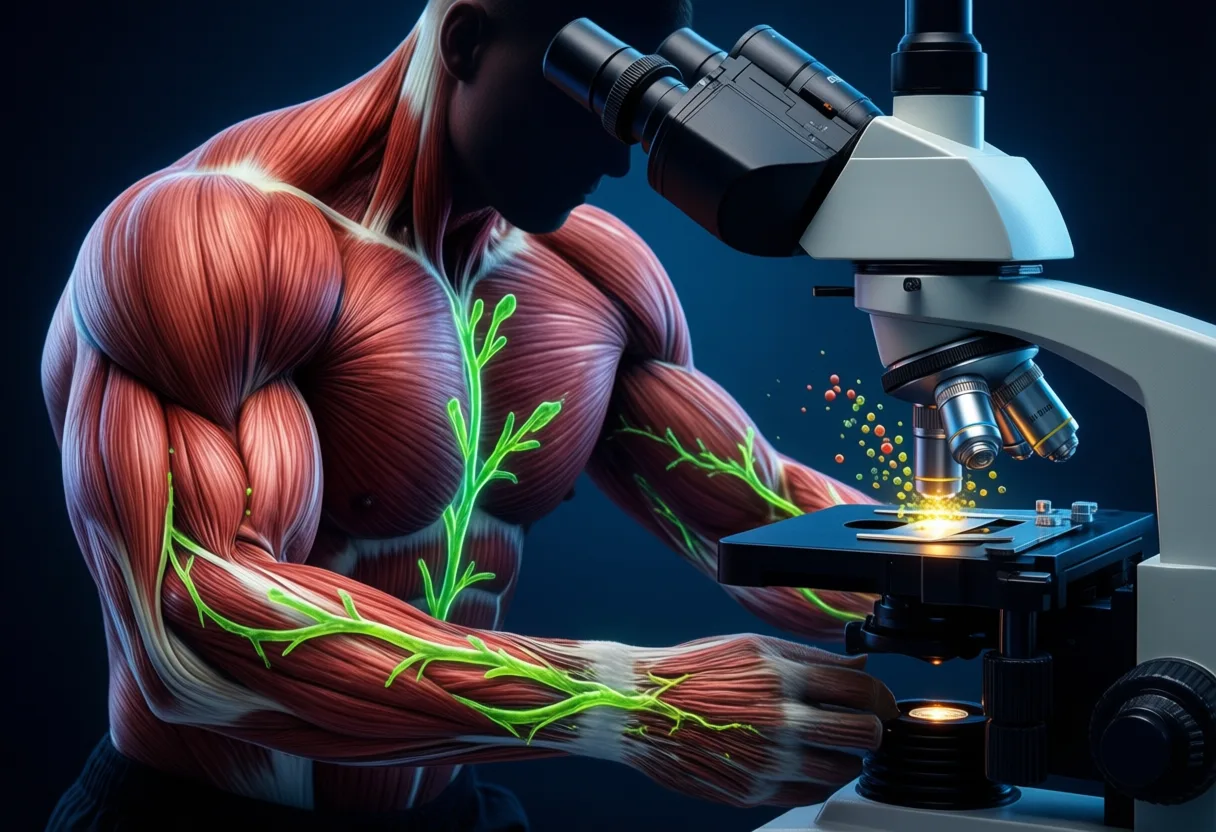

Athletes don’t just train harder-they eat smarter. What fuels elite performance isn’t a secret supplement or a viral diet trend, but a proven, layered approach to Nutrition That supports energy, recovery, and long-term gains.
Fueling the Machine: Breaking Down the Tiers of Athlete Nutrition
1. Base Layer: Prioritizing Carbohydrates for Sustained Energy Output
Carbohydrates are the foundation of athletic fuel. They break down into glucose, the body’s preferred energy source during high-intensity efforts. Without enough carbs, even the most conditioned athlete will hit a wall.
The best athletes time their carb intake to match their training load. Morning lifters benefit from complex carbs at breakfast, while endurance athletes rely on easily digestible forms before long sessions. This isn’t about loading up blindly-it’s about strategic fueling.
- Whole grains, fruits, and starchy vegetables provide steady energy.
- Refined carbs have a place, but mostly during or after intense activity.
- Skimping on carbs leads to fatigue, poor focus, and stalled progress.
Your body stores limited glycogen, so daily intake matters. Training hard without enough carbs is like driving a high-performance car on empty. Replenish consistently to stay in peak condition.
2. Building Blocks: How Protein Supports Muscle Repair and Growth
Protein isn’t just for bodybuilders-it’s essential for every athlete looking to recover and grow stronger. After training, muscles experience micro-tears that need amino acids to rebuild. Without adequate protein, that repair process slows down.
Muscle protein synthesis peaks after exercise, making post-workout nutrition critical. Spreading protein intake throughout the day keeps this process active. One Large meal Won’t cut it-consistency does.
- Aim for 20–40 grams of protein per meal, depending on body size and activity level.
- Animal and plant-based sources both work, as long as they deliver essential amino acids.
- Leucine-rich foods like eggs, chicken, and soy are especially effective at triggering muscle growth.
More protein doesn’t always mean more muscle. There’s a ceiling to how much the body can use at once. Excess protein gets stored as fat or excreted-timing and portion matter more than quantity.
3. Hidden Power: The Essential Role of Fats in Hormone Regulation
Fats often get a bad rap, but they’re vital for hormone health and long-term energy. Testosterone, growth hormone, and other anabolic signals depend on dietary fat to function properly. Cut too much, and you risk slowing recovery and weakening performance.
Not all fats are equal. Unsaturated fats from nuts, seeds, avocados, and fatty fish support heart and metabolic health. Saturated fats aren’t evil, but they should be Balanced With healthier options.
- Omega-3 fatty acids reduce inflammation and support joint health.
- Very low-fat diets can disrupt hormone balance and lower energy.
- Fat takes longer to digest, so it’s best minimized right before intense training.
Fats are dense in calories, but that doesn’t make them the enemy. They’re a steady energy source for low-to-moderate efforts and critical for overall health. Respect their role, and they’ll support your gains.
4. Micronutrient Momentum: Vitamins and Minerals That Drive Metabolism
Vitamins and minerals don’t deliver calories, but they keep the engine running. B vitamins help convert food into energy. Magnesium supports muscle relaxation and nerve function. Iron carries oxygen to working muscles.
Deficiencies can sabotage performance, even if macros look perfect. Female athletes and those on restrictive diets are especially at risk. A varied diet rich in colorful vegetables, fruits, and whole foods is the best defense.
- Dark leafy greens offer iron, calcium, and antioxidants.
- Citrus and bell peppers boost vitamin C, which aids recovery.
- Dairy or fortified alternatives support bone health with calcium and vitamin D.
No supplement can replace a nutrient-dense diet. Whole foods deliver micronutrients in forms the body recognizes and uses efficiently. Skimp on variety, and you risk hidden gaps that slow progress.
5. Hydration Beyond Water: Balancing Electrolytes During Prolonged Effort
Water is essential, but it’s not the whole hydration story. During long or intense workouts, you lose sodium, potassium, and other electrolytes through sweat. Replacing only water can dilute blood sodium levels, leading to fatigue or worse.
Electrolytes regulate nerve and muscle function, fluid balance, and pH levels. For sessions under an hour, water is usually enough. For longer efforts, especially in heat, adding electrolytes improves endurance and reduces cramping.
- Sodium is the most critical electrolyte lost in sweat.
- Coconut water or sports drinks can help, but check sugar content.
- Real food like bananas and salted nuts also restore balance.
Hydration isn’t just about thirst-it’s about balance. Waiting until you’re thirsty means you’re already behind. Sip consistently and adjust based on sweat rate and duration.
6. Timing Is Everything: Strategic Eating Around Training Windows
When you eat matters as much as what you eat. The body’s ability to use nutrients shifts with activity. Pre-workout meals should fuel performance. Post-workout meals should kickstart recovery.
Eating too close to training can cause discomfort. Too far out, and energy drops. A balanced meal 2–3 hours before exercise works for most. A small carb-rich snack 30–60 minutes out can top off glycogen.
- Pre-workout: focus on carbs with moderate protein, low fat.
- During: only necessary for sessions over 90 minutes.
- Post-workout: combine carbs and protein within 1–2 hours.
Timing isn’t about rigid rules-it’s about syncing nutrition with your body’s needs. Listen to hunger cues and adjust based on how you feel and perform.
7. Supplements-Do They Belong on Your Plate?
Supplements can fill gaps, but they don’t replace real food. Protein powders help when whole food isn’t practical. Creatine has strong evidence for strength and power. Caffeine can boost focus and endurance.
Many supplements promise results but deliver little. The market is full of flashy labels and unproven claims. If it sounds too good to be true, it probably is. Stick to products with third-party testing and solid research.
- Multivitamins may help if your diet is inconsistent.
- Omega-3s are useful if you don’t eat fatty fish.
- Branched-chain amino acids (BCAAs) are rarely needed with adequate protein intake.
The best supplement is a well-structured diet. Focus on whole foods first, then consider additions only if necessary. No pill will give you six-pack abs or massive arms-hard work and smart eating will.

The Myth of One-Size-Fits-All Meal Plans
Every athlete has different needs based on sport, body type, and goals. A marathoner needs more carbs than a powerlifter. A teenager building muscle has different calorie demands than a seasoned pro.
Generic meal plans fail because they ignore individuality. What works for one person might stall progress for another. Your nutrition should evolve with your training, not follow a rigid template.
Metabolism, digestion, and even taste preferences play a role. Some thrive on three big meals. Others do better with five smaller ones. The key is finding what keeps you energized, recovered, and consistent.
There’s no universal ideal. Experiment, track how you feel, and adjust. Nutrition isn’t about perfection-it’s about sustainability and performance.

When More Isn’t Better: Avoiding Overconsumption in High-Performance Diets
Eating more to train harder seems logical, but excess calories don’t turn into muscle-they turn into fat. Just because you’re active doesn’t mean you can eat without limits.
Overeating, even on healthy foods, leads to unwanted weight gain. Protein bars, nuts, and smoothies are easy to overdo. Liquid calories, in particular, add up fast without triggering fullness.
- Track portions during bulk phases to avoid unnecessary fat gain.
- Monitor progress weekly-scale, energy, and performance all matter.
- Adjust intake based on actual results, not assumptions.
Fueling for performance doesn’t mean eating like a furnace. It means matching intake to output. Precision beats volume every time.
Putting It Into Practice: Simple Swaps to Align with Performance Goals
Small changes make big differences over time. Swap sugary cereal for oatmeal with fruit and nuts. Replace soda with sparkling water and a splash of juice. Choose grilled chicken over fried.
These aren’t extreme fixes-they’re sustainable upgrades. Focus on nutrient density, not deprivation. Eat more of what helps you, less of what doesn’t.
- Brown rice instead of white for extra fiber and minerals.
- Greek yogurt over regular for more protein.
- Whole fruit instead of juice to keep fiber and control sugar.
Progress comes from consistency, not perfection. One bad meal won’t ruin gains. One smart swap repeated daily will build them.

What Your Plate Should Look Like Before, During, and After Competition
Before competition, prioritize digestible carbs and moderate protein. Avoid high-fat or high-fiber foods that slow digestion. A banana with peanut butter or toast with egg are solid choices.
During events lasting over 60–90 minutes, maintain energy with carbs every 30–60 minutes. Gels, chews, or sports drinks work, but practice with them first. Stomach tolerance varies.
After competition, recovery starts fast. Combine carbs to refill glycogen and protein to repair muscle. A shake, sandwich, or balanced meal within two hours maximizes results.
- Keep it simple: 3:1 carb-to-protein ratio is a reliable target.
- Hydrate with electrolytes, especially if you sweated heavily.
- Don’t skip the post-event meal-your body is primed to recover.
Your plate is your playbook. Feed it right, and it will perform. Every bite should have a purpose-fuel, repair, or rebuild.
Building a Stronger Game with Smart Fueling
The Forgotten Base of the Pyramid
Back in the 1980s, the food guide pyramid we all remember from school posters had grains at the base, urging us to eat six to 11 servings a day. But for athletes, that model didn’t quite hit the mark. Enter the sports nutrition pyramid-a smarter take on fueling that puts Total energy needs At the foundation. It’s not just about piling on pasta; it’s about matching your overall calorie intake to your training load. Skimp here, and everything else crumbles, no matter how much protein you down.
Veggies and Fruits Aren’t Just for Show
While carbs get top billing in many athlete circles, the sports nutrition pyramid quietly emphasizes vegetables and fruits just above the energy base. These aren’t just fillers-they’re packed with vitamins, minerals, and antioxidants that help your body recover from tough workouts. Think of them as nature’s repair crew. A soccer player hitting the gym six times a week? They’re not just burning energy-they’re creating wear and tear that only nutrient-rich foods can efficiently fix.
Protein: Important, But Not the King
Here’s a surprise: protein doesn’t dominate the sports nutrition pyramid. It sits comfortably in the middle tiers, meaning timing and total daily intake matter more than loading up at every meal. Overdoing it won’t build more muscle-your body can only use so much at once. Instead, spreading moderate amounts across meals works better. It’s like laying bricks evenly on a wall rather than dumping them all in one spot and hoping they stay put. Explore more stories, videos, and creators on Loaded.
Frequently Asked Questions
What is the foundation of the sports nutrition pyramid?
The foundation is total energy needs, matched to training load. Without sufficient calories, performance and recovery suffer, regardless of other nutrients.
How important are carbohydrates for athletes?
Carbohydrates are essential as they provide glucose, the body’s preferred energy source during high-intensity efforts. Strategic intake supports sustained energy and glycogen replenishment.
When should athletes consume protein for optimal recovery?
Protein is most effective when consumed consistently throughout the day, with 20–40 grams per meal. Post-workout intake helps maximize muscle protein synthesis.
Why are vegetables and fruits emphasized in the sports nutrition pyramid?
They provide vitamins, minerals, and antioxidants that aid recovery from intense workouts. They support metabolic functions and help prevent deficiencies.
This article was produced with AI assistance. How Chiseled Magazine uses AI.
Jin-ho examines how fitness integrates into daily life and evaluates performance gear with a critical eye. He investigates recovery tools, wearable tech, and routines that bridge gym gains with real-world resilience, always prioritizing function over hype.