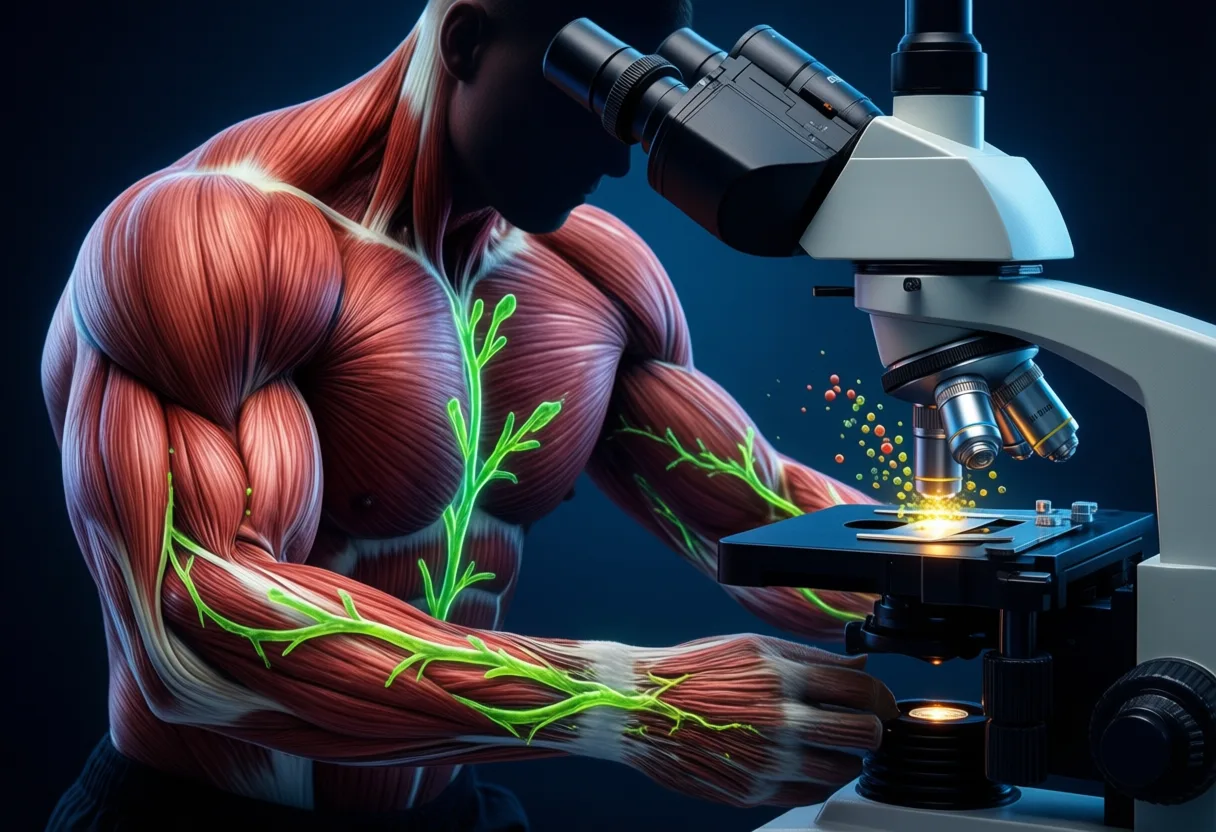

What Fuels the World’s Top Performers?
Elite athletes don’t rely on luck or random pill popping. Their edge comes from precision-measured training, recovery, and nutrition that supports relentless physical demands. While Whole foods Form the foundation, strategic use of supplements helps bridge gaps when diet alone can’t keep up.
These aren’t shortcuts. They’re tools backed by science and refined through years of trial, testing, and real-world results across sports Like weightlifting, endurance running, and team competition. The best performers treat supplementation like any other part of their regimen: with discipline and intent.
Consistency beats complexity every time. A simple, well-timed stack beats a flashy lineup of unproven powders. Champions know this-they focus on what works, not what sells.
The Science Behind Strategic Supplementation
Why Athletes Turn to Supplements
Training at high intensity increases nutrient turnover. Muscles break down faster, energy systems deplete quicker, and recovery windows shrink. Even a solid diet may fall short under these conditions.
Supplements help maintain balance. When protein intake needs spike or micronutrient stores run low, targeted support keeps bodily systems functioning optimally. This is especially true during heavy training blocks or competition phases.
Athletes aren’t immune to lifestyle stressors-poor sleep, travel, or inconsistent meals. In these moments, supplements act as insurance, helping preserve performance despite less-than-ideal circumstances.
Understanding the Gap Between Diet and Demand
Muscle repair requires amino acids. Energy production depends on electrolytes and B-vitamins. Immune resilience relies on zinc and vitamin D. These nutrients are abundant in food-but not always available in the right amounts at the right time.
Consider a 200-pound athlete aiming for 2 grams of protein per pound of body weight daily. That’s 400 grams of protein-a logistical challenge even with meal prep. Here, protein powder isn’t a crutch; it’s a practical solution.
Similarly, creatine levels in muscle tissue plateau without consistent dietary intake-especially for those avoiding red meat. Supplementation ensures saturation, supporting explosive power output over time.
Timing Matters More Than You Think
When to Take What for Maximum Impact
Taking the right supplement at the wrong time can reduce its effectiveness. Timing influences absorption, utilization, and overall benefit. Syncing intake with metabolic rhythms and workout demands amplifies results.
Pre-workout, fast-digesting compounds shine. Caffeine, beta-alanine, and nitrates taken 30–60 minutes before training prime the nervous system, buffer acid buildup, and enhance blood flow. These create a physiological environment conducive to effort.
Post-workout, the priority shifts to repair and replenishment. A combination of protein and carbohydrates within an hour after exercise jumpstarts muscle recovery and glycogen restoration. Delaying this window slows adaptation.
Here’s a general timing guide used by elite trainees:
- Morning: Vitamin D, omega-3s (with fat-containing meal)
- Pre-workout: Beta-alanine, caffeine, citrulline malate
- Post-workout: Whey protein, creatine, simple carbs
- Evening: Casein protein, magnesium, zinc
Some supplements work cumulatively, not acutely. Creatine and omega-3s build up over weeks. Others, like caffeine, deliver immediate but temporary effects. Knowing the difference prevents disappointment.
Spreading doses throughout the day also matters. Taking all your creatine at once doesn’t speed up results-muscle uptake has a ceiling. Smaller, regular servings improve retention.
Protein Powders: Beyond the Hype
Protein powders dominate shelves-and conversations-for good reason. They offer concentrated, convenient sources of high-quality protein with minimal fat and carbs. But not all powders are created equal.
Whey isolate Digests quickly, making it ideal post-workout. It spikes blood amino acid levels rapidly, triggering muscle protein synthesis. Casein, slower to digest, provides a sustained release-often preferred at night.
Plant-based options like pea and rice protein blend well to cover essential amino acid profiles. They’re viable alternatives, though some require larger servings to match whey’s leucine content.
Key considerations when choosing:
- Digestibility: Look for clean labels, minimal fillers.
- Leucine content: Higher amounts (2–3g per serving) better stimulate muscle growth.
- Mixability and taste: If you won’t drink it consistently, it won’t help.
Powder quality varies. Third-party tested brands tend to deliver what’s on the label. Contaminants and mislabeling do occur-choose transparency over flashy packaging.
Remember: protein powder doesn’t build muscle. Progressive overload does. The powder just ensures your body has the raw materials to respond.
Creatine Monohydrate: The Most Researched Performance Aid
Creatine sits at the top of the evidence pyramid. Hundreds of studies support its role in increasing strength, power, and lean mass. It’s not flashy, but it’s effective.
It works by boosting phosphocreatine stores in muscle. This fuels rapid ATP regeneration-the energy currency needed for short bursts of effort like sprints or heavy lifts. More fuel means more reps, more speed, more progress.
The standard protocol is simple: 3–5 grams daily. Some load with 20 grams for 5–7 days to saturate muscles faster, but it’s optional. Benefits appear within 2–4 weeks either way.
Common myths persist-creatine causes bloating or kidney damage. Research shows neither holds true for healthy individuals. Any initial water weight stays within muscle cells, not under the skin.
It’s one of the few supplements proven to enhance both anaerobic and cognitive performance. Vegetarians often see even greater gains due to lower baseline levels.
Long-term use is safe, affordable, and scalable. No need for cycling. Once muscles are saturated, maintenance dosing preserves benefits indefinitely.
Electrolyte Formulas for Sustained Endurance
Sweat isn’t just water-it’s loaded with sodium, potassium, magnesium, and calcium. Lose too much, and cramps, fatigue, and poor thermoregulation follow. Hydration means replacing all four.
Plain water dilutes electrolytes further. During long sessions or in hot environments, this imbalance risks hyponatremia-a dangerous drop in blood sodium. Electrolyte formulas prevent that.
Look for products with meaningful sodium content-between 300–1,000 mg per liter. Potassium and magnesium should be present but not excessive. Avoid sugary sports drinks unless fuel is also needed.
Endurance athletes benefit most. Runners, cyclists, and team sport players lose liters of fluid per hour. Replenishing electrolytes during and after activity supports performance and recovery.
Even gym-goers sweat. Heavy lifting in air-conditioned rooms still leads to mineral loss over time. Daily needs increase with training volume.
Homemade mixes work too-salt, lemon juice, and a pinch of magnesium powder can do the job. Simplicity often wins when cost and control matter.
Branched-Chain Amino Acids and Muscle Recovery
Branched-chain amino acids (BCAAs)-leucine, isoleucine, valine-are metabolized directly in muscle. This makes them unique among amino acids and relevant to training stress.
They may reduce markers of muscle damage and soreness, especially during calorie deficits or frequent training. However, their effect is modest if total protein intake is already sufficient.
Most benefits appear when BCAAs are taken between meals or during fasted training. In these cases, they help prevent catabolism-muscle breakdown-without spiking insulin like whole protein would.
But if you’re consuming adequate protein throughout the day, adding BCAAs offers little extra. Whole proteins like whey contain BCAAs plus the full spectrum needed for repair.
For natural trainees or those restricting food intake, BCAAs can be useful. Otherwise, prioritize complete protein sources first.
They’re not useless-just situational. Use them where they make sense, not because influencers push them.

Beta-Alanine and the Burn: Delaying Fatigue
Beta-alanine increases muscle carnosine levels. Carnosine buffers acidity during high-intensity efforts-exactly when hydrogen ions accumulate and cause that familiar “burn.”
By delaying acid buildup, athletes can squeeze out extra reps or sustain pace longer. Effects are clearest in efforts lasting 60–240 seconds-think circuit training, wrestling rounds, or swimming sprints.
Dosing typically ranges from 2–5 grams daily, split into smaller servings to avoid paresthesia-the harmless but noticeable tingling some feel. Time-release versions reduce this side effect.
Benefits take 2–4 weeks to peak as carnosine builds gradually. Unlike stimulants, it doesn’t kick in immediately. Patience is required.
It won’t transform aerobic endurance or maximal strength. Its niche is clear: repeated bouts of intense work with limited rest.
Stacked with creatine, beta-alanine shows synergistic effects in power-endurance protocols. Together, they support both energy and buffering capacity.
Omega-3s: The Inflammation Modulators
Omega-3 fatty acids-EPA and DHA-play critical roles in cell membrane fluidity, brain function, and inflammation regulation. They don’t pump you up, but they help you recover smarter.
Intense training creates oxidative stress and micro-inflammation. Short-term, this drives adaptation. Long-term, unchecked inflammation hampers recovery and joint health. Omega-3s help modulate that response.
Doses used in research range from 1–3 grams of combined EPA/DHA daily. Higher intakes may benefit those with joint pain or sedentary lifestyles layered on top of training.
Fish oil is the most common source. Algal oil works for vegans. Quality matters-oxidized oils lose potency and may even contribute to inflammation.
They also support cardiovascular markers and cognitive clarity. For athletes juggling training, work, and life, mental sharpness is an underrated advantage.
Don’t expect overnight changes. Like creatine, omega-3s work cumulatively. Consistent intake over months yields measurable differences in recovery and wellness.
Vitamin D: The Silent Regulator in Athletic Health
Vitamin D influences far more than bone health. It regulates immune function, testosterone production, muscle strength, and mood-all crucial for peak performance.
Many athletes are deficient, especially in winter or with indoor training schedules. Limited sun exposure, skin tone, and latitude affect synthesis. Supplementation becomes necessary.
Levels below 30 ng/mL are linked to increased injury risk, slower healing, and reduced power output. Maintaining above 40 ng/mL appears optimal for athletic function.
Dosing varies-1,000–4,000 IU daily is common, but needs depend on baseline status. Blood testing provides the clearest picture, though many safely supplement within this range.
It’s fat-soluble, so take it with a meal containing fats for better absorption. Pairing it with omega-3s or a multivitamin improves uptake.
Think of vitamin D as infrastructure. You don’t notice it until it’s missing-and then everything starts to crack.

Separating Fact from Fitness Fads
Common Myths That Mislead Even Seasoned Competitors
Not every trending supplement delivers. The market thrives on novelty, but most new entrants lack evidence. Staying grounded prevents wasted money and false hopes.
Myth: “More is better.” Doubling the dose doesn’t double results. Many nutrients have thresholds-once met, excess is excreted or stored inefficiently.
Myth: “Natural means safe.” Natural doesn’t imply effective or harmless. Some plant extracts interact with medications or strain organs at high doses.
Myth: “If pros use it, it must work.” Pros often use multiple interventions at once-steroids, peptides, hyper-specialized diets. Isolating one supplement’s effect is nearly impossible.
Popular but poorly supported include:
- Tongkat ali for testosterone (minimal impact in healthy males)
- Deer antler velvet (IGF-1 content negligible orally)
- Most “test boosters” with fenugreek or ashwagandha (mild at best)
Stick to compounds with decades of research, not social media buzz. Popularity ≠ efficacy.
Tailoring Your Stack to Your Sport
Matching Supplements to Movement and Metabolism
A marathoner’s needs differ from a powerlifter’s. So should their supplement approach. One-size-fits-all stacks ignore metabolic specificity.
Endurance athletes prioritize sustained energy, thermoregulation, and aerobic efficiency. Key supports include electrolytes, beta-alanine, omega-3s, and iron (if deficient).
Strength and power athletes focus on force output, recovery density, and muscle growth. Creatine, protein, and vitamin D are cornerstones. Caffeine aids focus during heavy lifts.
Team sport players face hybrid demands-speed, agility, repeated sprints, contact. They benefit from a mix: creatine for power, BCAAs during tournaments, electrolytes for hydration stability.
Combat athletes cutting weight need different strategies. Electrolyte management becomes critical. Protein and BCAAs help preserve muscle in deficits.
Even within sports, individual variation exists. Gut tolerance, training age, and goals shape what works. Track your response-don’t assume.
Start with basics. Master protein timing, creatine, and vitamin D before layering in advanced options. Complexity follows competence.
Smart Choices for Long-Term Gains
Safety, Synergy, and Sustainable Practices
Supplements should enhance health, not compromise it. Long-term thinking beats short-term gains. No result is worth liver damage or hormonal chaos.
Choose third-party tested products when possible. Labels lie. Independent certification reduces risk of contamination with banned substances or inaccurate dosing.
Avoid proprietary blends that hide ingredient amounts. Transparency builds trust. If a brand won’t disclose doses, ask why.
Synergy matters. Vitamin D increases calcium absorption-pairing it with a multimineral improves balance. Omega-3s and antioxidants may work better together than alone.
Cycle only when necessary. Most supplements don’t require breaks. Creatine, protein, omega-3s, and vitamins can be taken year-round.
Hydration, sleep, and training consistency still outweigh any pill. Supplements amplify effort-they don’t replace it.
Keep records. Note energy, recovery, strength trends. Adjust based on data, not hype.
What Champions Know That Most Don’t
Champions don’t chase miracles. They master the fundamentals, stay patient, and trust process over spectacle. Their supplement routines reflect that mindset.
They know Consistency compounds. Small advantages-more reps, faster recovery, sharper focus-add up over months and years. That’s how physiques change and records fall.
They avoid the noise. New products launch weekly. They stick with what’s proven, measured, repeatable. Flashy branding doesn’t lift weights-discipline does.
And they listen to their bodies. Not every supplement works for everyone. Individual responses vary. Adjust accordingly.
Supplements are tools. Use them wisely, and they’ll serve you well. Rely on them blindly, and they’ll disappoint. The difference is judgment.
Fueling Greatness: The Scoop on What Athletes Really Use
The Protein Powder Puzzle
Whey protein isn’t just for bodybuilders-its fast absorption makes it a go-to after workouts to help muscles recover. Casein, another milk-based protein, digests slowly, which is why some athletes prefer it before bed to support overnight muscle repair. Plant-based options like pea or rice protein have surged in popularity, offering effective alternatives for those avoiding dairy or following vegan diets.
Caffeine’s Double-Edged Boost
Many athletes turn to caffeine not just for energy but for its proven ability to sharpen focus and improve endurance. It’s one of the few supplements with strong research backing its performance benefits, especially in endurance sports. However, timing matters-too close to bedtime can disrupt sleep, which ultimately hinders recovery and gains.
The Creatine Conundrum
Creatine is one of the most studied supplements and consistently shows benefits for short bursts of high-intensity activity, like sprinting or weightlifting. Despite myths, it’s not a steroid-it’s a naturally occurring compound found in small amounts in meat and fish. Some people don’t respond much to creatine, but for others, it can mean noticeable gains in strength and power over time.
Frequently Asked Questions
What is the best supplement for muscle recovery after workouts?
Whey protein is ideal post-workout due to its fast digestion, which rapidly increases blood amino acid levels and kickstarts muscle protein synthesis.
How does creatine improve athletic performance?
Creatine boosts phosphocreatine stores in muscle, enhancing rapid ATP regeneration needed for short bursts of effort like sprints or heavy lifts, leading to increased strength, power, and lean mass.
Why are electrolytes important for endurance athletes?
Electrolytes like sodium, potassium, magnesium, and calcium are lost through sweat; replacing them prevents cramps, fatigue, and hyponatremia, supporting performance and recovery during long sessions or in hot environments.
What role does vitamin D play in athletic health?
Vitamin D regulates immune function, testosterone production, muscle strength, and mood; maintaining levels above 40 ng/mL is optimal for athletic performance and reduces injury risk.
This article was produced with AI assistance. How Chiseled Magazine uses AI.
Jin-ho examines how fitness integrates into daily life and evaluates performance gear with a critical eye. He investigates recovery tools, wearable tech, and routines that bridge gym gains with real-world resilience, always prioritizing function over hype.