Dumbbells Are not backup gear. They are the foundation of elite tricep development-anywhere, anytime.
You don’t need cables, machines, or a full gym. You need control, tension, and precision. This is how champions build definition that cuts through light.
Why Dumbbells Dominate for Tricep Development
Dumbbells force unilateral strength. Each arm works independently, exposing and correcting imbalances instantly.
They allow natural movement paths. Unlike fixed machines, dumbbells adapt to your joint alignment, reducing strain and increasing Muscle recruitment. This leads to safer, more effective training over the long term.
Range of motion is deeper with dumbbells. You can adjust angles on the fly-tilt, rotate, extend-maximizing tricep fiber activation through every degree of movement. For more effective strategies, see Dumbbell Tricep exercises For Building strength And Size.
The Biomechanics Behind Effective Single-Arm Work
Single-arm movements demand core stabilization. Your body resists rotation, turning a tricep exercise into a full-body engagement.
The shoulder joint moves freely during dumbbell work. This allows optimal humeral alignment, protecting the rotator cuff while maximizing triceps long head activation.
Each rep becomes a test of control. There is no cheating momentum. One arm, one weight, one chance to do it right.
Can You Build Championship-Level Definition Without a Gym?
Yes. Definition comes from muscle quality, not equipment quantity. You build sharpness Through progressive Resistance and clean execution-both possible at home.
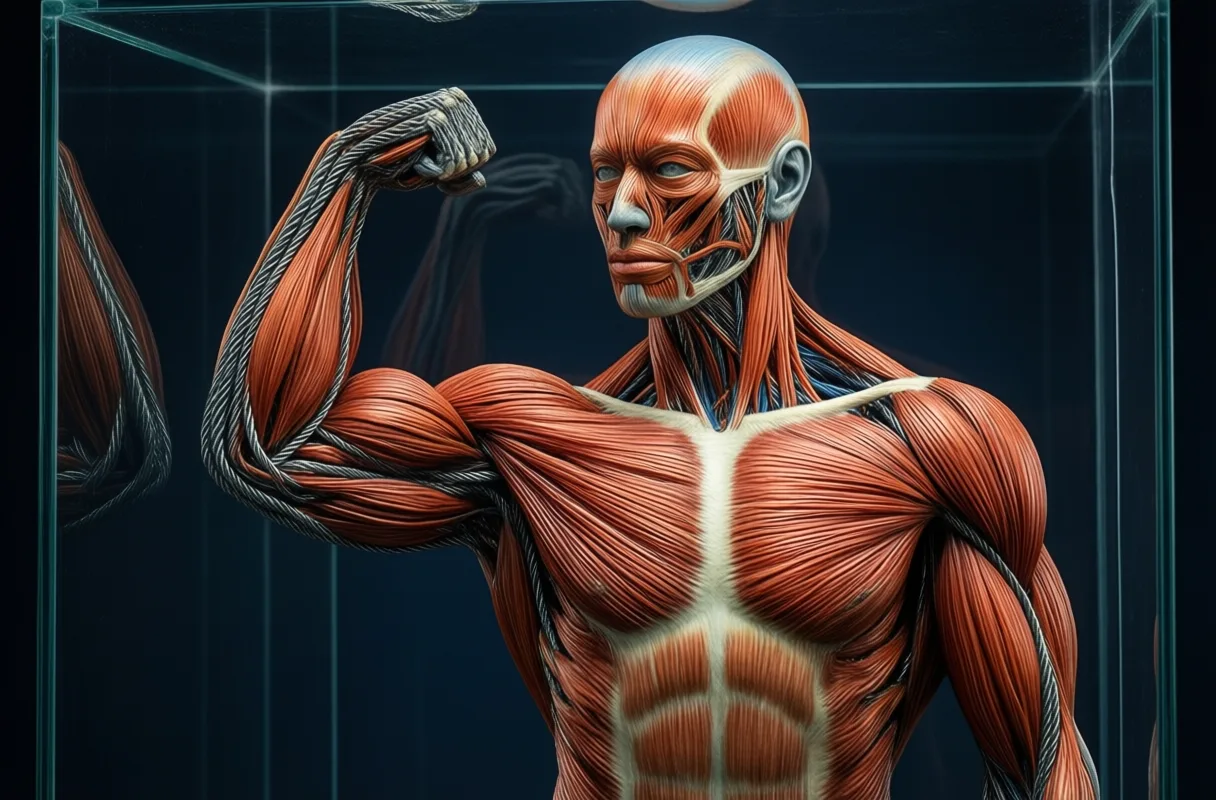
Triceps make up two-thirds of your arm mass. Developing them fully creates the appearance of larger, harder arms-even when body fat is low.
No cables? No problem. Dumbbells replicate cable tension through proper tempo and positioning. The stimulus is identical when form is strict.
Understanding Tricep Anatomy in Resistance Training
The triceps brachii has three heads: long, lateral, and medial. The long head crosses the shoulder joint, requiring overhead stretch for full activation.
Extension at the elbow fires all three heads. But angle and grip determine which head dominates. Neutral grips hit the long head hardest.
To build complete triceps, you must train through full extension and full flexion. This means both overhead and pressing movements.
7 Dumbbell Moves That Forge Strength and Sharpness
These seven movements target the triceps with precision. Each builds strength, size, and definition-using only dumbbells.
They combine isolation, stability, and overload. No fluff. No wasted motion. Just Results.
Follow the form cues. Respect the tempo. This is how you earn the burn.
Overhead Tricep Extension – Slow and Deep
Stand or sit with one dumbbell held overhead. Grip with both hands, elbows tight to the skull. Lower slowly behind the head.
The stretch at the bottom hits the long head like nothing else. Keep the upper arm vertical. Do not flare.
Drive up with control. Squeeze at the top. Three seconds down, one second up. This is where definition begins.
Lying Dumbbell Tricep Press – Power From the Floor
Lie flat on the floor, arms extended, dumbbells above chest. Elbows point to the ceiling. This is the start.
Lower the weights until triceps touch the floor. The floor stops your range-preventing overstretch and protecting joints.
Push back up explosively. The floor ensures strict mechanics. This builds raw pressing power from the ground up.
Standing Kickback – Control Over Momentum
Bend forward, one hand on a bench, opposite hand holding a dumbbell. Elbow high, forearm parallel to the floor.
Extend the arm straight back. Keep the upper arm still. Movement comes from the elbow only.
Squeeze at full extension. Hold for one beat. This isolates the lateral head with surgical precision.
Seated One-Arm Press – Stability Meets Intensity
Sit on a bench, back straight, one dumbbell overhead. Use the free hand to press the elbow down for stability.
Lower the weight behind the head. Keep the torso still. No rocking. No swaying.
Press up with full force. This combines stability and load-forcing the triceps to adapt under pressure.
Floor Skullcrusher – Limited Range, Maximum Tension
Lie on the floor, arms up, dumbbells over chest. Lower until upper arms touch the ground. That’s your limit.
The floor prevents shoulder strain. But it keeps constant tension on the triceps through the entire set.
No momentum. No bounce. Just pure muscle control. This builds endurance and density.
Bench Dip with Dumbbell – Functional Overload
Place one hand on a bench behind you, foot on the floor, dumbbell on the knee. Lower your body with the other arm.
This is a weighted dip using only one triceps at a time. The core braces hard to prevent rotation.
Each rep is a test of strength and balance. You’re not just building muscle-you’re building resilience.
Neutral-Grip Pressdown – Forgotten Isolation
Hold a dumbbell vertically, palms facing in. Press down from chest height as if closing a car door.
The neutral grip reduces wrist strain. The vertical path isolates the medial head.
Few use this move. Fewer master it. But it carves definition into the deepest triceps fibers.

The Misconception That More Weight Equals Better Gains
Lifting heavy is not the same as training smart. Many fail because they prioritize load over logic.
Strength comes from muscle tension, not ego. A lighter weight with perfect form builds more mass than a heavy one with swing.
You don’t grow from what you lift. You grow from what you control.
How Tempo and Form Outperform Brute Force
A three-second lowering phase increases time under tension. This triggers hypertrophy better than any max lift.
Locking elbows at the top squeezes the triceps fully. That final contraction builds peak definition.
Pause at the bottom. No bounce. No rest. Just muscle under fire. This is where champions are made.
From Home Base to Peak Performance: Making Minimal Equipment Maximal
You don’t need a gym. You need discipline. A single dumbbell can forge a championship back and arms.
Use progression: add reps, slow tempo, increase sets. These drive adaptation more than new weights.
Train hard. Train smart. The results follow.
Programming for Progression Without Plateaus
Start with two workouts per week. Use three sets of 10–12 reps per exercise. Focus on form first.
After two weeks, increase to three workouts. Slow the tempo. Add one set per movement.
Track every rep. Every week. Progress is not random. It is earned.
What Your Triceps Are Trying to Tell You About Recovery
Soreness is normal. Sharp pain is not. Your body signals when tissue needs rest.
If elbows ache, reduce range. If strength drops, take a day. Recovery is not weakness-it is strategy.
Train hard. But listen. The triceps speak in fatigue and function.
Signs of Overtraining and Under-Adapting
Persistent elbow pain means joint stress. Stop. Reassess. Modify range or load.
Weakness across workouts signals poor recovery. Sleep, nutrition, and rest are non-negotiable.
Swelling or numbness? That’s a warning. Push past it, and you lose months.
The Real Measure of a Workout’s Worth
It’s not the weight on the dumbbell. It’s the fire in the muscle.
It’s not the sweat. It’s the control. The precision. The repetition done right.
Build strength. Build definition. Build the body that performs-no matter where you train.
| Exercise | Primary Tricep Head Targeted | Key Benefit |
|---|---|---|
| Overhead Tricep Extension | Long head | Deep stretch and full activation |
| Lying Dumbbell Tricep Press | All three heads | Builds raw pressing power safely |
| Standing Kickback | Lateral head | Isolates with precision and control |
| Seated One-Arm Press | All three heads | Combines stability and intensity |
| Floor Skullcrusher | All three heads | Maintains tension, prevents strain |
| Bench Dip with Dumbbell | All three heads | Functional overload and balance |
| Neutral-Grip Pressdown | Medial head | Reduces wrist strain, deep isolation |
Why Your Triceps Love Dumbbells
The Hidden Power of Uneven Loads
Dumbbells force each arm to work independently, which means your stronger side can’t cheat and take over during tricep moves. This solo effort helps fix muscle imbalances you might not even know you have-something barbells or machines often let slide. It’s why a simple dumbbell overhead tricep extension can do more for balanced strength than bulkier lifts.
Fun fact: the triceps make up about two-thirds of your upper arm mass. That means if you’re chasing sleeve-stretching definition, focusing on this muscle isn’t just helpful-it’s essential. Dumbbell exercises like kickbacks or close-grip floor presses hit all three heads of the tricep (yes, there are three!), especially the long head that gives your arms that “horseshoe” look when flexed.
One Dumbbell, Endless Angles
You don’t need a full rack to challenge your triceps. A single dumbbell can be used in multiple ways-flip it vertically for a skull crusher variation, hold it by one end for a concentrated overhead press, or even place it horizontally across your chest for stability drills. Because dumbbells allow free movement, they engage more stabilizer muscles, turning every rep into a mini-core workout too. And since triceps thrive on both heavy loads and high reps, switching between slow, controlled sets and faster burnouts with lighter weights keeps them guessing-and growing. Explore more stories, videos, and creators on Loaded.
Frequently Asked Questions
Can you build strong, defined triceps with just dumbbells?
Yes. Dumbbells allow progressive resistance and clean execution, which build muscle quality and definition without needing cables or machines.
Why are dumbbells effective for tricep development?
Dumbbells enable unilateral work, natural movement paths, and deeper range of motion. They correct imbalances and increase muscle recruitment while reducing joint strain.
What tricep heads do dumbbell exercises target?
Dumbbell moves target all three tricep heads-long, lateral, and medial. Overhead movements emphasize the long head, while pressdowns and kickbacks isolate lateral and medial heads.
How important is form and tempo in dumbbell tricep workouts?
Form and tempo are crucial. A three-second lowering phase increases time under tension, and strict form ensures muscle control, leading to better hypertrophy and definition.
This article was produced with AI assistance. How Chiseled Magazine uses AI.
Tariq breaks down elite workout regimens with precision, translating complex routines into actionable plans. He focuses on form, progression, and the mental discipline behind peak physical performance, often drawing from interviews with strength coaches and competitive athletes across multiple sports.