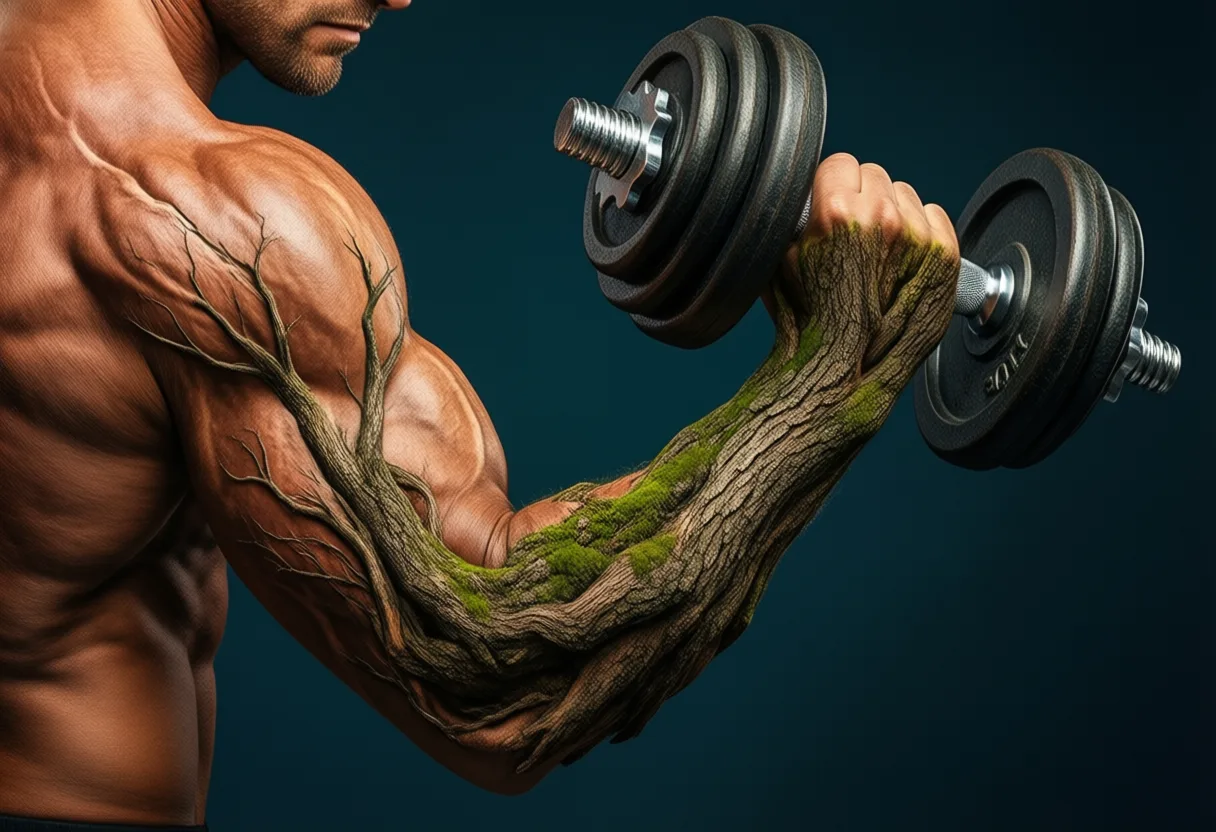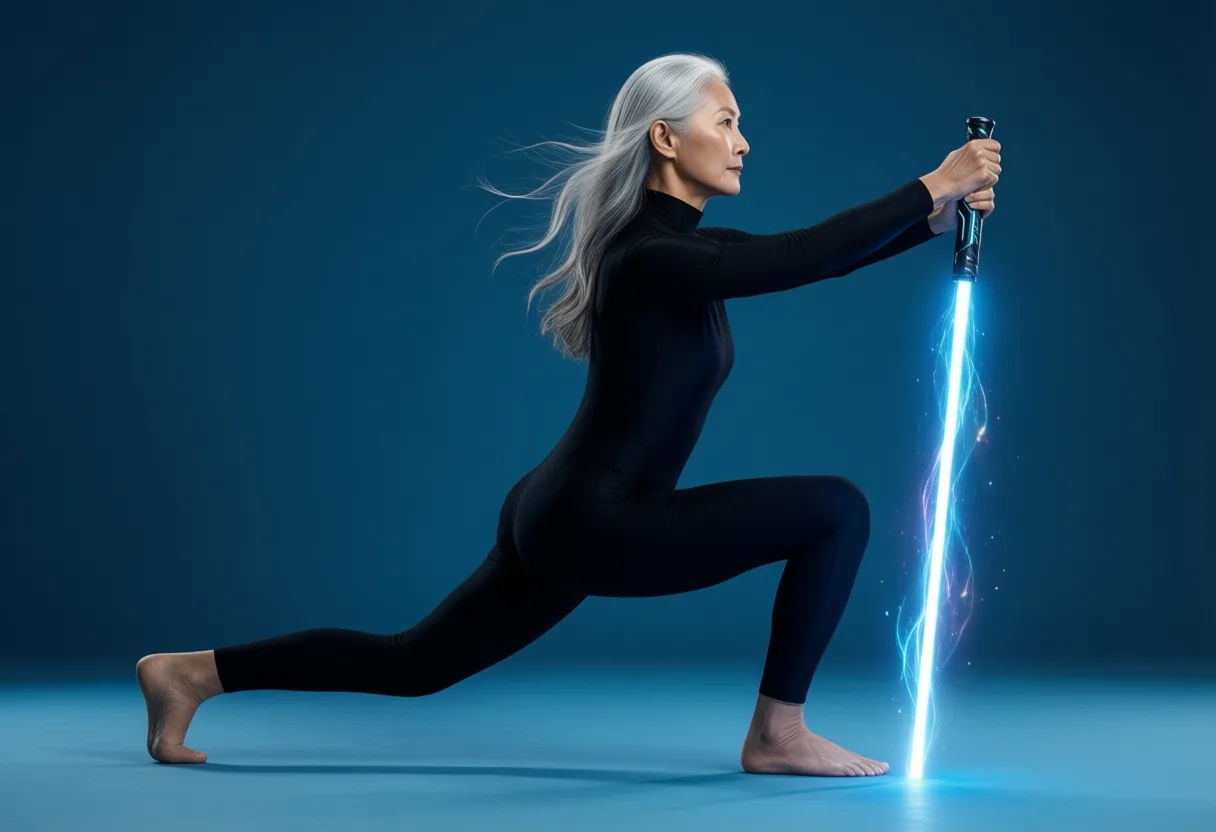
You don’t need a gym membership to build Real strength. Your body is the most powerful training tool you own. With the right moves, executed with focus and consistency, you can forge muscle, burn fat, and carve definition-anywhere, anytime.
Why Bodyweight Training Beats the Gym Hype
Gym culture sells shiny machines and endless reps. But true power comes from mastery of your own mass. Strength Training Exercises Without Equipment force You to control every inch of movement. No momentum. No cheating. Just raw muscle firing against gravity.
You build what you use. And in daily life, you use your body-not barbells. Pushing open a heavy door, lifting groceries, sprinting for the bus-these demand functional strength. Bodyweight training delivers that. It trains muscles to work together, not in isolation.
Forget the myth that you need weight to grow. Progressive tension Builds muscle. You create that through form, tempo, and increased difficulty. Explore options like Strength Training At Home With Minimal Equipment For Beginners to expand your toolkit when ready.
The Hidden Power of No-Equipment Workouts
No equipment means no excuses. Your Workout starts When you decide. No travel. No fees. No waiting. Consistency becomes possible because barriers vanish. Train in your living room, hotel room, or backyard at dawn.
These workouts build more than muscle. They build discipline. Each rep demands mental grit. You learn what your body can do when pushed. That confidence spills into every area of life. You stand taller. Move faster. Feel unstoppable.
Bodyweight routines adapt to any fitness level. Modify a push-up on your knees. Hold a plank for 20 seconds. Progress comes from effort, not gear. For advanced variations, check out Strength Training Exercises For Building Full Body Power.
What Makes Bodyweight Exercises So Effective?
They recruit multiple muscle groups at once. A squat Fires quads, glutes, hamstrings, and core. A push-up engages chest, shoulders, triceps, and serratus anterior. Compound movements build real-world strength fast.
Muscle growth happens under tension. Slow negatives, explosive reps, and pause holds increase time under tension. You don’t need added weight to challenge your system. Control beats load when technique is sharp.
Your nervous system adapts. It learns to fire more motor units with greater coordination. This means stronger, cleaner movement over time. The result? A leaner, harder, more capable physique.
How Functional Strength Transforms Your Daily Life
Functional strength means moving better in reality. You climb stairs without fatigue. Lift kids or luggage with control. Bend and twist without pain. Your body becomes efficient, resilient, and injury-resistant.
Balance and stability improve. Single-leg moves like lunges train your proprioception-the sense of where your body is in space. This reduces fall risk and boosts agility. You move with precision, not hesitation.
Daily tasks feel easier because your muscles work as a team. Core stays engaged. Posture improves. Joints stabilize under load. You’re not just strong-you’re built to last. Women building lean muscle can find targeted guidance at Strength Training Exercises For Women To Build Lean Muscle.
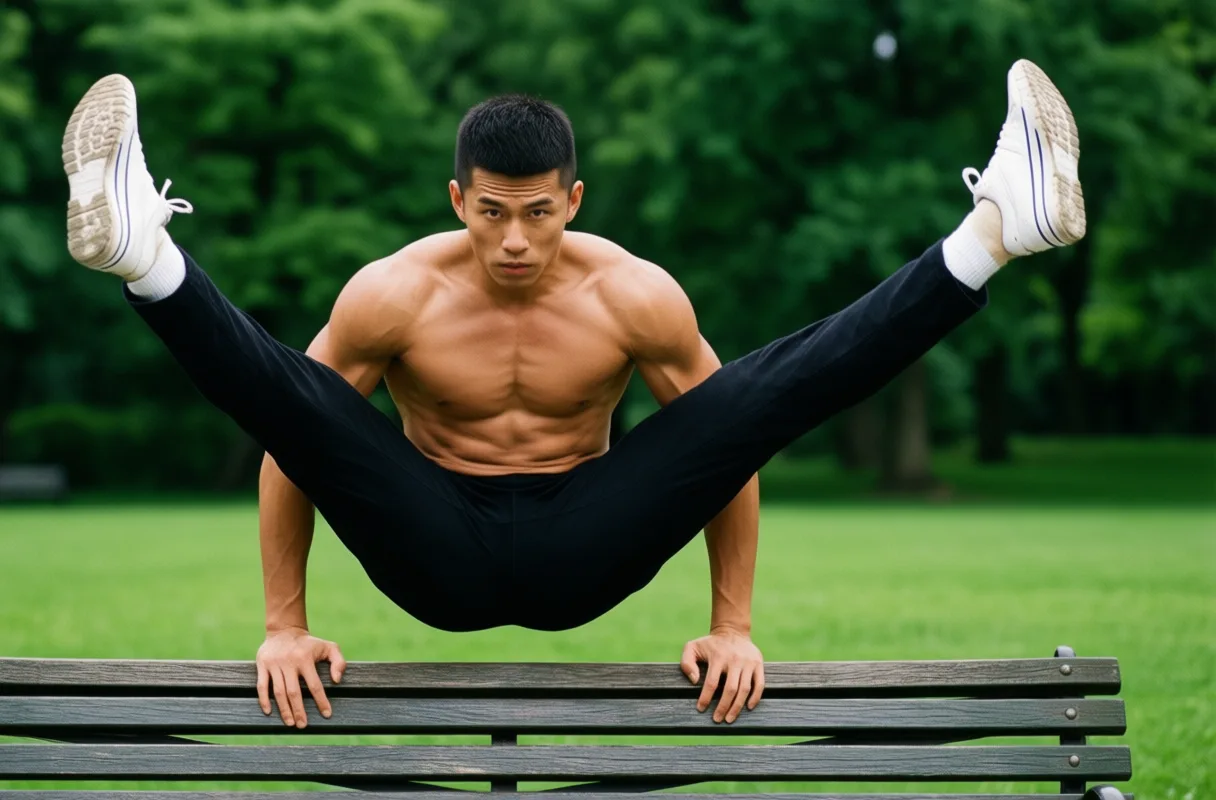
Mastering the Push-Up: Upper Body Powerhouse
The push-up builds chest, shoulders, and triceps with brutal efficiency. Start flat on the floor, hands slightly wider than shoulders. Keep your body in a straight line-no sagging hips. Drive through your palms to rise, lower with control.
If full push-ups are too hard, drop to your knees or elevate your hands on a bench. If they’re too easy, slow the descent or add a clap at the top. Mastery means perfect form first, then progression.
Do three to five sets of as many reps as possible with good form. Rest 60 seconds between sets. Over weeks, your upper body will thicken and define. Push-ups are foundational-master them.
Squats: Sculpt Legs and Glutes Anywhere
Squats are non-negotiable for lower body power. Stand with feet shoulder-width apart. Push hips back, bend knees, and descend until thighs are parallel to the floor. Keep your chest up and spine neutral. Drive through your heels to stand.
This move torches calories and builds mass in quads, glutes, and hamstrings. Add a jump at the top for explosive power. Or hold the bottom position for a burnout set.
Aim for three to four sets of 15–25 reps. Focus on depth and control. Your legs will grow dense and strong. No machine matches the full-body engagement of a perfect squat.
Plank Variations for Core Stability and Strength
The plank is not just an ab exercise-it’s total-body armor. Hold a push-up position on your forearms. Keep your body rigid. No hip hike. No sag. Breathe steady. Squeeze everything.
Start with 20–30 seconds. Build to two minutes. Once mastered, try side planks, plank-to-push-up, or leg lifts. These variations hit obliques, transverse abdominis, and lower back.
Core strength protects your spine and powers every lift, run, and twist. A strong midsection supports posture and prevents injury. It’s the foundation of a chiseled look.
Lunges: Build Balance and Lower Body Definition
Lunges build unilateral strength-each leg works independently. Step forward, lower until both knees hit 90 degrees. Front knee over ankle. Back knee toward floor. Drive through the front heel to return.
This move exposes imbalances and fixes them. It builds glute and quad size while sharpening coordination. Try walking lunges, reverse lunges, or jumping lunges for variety.
Perform three sets of 10–12 reps per leg. Keep your torso upright. Let the movement be slow and controlled. Your legs will gain shape and symmetry.
Glute Bridges: Activate the Posterior Chain
Glute bridges wake up the most underused muscle group: the glutes. Lie on your back, knees bent, feet flat. Drive through your heels to lift your hips. Squeeze your glutes hard at the top. Hold for one second. Lower with control.
This move strengthens the posterior chain-glutes, hamstrings, lower back. It counters sitting all day. Perform it before squats or lunges to activate dormant muscles.
Do three sets of 15–20 reps. For more challenge, lift one leg or place your feet on a bench. Strong glutes mean powerful movement and a lifted, toned rear.

Triceps Dips Using Only a Sturdy Surface
Dips blast triceps, chest, and shoulders using just a chair, bench, or step. Sit on the edge, hands beside hips. Slide your butt off. Lower yourself by bending elbows to 90 degrees. Push back up with triceps power.
Keep your shoulders down-don’t let them hunch. Point elbows back, not out. Lean slightly forward to hit chest, stay upright for triceps focus.
Three sets of 8–15 reps will build arm thickness. When easy, extend legs fully or add pauses. Arms pop when triceps are developed.
Mountain Climbers: Fuse Cardio and Strength
Mountain climbers spike heart rate while working core, shoulders, and legs. Start in a high plank. Drive one knee toward your chest. Switch fast. Stay low. Stay tight. Move with speed.
This move builds endurance and burns fat. It mimics sprinting mechanics. Use it as a finisher or active recovery between strength sets.
Do 30–60 seconds per round. Rest 30 seconds. Repeat 3–5 times. Your lungs will burn. Your core will scream. That’s progress.
Burpees: The Ultimate Full-Body Challenge
Burpees combine squat, plank, push-up, and jump. One rep hits everything. From standing, drop into a squat, kick feet back into plank, do a push-up, jump feet in, explode upward. No rest. No mercy. Pure power.
This is the king of bodyweight exercises. It builds strength, stamina, and mental toughness. Do it right, and you’ll gas out in minutes.
Start with 5–10 reps. Build to 25–50. Use as a finisher or metabolic circuit. You’ll earn every ounce of muscle and definition.
Wall Sits: Endurance Meets Muscle Tone
Wall sits build leg endurance and teach muscular control. Back against wall, slide down until knees are bent 90 degrees. Thighs parallel to floor. Hold the position. Quads will burn. Stay still. Stay strong.
This isometric hold increases time under tension without movement. It builds work capacity and mental grit. Great for building stamina in legs.
Start with 30 seconds. Work up to two minutes. Add pulses or single-leg holds for intensity. Your legs will become dense and defined.
Step-Ups: Turn Stairs Into a Gym
Step-ups turn any stair, bench, or ledge into equipment. Step one foot onto the surface. Drive through the heel to stand. Step down with control. Repeat for reps, then switch legs.
This unilateral move builds strength, balance, and joint stability. It mimics real-life climbing motions. Use higher surfaces for glute focus, lower for quads.
Do 3 sets of 10–12 per leg. Add speed or hold weights later. Stairs are everywhere-use them.

Common Myths About Training Without Weights
“You can’t build muscle without weights.” False. Muscle grows under progressive tension. Bodyweight moves provide that through leverage, tempo, and volume. Effort and execution matter more than equipment.
“Bodyweight workouts are only for beginners.” Wrong. Advanced variations like one-arm push-ups, pistol squats, and planche leans demand elite strength. Skill and power develop over time.
“You’ll only get ‘toned,’ not strong.” Tone is muscle with low fat. You build muscle with resistance. Bodyweight training provides it. You get strong-and shredded.
Why “No Equipment” Doesn’t Mean “No Results”
Results come from effort, not gadgets. Thousands have built ripped physiques using only their body. Discipline beats tools every time. You don’t need more gear-you need more grind.
Progressive overload is possible without weights. Change leverage. Slow the tempo. Increase reps. Reduce rest. These methods keep muscles adapting.
For those ready to add tools later, explore Strength Training Equipment For Home And Gym Workouts or Strength Training Equipment For Home: Top Picks For Effective Workouts for smart upgrades.
Smart Progression: Making Bodyweight Moves Harder Over Time
Progression keeps gains coming. Once a move feels easy, change something. Slow the lowering phase. Add a jump. Lift one leg. Make it harder before adding reps.
Use tempo: 3 seconds down, 1 second up. Or pause at the bottom. These small shifts increase difficulty instantly. Strength grows under new stress.
Track your reps, sets, and form quality. Aim to beat your last performance. Growth comes from consistent improvement, not random effort.
Staying Consistent Without a Coach or Gym Routine
Consistency wins. Set a schedule. Train three to five days a week. Pick a time and stick to it. Motivation fades-routine carries you.
Create a circuit: push-ups, squats, planks, lunges, glute bridges. Do 3 rounds. Takes 20 minutes. Do it at home. No travel. No distractions.
Set goals. Track progress. Take photos. Measure how you feel. Energy. Strength. Confidence. These are real metrics. You don’t need a coach-you need commitment.
The Real Secret to Lasting Full-Body Tone
Tone is muscle plus low body fat. You reveal it through training and nutrition. Bodyweight exercises build the muscle. Discipline burns the fat. Nothing else matters.
Train hard. Eat clean. Recover well. Repeat. There are no shortcuts. But there is a path. It’s simple. It’s free. It’s yours.
Start today. Right here. No equipment. No delay. Your strongest self begins now.
No Gear? No Problem: Toning with Just Your Body
Who says you need a gym membership or fancy gear to build strength? Your body is already packed with everything needed to sculpt muscle and boost endurance. In fact, ancient warriors and athletes relied solely on bodyweight movements to stay battle-ready-no dumbbells in sight. Exercises like push-ups, squats, and lunges tap into natural resistance, using gravity and your own mass to challenge muscles across your entire body.
The Hidden Power of Everyday Moves
Plank holds aren’t just about burning time-they engage your core, shoulders, and even your glutes, all while improving posture and stability. Hold one for just 30 seconds, and you’ll feel it in places you didn’t know could ache (in a good way). And here’s a fun twist: doing a single-leg squat, or “pistol squat,” doesn’t require a circus license, but it does recruit over 200 muscles to keep you balanced. Even something as simple as walking up stairs activates your glutes, quads, and calves more than flat-ground walking-making it a stealthy lower-body workout.
From Floor to Full-Body Burn
Push-ups are more than a chest staple-they shift focus depending on hand placement. Wider hands emphasize the chest, while a narrow stance turns them into a triceps powerhouse. And don’t count out wall sits: holding that seated position against a wall builds serious leg endurance, mimicking the muscle burn of a long set of squats. Best part? These moves can be done anywhere-hotel room, backyard, or even between conference calls. With zero setup and maximum return, bodyweight training proves that sometimes, the best fitness tool is the one you’re already carrying around. Explore more stories, videos, and creators on Loaded.
Frequently Asked Questions
Can you build muscle without weights using bodyweight exercises?
Yes, muscle grows under progressive tension, which can be achieved through bodyweight exercises by adjusting leverage, tempo, volume, and form. Effort and execution matter more than equipment.
What are the benefits of bodyweight training over gym machines?
Bodyweight training builds functional strength, improves balance and coordination, and trains muscles to work together. It requires no equipment, promotes discipline, and adapts to any fitness level.
Which bodyweight exercises work the entire body?
Burpees combine squat, plank, push-up, and jump to hit every major muscle group. Mountain climbers and step-ups also engage multiple areas while building strength and endurance.
How can you make bodyweight exercises harder over time?
Increase difficulty by slowing the tempo, adding jumps, lifting one leg, pausing at the bottom, or reducing rest time. Progressive overload keeps muscles adapting without added weight.
This article was produced with AI assistance. How Chiseled Magazine uses AI.
Tariq breaks down elite workout regimens with precision, translating complex routines into actionable plans. He focuses on form, progression, and the mental discipline behind peak physical performance, often drawing from interviews with strength coaches and competitive athletes across multiple sports.