There’s a quiet power in moving with confidence-standing tall from a chair without bracing your hands, carrying groceries without catching your breath, or stepping onto a curb like it’s nothing. After 70, every small act of strength becomes a quiet victory, and Strength Training Exercises for Seniors Over 70 Are the key to unlocking them. This isn’t about bulking up or chasing youth-it’s about reclaiming ease, independence, and resilience in everyday life.
Imagine your muscles not as showpieces, but as loyal allies-supporting your spine, steadying your balance, and protecting your joints with every step. The truth is, muscle doesn’t fade just because time passes. It fades when it’s not asked to work. And the moment you Start Asking? That’s when the shift begins.
Why Strength Training Matters More After 70
After 70, your body changes-but not in the way you might fear. Muscle mass naturally declines, a process called sarcopenia, and without intervention, it can accelerate. But here’s the good news: your muscles still respond powerfully to resistance. Strength training Is not just safe-it’s essential. It helps maintain bone density, supports joint health, and keeps your metabolism humming like a well-tuned engine.
Think of your body like a finely crafted instrument. Without regular use, the strings go slack, the wood cracks, and the sound grows faint. But when you play it daily-even gently-the music returns. Strength training Keeps your body singing through the years, preserving the rhythm of daily movement.
You don’t need to lift heavy weights or sweat for hours. Just 20 minutes, two to three times a week, can transform how you feel. For more inspiration on how resistance work supports aging bodies, check out Strength Training For Seniors Builds Balance And Independence.
The Hidden Risks of Skipping Resistance Work
Skipping strength training isn’t passive-it’s a decision with consequences. Without resistance, muscles weaken, balance falters, and even Simple tasks Become hurdles. Getting out of a car, climbing stairs, or reaching for a high shelf can start to feel like challenges instead of choices.
Falls are one of the most serious risks of inactivity. Weak legs and poor core control make it harder to recover when you stumble. And once a fall happens, the recovery can be long and steep. But strength training builds the very systems that prevent falls-strong legs, steady hips, and a responsive core.
The cost of skipping isn’t just physical. It’s the slow retreat from the life you love-saying no to hikes, dancing, or playing with grandchildren. But it doesn’t have to be that way. You can stay in the game, and strength is your ticket.
What Makes an Exercise Safe and Effective for Older Adults?
Safety isn’t about staying still-it’s about moving with control, awareness, and support. The best exercises for older adults use proper form, allow for modifications, and build confidence over time. They don’t demand perfection-they invite progress.
Effective movements mimic real-life actions: standing up, reaching, lifting, stepping. These are called Functional Exercises, and they train your body for the tasks you do every day. They’re not flashy, but they’re powerful.
Look for exercises that: - Allow you to maintain a neutral spine - Can be done with support (like a chair or wall) - Let you control the range of motion - Don’t cause joint pain or strain
How Functional Strength Differs from Bodybuilding Goals
Functional strength isn’t about how your arms look in a tank top-it’s about how easily you can carry a laundry basket up the stairs. It’s measured not in inches or pounds, but in freedom and ease. You’re not training for a stage; you’re training for life.
Bodybuilding focuses on muscle size and symmetry. Functional strength focuses on stability, balance, and joint support. The movements are simpler, the loads lighter, but the payoff is greater: independence, confidence, and reduced risk of injury.
You’re not chasing a six-pack-you’re building a body that moves without fear. For more on how functional training supports long-term vitality, explore Strength Training Exercises For Building Full Body Power.
Top 9 Strength Training Exercises for Seniors Over 70
1. Chair Squats: Building Leg Power with Support
Chair squats teach your legs to work like strong pistons. Stand in front of a sturdy chair, feet hip-width apart. Slowly lower yourself as if sitting, then tap the seat and rise. Keep your chest lifted and your weight in your heels.
This movement builds the muscles you use to stand, climb, and walk. It’s safe, simple, and scalable-perfect for Beginners. Use the chair for balance, not support, and focus on control.
Over time, you’ll notice it gets easier to rise from a low couch or stand after dinner. That’s functional strength in action.
2. Wall Push-Ups: Upper Body Strength Without Joint Stress
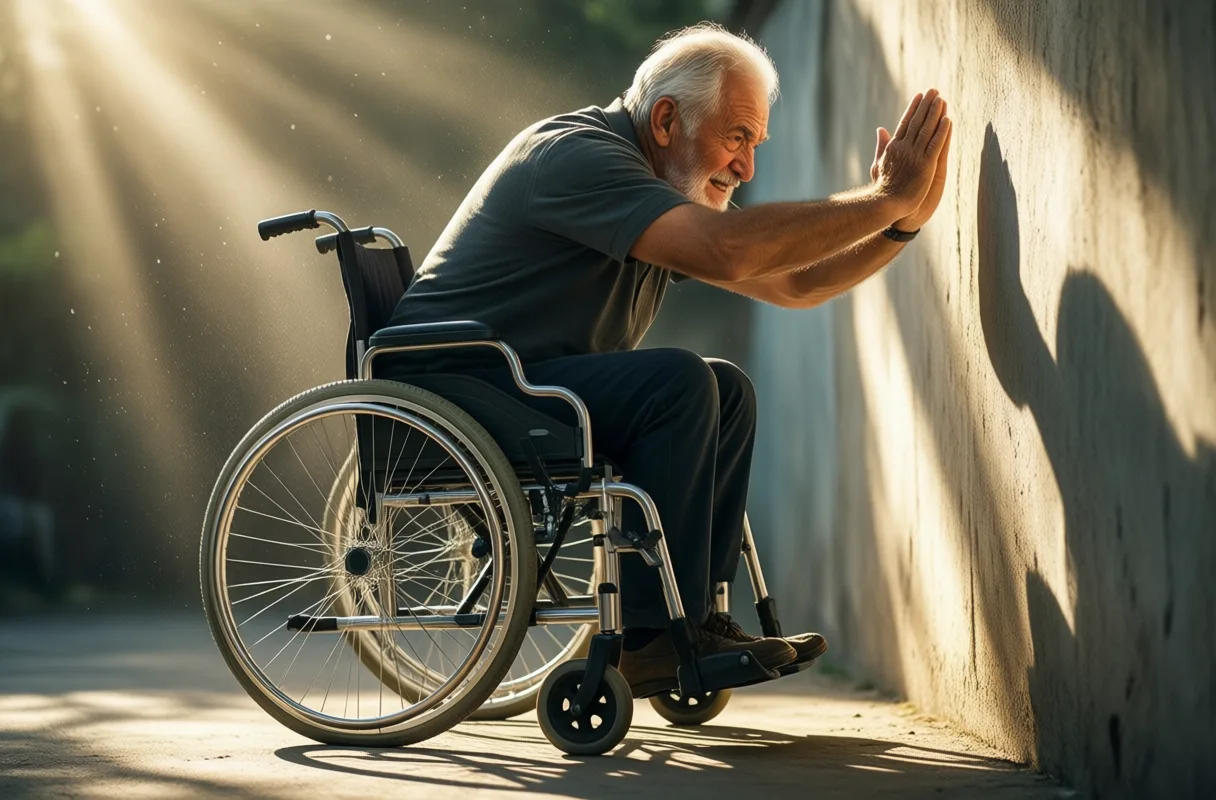
Face a wall, place your hands on it at shoulder height, and lean in. Bend your elbows to bring your chest toward the wall, then push back. Keep your core engaged and your feet planted.
Wall push-ups build chest, shoulder, and arm strength without straining your wrists or shoulders. They’re ideal for those who can’t do floor push-ups.
This small act builds the strength to push open heavy doors, catch yourself if you slip, or lift a grandchild with ease.
3. Standing Rows with Resistance Bands: Improving Posture and Back Strength
Anchor a resistance band at waist height. Hold the ends and step back until there’s tension. Pull the band toward your waist, squeezing your shoulder blades together.
This movement strengthens your upper back, fights rounded shoulders, and improves posture. It’s a quiet fix for the slump that comes from sitting too long.
Do it daily, and you’ll stand taller-literally. Your spine will thank you, and so will your confidence.
4. Heel Raises: Strengthening Ankles and Preventing Falls
Stand behind a chair, holding it lightly for balance. Rise onto your toes, then lower slowly. Keep your knees straight and your movements smooth.
Heel raises build calf strength and ankle stability-critical for balance and walking. They’re simple, but powerful.
Do them while brushing your teeth or waiting for the kettle to boil. Small moments add up to big gains.
5. Step-Ups Using a Low Stair: Enhancing Mobility and Balance
Use a low step or sturdy platform. Step up with one foot, then the other. Step down in the same order. Keep your torso upright and your movements controlled.
Step-ups mimic real-life actions like climbing curbs or stairs. They build leg strength, coordination, and confidence.
Start with a low height and progress as you feel stronger. This is functional fitness at its finest.
6. Seated Dumbbell Press: Shoulder Stability with Minimal Risk
Sit on a sturdy chair, feet flat. Hold light dumbbells at shoulder level. Press them upward until arms are extended, then lower slowly.
This exercise strengthens shoulders and arms without straining the lower back. It’s ideal for those with balance concerns.
Use light weights-focus on form, not force. Over time, lifting objects overhead becomes effortless.
7. Glute Bridges: Activating the Hips While Lying Down
Lie on your back, knees bent, feet flat. Squeeze your glutes and lift your hips until your body forms a straight line from shoulders to knees. Hold, then lower.
Glute bridges activate the powerhouse muscles of your hips and lower back. They’re gentle on the spine but powerful for stability.
Strong glutes mean better posture, less back pain, and more power in every step.
8. Standing Side Leg Lifts: Boosting Hip Abductor Strength
Hold a chair for balance. Lift one leg out to the side, keeping it straight. Lower slowly. Repeat on the other side.
Side leg lifts strengthen the hips and improve balance. They help prevent falls and support walking stability.
Do them while watching TV or talking on the phone. Every rep is a step toward steadier feet.
9. Plank on Knees: Core Stability Without Strain
Kneel on the floor, forearms on the ground. Step your knees back until your body forms a straight line from head to knees. Hold for 10–20 seconds.
This modified plank builds core strength without straining the back. It teaches your body to stay stable and aligned.
A strong core supports everything-standing, bending, even breathing deeply.
Common Myths That Keep Seniors Away from Weights
Many believe strength training is risky after 70. They fear injury, soreness, or doing it “wrong.” But the truth is, inactivity is far more dangerous than lifting light weights.
Others think they need a gym or expensive equipment. Not true. Bodyweight, resistance bands, and dumbbells work wonders at home.
For beginners, it’s best to start simple. Check out Strength Training For Beginners Start With These 5 Essential Exercises for a solid foundation.
“Lifting Heavy Means Injury” – Debunking the Fear
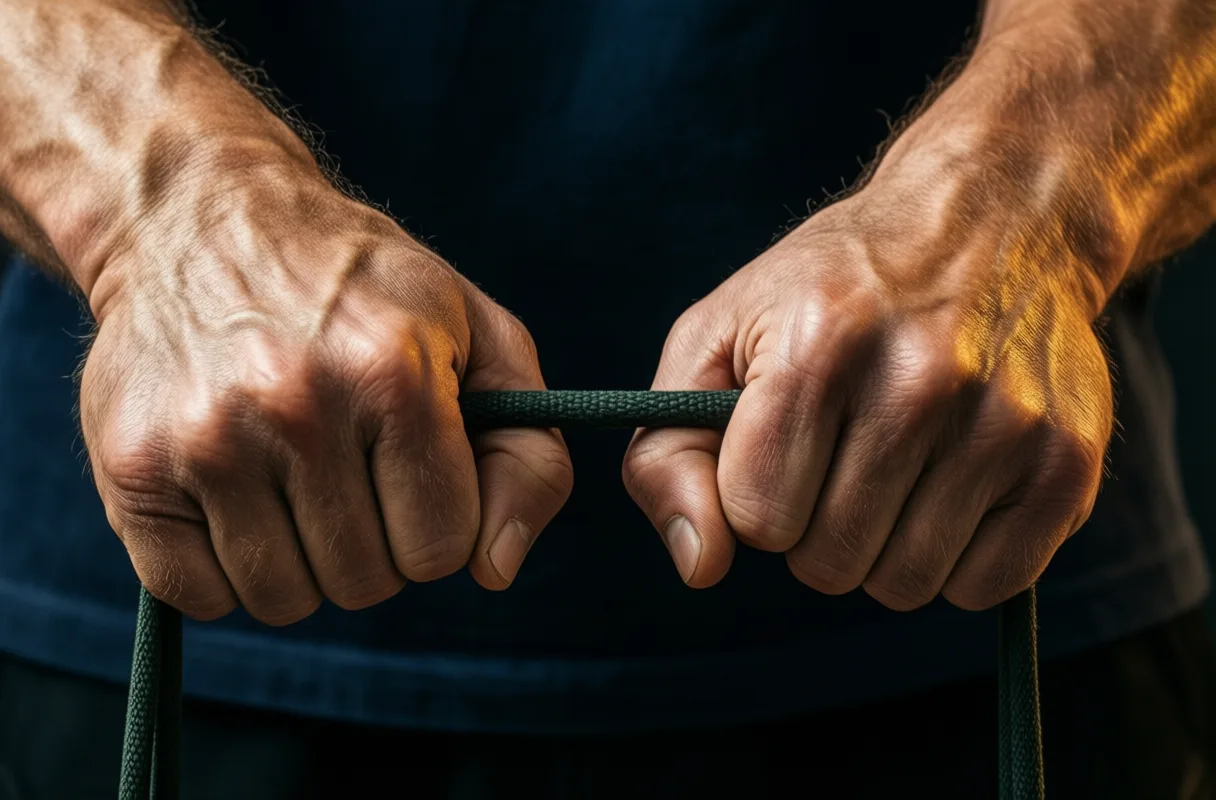
Lifting heavy doesn’t mean maxing out on weight. It means lifting Challenging But safe loads. And for seniors, “heavy” is relative-what matters is effort, not the number on the dumbbell.
Studies show that even light resistance, done consistently, builds strength and muscle. The key is progressive overload-gradually increasing difficulty over time.
You don’t need to grunt or strain. You just need to show up, move with purpose, and trust the process.
How to Structure a Weekly Routine That Works
Start with two to three days per week. Choose 5–6 exercises that target different areas: legs, upper body, core. Spend 15–20 minutes per session.
Rest a day between sessions to let your muscles recover. Consistency beats intensity every time.
For more ideas on building a balanced routine, visit Strength Training Exercises For Women To Build Lean Muscle.
Timing, Reps, and Rest: Simple Guidelines for Consistency
Aim for 1–3 sets of 10–15 reps per exercise. Move slowly-2 seconds up, 2 seconds down. Focus on form, not speed.
Rest 30–60 seconds between sets. If you’re short on time, do fewer sets. Something is always better than nothing.
Track your progress with a simple notebook or app. Seeing improvement is powerful motivation.
When to Modify, When to Progress: Listening to Your Body
Pain is a signal-not to stop, but to adjust. If an exercise hurts, modify it. Use a chair for support, reduce the range, or switch to an easier version.
Progress when movements feel too easy. Add a set, use a heavier band, or slow down the tempo.
Your body knows what it can do. Trust it.
Signs It’s Time to Adjust Intensity or Form
Sharp pain, joint strain, or dizziness mean stop and reassess. Muscle fatigue is normal-joint pain is not.
If you’re holding your breath or tensing your shoulders, you’re working too hard. Ease back and focus on control.
Good form feels smooth, strong, and sustainable. If it doesn’t, modify.
Staying Motivated Without Chasing Results
Motivation fades when we chase dramatic changes. But when you focus on how you Feel-more energy, better sleep, easier movement-the effort becomes its own reward.
Celebrate small wins: standing without hands, walking farther, lifting without help.
For more on how strength builds energy and confidence, read Strength Training Exercises For Women Over 50 To Build Muscle And Boost Energy.
Strength isn’t just muscle. It’s the quiet pride of knowing you can still do the things you love. And that’s worth every rep.
Staying Strong After 70
Small Moves, Big Gains
Did you know that lifting light weights can actually help improve balance just as much as practicing standing on one leg? It’s true-strength training doesn’t require heavy lifting to deliver real benefits. For adults over 70, even bodyweight exercises like seated marches or standing heel raises can boost muscle mass and reduce the risk of falls. Many assume strength work means bulking up, but for seniors, it's more about maintaining independence-like making it easier to carry groceries or get up from a chair without using your hands.
The Chair That Does More Than Sit
One of the most effective tools for senior strength training isn’t found in a gym-it’s right in your living room. A sturdy chair turns into a workout station for supported squats, step-ups, and arm raises. These seated or chair-assisted moves allow older adults to build leg and core strength safely, minimizing strain on joints. Fun fact: research shows that consistent chair-based exercises over just 12 weeks can improve mobility and confidence in daily movement, proving you don’t need fancy equipment to make progress.
Breathing Into Strength
Here’s a lesser-known tip: how you breathe during strength exercises matters just as much as the movement itself. Holding your breath while lifting-even light weights-can cause sudden spikes in blood pressure, which isn’t ideal for many seniors. Instead, exhaling during the effort (like when pushing up from a chair) and inhaling while returning to start helps maintain steady blood flow. This simple rhythm not only makes exercises safer but also helps you stay focused and get more out of each rep. Explore more stories, videos, and creators on Loaded.
Frequently Asked Questions
What are the best Strength Training Exercises for seniors over 70?
The top exercises include chair squats, wall push-ups, standing rows with resistance bands, heel raises, step-ups, seated dumbbell press, glute bridges, standing side leg lifts, and planks on knees. These build functional strength safely.
How often should seniors over 70 do strength training?
Two to three times per week is ideal. Sessions should last 15–20 minutes with rest days in between for muscle recovery.
Can strength training help prevent falls in older adults?
Yes. Exercises like heel raises, step-ups, and side leg lifts improve balance, ankle stability, and hip strength, which help reduce fall risk.
Is it safe for seniors to lift weights?
Yes, lifting light weights or using resistance bands is safe and effective. Focus on form, control, and progressive overload rather than heavy loads.
This article was produced with AI assistance. How Chiseled Magazine uses AI.
Cassia explores the science and culture of fueling the body, from macronutrient timing to sustainable eating habits. She blends biochemical insight with real-world practicality, helping readers make smarter food choices without sacrificing enjoyment or balance.