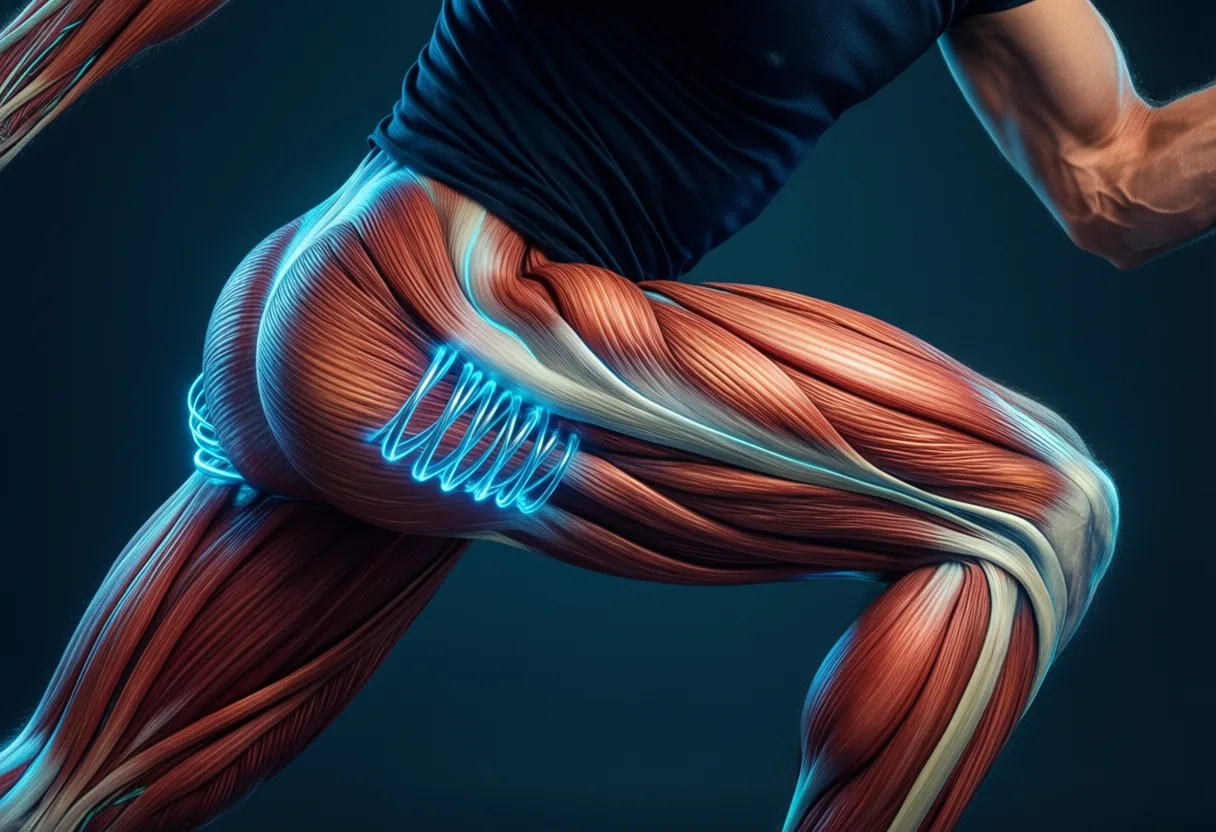
Tight hips are one of the most common complaints I hear-from desk workers, runners, weekend warriors, and even seasoned lifters. You sit all day, then stand up and feel like your pelvis is locked in concrete. But here’s the truth: what you’re feeling in your hips might not actually be a hip problem at all. More often than not, Tight glutes are the hidden culprits behind restricted hip mobility, silently gripping like coiled springs beneath your Posture.
When your glutes are stiff or overworked, they pull on the surrounding structures-your lower back, pelvis, and Hip joints-creating tension that mimics classic hip tightness. The solution isn’t just more hip flexor stretches; it’s about releasing the deeper layers where movement begins. These five effective moves target the root cause, unlocking stiffness and restoring natural range of motion so you can move freely, train harder, and live with less discomfort.
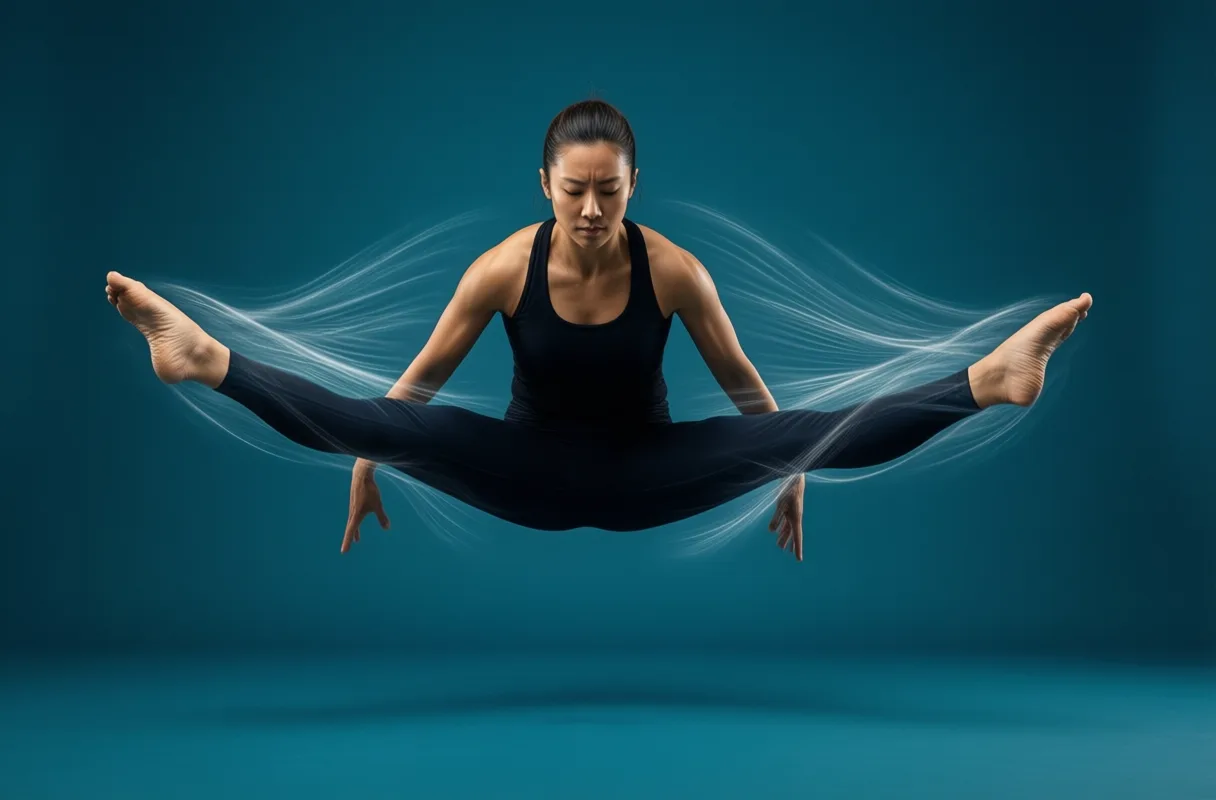
Why Tight Hips Might Actually Be a Glute Issue
You’ve probably been stretching your hip flexors religiously-kneeling lunges, butterfly stretches, maybe even foam rolling your Quads. Yet the stiffness lingers. That’s because The sensation of tight hips often stems from compensatory patterns involving the glutes, not just the front of the hip. When glutes are chronically tight or underactive, other muscles take over, leading to imbalances that restrict movement and create pain.
The glutes don’t work in isolation. They connect directly to the piriformis, tensor fasciae latae, and sacroiliac joint-all key players in pelvic alignment. If these muscles are stiff or inhibited, your body will protectively tighten surrounding areas, giving you that familiar “hip lock.” This is especially true if you sit for long hours, as prolonged hip flexion shortens the front of the body while the glutes go dormant, then overfire when called upon.
Instead of treating symptoms, we need to address the source. Releasing the glutes allows the hips to open naturally, improves pelvic neutrality, and reduces strain on the lower back. Think of it Like Untangling a knot at the base of a rope-the tension doesn’t disappear until you loosen the core twist. Once the glutes let go, hip mobility follows.
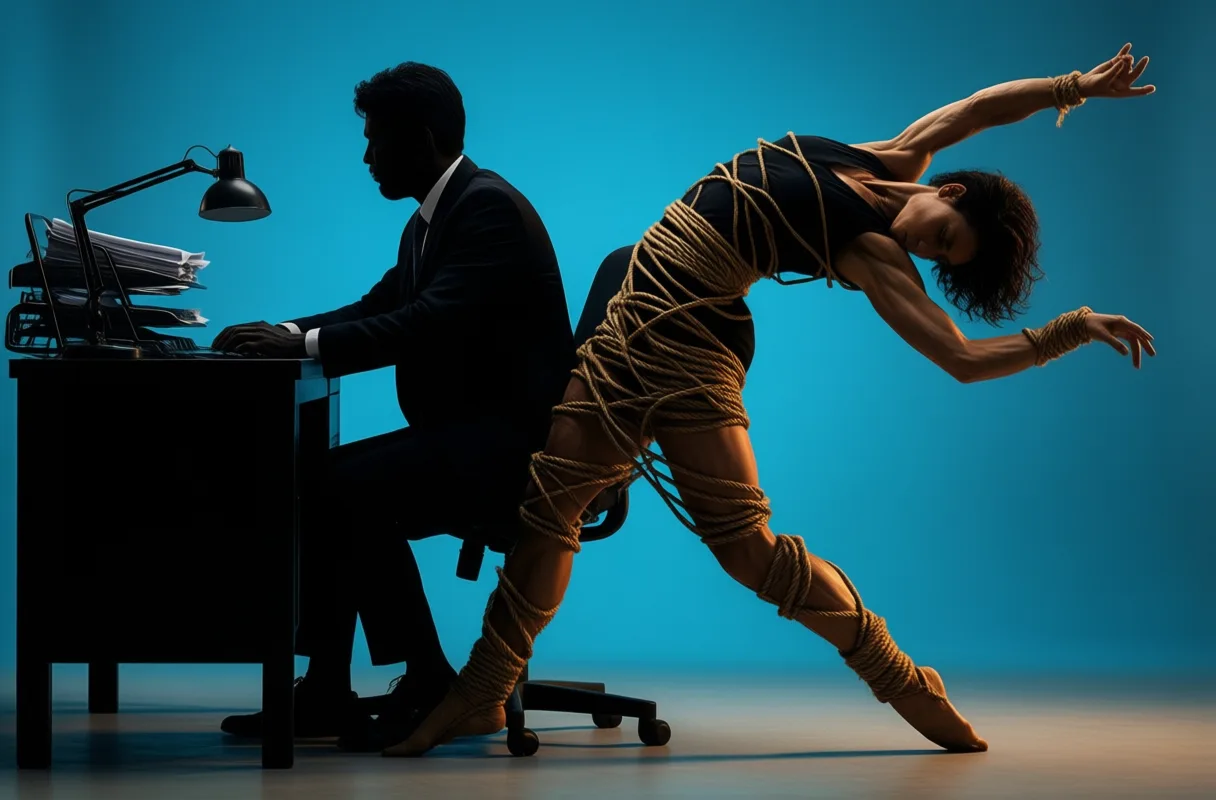
The Hidden Link Between Glute Tightness and Hip Mobility
Mobility isn’t just about flexibility-it’s about control through range. And when your glutes are tight, they limit how far your femur can rotate in the socket, which directly affects walking, squatting, running, and even breathing mechanics. The hip joint is a ball-and-socket designed for multidirectional movement, but tight glutes act like seatbelts wrapped too tightly around the pelvis, restricting rotation and extension.
This restriction often shows up as low back pain, Knee Tracking issues, or that nagging ache deep in the buttock after sitting too long. Many people mistake this for sciatica or a disc issue, but more often, it's referred tension from an overstressed glute medius or maximus. These muscles stabilize your pelvis with every step, so when they’re fatigued or hypertonic, they send distress signals that echo through the kinetic chain.
Releasing them isn’t just soothing-it’s strategic. A supple glute complex allows for better alignment, improved force production during lifts, and smoother transitions between movements. Whether you're chasing muscle growth, injury prevention, or simply wanting to bend down without groaning, addressing glute tightness is non-negotiable for real hip freedom.

5 Effective Moves to Unlock Tight Hips
These five stretches are backed by movement experts and used by athletes worldwide to restore balance between strength and suppleness. Each targets the glutes and surrounding posterior hip musculature, promoting release without sacrificing stability. Do them daily-especially after training or long periods of sitting-for cumulative gains in comfort and performance.
They require no equipment, fit into small spaces, and can be done anywhere: beside your bed, in the office bathroom stall, or post-run on the sidewalk. Hold each stretch for 30–60 seconds per side, focusing on deep, rhythmic breaths to invite relaxation into the tissue. Let your exhales melt the tension, like warm oil pouring into stiff hinges.
Consistency matters more than intensity. Over time, these moves retrain your nervous system to stop guarding the area, allowing true mobility to emerge-not forced contortion, but effortless ease.
1. Seated Figure-Four Stretch
Sit on the edge of a sturdy chair or bench with both feet flat on the floor. Cross your right ankle over your left thigh, just above the knee, forming a “4” shape with your legs. Keep your spine tall and chest lifted as you gently hinge forward from the hips.
As you lean forward, you’ll feel a deep pull along the right glute and outer hip. Avoid rounding your back-lead with your chest, not your head. Imagine you’re trying to touch your belly button to your thigh, not your nose to your knee.
If the stretch feels too intense, keep your torso upright and simply press down lightly on your right knee to deepen the sensation. For a greater challenge, scoot your hips slightly off the chair to increase hip flexion. Repeat on the other side after holding for at least 30 seconds.
This stretch is perfect for office workers who spend hours seated. It counters the chronic external rotation and flexion that compress the gluteal tissues, offering immediate relief and long-term structural benefit.
2. Pigeon Pose for Deep Hip Release
Start on all fours, then bring your right knee forward
Loosen Up: Smart Moves to Free Tight Glutes
Why Your Glutes Might Be Holding On Tight
Ever stand up after sitting all day and feel like your hips are locked in place? It’s not just in your head-tight glutes are a common side effect of long hours at a desk. When you sit, your hip flexors shorten and your glutes go dormant, which can lead to stiffness and even lower back discomfort over time. That’s why adding Simple stretches Into your routine isn’t just about flexibility-it helps reset your posture and keeps you moving smoothly.
Stretch Smarter, Not Harder
You don’t need fancy equipment or a gym membership to loosen things up. Many effective glute stretches use just your body weight and can be done anywhere-on a yoga mat, your living room floor, or even during a work break. The seated figure-four stretch, for instance, is a favorite across multiple routines because it targets the piriformis muscle deep in the glutes, which often contributes to hip tightness. Try holding it for 30 seconds on each side and notice how your hips start to open up over time.
Pigeon Pose might look advanced, but a modified version on the floor makes it accessible and super effective. It doubles as both a glute and hip opener, making it a go-to move for runners and desk workers alike. And don’t overlook the standing knee-to-chest stretch-it’s quick, subtle, and perfect for squeezing in between tasks. Consistency matters more than intensity here; doing these moves regularly keeps tension from building up in the first place. Explore more stories, videos, and creators on Loaded.
Frequently Asked Questions
What causes the feeling of tight hips?
Tight hips are often caused by tight glutes, not just hip flexors. Stiff or overworked glutes pull on surrounding structures like the pelvis and lower back, creating tension that mimics hip tightness.
How can glute tightness affect mobility?
Tight glutes restrict femur rotation in the hip socket, limiting movement during walking, squatting, and running. This can lead to low back pain, knee issues, or deep buttock aches.
What is the seated figure-four stretch good for?
The seated figure-four stretch targets the piriformis and gluteal tissues, offering relief from hip tightness. It’s especially effective for people who sit for long periods.
How long should each stretch be held?
Each stretch should be held for 30 to 60 seconds per side, with deep, rhythmic breathing to help release tension in the glutes and improve mobility.
This article was produced with AI assistance. How Chiseled Magazine uses AI.
Cassia explores the science and culture of fueling the body, from macronutrient timing to sustainable eating habits. She blends biochemical insight with real-world practicality, helping readers make smarter food choices without sacrificing enjoyment or balance.