
Building a powerful, chiseled midsection demands more than just endless crunches. Your abs respond to Progressive overload-just like any other muscle-and that means resistance must increase over time. Without added weight, you’ll plateau fast.
Traditional ab workouts max out in effectiveness. When muscles adapt to bodyweight-only reps, growth stops. To keep forging a Rock-solid core, you need to lift. Hard.
Here’s how to transform your midsection with Ab Weighted Exercises That build Real strength, density, and resilience.
Why Your Core Needs More Than Just Bodyweight
Your abs are muscles. They grow when challenged, not when flooded with high reps. Doing 100 crunches daily may burn, but it won’t build a dense, defined core.
Muscle growth requires progressive overload. That means gradually increasing stress on the muscle. With bodyweight-only routines, you hit a ceiling fast. Once your core adapts, gains stall.
Weighted training breaks that plateau. By adding load, you force adaptation. Each rep becomes more potent. You get stronger with fewer, higher-quality repetitions.
For a core that’s not just visible-but functional-you must train with resistance. Core strength supports lifting, Posture, athleticism, and everyday movement. It's not about aesthetics alone-it’s about power.
The best weighted ab Exercises Are built to intensify tension, not just increase burn. They integrate multiple planes of motion and recruit deep stabilizers, creating a resilient midsection built for performance.
Check out the full lineup of proven moves in the guide to the Best Weighted Ab exercises For a Stronger Core.
The Hidden Limit of Traditional Ab Workouts
Crunches, sit-ups, and planks have their place-but only up to a point. Relying solely on bodyweight leads to diminishing returns. Your body quickly adapts, and progress slows.
High-rep ab work often sacrifices form. As fatigue builds, movement quality drops. You end up training momentum, not muscles. That’s inefficient-and risky.
Spinal flexion under fatigue can strain lower back structures. Poorly executed sit-ups, especially, place compressive loads on the lumbar spine. That’s not building strength-it’s inviting injury.
Most traditional routines ignore rotational and anti-rotational strength. The core isn't just for flexion. It stabilizes, resists movement, and transfers force. Limiting it to up-and-down motion underdevelops 70% of its function.
You’re not just building a six-pack. You’re building armor. And armor needs multidimensional strength-anti-extension, anti-rotation, lateral stability, and explosive power.
Move beyond curl-ups. Upgrade your approach. Your core deserves smarter work.
How Adding Resistance Transforms Core Training
Adding weight changes everything. It increases time-under-tension, muscle fiber recruitment, and neuromuscular demand. Each rep becomes a growth signal.
Progressive overload is the only proven path to muscle growth. Weighted ab exercises allow you to add load systematically. More weight, better control, heavier stimulus.
Fewer reps, more impact. You don’t need 200 sit-ups. You need 10 perfect weighted crunches with full contraction. Quality over quantity wins every time.
Resistance forces stabilization. Holding a dumbbell during a crunch isn’t just harder on the abs-it challenges your entire anterior chain to stay tight and rigid. That’s functional strength.
The added load also improves mind-muscle connection. You feel the work where it counts. No more mindless reps. Every set becomes purposeful.
And because intensity increases, recovery matters more. That’s a good problem. It means your core is being challenged like a major muscle group-because it is.
Beyond the Burn: What Weighted Core Work Actually Builds
Weighted core training isn’t about the burn. It’s about building resilience, power, and control. You’re not chasing soreness-you’re building structure.
The transverse abdominis, internal obliques, and multifidus are deep stabilizers. Weighted work activates them more intensely than bodyweight alone. These muscles protect your spine and support heavy compound lifts.
A stronger core means better squats, bigger deadlifts, and safer overhead presses. When your midsection is rock-solid, you transfer force efficiently. No energy leaks. No weak links.
Athletic performance skyrockets. Whether you’re sprinting, throwing, or changing direction, a powerful core drives movement. It’s the centerpiece of power generation.
And yes-visible abs come too. But not the thin, weak kind. We’re talking thick, dense, 3D-like definition-the kind that looks strong even at rest.
A strong core is both armor and engine. Train it that way.
10 Weighted Ab Exercises for a Stronger, More Resilient Midsection
1. Weighted Crunch
Lie on your back, knees bent, feet flat. Hold a weight plate or dumbbell across your chest. Crunch up with control, squeezing your abs at the top. Lower slowly.
This isolates upper abs with direct load. Keep your lower back pressed to the floor. No jerking.
2. Weighted Hanging Leg Raise
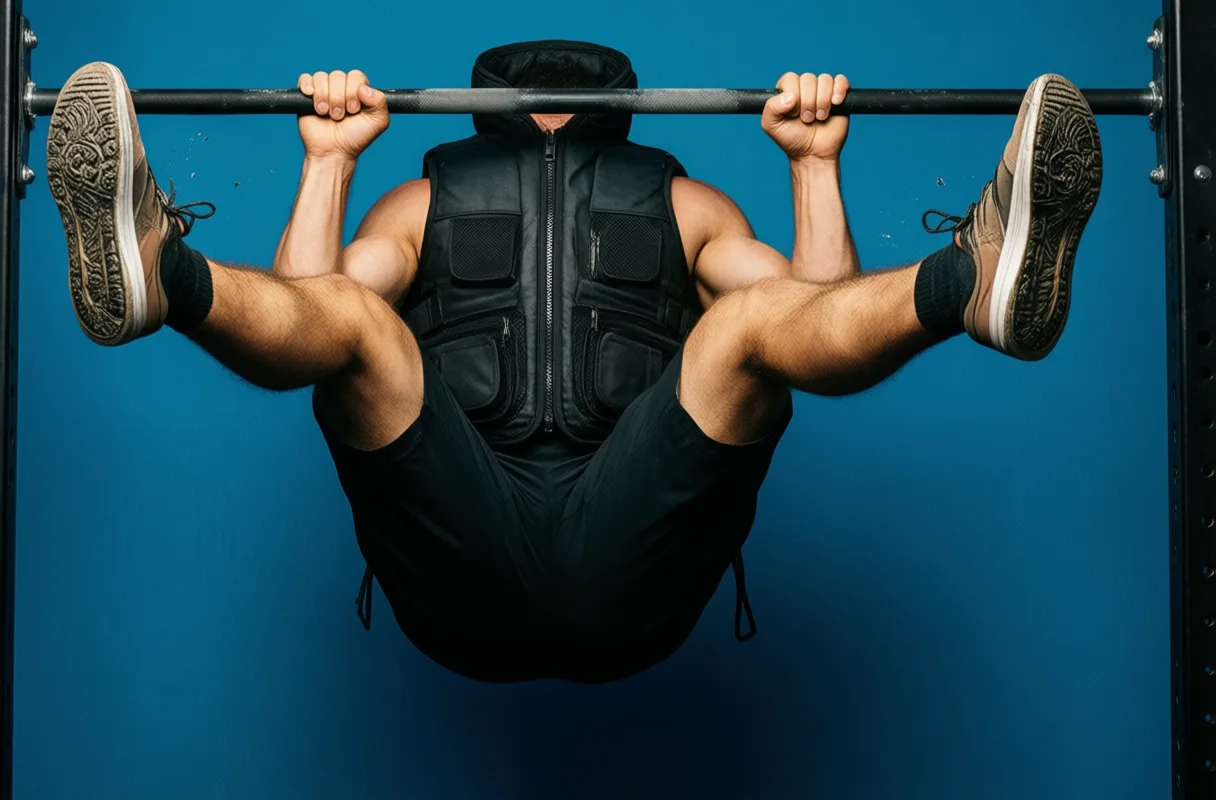
Hang from a pull-up bar. Attach ankle weights or hold a dumbbell between your feet. Lift legs straight up-hips rise, not just knees.
Targets lower abs and hip flexors under load. Engage the core fully. Avoid swinging.
3. Weighted Russian Twist
Sit on the floor, lean back slightly, hold a weight with both hands. Rotate side to side, touching the weight to the floor beside you.
Builds rotational strength. Keep your spine neutral. Move from the torso, not the arms.
4. Dumbbell Pullover on the Floor
Lie flat, arms extended overhead with one dumbbell. Pull it forward over your chest, keeping arms slightly bent. Engage core to prevent arching.
Recruits abs, lats, and serratus. The anti-extension component is brutal-and effective.
5. Standing Weighted Side Bend
Stand tall, dumbbell in one hand. Bend laterally, lowering the weight down your side. Keep hips square. Return under control.
Builds oblique thickness. Too many forget lateral strength. This fixes that.
6. Kneeling Cable Crunch
Kneel under a high cable machine, rope attachment in hand. Crunch down, elbows driving to knees. Squeeze at the bottom.
One of the most effective abs exercises. The cable provides constant tension.
7. Weighted Lying Floor Leg Raise
Lie flat, arms at sides, weight plate on thighs. Raise legs straight up. Lower slowly-don’t let your back arch.
Pure lower ab torture. Control is key. No momentum.
8. Overhead Squat with Plate
Hold a plate overhead, arms locked out. Perform a squat, staying upright. The core fights to prevent leaning.
Anti-flexion strength under load. Also builds shoulder stability.
9. Suspended Plank
Use suspension straps, forearms in anchors. Get in plank position with feet elevated. Hold tight. Add weight via a belt for progression.
Core fires hard to stabilize. The instability increases demand.
10. Reverse Crunch with Ankle Weights
Lie on your back, knees bent. Add ankle weights. Lift hips off the floor, curling pelvis toward ribs.
Targets lower abs without hip flexor dominance. Keep it slow and strict.
These moves cover all planes of core function-flexion, rotation, anti-rotation, lateral flexion, and anti-extension. Master them.
When to Add Weight: Timing and Progression Tips
Don’t rush loaded work. First, master bodyweight control. You must hold a 60-second hollow hold. You must perform 20 strict leg raises with perfect form.
Once stability is solid, add light resistance. Start with 5–10 pounds. Focus on control, not ego lifting.
Progress slowly. Add 2.5–5 pounds when you can complete all reps with perfect form. Aim for 2–3 sets of 10–15 reps per exercise.
Train weighted core 2–3 times per week. Allow recovery. These are intense. They cause microtears-just like bench press.
Pair core days with upper body or as part of accessory work. Never let fatigue compromise form. If your back starts to arch, stop.
Track progress like you do with bench or squat. Write down weights, reps, and sets. Growth means more load over time.
Common Mistakes That Undermine Weighted Core Gains
Using too much weight too soon is the top error. You’re not impressing anyone by swinging a 50-pound plate during crunches. You’re straining your neck and cheating the movement.
Swinging and momentum destroy effectiveness. If you’re using body English to finish reps, you’ve gone too heavy. Form breaks first.
Ignoring tempo is another killer. Fast reps with no control don’t build muscle. Use a 2–3 second concentric, 2–second pause, 3–second eccentric.
Many skip full range of motion. Half-reps mean half results. Lift through full contraction. Lower under tension.
Neck pulling is rampant. Don’t grab your head during crunches. Hands behind ears. Let abs do the work.
And don’t neglect breath. Exhale on the effort. Inhale on the return. Bracing builds intra-abdominal pressure-key for strength and spinal safety.
Fix these. Train smart. Train hard.
Putting It All Together: Sample Routine for Daily Strength
This routine builds a strong, functional core. Perform it 2–3 times per week. Rest 60 seconds between sets.
Warm-Up (5 minutes)
- Hollow Hold – 3 sets x 20 seconds
- Bird Dog – 3 sets x 10 reps/side
Main Workout
- Weighted Crunch – 3 sets x 12 reps
Hold a 10–25 lb plate on chest. Squeeze at top. - Weighted Hanging Leg Raise – 3 sets x 10 reps
Use ankle weights or dumbbell between feet. Keep legs straight. - Weighted Russian Twist – 3 sets x 15 reps (each side)
Use 10–20 lb weight. Rotate under control. - Kneeling Cable Crunch – 3 sets x 15 reps
Use moderate weight. Crunch down hard. - Standing Weighted Side Bend – 3 sets x 12 reps/side
Use one dumbbell. Keep torso upright.
Train with purpose. Push intensity. Recover fully.
A stronger core isn’t built in a week. It’s forged-rep after rep, plate after plate. This is how you earn it.
Boost Your Core With Weighted Moves
Why Add Weight to Your Abs Routine?
Slapping on a dumbbell or cable isn’t just for show-adding resistance to ab exercises helps you build strength faster. Instead of doing endless crunches, a little extra load means fewer reps deliver a bigger punch, thanks to progressive overload. That’s the key to actually getting stronger over time, not just burning out.
Fun Facts That Pack a Punch
Did you know the core isn’t just about six-pack muscles? It includes deep stabilizers like the transverse abdominis and obliques, all of which respond well to weighted work. Moves like kneeling cable crunches or weighted hanging leg raises force these muscles to fire harder, improving not just definition but overall stability. Even standing side bends with a dumbbell can wake up muscles most people forget they have.
And here’s a twist: some of the best core builders aren’t traditional ab moves at all. Exercises like squats, deadlifts, and overhead presses require serious core engagement to stay balanced-especially when heavy. So while you’re lifting big, your abs are already working overtime. Pair those with targeted moves like weighted Russian twists or reverse crunches with ankle weights, and you’ve got a core that’s not just strong, but built to handle real-world movement. Explore more stories, videos, and creators on Loaded.
Frequently Asked Questions
Why should I add weight to my ab exercises?
Adding weight increases muscle fiber recruitment, time-under-tension, and neuromuscular demand, leading to real strength gains through progressive overload. It allows fewer, higher-quality reps to deliver a more potent stimulus than high-rep bodyweight routines.
What are the risks of traditional bodyweight ab workouts?
Traditional ab workouts like crunches and sit-ups often lead to diminishing returns, poor form under fatigue, and spinal compression. They primarily train flexion and neglect rotational, anti-rotational, and lateral core functions.
How often should I train weighted ab exercises?
Weighted core training should be done 2–3 times per week, allowing recovery between sessions. It can be paired with upper body workouts or included as accessory work.
What are common mistakes to avoid with weighted ab training?
Common mistakes include using too much weight too soon, relying on momentum, ignoring tempo, shortening range of motion, pulling the neck, and not bracing properly. Focus on control, full reps, and proper breathing.
This article was produced with AI assistance. How Chiseled Magazine uses AI.
Tariq breaks down elite workout regimens with precision, translating complex routines into actionable plans. He focuses on form, progression, and the mental discipline behind peak physical performance, often drawing from interviews with strength coaches and competitive athletes across multiple sports.