
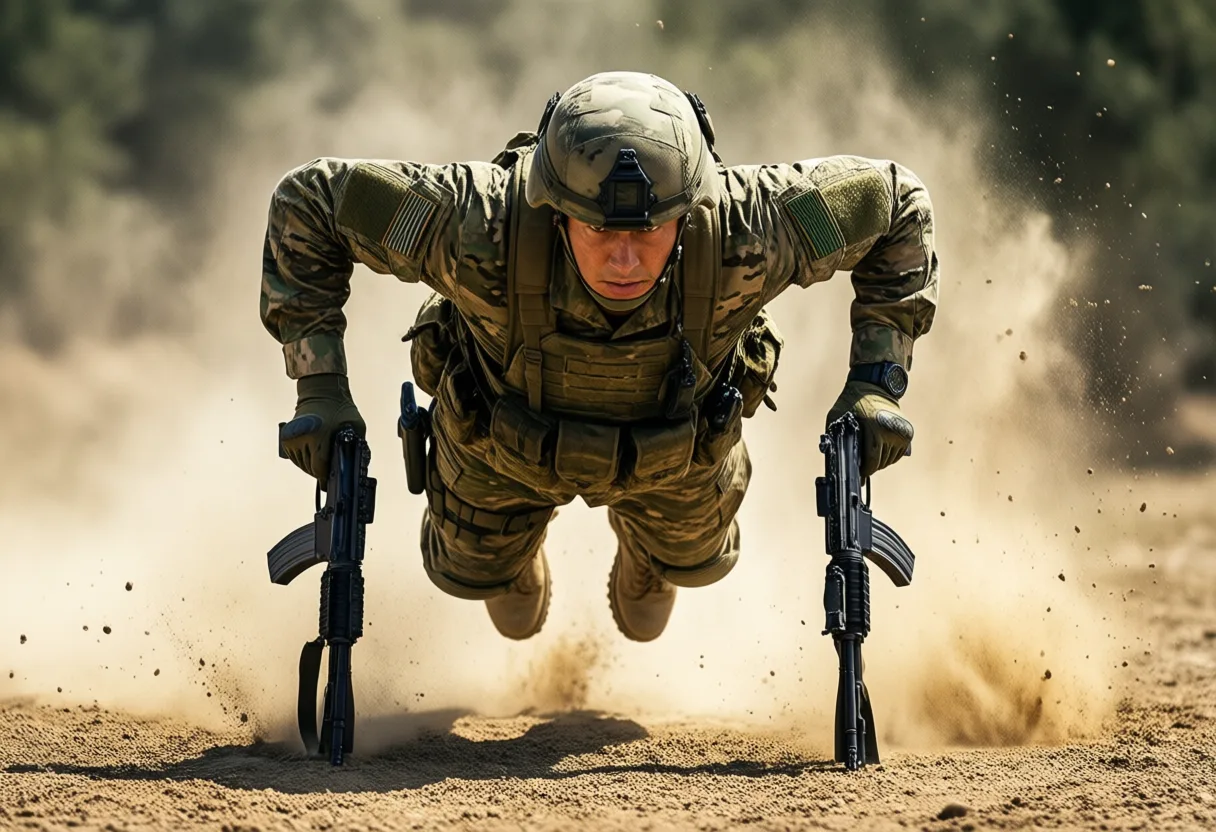
Passing the military’s physical fitness evaluation isn’t just about raw strength or speed-it’s about consistency, discipline, and mastering the fundamentals. Thousands enter training each year expecting brute force to carry them through, only to stumble on the basics. The truth is, success comes not from extremes, but from smart preparation and attention to detail.
What Does It Take to Pass the Physical Fitness Test in the Army?
Meeting the baseline for military readiness requires more than occasional gym visits or weekend runs. It demands a structured approach that balances strength, Endurance, and resilience. The evaluation measures three core components: muscular endurance, aerobic capacity, and core stability-each with clear performance thresholds.
Many assume that simply doing push-ups or jogging will be enough. But Consistency over time Separates those who pass from those who fall short. Sporadic effort rarely translates into reliable results, especially under the pressure of test day.
Success starts with understanding what’s expected-and then building a routine that prepares you for each event without Burning Out. This isn’t about last-minute heroics; it’s about showing up every day and doing the work, even when progress feels slow.
Breaking Down the Three Core Events
The assessment consists of three distinct events: a push-up set measured by volume in two Minutes, a timed two-mile run, and a plank hold testing core endurance. Each event targets a different physical quality, making balanced training essential.
Push-ups evaluate upper body endurance, focusing on the chest, shoulders, and triceps. The goal isn’t just to perform repetitions, but to do so with Proper form-elbows at a controlled angle, body in a straight line, no sagging hips or raised buttocks.
The two-mile run tests cardiovascular efficiency. It’s not a sprint, but a sustained effort that rewards pacing and aerobic conditioning. Those who start too fast often fade before the finish line.
The plank replaces older abdominal exercises in many modern evaluations, emphasizing core stability over flexion. It challenges your ability to maintain posture under fatigue-a skill that matters in real-world physical tasks.
Each event contributes to your overall score, so weakness in one area can’t be fully offset by strength in another. A well-rounded program addresses all three equally.
How the Scoring System Actually Works
Performance is scored on a point scale, with each event contributing a portion of the total. Higher scores require better results across the board, not just in one standout category.
Minimum passing standards vary by age and gender, but the principle remains the same: You must meet the floor in each event To pass, regardless of excellence in others. Falling short by even one repetition or a few seconds can mean failure.
Competitive goals-those that earn recognition or advancement-require significantly more than the minimum. Top performers often exceed baseline requirements by 20% or more in each category.
Scoring rewards consistency, not extremes. A soldier who scores moderately high across all events often outperforms someone with one excellent score and two marginal ones.
This system encourages balanced development, discouraging trainees from specializing in only their strongest area. The message is clear: true fitness is comprehensive.
Minimum Standards vs. Competitive Goals
Meeting the minimum is survival. Exceeding it is where excellence begins. Too many trainees aim only to scrape by, leaving themselves vulnerable to failure due to minor errors or off-days.
For example, if the minimum push-up requirement is in the 40s, showing up with a max set of 45 leaves no room for stress, fatigue, or imperfect form on test day. Margins matter.
The same applies to the run. Completing two miles just under the cutoff time offers no buffer for uneven pacing, weather, or course conditions. Competitive performers build in a safety margin of at least 30–45 seconds.
Plank duration follows the same logic. Holding for the bare minimum means any slight form breakdown could end the event early. Top scorers aim for durations well beyond the requirement.
Training with a buffer ensures that even on a subpar day, you still finish strong. That’s the difference between passing and thriving.

Why Push-Ups Are More Than Just Upper Body Strength
At first glance, push-ups seem Simple: lower and raise your body using upper body power. But they’re also a test of endurance, control, and muscular coordination under fatigue.
Proper execution requires more than arm strength. It demands Core engagement, shoulder stability, and consistent tempo. Lose form in the final minutes, and reps may not count-or worse, lead to injury.
Many fail not because they lack strength, but because they neglect pacing. Starting too aggressively leads to early burnout, leaving the last minute with little more than shaky attempts.
Training should include timed sets that simulate test conditions. Practice maintaining form as fatigue builds, and Incorporate recovery Breathing between reps.
Volume matters, but only if reps are valid. A set of 50 with poor form may score less than 40 performed correctly. Quality, not just quantity, defines success.
The Role of Form, Tempo, and Enduranc
Form is non-negotiable. Judges watch for full extension at the top and proper depth at the bottom-chest within two inches of the ground. Break form, and the rep doesn’t count.
Tempo plays a hidden role. Too fast, and you waste energy; too slow, and you limit total volume. Finding a Steady, sustainable rhythm Is key to maximizing output.
Endurance builds over weeks, not days. Daily push-up drills may seem effective, but without progressive overload, gains plateau quickly.
Instead, use a weekly progression model: increase volume gradually, mix in weighted variations, and allow recovery to prevent joint strain.
Over time, this approach builds both strength and stamina-the combination needed to dominate the push-up event.
Can You Really Train for a Two-Mile Run in Six Weeks?
Yes-but only if you start from a baseline of basic fitness. Six weeks is enough to improve aerobic capacity significantly, but not enough to build it from zero.
The key is Gradual mileage increase Paired with pace discipline. Adding too much distance too quickly raises injury risk, especially for those new to running.
A balanced plan includes three runs per week: one long, one easy, and one tempo. The long run builds endurance, the easy run promotes recovery, and the tempo run improves lactate threshold.
Cross-training on off-days-such as cycling or swimming-can boost cardiovascular fitness without adding impact stress.
The final two weeks should include practice runs at goal pace to build confidence and refine pacing strategy.
Building Aerobic Capacity Without Overtraining
Aerobic development takes time, and pushing too hard too soon leads to burnout or injury. The body adapts best when challenged just beyond its current limit-then given time to recover.
Overtraining symptoms-persistent fatigue, irritability, declining performance-are common among those trying to accelerate progress. They often result from ignoring rest days or adding volume too quickly.
Instead, focus on Consistency over intensity. Three moderate runs per week, properly spaced, yield better long-term results than five grueling sessions.
Heart rate monitoring can help stay in the optimal training zone-roughly 60–75% of max-for endurance development without excessive strain.
Recovery is part of training. Sleep, nutrition, and hydration are not optional extras; they’re essential components of aerobic adaptation.
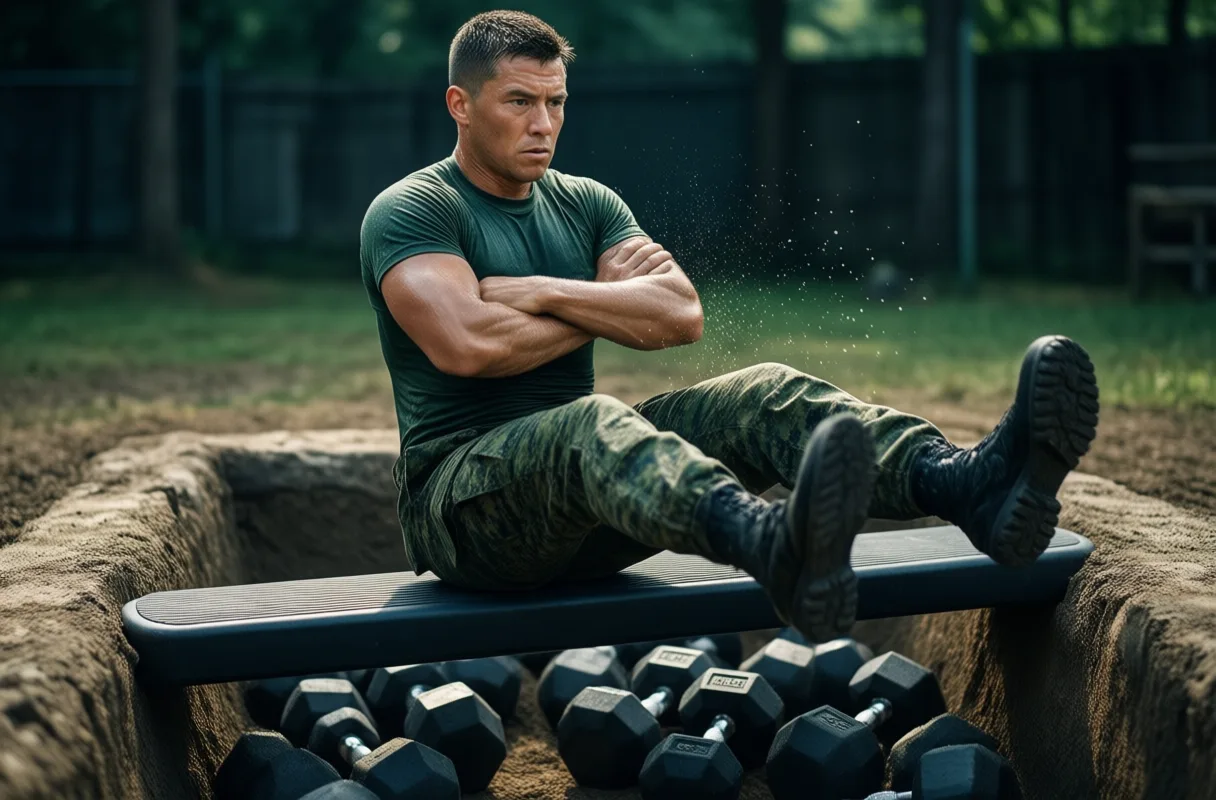
The Hidden Challenge of the Plank: Core Stability Under Pressure
The plank looks deceptively simple: hold a push-up position for as long as possible. But it’s not about brute willpower-it’s about Neuromuscular control And sustained engagement.
Most people can hold a plank for a minute or two, but form often deteriorates as fatigue sets in. Hips sag, shoulders round, or breathing becomes shallow-all of which can end the event prematurely.
The core isn’t just abs; it includes the entire midsection-obliques, lower back, glutes, and diaphragm. All must work together to maintain alignment.
Training should include progressive holds, starting with 30-second intervals and building to several minutes. Focus on quality over duration.
Incorporate variations-front planks, side planks, and dynamic stability drills-to build resilience from multiple angles.
Avoiding Common Form Breakdowns
Form breakdown usually starts subtly: a slight hip hike, a dropped elbow, a held breath. By the time you notice, it may already cost you.
One of the most common errors is Arching the lower back To relieve shoulder pressure. This shifts load to the spine and compromises core engagement.
Another is letting the head drop, which strains the neck and disrupts alignment. Keep your gaze slightly ahead of your hands, spine neutral.
Breathing is often overlooked. Holding your breath increases tension and accelerates fatigue. Practice rhythmic breathing-inhale through the nose, exhale through the mouth.
Use mirrors or video feedback during training to catch flaws early. On test day, there’s no second chance to correct them.
Balancing All Three Events in Your Weekly Routine
Training for all three components requires smart scheduling. Focus on one event per day, but ensure each gets regular attention across the week.
A sample week might include:
- Monday: Push-up strength and volume
- Tuesday: Two-mile pace run
- Wednesday: Core stability and active recovery
- Thursday: Push-up endurance set
- Friday: Aerobic conditioning (run or cross-train)
- Saturday: Full practice test (all three events)
- Sunday: Rest
This structure allows for focused development while preventing overlap fatigue. Recovery is scheduled, not optional.
Avoid cramming multiple high-intensity sessions back-to-back. The body needs time to adapt, especially when building endurance and strength simultaneously.
Adjust volume based on how you feel. Some weeks you’ll progress faster; others, you’ll plateau. That’s normal.
Creating a Realistic Training Schedule
A realistic plan fits into real life. Most trainees aren’t full-time athletes-they have jobs, families, and other responsibilities.
Start with three to four dedicated training days per week. Add short daily drills-like evening planks or morning push-up sets-to reinforce consistency.
Use weekends for longer runs or full mock evaluations. Simulating test conditions builds mental toughness and reveals weak points.
Track progress weekly: number of push-ups in two minutes, plank duration, and two-mile time. Small improvements add up.
If progress stalls, reassess sleep, nutrition, or training load. Often, the issue isn’t effort-it’s recovery.
Why Many Soldiers Fail-And How to Avoid Their Mistakes
Failure isn’t usually due to lack of effort. It’s the result of poor planning, inconsistent training, or underestimating the demands.
Some train too hard too soon, peak early, and arrive at test day fatigued. Others do just enough to feel “prepared” without pushing beyond comfort.
Underestimating the mental component Is another common flaw. Test day stress affects breathing, pacing, and form-especially in the final minutes.
Avoid these pitfalls by sticking to a structured plan, practicing under test-like conditions, and building in rest.
Confidence comes from preparation. When you’ve done the work, the test becomes a formality, not a gamble.

Mindset, Preparation, and Test-Day Pitfalls
Your mindset shapes your performance. Doubt creeps in when training has been erratic or unstructured.
Preparation goes beyond physical readiness. Know the rules, practice the format, and visualize success. Mental rehearsal Is a proven performance enhancer.
Common test-day mistakes include starting the run too fast, rushing push-ups with poor form, or failing to engage the core during the plank.
Arrive early, warm up properly, and stay focused. Avoid comparing yourself to others-your goal is personal excellence.
Stay calm, breathe steadily, and execute each event with discipline. The body follows where the mind leads.
Practical Tips That Make a Difference on Evaluation Day
Small details often decide success or failure. Wear broken-in footwear that supports your foot type and running style.
Avoid new gear or meals on test day. Stick with what’s proven to work for you.
Warm up thoroughly: five to ten minutes of light cardio, dynamic stretches, and activation drills for the upper body and core.
Practice a few push-ups and a short jog to prime your muscles. A proper warm-up can improve performance by 5–10%.
Stay hydrated in the days leading up to the test-but don’t overdrink the morning of. Balance is key.
From Footwear to Warm-Up Strategies
Footwear should provide support and cushioning without restricting movement. Running shoes that are too worn or too new can both cause problems.
Look for a stable sole, good arch support, and a snug but not tight fit. Blisters or hot spots during the run can derail your entire effort.
Warm-up routines should activate the muscles used in each event. Arm circles, shoulder rolls, and scapular pushes prepare the upper body for push-ups.
For the run, include leg swings, high knees, and short strides to increase blood flow and neuromuscular readiness.
A solid warm-up reduces injury risk and improves efficiency-don’t skip it to save five minutes.
Putting It All Together: A Final Week Game Plan
The week before the test is about sharpening, not building. This is not the time to set personal records in training.
Reduce volume by 30–40% to allow your body to recover while maintaining sharpness. Keep intensity moderate.
Focus on form, pacing, and mental rehearsal. Do a short practice run at goal pace, a timed push-up set at 80% effort, and a full-duration plank.
Stay hydrated, eat balanced meals with adequate carbs and protein, and prioritize sleep-especially the three nights before the test.
Arrive rested, confident, and ready. You’ve put in the work. Now trust the process and perform.
How the Fitness Test Keeps Soldiers Sharp
More Than Just Push-Ups and Miles
The Army fitness test isn’t just about brute strength or raw speed-it’s built to mirror the physical demands soldiers actually face in the field. Think about it: hauling gear, moving quickly under pressure, and staying strong when tired. That’s why the test includes events like the sprint-drag-carry, which simulates dragging a fellow soldier to safety, loading sandbags onto a platform, and dashing through cones. It’s not random; every part checks a skill that could save lives during real missions.
Back in the day, the old APFT focused on push-ups, sit-ups, and a two-mile run, but the newer ACFT adds more variety to better reflect modern combat needs. Women and men take the same test with the same standards, promoting fairness and consistency across all units. And while some events like the deadlift might seem intense, they’re included because lifting heavy objects safely is a real part of the job, whether it’s ammo crates or equipment in a forward operating base.
One surprising fact? The medicine ball throw, which measures explosive power, actually helps gauge upper body strength in a way that’s easier on the joints than traditional max lifts. Plus, soldiers train for the test using tools like sleds and low hurdles-gear that’s simple but effective. Training smart means building endurance, strength, and agility together, not just grinding out reps. Knowing these details makes prep more than a chore-it turns fitness into mission readiness. Explore more stories, videos, and creators on Loaded.
Frequently Asked Questions
What are the three events in the Army fitness test?
The three events are a two-minute push-up set, a two-mile run, and a plank hold. Each measures different physical abilities like muscular endurance, aerobic capacity, and core stability.
How is the Army fitness test scored?
Each event contributes points to a total score. Minimum passing standards vary by age and gender. Soldiers must meet the minimum in each event to pass, and competitive scores require exceeding baselines by 20% or more.
Why is form important during the push-up event?
Proper form ensures reps count. Judges require full extension and proper depth-chest within two inches of the ground. Poor form can result in disqualification of reps or injury.
How can soldiers avoid failing the fitness test?
Avoid failure by following a structured training plan, practicing all three events regularly, maintaining proper form, and building in performance margins. Consistency and recovery are key to success.
This article was produced with AI assistance. How Chiseled Magazine uses AI.
Jin-ho examines how fitness integrates into daily life and evaluates performance gear with a critical eye. He investigates recovery tools, wearable tech, and routines that bridge gym gains with real-world resilience, always prioritizing function over hype.