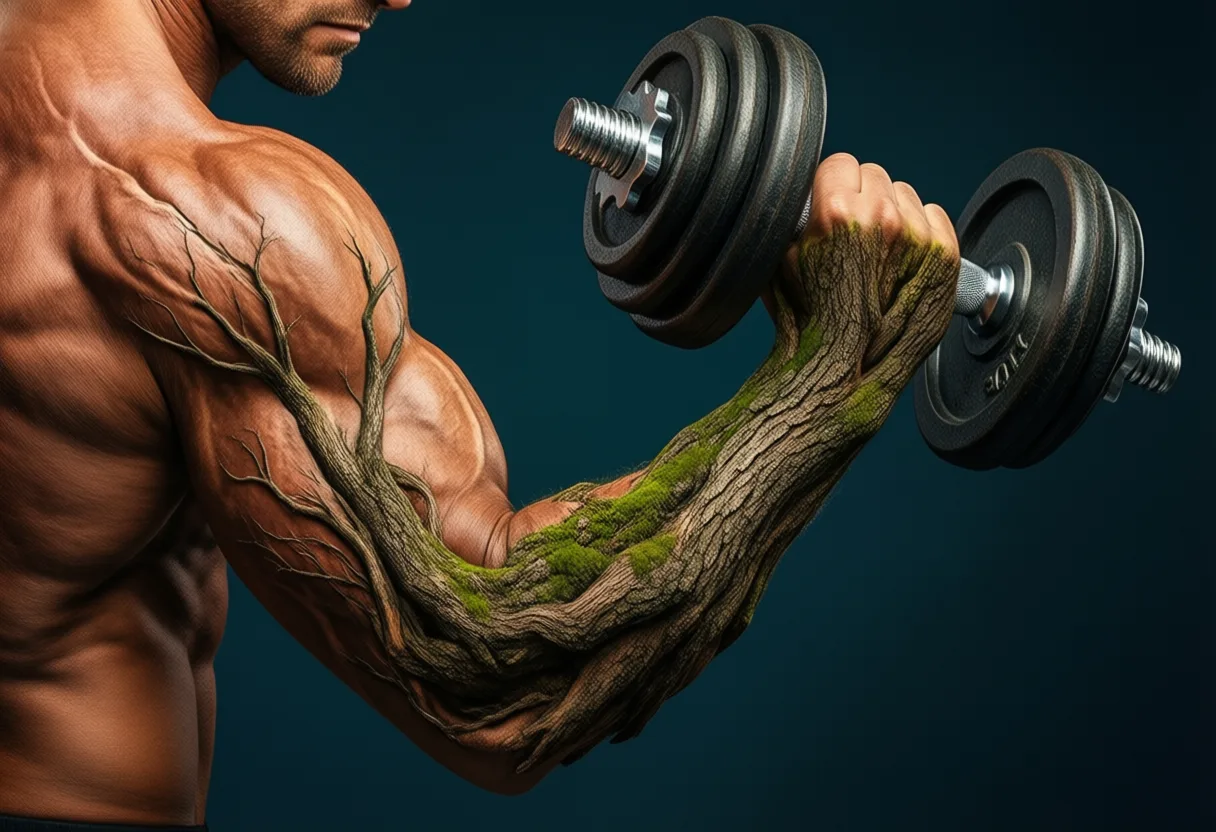
Your arms are only as strong as their weakest link-and for most people, that link is the triceps. Often overshadowed by the biceps in popularity, the triceps make up two-thirds of your upper arm mass, meaning neglecting them is Like building A car with half an engine. If you want arms that look powerful in a T-shirt and perform under pressure, it’s time to stop treating the triceps like an afterthought.
Why Triceps Matter for Total Arm Power
The Triceps brachii Isn’t just another muscle group-it’s the dominant force behind every push, lift, and press you do. Comprised of three distinct heads-the long, lateral, and medial-this muscle spans from your shoulder blade to your elbow, giving it a unique mechanical advantage in upper-body movement. Whether you're hoisting a suitcase overhead or pushing yourself up from the floor, the triceps are doing the heavy lifting.
Most people associate Arm strength With bicep curls, but real-world power comes from extension, not flexion. Think about it: opening a heavy door, pushing a stalled car, or even getting off the couch relies more on straightening the arm than bending it. That’s triceps work. And when developed properly, they don’t just add strength-they create that sharp, defined look that separates aesthetic arms from bulky ones.
Ignoring the triceps also creates muscular imbalances, which can lead to shoulder strain and poor posture over time. Since the long head of the triceps attaches at the scapula, it plays a subtle but critical role in stabilizing the shoulder joint during movement. A balanced arm routine doesn’t just look better-it moves better, reducing injury risk and improving daily function.
The Hidden Role of Dumbbells in Triceps Development
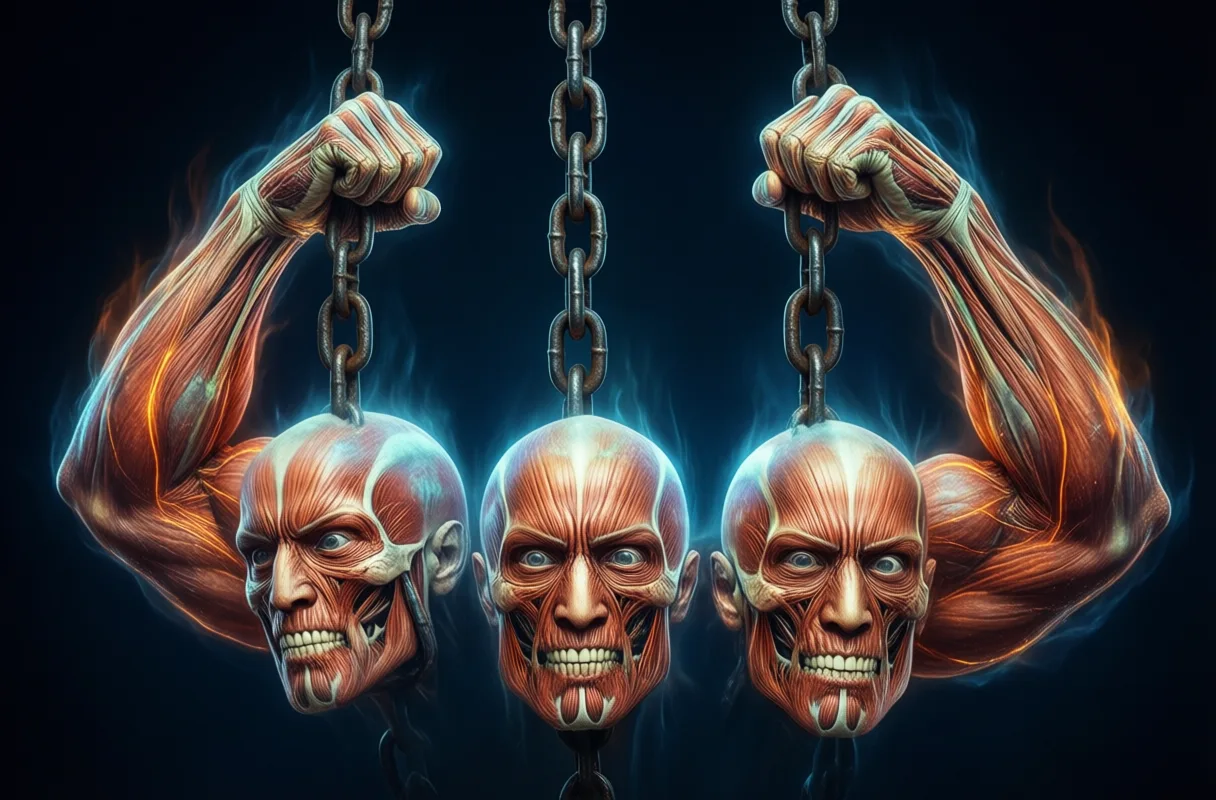
Dumbbells Are often seen as tools for chest presses or shoulder raises, but their value in triceps training is quietly revolutionary. Unlike barbells or machines, dumbbells allow each arm to move independently, exposing and correcting strength imbalances that might otherwise go unnoticed. This unilateral loading forces greater neuromuscular engagement, meaning more muscle fibers fire with each rep.
The freedom of motion dumbbells provide also lets you adjust angles on the fly, targeting different heads of the triceps with subtle shifts in wrist or elbow position. A slight twist in grip during a kickback can shift emphasis from the lateral to the long head, creating a more complete stimulus. And because dumbbells require more stabilization, your core and supporting muscles get pulled into the movement-turning isolation into integration.
Plus, dumbbells are accessible. You don’t need a full gym setup or a power rack to train your triceps effectively. A single pair and a bench-or even just the floor-can deliver a brutal session. For those training at home or on a tight schedule, this simplicity is a game-changer. You can find a full breakdown of effective movements in Tricep Workouts Dumbbells The 8 Best Exercises For Strength, where form and function meet practicality.
7 Dumbbell Moves That Target Every Head of the Triceps
Overhead Dumbbell Extension
This movement zeroes in on the long head of the triceps, the largest and most visually impactful of the three. By raising the arm overhead, you place the shoulder in flexion, which stretches the long head and increases its activation. Use one dumbbell with both hands or go single-arm for added core engagement.
Keep your elbows close to your head and move through a full range of motion-don’t cut the extension short. Lower the weight behind your head with control, then press upward until your arm is fully extended. Avoid flaring the elbows outward; that shifts tension to the shoulders and reduces triceps involvement.
This exercise scales well for all levels. Beginners can start light and focus on tempo, while advanced lifters can go heavier or add a slight pause at the bottom for time under tension. It’s a cornerstone move for building mass and definition above the elbow.
Dumbbell Kickback
The kickback is old-school, but don’t dismiss it for that. When done right, it delivers a sharp, isolated contraction to the lateral head of the triceps. Hinge at the hips, keep your back flat, and tuck your elbow tightly to your side as you extend the arm straight back.
The key is control. Most people swing the weight or use momentum, turning the move into a wasted rep. Instead, focus on squeezing at the top and resisting on the way down. Think quality over quantity-eight perfect reps beat fifteen sloppy ones.
This exercise shines in the final set of a triceps session, serving as a burnout or finisher. It’s also ideal for drop sets, where you reduce the weight incrementally without rest. The constant tension keeps the muscle firing long after fatigue sets in.
Floor Press
Lie on the floor with a dumbbell in each hand, arms extended over your chest. Lower the weights until your upper arms touch the ground, then press back up. The floor press limits range of motion compared to a bench press, but that’s the point-it keeps constant tension on the triceps while reducing strain on the shoulders.
Because your back stays flat on the floor, you can’t arch or cheat with momentum. This forces strict form and builds raw pressing strength. It’s also a great option for those without a bench or dealing with shoulder discomfort.
The floor press hits all three heads of the triceps, especially during the lockout phase. Over time, it builds explosive power in the final push of any pressing movement, from push-ups to overhead lifts.
Single-Arm Overhead Extension
Take the overhead extension and go unilateral. Hold one dumbbell with both hands behind your head, or use one hand with the other supporting the elbow. This variation increases core activation and allows for greater focus on form and muscle connection.
By working one side at a time, you eliminate the stronger arm from compensating. This leads to more balanced development and better mind-muscle coordination. It also lets you tweak your grip or elbow angle to find the sweet spot for maximum burn.
Use moderate weight and prioritize control. Let the stretch at the bottom feel deep but not painful, and drive through the triceps to lock out at the top. This move is deceptively simple but brutally effective when performed with intent.
Lying Triceps Extension (Skull Crusher Alternative)
Lie on a bench or the floor with dumbbells held above your chest, palms facing each other. Lower the weights toward your temples, keeping your elbows fixed, then extend back to the start. Unlike barbell skull crushers, dumbbells allow a more natural wrist path and reduce strain on the joints.
This movement hits the medial and lateral heads hard, especially during the lowering phase. The controlled eccentric (negative) portion increases time under tension, a key driver of muscle growth. Don’t rush it-take three seconds to lower, one to pause, and explode up.
Because dumbbells move independently, you’re less likely to let one side dominate. This ensures even development and reduces the risk of overuse injuries. It’s a staple in any serious arm-building routine.
Bench Dip (With Dumbbells for Resistance)
Place your hands on a bench behind you, legs extended, and lower your body by bending your elbows. To increase difficulty, hold a dumbbell on your lap or use a weight vest. This bodyweight-based move emphasizes the lower triceps and builds functional pressing strength.
Keep your elbows pointed back, not flared out, to keep tension on the triceps. Lean slightly forward to increase chest involvement if desired, but for pure triceps focus, stay upright. The deeper you go, the greater the stretch-but don’t sacrifice form for depth.
This exercise bridges the gap between bodyweight and weighted training. It’s scalable, joint-friendly, and builds real-world pushing power. When paired with dumbbell work, it creates a potent combo for size and strength.
Close-Grip Dumbbell Press
Hold two dumbbells close together at chest level, hands aligned with your shoulders. Press upward, keeping the weights close throughout the movement. This narrow grip shifts emphasis from the chest to the triceps, making it a hybrid builder.
The instability of dumbbells forces constant micro-adjustments, increasing triceps engagement. Unlike a barbell, you can’t lock the hands in place-so your muscles do the work. This leads to better muscle recruitment and joint resilience.
Use a flat or incline bench depending on your goals. Flat hits the lower chest and triceps equally, while incline shifts slightly more to the upper chest and front delts. Either way, the triceps get a serious challenge.
Common Form Mistakes That Undermine Results
One of the most frequent errors in triceps training is sacrificing range of motion for ego. Lifters use too much weight, then only complete half the movement, thinking they’re building strength when they’re actually building bad habits. Full extension and full stretch are non-negotiable For maximum muscle activation.
Another issue is elbow flaring. In overhead extensions or kickbacks, letting the elbows splay outward shifts the load to the shoulders and reduces triceps involvement. Keep them tucked close to your head or body-like holding a pencil between your elbow and ribcage.
Using momentum is equally damaging. Swinging the torso, bouncing the dumbbell off the chest, or jerking the weight up might let you lift heavier, but it disconnects the muscle from the movement. Control beats weight every time When building functional strength and size.
How Range of Motion Impacts Muscle Activation
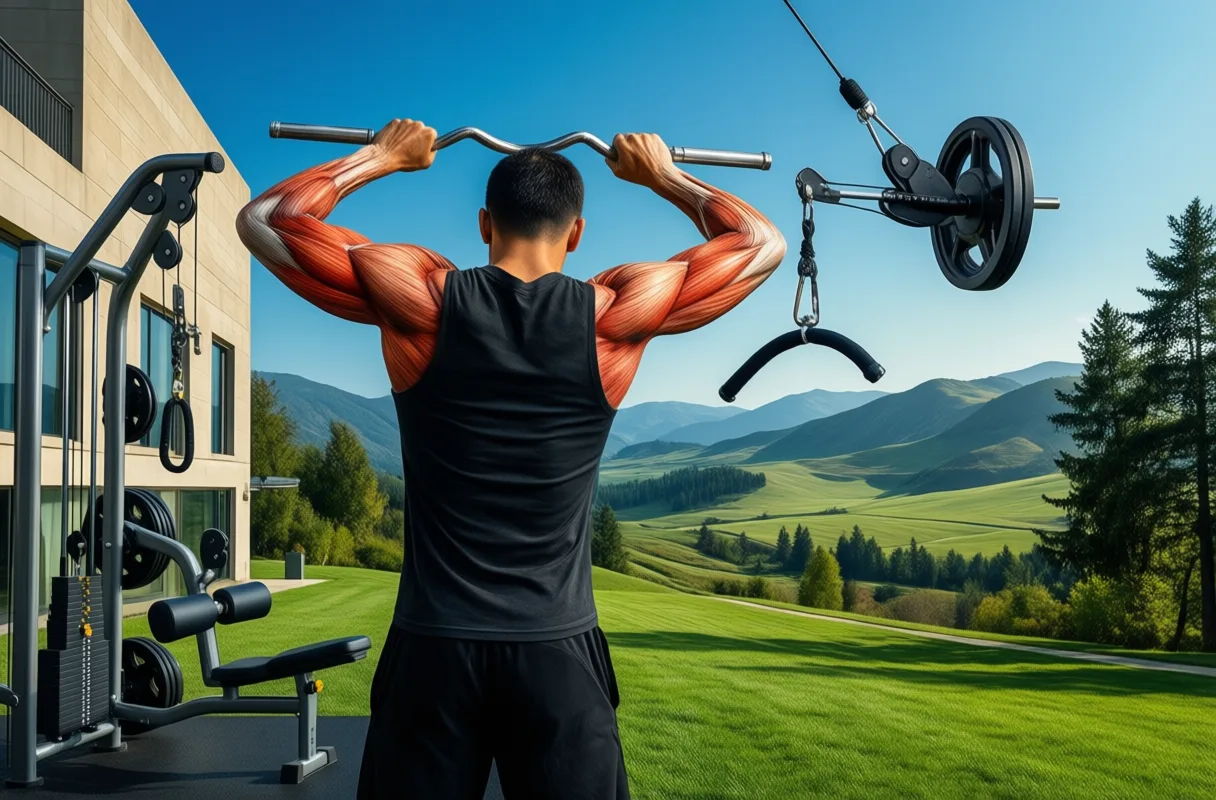
Muscle growth happens when fibers are stretched under load and then contracted forcefully. Limiting range of motion cuts off both phases, leaving gains on the table. For triceps, this means failing to fully extend the elbow or not lowering the dumbbell enough to create a deep stretch.
Studies consistently show that exercises performed through a full range lead to greater hypertrophy than partial reps. The triceps, especially the long head, respond strongly to stretch-mediated growth. That’s why overhead extensions are so effective-they take the muscle into extreme elongation.
But range of motion isn’t just about going deeper. It’s about doing it safely. If you feel joint pain at the bottom of a movement, back off slightly. There’s a difference between muscle stretch and joint strain. Find the point where tension peaks in the triceps, not the elbow.
Programming Your Dumbbell Triceps Routine for Growth
For optimal growth, train triceps twice a week with at least 48 hours of recovery between sessions. Pair them with chest or shoulders, or give them a dedicated arm day. Aim for 12–20 total sets per week, spread across 3–4 exercises.
Start with compound movements like the floor press or close-grip press, then move to isolations like kickbacks or overhead extensions. This sequence ensures you hit the muscle with heavy load first, then finish with burnout.
Use a mix of rep ranges: 6–8 for strength, 8–12 for hypertrophy, and 12–15 for endurance. Vary tempo, too-slow eccentrics, explosive concentrics, or pause reps. This keeps the muscle adapting and growing. And don’t forget progressive overload: gradually increase weight, reps, or sets over time.
From Isolation to Integration: Making Strength Functional
Triceps training shouldn’t end in the gym. The strength you build should translate to real life-opening jars, pushing through fatigue, or playing with kids without tiring. That’s why integrating triceps work into full-body patterns matters.
Push-ups, planks with shoulder taps, and explosive medicine ball throws all rely on triceps power. When your arms are strong, everyday movements feel easier, and athletic performance improves. You’re not just building muscle-you’re building capability.
Think of dumbbell triceps work as foundational. It’s the base layer that supports everything else. From there, strength spreads outward, enhancing posture, confidence, and resilience. That’s the real payoff.
Final Reps: Turning Arm Work Into Real-World Power
Building strong triceps isn’t about vanity-it’s about vitality. Every push, lift, and reach becomes easier when your arms are built to perform. And with dumbbells, you don’t need a fancy gym or endless time to make it happen.
Focus on form, embrace the burn, and trust the process. The results won’t just show in the mirror-they’ll show in how you move through the world. Strong arms aren’t just for show. They’re tools for living harder, longer, and better.
So pick up the dumbbells, lock in your technique, and start extending your limits-one rep at a time.
| Exercise | Primary Triceps Head Targeted | Key Benefit |
|---|---|---|
| Overhead Dumbbell Extension | Long head | Deep stretch and maximum activation of the largest triceps head |
| Dumbbell Kickback | Lateral head | Sharp, isolated contraction with high muscle fiber engagement |
| Lying Triceps Extension | Medial and lateral heads | Controlled eccentric phase increases time under tension |
| Floor Press | All three heads | Constant tension with reduced shoulder strain |
| Single-Arm Overhead Extension | Long head | Enhanced mind-muscle connection and core engagement |
| Bench Dip (with dumbbell resistance) | Lower triceps | Functional pressing strength with scalable difficulty |
| Close-Grip Dumbbell Press | All three heads | Shifts emphasis from chest to triceps with instability challenge |
Sculpting Stronger Arms with Simple Tools
You might not think a pair of dumbbells can fully challenge your triceps, but these three-headed muscles respond well to focused, controlled movements using basic equipment. Unlike bulky machines, dumbbells allow for a natural range of motion and help correct muscle imbalances since each arm works independently.
The Overhead Power Move
The dumbbell overhead triceps extension is a staple for a reason-it puts the long head of the triceps under deep stretch, promoting growth. Doing this move seated or standing, with one or two dumbbells, activates more muscle fibers when you keep your elbow close to your head. Fun fact: this exercise closely mimics the motion used in early 20th-century strongman routines, where athletes would press heavy weights overhead using only one arm, building serious arm strength without modern gear.
Hidden Gem: The Lying Extension
Also known as the skull crusher (though you’re not actually crushing anything), the dumbbell version performed on a bench adds stability and control. By lowering the dumbbells toward your forehead with a slight backward tilt, you maximize tension on the triceps while keeping stress off the elbows. Many lifters don’t realize that slight adjustments in grip width can shift emphasis across the three triceps heads-narrow grips hit the inner portion harder, while wider grips spread the load more evenly.
Why Dumbbells Beat Machines Sometimes
Dumbbells force your body to stabilize, engaging more supporting muscles than fixed-path machines. This added challenge means your nervous system fires more efficiently over time, leading to real-world strength gains. Plus, you can sneak in quick sets almost anywhere-even between household chores. That convenience helped fuel the rise of home workouts decades before fitness apps existed, proving that simple tools can deliver serious results when used consistently. Explore more stories, videos, and creators on Loaded.
Frequently Asked Questions
Why are triceps important for arm strength?
The triceps make up two-thirds of the upper arm mass and are responsible for arm extension, which is essential for real-world pushing movements like opening doors or getting off the floor.
How do dumbbells improve triceps training compared to machines?
Dumbbells allow each arm to move independently, correcting strength imbalances and requiring more stabilization, which increases muscle fiber engagement and involves the core and supporting muscles.
What is the best exercise for targeting the long head of the triceps?
The overhead dumbbell extension is most effective for the long head, as it places the shoulder in flexion, creating a deep stretch and greater activation of the largest triceps head.
How often should triceps be trained for optimal growth?
Triceps should be trained twice a week with at least 48 hours of recovery between sessions, using 12–20 total sets spread across 3–4 exercises for best results.
This article was produced with AI assistance. How Chiseled Magazine uses AI.
Jin-ho examines how fitness integrates into daily life and evaluates performance gear with a critical eye. He investigates recovery tools, wearable tech, and routines that bridge gym gains with real-world resilience, always prioritizing function over hype.