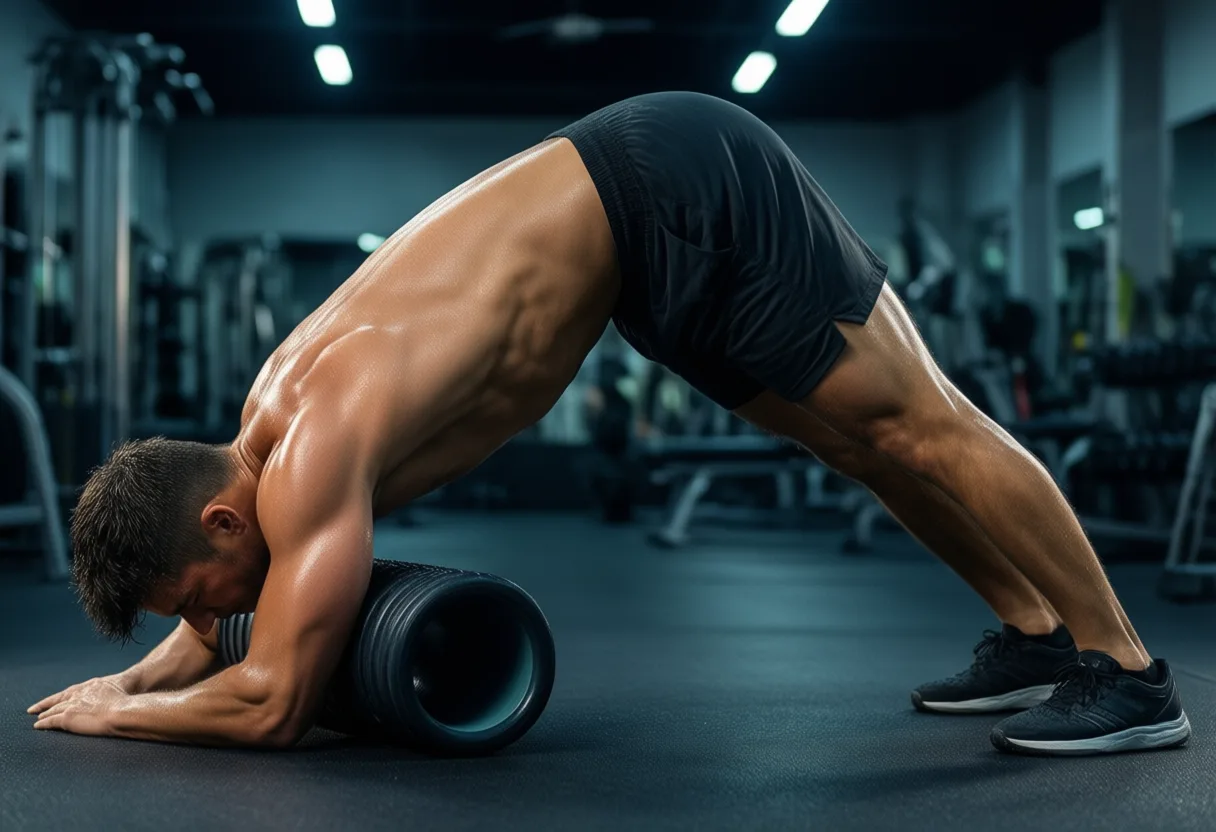
Tight glutes Aren’t just uncomfortable-they can silently undermine your strength, posture, and athletic performance. Whether you're lifting heavy, sprinting, or simply climbing stairs, restricted glute mobility can turn efficient movement into a mechanical compromise. Addressing this isn’t about luxury; it’s about maintaining the foundation of power and stability your body relies on daily.
Why Tight Glutes Sabotage Your Daily Movement
Sitting for long periods, repetitive motion, or imbalanced training can leave your glutes chronically tight, even if you’re active. When these Muscles Lose their ability to lengthen properly, they begin to dictate how your hips, lower back, and knees function. This often leads to altered gait, reduced stride length, and a noticeable stiffness when standing up or turning in your seat.
The problem isn’t just discomfort-it’s compensation. Tight glutes force other Muscles like The hamstrings, lower back, or hip flexors to pick up the slack during movement. Over time, this imbalance increases the risk of strain and diminishes the power output you’re capable of in both gym and real-world scenarios.
You might not feel it during a bicep curl, but try a deep squat or a sprint start, and the restriction becomes obvious. Restoring mobility isn’t just about feeling looser-it’s about reclaiming full control of your body’s largest muscle group. For a full breakdown of targeted moves, check out Stretches for Gluteal Muscles: 7 Effective Moves to Relieve Tightness.
What Happens When Glutes Don’t Release Properly
When glutes remain in a state of constant tension, they don’t just resist stretch-they lose the ability to contract effectively. A muscle that can’t fully lengthen also can’t generate maximum force, which means your deadlifts, jumps, and lunges all suffer in performance.
This dysfunction often manifests as “gluteal amnesia,” where the brain struggles to activate the muscle properly due to prolonged tightness and poor signaling. The body adapts by overusing the lower back or hamstrings, leading to fatigue, soreness, and a higher chance of injury during dynamic movements.
Chronic tightness Can also contribute to postural distortions, such as an anterior pelvic tilt or excessive lumbar curve. These changes don’t just affect how you look in the mirror-they impact spinal health and long-term joint integrity. Ignoring glute mobility is like driving a high-performance car with the parking brake on: you’re wasting potential and wearing down the system.
The Best Stretches to Unlock Tight Glutes
Incorporating targeted glute stretches into your routine can reverse these effects, restoring balance and improving Both recovery And performance. These seven moves focus on different angles and muscle layers within the glute complex, ensuring comprehensive release.
1. Seated Figure-Four Stretch
Sit on the edge of a sturdy chair with your feet flat on the floor. Cross your right ankle over your left thigh, just above the knee. Gently press down on the right knee while leaning forward slightly from the hips.
You should feel a deep stretch in the right glute and outer hip. Keep your spine long and avoid rounding your back. Hold for 30 seconds, then switch sides.
This stretch is especially effective after long periods of sitting. It targets the piriformis and deep lateral rotators, often the most stubborn areas of glute tightness.
2. Lying Glute Stretch (Knee-to-Chest Variation)
Lie on your back with both knees bent and feet flat. Lift your right leg and cross the ankle over your left thigh. Reach through and clasp your hands behind the left thigh.
Gently pull the left leg toward your chest, keeping your head and shoulders relaxed on the floor. The stretch should be felt deep in the right glute.
This version is more stable than seated options, making it ideal for beginners or those with limited hip mobility. It also reduces strain on the lower back when performed correctly.
3. Pigeon Pose with Forward Lean
Start in a tabletop position. Bring your right knee forward and place it behind your right wrist, angling your right foot toward your left hip. Extend your left leg straight back, top of the foot on the floor.
Lower your torso over your right leg, keeping your hips square. For a deeper stretch, walk your hands forward and rest your forehead on the mat.
This yoga classic hits the gluteus maximus and piriformis with precision. If it’s too intense, place a cushion under the right hip for support.
4. Standing Cross-Legged Forward Bend
Stand with feet hip-width apart. Cross your right leg over your left, stacking the right thigh over the left. Hinge at the hips and lower your torso toward your thighs.
Keep your back flat and arms hanging or reaching toward the floor. You should feel the stretch in the right glute and hip.
This stretch is convenient-no mat required-and perfect for quick mobility breaks during the workday. It’s also a great way to assess side-to-side differences in tightness.
5. Supine Spinal Twist with Bent Knees
Lie on your back with arms out in a T. Bend your knees and draw them to your chest. Drop both knees to the right while turning your head to the left.
Keep both shoulders in contact with the floor. The twist should create a gentle release across the lower back and glutes.
This stretch improves rotational mobility, which is often neglected in training. It also helps reset muscle tone after intense lower-body workouts.
6. Half-Kneeling Hip Flexor and Glute Combo
Kneel on your right knee with your left foot flat in front, knee bent at 90 degrees. Tuck your pelvis slightly and lean forward into the left hip.
For added glute engagement, reach your right arm overhead and lean slightly to the left. You’ll feel a dual stretch in the right hip flexor and left glute.
This dynamic stretch bridges two critical areas: anterior tightness and posterior restriction. It’s especially useful for runners and lifters alike.
7. Seated Forward Fold with External Rotation
Sit with legs extended. Bend your right knee and place the sole of your right foot against your left inner thigh. Rotate your right knee outward, letting it drop toward the floor.
Hinge at the hips and reach your hands toward your left foot. Keep your spine long and avoid jerking forward.
This stretch combines hamstring and glute mobility, making it efficient for full posterior chain release. The external rotation targets the deeper gluteal muscles often missed in standard stretches.
How Long to Hold Each Stretch for Real Results
For meaningful change in muscle length and tension, hold each stretch for 30 to 45 seconds. This duration allows the nervous system to relax and the muscle fibers to adapt to the new range.
Shorter holds-under 20 seconds-may feel good but rarely produce lasting flexibility gains. Consistency matters more than intensity: performing these stretches daily yields better results than aggressive, infrequent sessions.
Aim for 2 to 3 rounds per side For each stretch, especially if you notice significant tightness. Over time, you should feel increased ease in hip movement and reduced stiffness after workouts.

When to Stretch: Pre-Workout vs. Recovery Sessions
Stretching isn’t one-size-fits-all-timing affects its impact. Before a workout, focus on Dynamic movements Rather than long static holds. Warm up with leg swings, walking lunges, or gentle glute bridges to activate the muscles without dulling their responsiveness.
Save deep glute stretches for Post-workout or recovery days, when the goal is to release tension and support muscle repair. At this point, your tissues are warm, and static holds will enhance flexibility without compromising performance.
Stretching in the evening can also improve sleep quality by reducing muscular tension. Think of it as a cooldown for both body and mind-preparing you for better recovery and readiness the next day.
Avoid These Common Glute Stretching Mistakes
One of the most frequent errors is Overarching the lower back During stretches like pigeon pose or the lying glute stretch. This shifts focus away from the glutes and stresses the lumbar spine. Keep your core gently engaged and pelvis tucked to maintain alignment.
Another mistake is Rushing through the motion. Bouncing or forcing a stretch can trigger protective muscle tightening instead of relaxation. Move slowly and breathe deeply-each exhale should allow you to sink slightly deeper.
Finally, Ignoring asymmetry Is a missed opportunity. Most people have one tighter side. Spend extra time on the stiffer side, even if it feels unbalanced. Equal time doesn’t always mean equal results.
Practical Tips to Integrate Stretching Into Any Routine
You don’t need 30 minutes or a yoga mat to make stretching stick. Attach glute stretches to existing habits: do the seated figure-four while watching the news, or perform a standing cross-legged bend after brushing your teeth.
Set reminders on your phone for two short 5-minute mobility breaks during the day. Pair them with hydration-stretch while waiting for your coffee or water refill.
Even post-shower is a great time: your muscles are warm, and the routine is already a non-negotiable part of your day. Just three targeted stretches can make a noticeable difference over time.
Why Flexibility Fuels Better Performance and Recovery
Flexibility isn’t the opposite of strength-it’s its partner. A supple, responsive glute complex allows for deeper squats, more powerful hip drive, and safer landings. It’s not about touching your toes; it’s about moving with control and confidence.
Improved mobility also speeds up recovery by enhancing blood flow and reducing residual muscle tension. This means less soreness, faster turnaround between workouts, and a lower risk of overuse injuries.
When your body moves freely, your training gets sharper, your physique improves, and your daily life feels easier. For a complete guide to unlocking tightness, visit Stretches for Gluteal Muscles: 7 Effective Moves to Relieve Tightness.
| Stretch Name | Primary Muscles Targeted | Best For |
|---|---|---|
| Seated Figure-Four Stretch | Piriformis, deep lateral rotators | Relieving tightness after sitting |
| Lying Glute Stretch | Gluteus maximus, piriformis | Beginners or limited hip mobility |
| Pigeon Pose with Forward Lean | Gluteus maximus, piriformis | Deep release with yoga precision |
| Standing Cross-Legged Forward Bend | Glute, hip | Quick mobility breaks at work |
| Supine Spinal Twist | Glutes, lower back | Rotational mobility and cooldown |
| Half-Kneeling Hip Flexor and Glute Combo | Hip flexor, glute | Runners and lifters |
| Seated Forward Fold with External Rotation | Glutes, hamstrings | Full posterior chain release |
Loosen Up That Powerhouse
Why Your Glutes Love a Good Stretch
You might think of your glutes as just the muscles that shape your backside, but they’re actually your body’s powerhouse. Made up of three muscles-the gluteus maximus, medius, and minimus-they’re crucial for walking, running, climbing stairs, and even standing up from a chair. When these muscles get tight from sitting too long or intense workouts, they can throw off your posture and lead to discomfort in your lower back, hips, or knees. That’s where simple glute stretches come in, helping restore mobility and keep everything in alignment.
Here’s a fun twist: the gluteus maximus is the largest muscle in the human body. It makes sense when you think about how much work it does to move your hips and thighs. Tight glutes can limit your range of motion, making deep squats or lunges feel stiff or awkward. Stretching them regularly doesn’t just ease tension-it can actually improve your performance in sports and daily movements. Try the seated figure-four stretch or lying glute stretch; both are easy to do at home and deliver real relief.
Interestingly, tight glutes often go hand-in-hand with weak hip flexors, especially if you spend hours at a desk. This imbalance can tilt your pelvis forward and contribute to lower back pain. Stretching both areas helps reset the balance. And while it might feel strange at first, holding a glute stretch for 30 seconds to a minute gives the muscle time to truly relax and lengthen. Over time, consistent stretching leads to better flexibility, faster recovery after exercise, and fewer aches when you’re on your feet all day. Explore more stories, videos, and creators on Loaded.
Frequently Asked Questions
Why do tight glutes cause lower back and knee discomfort?
Tight glutes can alter hip, lower back, and knee function, leading to compensation by other muscles like the hamstrings or lower back. This imbalance increases strain and can result in discomfort or pain over time.
How long should I hold each glute stretch for effective results?
Hold each stretch for 30 to 45 seconds to allow the nervous system to relax and the muscle fibers to adapt. Shorter holds under 20 seconds rarely produce lasting flexibility gains.
When is the best time to do glute stretches?
Deep glute stretches are best saved for post-workout or recovery days when tissues are warm. Stretching in the evening can also reduce tension and improve sleep quality.
Can stretching glutes improve athletic performance?
Yes, flexible glutes allow for deeper squats, more powerful hip drive, and safer landings. Improved mobility enhances strength, recovery, and overall movement efficiency.
This article was produced with AI assistance. How Chiseled Magazine uses AI.
Jin-ho examines how fitness integrates into daily life and evaluates performance gear with a critical eye. He investigates recovery tools, wearable tech, and routines that bridge gym gains with real-world resilience, always prioritizing function over hype.