Why Tight Glutes Could Be Sabotaging Your Lower Back
Tight glutes Are more than just a nuisance after leg day-they can quietly destabilize your entire lower body. When these powerful muscles lose flexibility, they pull on the pelvis and shift spinal alignment, often leading to persistent lower back discomfort. Many people treat back pain in isolation, ignoring the root cause brewing in the hips.
The Gluteal muscles Are designed to extend and rotate the hip, not bear the burden of poor posture or prolonged sitting. When they remain contracted for hours, their resting tension rises, making them less responsive during movement. This stiffness doesn’t just limit stride or squat depth-it can force other muscles to compensate, increasing strain on the lumbar spine.
Over time, this imbalance becomes normal, masked by daily routines that demand little dynamic motion. You might not notice the change until a simple bend or twist triggers a sharp twinge. The truth is, your back may not be the problem-it’s just the messenger.
The Hidden Link Between Hip Tension and Spinal Discomfort
Hip tightness doesn’t operate in a vacuum. It directly influences pelvic tilt, which in turn dictates how your spine carries load. A posterior pelvic tilt, often caused by chronically tight glutes, flattens the natural curve of the lower back, compressing discs and irritating nerves.
This misalignment forces the erector spinae and multifidus muscles to work harder to stabilize the spine. They weren’t built to handle constant overactivation, and fatigue sets in quickly. The result? Aching, stiffness, and reduced resilience during physical activity.
Meanwhile, the hip flexors on the opposite side may become lengthened and weak, creating an uneven tug-of-war across the pelvis. This imbalance is common in desk workers, drivers, and even athletes who focus on strength without addressing flexibility. Fixing Back pain Often means restoring balance-not just in the spine, but in the entire kinetic chain.
How Daily Habits Contribute to Gluteal Tightness
Modern life is built around seated positions that keep the glutes in a constant state of shortening. Whether you're at a desk, in a car, or on the couch, your hips stay flexed for hours, and your glutes remain inactive yet compressed. This prolonged positioning reduces blood flow and encourages fibrous adhesions within the muscle tissue.
Standing for long periods isn’t always better. Poor posture-such as locking the knees or shifting weight to one leg-can cause uneven gluteal engagement. One side may overfire to stabilize, leading to asymmetrical tightness that pulls the pelvis out of alignment.
Even regular exercise can contribute if it lacks variety. Runners and weightlifters often develop strong but inflexible glutes, especially if stretching is treated as an afterthought. Without deliberate lengthening, repetitive motions reinforce tight patterns. The body adapts to what you do most-so if you sit and squat but rarely stretch, tightness wins by default.
Sitting, Standing, and Moving: The Modern Postural Trap
The average adult spends over half their waking day in a seated position. This isn’t just a statistic-it’s a mechanical reality that reshapes muscle behavior. When the glutes are compressed for hours, they adapt by losing elasticity, making it harder to achieve full hip extension when standing or Walking.
Standing desks offer a partial solution, but they don’t fix the root issue if posture remains slouched or one-sided. Many people stand with hips shifted, shoulders rolled, and core disengaged-essentially trading one dysfunctional position for another. Movement variety, not just standing, is key to reversing the damage.
Integrating micro-movements throughout the day-like shifting weight, performing gentle hip circles, or taking short walks-can interrupt the cycle of stiffness. The body thrives on change, not static positions, no matter how “correct” they seem. Mobility isn’t earned in a single stretching session-it’s maintained through consistent, mindful motion.
What Happens When Glutes Overwork and Understretch
When glutes are both tight and weak-a condition sometimes called “gluteal amnesia”-they fire inefficiently. Instead of generating power, they lock up, forcing nearby muscles like the hamstrings and lower back to take over. This compensation pattern is a fast track to overuse injuries.
The piriformis, a small muscle deep in the buttock, often becomes hyperactive when surrounding glutes underperform. This can irritate the sciatic nerve, mimicking symptoms of a herniated disc. Pain radiating down the leg isn’t always spinal-sometimes it’s muscular tension masquerading as nerve trouble.
Over time, this dysfunction alters gait and reduces hip range of motion. Simple tasks like climbing stairs or getting out of a chair require more effort, and performance in the gym suffers. Strength means nothing if mobility can’t keep up. A muscle that can’t lengthen properly can’t contract fully-limiting power, endurance, and joint health.
The Domino Effect on Pelvic Alignment and Lumbar Strain
Pelvic tilt is a silent orchestrator of spinal health. When tight glutes pull the pelvis into posterior tilt, the lumbar spine loses its natural lordotic curve. This flattening increases pressure on the intervertebral discs, particularly in the L4-L5 and L5-S1 regions.
As the spine compensates, the upper back may round forward, and the head juts ahead-creating a cascade of postural deviations. The body now moves from a position of imbalance, making every lift, twist, and step less efficient. Energy leaks out through poor mechanics.
This misalignment also affects breathing and core engagement. A tucked pelvis inhibits the diaphragm and weakens the connection between the deep core and pelvic floor. You can’t brace properly during heavy lifts if your foundation is compromised. Fixing the back often starts by unlocking the hips.
Can Stretching Really Ease Chronic Lower Back Pain?
Stretching isn’t a magic fix, but it’s a proven tool for reducing muscular tension and improving joint mechanics. When done consistently, it helps restore normal muscle length, allowing the pelvis and spine to return to neutral alignment. This alone can relieve pressure on sensitive structures in the lower back.
Studies show that flexibility training, especially when combined with strength and motor control exercises, leads to meaningful reductions in chronic low back pain. The key is specificity-targeting the right muscles at the right time, with proper technique. Random stretching won’t cut it.
For many, the relief isn’t immediate. It takes weeks of consistent effort to retrain muscle memory and dissolve chronic tightness. But the payoff is real: less stiffness, smoother movement, and fewer flare-ups. Think of stretching as maintenance, not emergency repair.
Exploring the Science of Muscle Release and Joint Relief
Muscles respond to sustained tension with plastic elongation-meaning they lengthen best when held in a stretch for 30 to 60 seconds. Quick, bouncy movements don’t achieve this; they trigger the stretch reflex, causing the muscle to contract defensively. Patience yields results.
Fascia, the connective tissue surrounding muscles, also adapts to stretching. When glutes are tight, the surrounding fascial web can become dense and restrictive. Regular stretching helps maintain its fluidity, improving glide between muscle layers and reducing friction during movement.
Neurologically, stretching recalibrates the muscle spindle’s sensitivity. Over time, this lowers the baseline tone of overactive muscles, making them less prone to spasm. It’s not just about tissue length-it’s about reprogramming the nervous system’s control over tension.
7 Effective Stretches for Releasing Gluteal Tension
- Seated Figure-Four Stretch Sit on the floor with one ankle crossed over the opposite knee. Gently lean forward, keeping the back straight. Hold for 30–45 seconds per side. This targets the deep gluteal muscles, including the piriformis.
- Supine Glute Stretch (Knee-to-Chest Variation) Lie on your back, pull one knee toward your chest, and grasp it with both hands. Keep the other leg extended or bent. For a deeper stretch, cross the ankle over the opposite thigh.
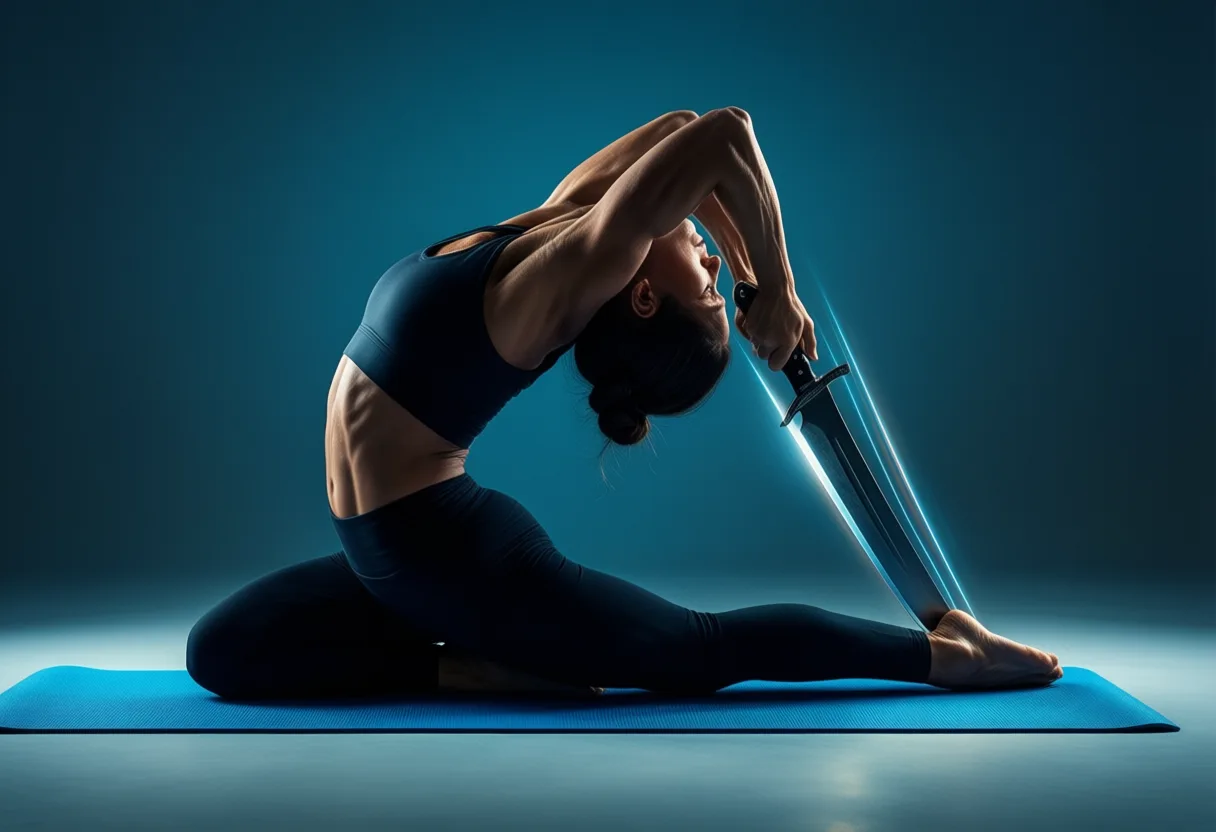
- Pigeon Pose (Modified or Full) From a plank position, bring one knee forward and place it behind the wrist, with the ankle near the opposite hip. Extend the other leg back and lower the torso. Use a cushion under the hip if needed.
- Lying Cross-Legged Glute Stretch Lie on your back, cross one ankle over the opposite knee, and gently pull the uncrossed leg toward your chest. Feel the stretch deep in the buttock of the crossed leg.
- Seated Spinal Twist Sit with legs extended, bend one knee, and place the foot outside the opposite thigh. Twist your torso toward the bent knee, using the elbow for gentle leverage. This engages the glutes and obliques.
- Standing Hip Circles Stand with hands on hips and draw slow circles with one hip, moving through the full range of motion. This dynamic movement warms up the joint and loosens tight fibers.
- Child’s Pose with Hip Adduction From a kneeling position, sit back on your heels and walk your hands forward. To target the glutes, bring your knees wider and let them fall inward slightly. This opens the hips and releases outer glute tension.
When to Stretch-and When to Hold Back
Stretching is most effective when muscles are warm-after a workout or a brief cardio session. Cold stretching increases the risk of microtears, especially in dense muscles like the glutes. A five-minute walk or light cycling primes the tissue for lengthening.
Avoid aggressive stretching first thing in the morning when muscles are stiff and dehydrated. Instead, start with gentle movement to increase circulation. Save deep stretching for later in the day or post-exercise.
Listen to your body. A mild pull is normal; sharp or radiating pain is not. If you feel nerve-like sensations-tingling, numbness, or electric shocks-ease off immediately. Overstretching can inflame tendons or irritate nerves, setting back progress.
Timing, Frequency, and Warning Signs of Overstretching
Aim to stretch the glutes at least 3–4 times per week, holding each stretch for 30–60 seconds per side. Two to three rounds per session can enhance tissue adaptation without overloading. Consistency matters more than intensity.
Overstretching often feels like a deep ache that lingers for hours or worsens with movement. You might also notice increased stiffness or joint instability. These are signs the tissue is irritated, not releasing.
If discomfort persists beyond 24 hours, reduce duration or frequency. Recovery is part of progress-your muscles need time to adapt. Pushing too hard too often leads to setbacks, not gains.
Common Mistakes That Undermine Stretching Benefits
Holding your breath is one of the most common errors. Oxygen fuels muscle relaxation-without it, tension lingers. Breathe deeply and rhythmically, exhaling as you ease into the stretch.
Rushing through stretches defeats the purpose. The nervous system needs time to allow lengthening. A 10-second bounce won’t unlock tight glutes; sustained, mindful tension will.
Bouncing-or ballistic stretching-triggers protective reflexes that tighten the muscle. It also increases injury risk, especially in cold or fatigued tissue. Stick to static holds for safer, more effective results.

Breathing, Form, and the Pitfall of Bouncing
Proper breathing isn’t optional-it’s part of the mechanics. Inhale to prepare, exhale to deepen. Each breath should help you sink slightly further, not force your way into position. Think of tension melting, not being ripped away.
Form matters more than depth. It’s better to perform a shallow stretch with a neutral spine than to overreach and round your back. Keep your core gently engaged to protect the lumbar spine during seated or supine positions.
Bouncing might feel productive, but it’s counterproductive. It trains the muscle to resist rather than release. Replace it with stillness and patience-real flexibility is earned slowly.
How Mobility Gains Translate to Everyday Movement
Improved gluteal flexibility changes how you move from the ground up. Bending to tie your shoes becomes smoother, with less strain on the lower back. Walking feels more fluid, with fuller hip extension and less reliance on the hamstrings.
Climbing stairs, getting out of a chair, or lifting groceries-all become more efficient. You’re not just moving better; you’re moving with less wear and tear on your joints. This is functional fitness at its core.
Athletic performance also benefits. Squats go deeper, runs feel lighter, and jumps generate more power. When your glutes can both contract and lengthen fully, you unlock your body’s natural mechanics.
Real-World Payoffs
Mobility isn’t just for athletes-it’s for anyone who wants to stay active and pain-free as they age. The ability to move without stiffness is a marker of long-term health, not just short-term comfort.
Imagine going through your day without that nagging lower back tightness. No more wincing when you stand up or adjusting your seat constantly. These small victories add up to a higher quality of life.
And let’s be honest-looking good isn’t just about visible abs. It’s about standing tall, moving with confidence, and feeling strong in your body. Flexibility is part of that equation.
Building a Sustainable Routine for Long-Term Relief
Start small. Add one or two glute stretches to your post-workout routine or evening wind-down. Pair them with habits you already have-like brushing your teeth or watching the news-to build consistency.
Track progress subtly. Notice how far you can reach, how low you can squat, or how long you can stand without shifting your weight. These are real indicators of improvement, even if the mirror doesn’t change overnight.
Make it a non-negotiable, like brushing your teeth. Your body is your most important investment-treat it with daily care. Long-term relief isn’t about one heroic stretch. It’s about showing up, day after day, for your mobility.
| Stretch Name | Position | Hold Time | Key Benefit |
|---|---|---|---|
| Seated Figure-Four Stretch | Sitting on floor | 30–45 seconds | Targets piriformis and deep glutes |
| Supine Glute Stretch | Lying on back | 30–60 seconds | Improves hip flexibility |
| Pigeon Pose | On mat, one knee forward | 30–60 seconds | Releases outer hip and glute tension |
| Lying Cross-Legged Stretch | Lying on back | 30–60 seconds | Deep stretch in crossed-leg glute |
| Seated Spinal Twist | Sitting, torso twisted | 30–45 seconds | Engages glutes and obliques |
| Child’s Pose with Hip Adduction | Kneeling, hips wide | 30–60 seconds | Opens hips and releases outer glutes |
Loosen Up for a Happier Back
Why Your Glutes Hold the Key
Tight glutes are more than just a workout nuisance-they can quietly sabotage your lower back. When your butt muscles get stiff, they tug on the pelvis, which can tilt it out of alignment and put extra pressure on your spine. That’s why a simple Gluteal Muscle Stretch isn’t just about flexibility; it’s a stealth move for easing tension and improving how you move day to day. Think of it like tuning a guitar-when one string is too tight, the whole instrument sounds off.
Small Stretch, Big Payoff
Here’s a fun twist: your glutes are the largest muscle group in your body, so when they’re not functioning well, everything from walking up stairs to bending over to tie your shoes can feel harder. A well-placed stretch-like the seated figure-four or lying glute pull-doesn’t just feel good; it helps restore balance between your hips and lower back. Many people are surprised to learn that a few minutes of stretching these muscles can reduce that nagging ache they’ve been blaming on their desk job. And because the glutes connect to the sciatic nerve pathway, keeping them loose may even help avoid radiating pain down the leg.
Stretch Smarter, Not Harder
You don’t need to push into pain to get results-gentle, consistent stretching works best. Hold each glute stretch for 20 to 30 seconds on each side, and breathe deeply to help the muscle relax. Doing this daily, especially after sitting for long periods, keeps things mobile and can prevent stiffness from creeping in. Bonus tip: pairing glute stretches with core engagement exercises creates a stronger support system for your back, making everyday movements smoother and safer. Explore more stories, videos, and creators on Loaded.
Frequently Asked Questions
How do tight glutes cause lower back pain?
Tight glutes pull on the pelvis, shifting spinal alignment and flattening the natural curve of the lower back. This increases pressure on discs and forces other muscles to overwork, leading to strain and discomfort.
What are the best stretches for relieving gluteal tension?
Effective stretches include the seated figure-four, supine glute stretch, pigeon pose, lying cross-legged glute stretch, and child’s pose with hip adduction. These target deep gluteal muscles and improve hip mobility.
When is the best time to stretch the glutes?
Stretching is most effective when muscles are warm, such as after a workout or brief cardio session. Avoid aggressive stretching when muscles are cold, like first thing in the morning.
How often should I stretch my glutes for lower back relief?
Aim to stretch the glutes 3–4 times per week, holding each stretch for 30–60 seconds per side. Consistency and proper form matter more than intensity for long-term relief.
This article was produced with AI assistance. How Chiseled Magazine uses AI.
Jin-ho examines how fitness integrates into daily life and evaluates performance gear with a critical eye. He investigates recovery tools, wearable tech, and routines that bridge gym gains with real-world resilience, always prioritizing function over hype.