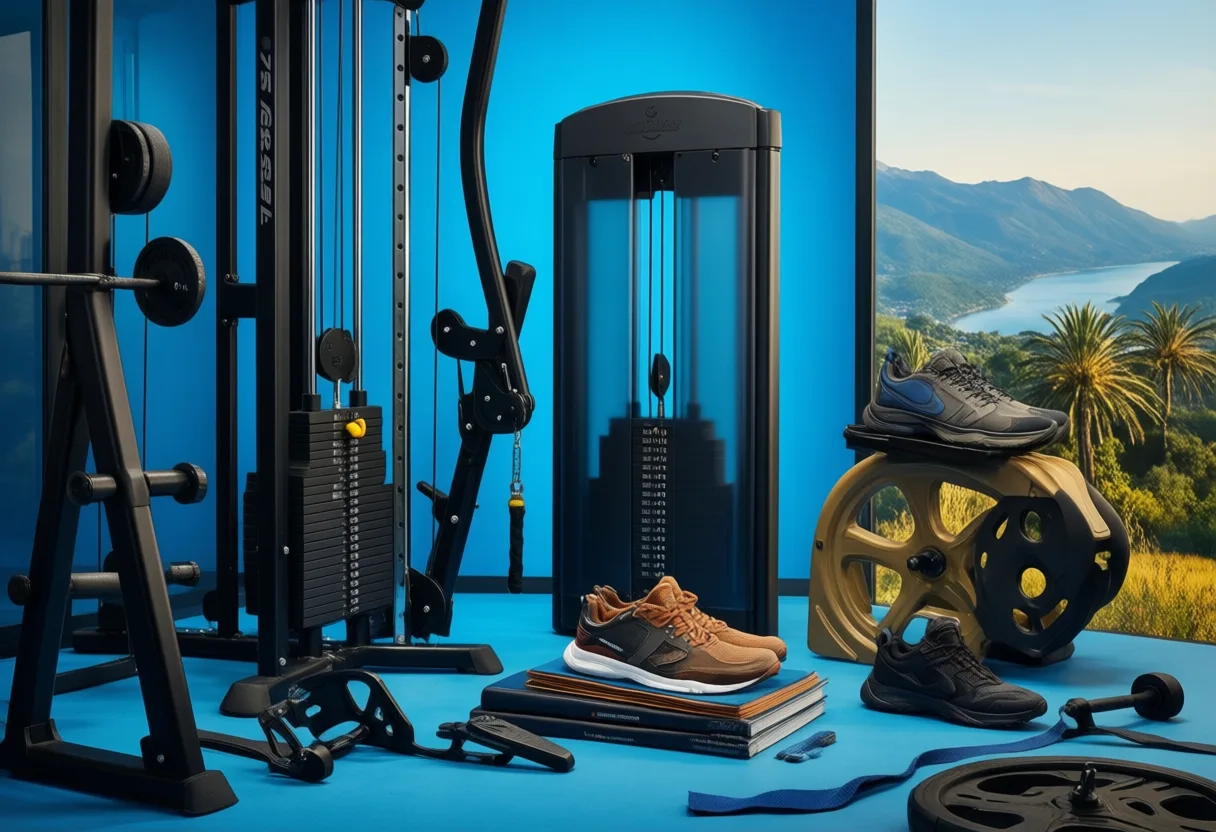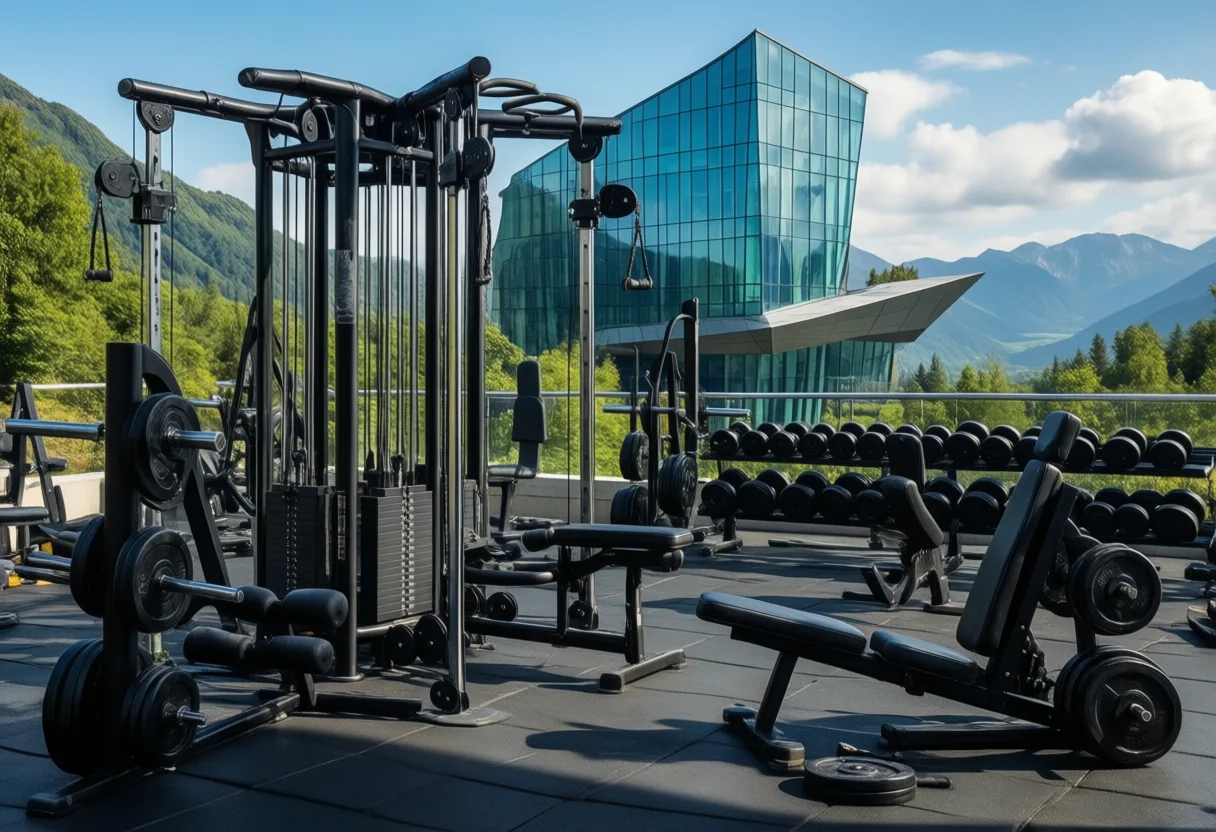
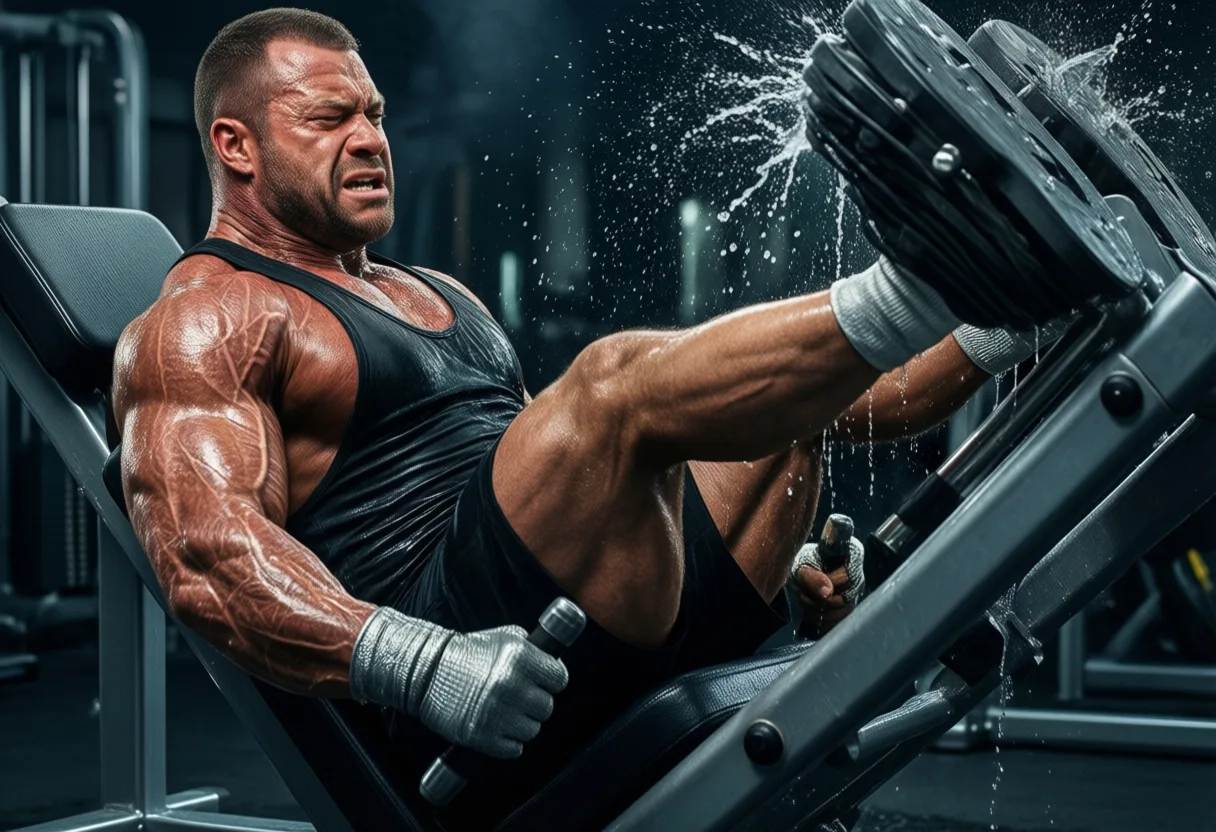
Leg day doesn’t always require a barbell and a prayer. For those serious about Building strength, muscle, and symmetry, machines offer a precision that free weights often can’t match-especially when fatigue sets in and form begins to slip.
While the clank of iron still echoes through most gyms, a quieter revolution has been unfolding in the corner where the machines live. These tools, often dismissed as beginner fare, are being embraced by elite lifters who understand that Controlled resistance And Targeted loading Are just as critical as raw power when building Legs That perform-and look-the part.
Why Machine-Based Training Dominates Strength-Focused Leg Days
Machines eliminate the guesswork of balance and coordination, allowing lifters to focus purely on muscle contraction. This is especially valuable during leg day, where compound movements demand stability from multiple joints and core engagement. When the goal is Maximum strength, reducing extraneous variables means you can push closer to failure safely.
Unlike free weights, machines guide the movement path, which reduces the risk of compensatory patterns. That means your quads aren’t offloading work to your lower back, and your hamstrings aren’t hiding behind Stronger glutes. The result? Cleaner, more consistent stimulus To the intended muscles.
Over time, this consistency translates into measurable strength gains. You can track progress not just by weight added, but by how each rep feels-tight, focused, and fully engaged. For lifters aiming to build durable, powerful legs, machines offer a repeatable framework that adapts with you.
The Hidden Advantage of Controlled Resistance in Hypertrophy
Hypertrophy isn’t just about lifting heavy-it’s about lifting smart. Machines provide constant tension throughout the entire range of motion, a key factor in muscle growth. Free weights often have “easier” points in the lift due to biomechanical advantages, but machines maintain resistance where it matters most.
This controlled resistance allows for better time under tension, a proven driver of muscle size. You’re not just moving weight-you’re forcing the muscle to work harder at its weakest angles. That’s where real growth happens: in the grind, not the glory.
Lifters who integrate machines into their leg routines often report deeper muscle soreness in targeted areas, indicating effective fiber recruitment. When your goal is not just strength but Visible muscle development, that kind of precision is non-negotiable.
How Stability Enhances Progressive Overload Without Compromising Form
Progressive overload Is the foundation of strength. But adding weight means nothing if your form collapses. Machines lock you into a stable position, letting you push harder without sacrificing technique. This stability is crucial when training to failure, a necessary step for long-term gains.
For lifters recovering from injury or managing joint sensitivities, this controlled environment is a game-changer. You can still challenge your muscles without aggravating old issues. That means fewer setbacks and more consistent progress over months and years.
Even advanced athletes use machines to isolate weak links. Want stronger quads to improve your squat? Train them directly under stable conditions. Want to bulletproof your hamstrings? Use a machine that lets you hit them from multiple angles. Stability isn’t a crutch-it’s a tool.
Can You Build Powerhouse Legs Without Free Weights?
The short answer: absolutely. While squats and deadlifts dominate leg-day conversations, they’re not the only path to powerful legs. Machines can deliver comparable, and sometimes superior, muscle activation when used strategically. The key is understanding which machines target which muscles-and how to use them effectively.
Many assume machines only work in one plane of motion, limiting functional strength. But that’s a myth. When programmed correctly, machine-based training can enhance joint integrity, improve muscle balance, and build strength that translates to real-world movement. Function follows form-and machines help perfect both.
Elite athletes and bodybuilders alike use machines to address imbalances and push past plateaus. You don’t have to Choose between Free weights and machines. But if you’re skipping machines entirely, you’re leaving gains on the table.
Targeting Quads with the Leg Extension Machine
The leg extension is one of the few machines that isolates the quadriceps with near-total precision. While compound lifts engage multiple muscles, this machine forces the quads to do all the work-no cheating with hip drive or back involvement.
Use it at the start of your workout with moderate weight and a slow eccentric. Lower the weight over three seconds, pause at the bottom, then explode up. This tempo maximizes time under tension and recruits more fast-twitch fibers.
Avoid locking out completely to maintain constant tension. And don’t underestimate higher reps-20-25 reps with controlled form can create a pump that signals serious growth. For building Quad sweep and definition, few machines deliver like this one.
Maximizing Hamstring Development on the Seated Leg Curl
The seated leg curl hits the hamstrings in a fully shortened position, a range often undertrained in deadlifts or Romanian variations. This makes it ideal for building both strength and muscle thickness at the back of the thigh.
Sit tall, brace your torso, and pull through your heels. Focus on squeezing at the top-imagine trying to hold a coin between your heels. That peak contraction is where hypertrophy thrives.
Because the seated position fixes the hips, it reduces lower back involvement. This means your hamstrings can’t hide. Add this machine after compound movements to fully exhaust the muscle group and ensure balanced development.
Driving Glute Growth Using the Hip Abduction Machine
Often overlooked, the hip abduction machine targets the gluteus medius and minimus-key muscles for hip stability and that coveted outer glute sweep. While not the primary glute builder, it plays a crucial role in shaping a balanced, powerful posterior.
Use higher reps-15 to 20-with a controlled tempo. Focus on initiating the movement from the side of your glutes, not your hips or lower back. A slight forward lean can increase glute engagement.
This machine shines as a finisher. After heavy squats or hip thrusts, it flushes the glutes with blood and activates fibers that larger movements miss. For a Tighter, more defined lower body, don’t skip this subtle powerhouse.
Building Full-Chain Strength with the Leg Press
The leg press allows you to move serious weight while minimizing spinal loading. That makes it ideal for lifters who want to build lower-body strength without grinding their back into the ground.
Foot placement changes the game: high on the platform emphasizes glutes and hamstrings, while a lower, shoulder-width stance hits the quads harder. Play with positioning to target weak areas or break through plateaus.
Use a full range of motion-lower until your hips gently touch the pad, then drive through your heels. Avoid bouncing at the bottom. This machine lets you Overload safely, making it a cornerstone of strength-focused leg days.
Isolating the Vastus Medialis via the Sled Hack Machine
The sled hack squat machine hits the quads with a deep, vertical loading pattern that emphasizes the vastus medialis-the teardrop muscle above the knee critical for knee stability and aesthetic balance.
Stand close to the sled and keep your heels down. Let your knees track slightly forward, which increases quad stretch at the bottom. Drive up through the balls of your feet to maximize quad activation.
This machine combines the benefits of a squat with the joint support of a guided path. It’s brutal on the quads but kinder on the spine than barbell variations. For lifters chasing Knee-joint strength and quad definition, it’s a hidden gem.
Engaging Posterior Chains Through the Lying Leg Curl
The lying leg curl places the hamstrings under maximum stretch at the bottom of the movement, a position where free weights often fail to load effectively. This makes it ideal for building both length and strength in the posterior chain.
Lie flat, hips pressed into the pad, and curl with your heels. Avoid lifting your hips-this isn’t a hip thrust. The movement should come purely from the knees.
Use this machine to finish off your hamstrings after heavier work. The stretched-position loading can enhance muscle growth and reduce injury risk by improving flexibility under load. It’s a Silent builder of resilience and power.
Amplifying Hip Drive with the Glute Kickback Machine
The glute kickback machine isolates hip extension with constant tension, forcing the glutes to fire without help from the lower back or hamstrings. It’s one of the few machines that truly mimics the final drive phase of a sprint or deadlift.
Lean forward slightly, keep your core tight, and squeeze at the top. Think about pushing your heel toward the ceiling, not just lifting your leg. That mental cue increases glute recruitment.
Best used at the end of a workout, this machine delivers a burn that signals deep muscle engagement. For lifters who want Stronger, more responsive glutes, it’s a no-nonsense tool.
Debunking the Myth: Machines Aren’t Just for Beginners
There’s a stubborn bias in fitness: machines are for newbies, free weights for the serious. But watch any top-tier bodybuilder’s leg day, and you’ll see them on the leg extension, leg curl, and hack squat machines-Not because they can’t squat, but because they choose not to.
Machines allow for targeted overloading, injury prevention, and symmetry correction-benefits that matter more as you get stronger. When your muscles are powerful, imbalances become liabilities. Machines help fix them before they cause problems.
Even powerlifters use machines to rehab, pre-exhaust, or strengthen weak points. The idea that machines are “easier” misses the point: Precision is strength. And the most advanced lifters know when to use it.
When Machines Outperform Free Weights for Joint-Specific Loading
Some joints simply can’t handle the shear forces of heavy barbells. Knees, hips, and lower backs degrade under constant compressive loads-especially with poor recovery or technique drift. Machines reduce that strain while maintaining muscle stimulus.
For example, a lifter with knee pain might struggle with back squats but thrive on the leg press, where foot positioning and back support can be adjusted. The muscle gain remains, but the joint stress drops.
This isn’t weakness-it’s strategy. The best training programs aren’t built on ego, but on Sustainable progress. Machines offer joint-specific loading that free weights can’t replicate, making them essential for long-term development.
Structuring Your Routine for Progressive Gains Over Time
Building strength isn’t about random machine hopping-it’s about systematic progression. Start with one or two compound machine movements like the leg press or hack squat, then follow with isolation work that targets lagging muscles.
Aim for 3–4 leg sessions per week if recovery allows, rotating machines to avoid overuse. Hit quads one day, hamstrings the next, and glutes another. This split approach lets you go harder in each session without systemic fatigue.
Track your reps, sets, and weights. Even on machines, Progressive overload is king. Add five pounds when you hit the top of your rep range for two sessions. Small jumps, consistently applied, lead to massive gains over time.
Balancing Volume, Frequency, and Machine Rotation for Long-Term Adaptation
Too much volume leads to burnout. Too little, and you stall. The sweet spot for most lifters is 12–20 weekly sets per muscle group, spread across multiple sessions. Machines make it easier to hit this range without wrecking your joints.
Rotate machines every 4–6 weeks to keep muscles challenged. Swap seated leg curls for lying ones, or try a different foot position on the leg press. These small changes stimulate new growth without requiring new equipment.
And don’t forget recovery. Machines let you train hard, but growth happens outside the gym. Sleep, nutrition, and mobility work are just as important. Strength is a marathon, not a sprint-and machines are your training wheels off the track.
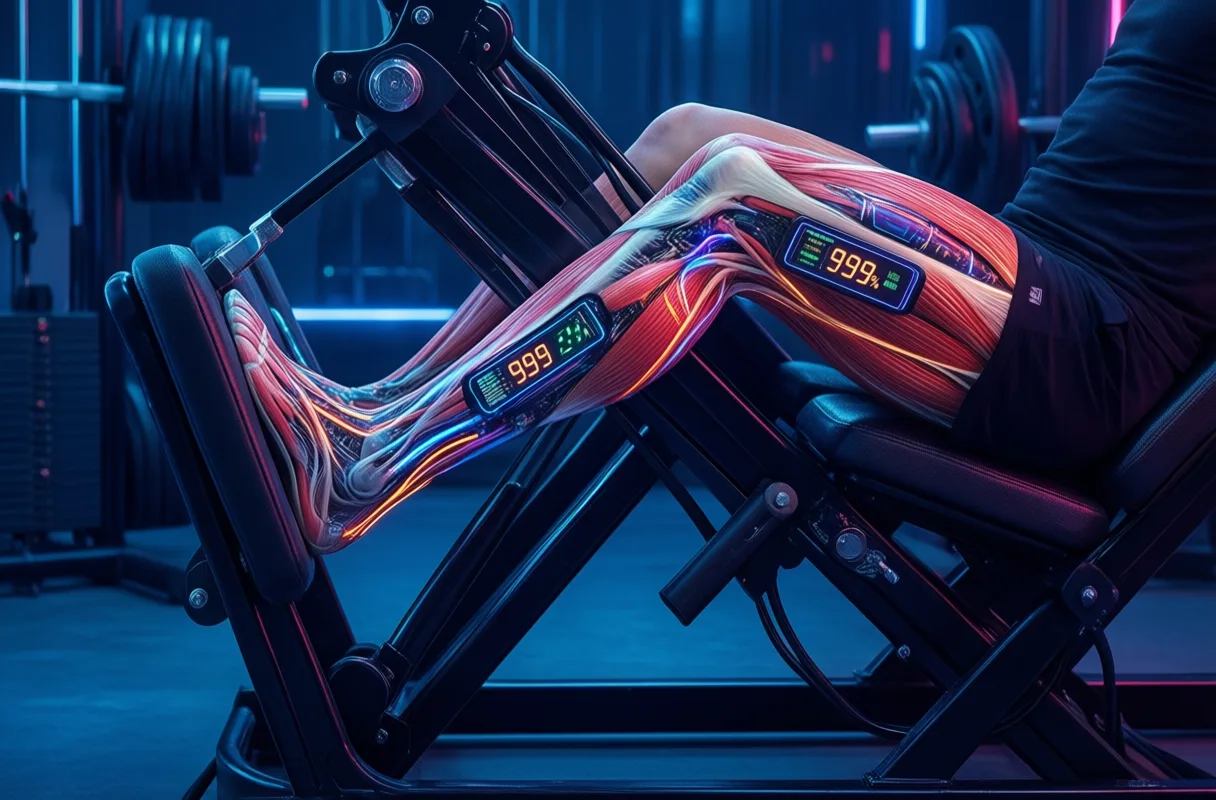
Beyond the Burn - Turning Machine Work Into Functional Power
The real test of strength isn’t how much you can lift in the gym-it’s how you move in the world. Machine training, when done right, builds resilient, responsive muscles that perform under pressure.
Every rep on the leg extension teaches your quads to fire on command. Every curl on the lying machine improves hamstring control during sprinting or jumping. These aren’t isolated movements-they’re Preparation for power.
So the next time you walk past the machines, don’t see them as second-tier options. See them as precision tools for a stronger, sharper, more capable body. Because real strength isn’t just loud-it’s smart.
| Machine | Primary Muscles Targeted | Key Benefit |
|---|---|---|
| Leg Extension | Quadriceps | Isolates quads with no assistance from other muscles |
| Seated Leg Curl | Hamstrings | Hits hamstrings in fully shortened position |
| Hip Abduction | Gluteus medius and minimus | Enhances outer glute sweep and hip stability |
| Leg Press | Quads, glutes, hamstrings | Allows heavy loading with minimal spinal stress |
| Sled Hack Machine | Vastus medialis | Emphasizes teardrop muscle above the knee |
| Lying Leg Curl | Hamstrings | Places hamstrings under maximum stretch |
| Glute Kickback | Glutes | Isolates hip extension with constant tension |
Building Power from the Ground Up
Leg day isn’t just about brute effort-it’s about leveraging smart engineering to build serious strength. While free weights get a lot of love, modern gym machines offer targeted resistance and stability that can push your quads, hamstrings, and glutes in ways free weights sometimes can’t. They let you focus purely on muscle contraction without worrying about balance, making them especially valuable when lifting near your max or recovering from injury.
The Hack Squat’s Unexpected Origins
The hack squat machine, a favorite for loading up heavy weight safely on the quads, actually gets its name from an old-school free-weight move called the "hack lift," where lifters would stand with a barbell behind their legs and lift it up. The machine version evolved to mimic that posterior chain engagement but with far less strain on the lower back. Early versions from the mid-20th century were basic angled platforms, but today’s models use smooth glides and safety stops, letting lifters go deep without sacrificing form.
Why the Leg Press Lets You Lift More
It might surprise you that most people can leg press significantly more than they squat-and there's good reason. With your back supported and movement guided, the leg press removes much of the core and spinal stabilization required in barbell squats. That means nearly all your effort goes into driving through the platform, maximizing force output from the legs. Just keep your hips grounded and don’t lock your knees to avoid joint stress.
Glutes Love the Hip Thrust Machine
Once a move done with just a barbell on a bench, the hip thrust has gained so much popularity for glute growth that dedicated machines now exist. These rigs support your upper back at the perfect angle and let you load weight directly over your hips, increasing time under tension safely. Powerlifters and athletes have embraced it not just for aesthetics, but for the functional strength boost in explosive movements like sprinting and jumping. Explore more stories, videos, and creators on Loaded.
Frequently Asked Questions
Can you build strong legs using only machines?
Yes, machines can deliver comparable or even superior muscle activation when used strategically. They allow for targeted overloading, injury prevention, and correction of imbalances, making them effective for building powerful legs.
What is the benefit of using the leg extension machine?
The leg extension isolates the quadriceps with precision, forcing the quads to do all the work without help from other muscles. It maximizes time under tension and recruits more fast-twitch fibers when performed with controlled tempo.
How does the seated leg curl differ from other hamstring exercises?
The seated leg curl hits the hamstrings in a fully shortened position, reducing lower back involvement. It allows the hamstrings to be fully exhausted and ensures balanced development after compound movements.
Why is the leg press effective for building lower-body strength?
The leg press allows you to move heavy weight while minimizing spinal loading. It lets you overload safely and adjust foot placement to target quads, glutes, or hamstrings depending on your goals.
This article was produced with AI assistance. How Chiseled Magazine uses AI.
Jin-ho examines how fitness integrates into daily life and evaluates performance gear with a critical eye. He investigates recovery tools, wearable tech, and routines that bridge gym gains with real-world resilience, always prioritizing function over hype.