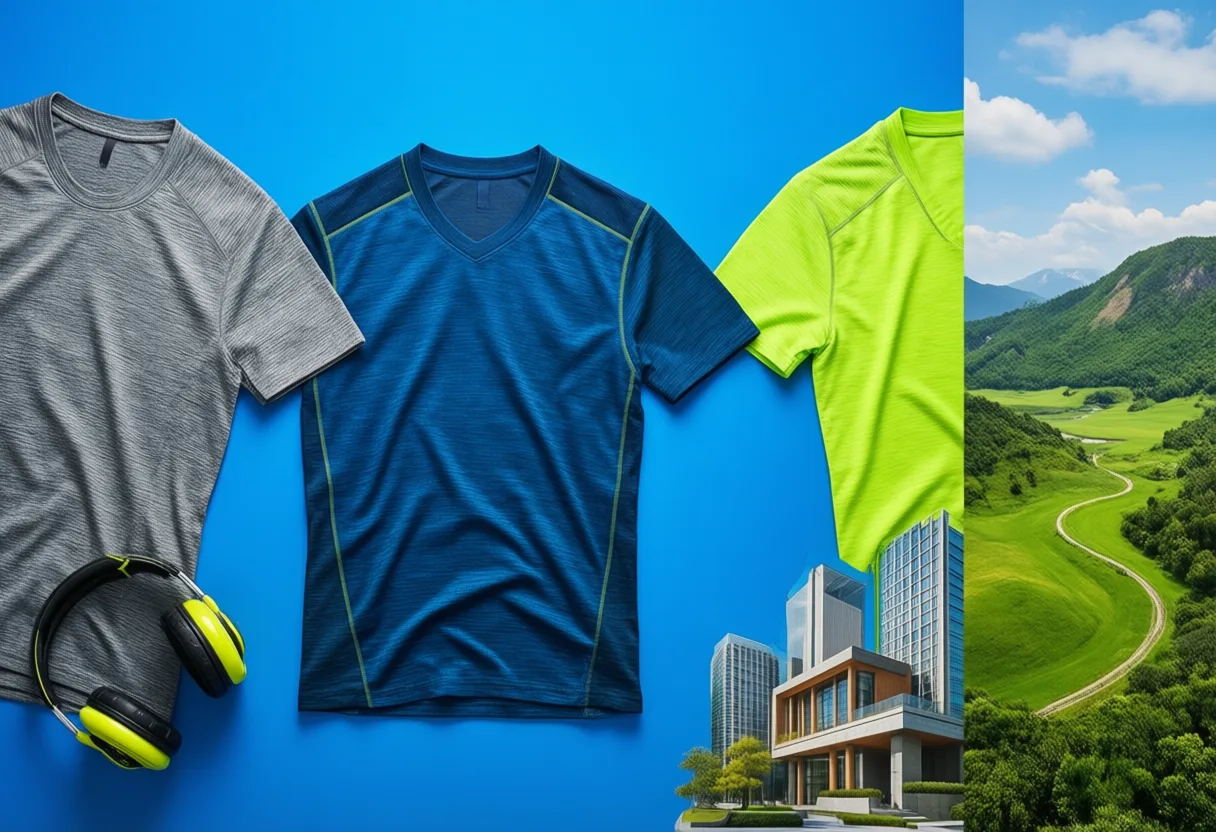
You don’t need flashy logos or a closet full of gear to train like a champion. What you Do Need is clothing that moves with you, breathes when you sweat, and doesn’t distract from the work at hand-because every rep counts when you're chasing muscle, Endurance, and that razor-sharp definition.
Let’s talk about what actually matters in men’s activewear: function, fit, and durability. This isn’t about fashion week on the gym floor-it’s about choosing pieces that support real progress, whether you’re pushing sleds, deadlifting, or sprinting toward a leaner, stronger version of yourself.

The Science of Sweat: Why Fabric Matters More Than You Think
Your body isn’t just burning calories during a Workout-it’s regulating temperature, managing moisture, and signaling fatigue. The wrong fabric can turn a focused session into a slippery, chafing disaster before you even hit your third set.
Cotton might feel soft in the store, but once you start generating heat, it holds onto sweat like a sponge. That damp weight doesn’t just feel gross-it increases friction, cools your skin too quickly, and can lead to irritation or rashes over time. Performance fabrics like polyester blends and nylon are engineered to wick moisture away, keeping your skin drier and your focus sharper.
Breathability isn’t a marketing buzzword-it’s a necessity. Look for mesh paneling, laser-cut ventilation, or open-knit zones in high-heat areas like under the arms or along the spine. These small design choices make a measurable difference in comfort during high-intensity circuits or Long training Blocks.
- Moisture-wicking materials help regulate body temperature
- Seamless or flatlock stitching reduces chafing during repetitive motion
- Four-way stretch allows full range of motion without restriction
When your clothes work With Your body instead of against it, you’re more likely to push harder, recover faster, and stay consistent-because let’s face it, nobody wants to cut a workout short just because their shirt is clinging like a wet towel.
And consistency, as any serious lifter knows, is the real engine behind transformation. If you’re serious about building strength and endurance, your gear should support that mission-not sabotage it. For more on how to structure your training for long-term results, check out Men's Fitness Tips For Building Strength And Endurance.
Fit: The Invisible Edge in Your Training Routine
Too tight, and you restrict blood flow and movement. Too loose, and fabric flaps, snags, or bunches at the worst possible moment. The sweet spot? A tailored-but-not-tight fit that supports without squeezing.
Compression wear has its place-especially during recovery or explosive movements-but not every workout demands it. Over-compression can actually hinder performance by limiting muscle expansion and deep breathing. Think of your attire like a second skin: supportive, responsive, and barely noticeable.
For lower body work, consider the rise and gusset of your shorts or tights. A higher rise offers more core coverage during overhead movements, while a diamond gusset improves mobility in deep squats or lunges. These aren’t minor details-they’re subtle upgrades that keep you moving freely when form matters most.
- Mid-rise shorts with secure pockets work well for lifting and mobility drills
- Tapered legs prevent snagging on cable machines or barbells
- Drawcord waists offer adjustability without bulk
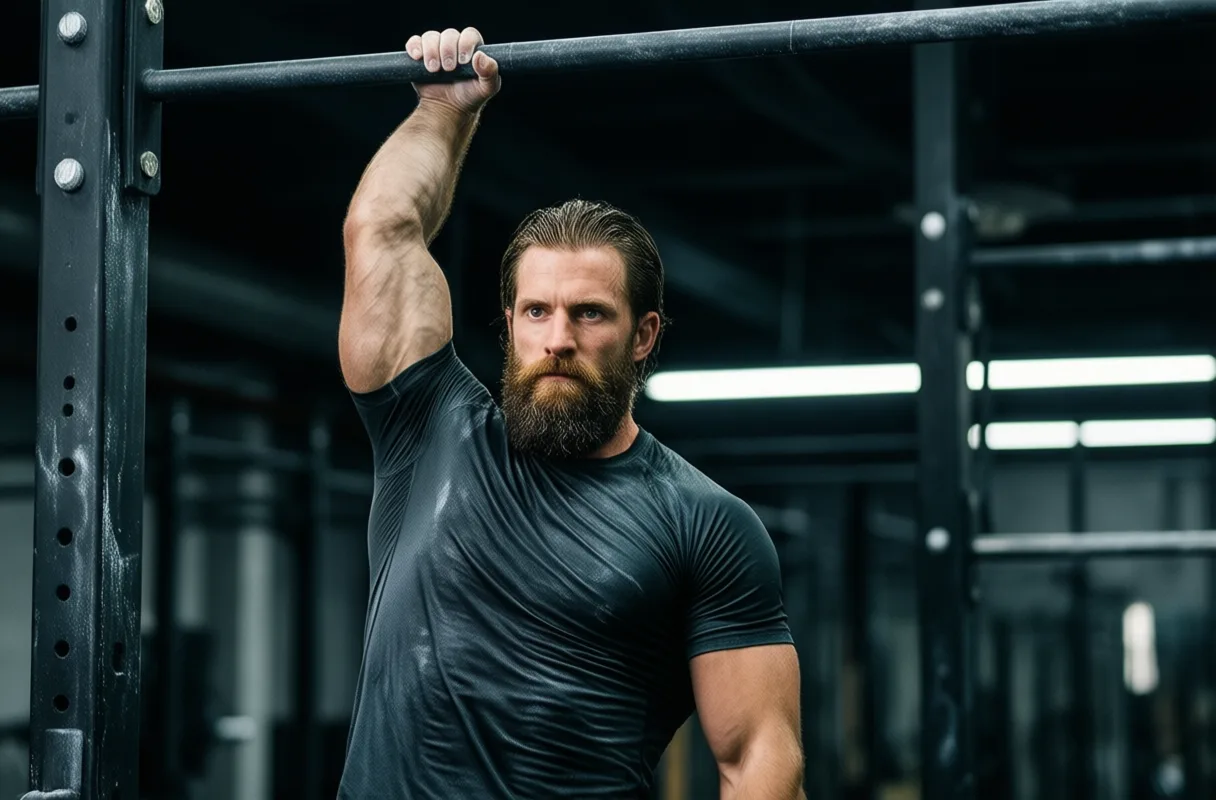
Shoes get all the attention, but your upper body fabric plays a role too. A well-fitted training shirt should allow full shoulder rotation-critical for presses, pull-ups, and Olympic lifts-without riding up or restricting your back.
The goal isn’t to look like a fitness model. It’s to eliminate distractions so you can focus on lifting heavier, moving faster, and recovering smarter. Because when your clothes disappear into the background, your performance steps forward.
Durability vs. Trends: Building a Training Wardrobe That Lasts
Gym culture cycles through trends faster than most people cycle through protein brands. One year it’s oversized tees; the next, it’s neon mesh and cut-off sleeves. But if you’re training with purpose, your wardrobe shouldn’t follow fads-it should follow function.
Cheap activewear often sacrifices durability for price. Thin fabrics pill after a few washes, elastic bands lose tension, and bright colors fade into dullness. A better strategy? Invest in fewer, higher-quality pieces that hold up to sweat, stretching, and repeated laundering.
Look for double-stitched seams, color-fast dyes, and materials rated for high-abrasion use. These aren’t luxuries-they’re indicators of gear built for real training, not Instagram backdrops.
- Rotate two to three core outfits to extend wear life
- Wash inside-out in cold water to preserve fabric integrity
- Avoid fabric softeners-they break down moisture-wicking coatings
Think of your training clothes like tools: they don’t need to be flashy, but they must perform reliably every time you use them. A decade from now, no one will remember what brand you wore-but you’ll remember how prepared you felt.
And that’s the real win: showing up, session after session, in gear that supports your effort without demanding attention. Because the best outfit for building muscle and burning fat isn’t the one with the logo-it’s the one that lets you forget you’re wearing anything at all.
What Your Workout Clothes Are Made Of (And Why It Matters)
The Rise of Sweat-Wicking Fabrics
Ever wonder why your old cotton T-shirt turns into a soggy mess during a tough session, but your newer workout top stays relatively dry? It’s not magic-it’s science. Most modern performance shirts use synthetic fabrics like polyester or nylon engineered to pull moisture away from the skin and spread it across the surface of the fabric so it evaporates faster. This keeps you cooler and reduces chafing, which is a big win when you’re pushing through the last few reps.
Hidden Design Tweaks You Didn’t Notice
Take a closer look at your gym shorts-many have built-in liners that act like lightweight underwear, eliminating the need for extra layers that can bunch up or ride up mid-squat. Some brands design flatlock seams, which lie flatter against the skin to prevent irritation during long runs or high-rep circuits. Even the cut matters: longer back hems on workout shirts help them stay tucked during overhead movements, so you’re not constantly adjusting your shirt between sets.
From Runways to Reps
Believe it or not, athletic wear has influenced everyday fashion more than almost any other clothing category. The comfort and functionality of fitness fabrics have made them staples far beyond the gym-think joggers at the airport or hoodies on casual Fridays. That crossover popularity pushed manufacturers to improve both fit and durability, meaning today’s workout clothes don’t just perform well-they hold up wash after wash, maintaining shape and stretch without sagging or pilling too quickly. Explore more stories, videos, and creators on Loaded.
Frequently Asked Questions
Why is cotton not ideal for men's fitness attire?
Cotton holds onto sweat like a sponge, becoming heavy and damp during workouts. This increases friction, cools the skin too quickly, and can lead to irritation or rashes.
What are the benefits of moisture-wicking fabrics in workout clothing?
Moisture-wicking fabrics pull sweat away from the skin and help it evaporate faster. This keeps the body drier, cooler, and reduces chafing during intense exercise.
How does fit affect performance in men's training clothes?
Clothes that are too tight restrict movement and blood flow, while loose garments can snag or bunch. A tailored-but-not-tight fit supports motion without distraction.
What features improve durability in men's activewear?
Double-stitched seams, color-fast dyes, and high-abrasion-rated materials enhance longevity. Washing inside-out in cold water and avoiding fabric softeners also preserve integrity.
This article was produced with AI assistance. How Chiseled Magazine uses AI.
Jin-ho examines how fitness integrates into daily life and evaluates performance gear with a critical eye. He investigates recovery tools, wearable tech, and routines that bridge gym gains with real-world resilience, always prioritizing function over hype.