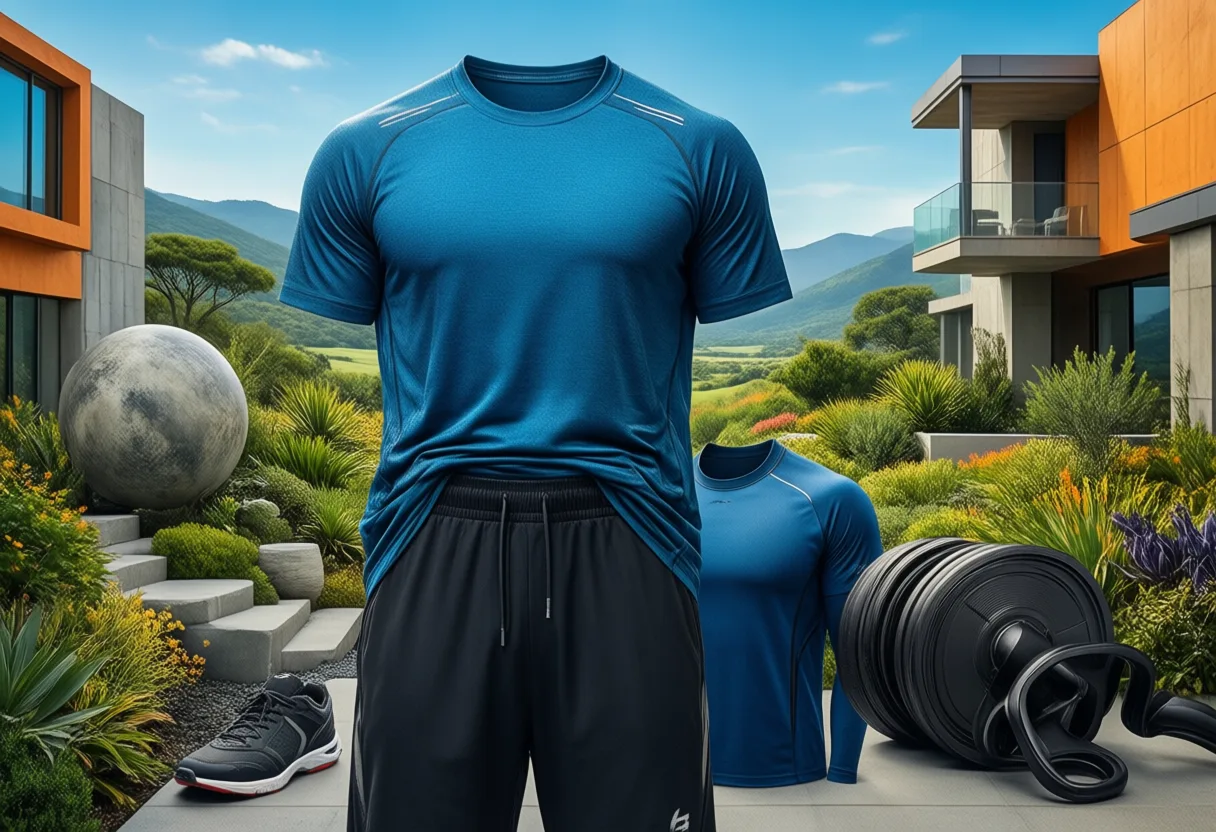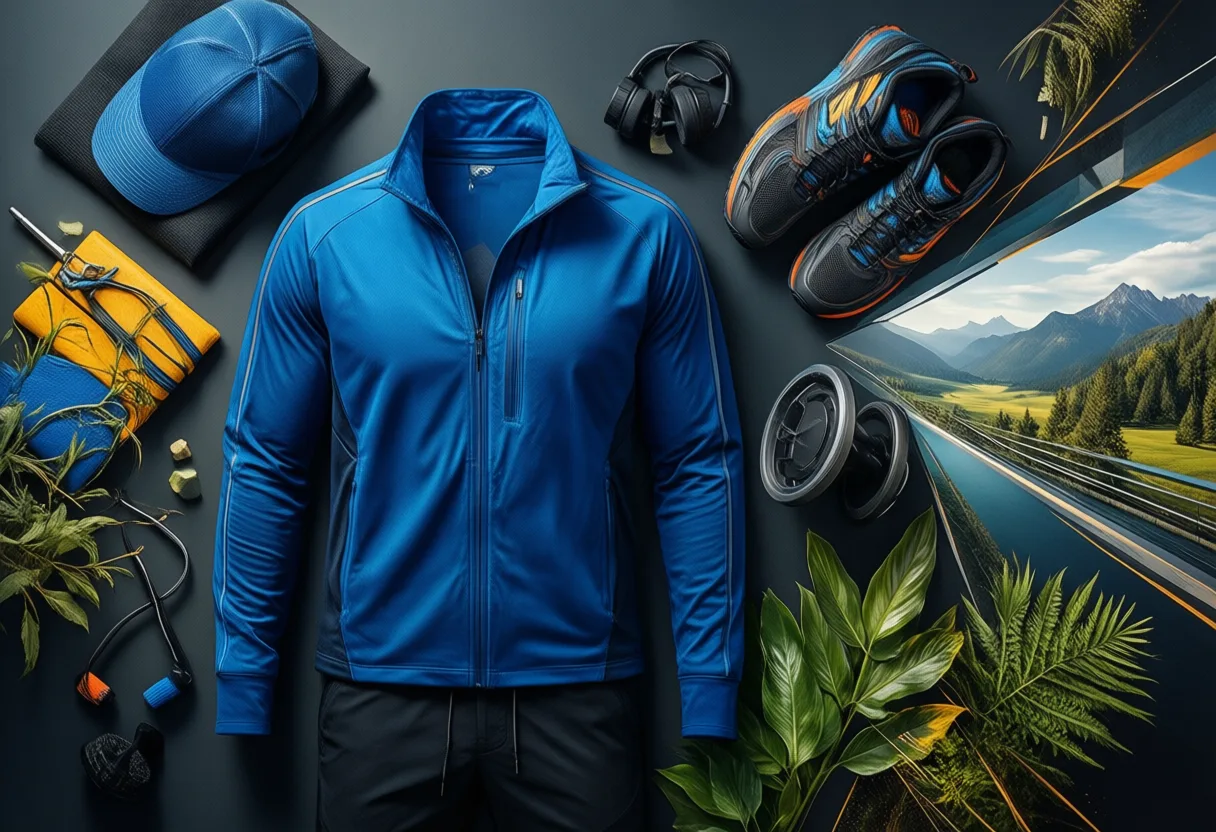

Your shirt shouldn’t hold you back. It should move with you, breathe for you, and keep up when the weights get heavy and the sweat starts pouring.
Great Mens fitness Tops Are built like athletes-lean, functional, powerful. They’re not fashion statements. They’re tools. Tools that help you train harder, recover faster, and stay focused on one goal: getting stronger.
This isn’t about looking good in the mirror. It’s about performing at your peak. Every seam, fiber, and cut has a job. And if it doesn’t serve performance, it doesn’t belong in your gym bag.
Why Your Workout Shirt Matters More Than You Think
You wouldn’t deadlift in flip-flops. So why train in a cotton tee that traps heat and saps energy? What you Wear shapes How you perform.
Cotton absorbs sweat but doesn’t release it. That means wet fabric clings to your skin, dragging you down during high-rep sets or HIIT circuits. When your shirt turns into a soaked weight, your focus shifts from form to discomfort.
Performance fabrics change the game. They wick moisture fast, dry quickly, and stay light no matter how hard you push. Breathability and moisture control are non-negotiable For Serious training.
These materials also Stretch With your body. No restricting your range during pull-ups or shoulder presses. The right top supports every rep, every angle, every explosive movement.
- Moves with your muscles, not against them
- Reduces chafing and overheating
- Helps regulate core temperature under load
You're not just wearing a shirt. You're wearing an extension of your discipline.
When you feel light, dry, and free, your mind stays sharp. And a sharp mind builds muscle.

Fit, Fabric, Function - The Three Rules of Training Apparel
Fit comes first. Too tight? Restricts blood flow and movement. Too loose? Flaps around, catches on equipment, distracts your focus.
The ideal fit is Snug but not compressive-close enough to support muscle engagement, loose enough to let air circulate. Think second-skin, not shrink-wrap.
Sleeves should allow full shoulder rotation. The hem must stay tucked during planks or burpees. No constant readjusting. Your gear should disappear so your effort doesn’t.
Fabric is next. Look for synthetic blends engineered for athletic demand. Polyester-spandex mixes dominate for a reason: they’re durable, elastic, and highly efficient at moisture transfer.
Avoid 100% cotton like you avoid half-reps. It holds water, increases drying time, and breeds odor faster. Technical fabrics fight bacteria and resist stink-even after multiple sessions.
Some materials even offer Light compression, which may improve circulation and reduce fatigue over Long workouts.
Function seals the deal. Features matter. Flatlock seams prevent chafing. Mesh panels boost airflow. Thumbholes keep sleeves in place during dynamic lifts.
Zippers? Only if they’re lightweight and don’t dig. Hoods? Rarely needed unless training outdoors in extreme conditions.
Prioritize purpose over style. Every detail must earn its place.
- Snug, mobile fit
- Sweat-wicking, breathable fabric
- Smart design that supports motion
Your top isn’t passive. It’s part of your system.
How the Right Top Fuels Gains and Mental Edge
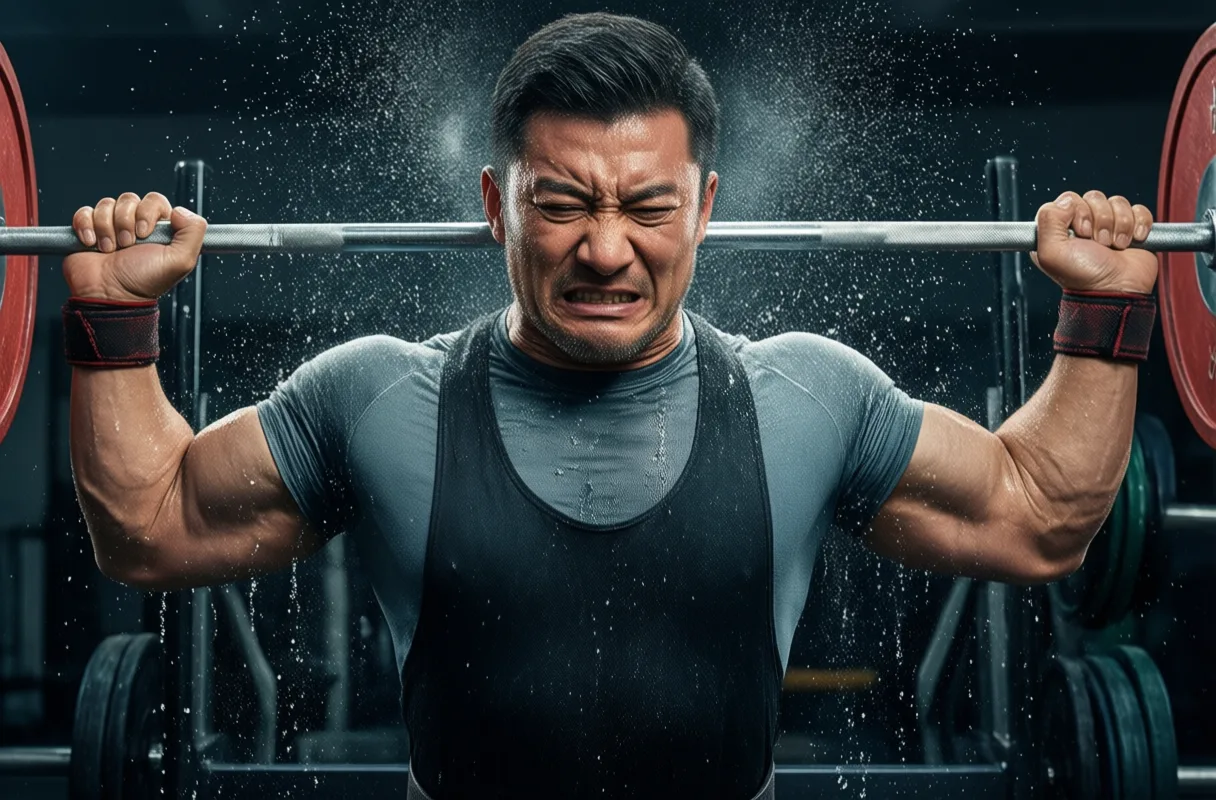
Strength starts in the mind. And comfort fuels confidence. When your body feels supported, your brain signals go farther.
You push one more rep. Hold the plank five seconds longer. Crush the sprint finish. Small edges add up to massive results.
A shirt that keeps you cool and dry helps maintain mental clarity. Overheating slows reaction time and weakens willpower. Stay thermally balanced, stay dominant.
Think of elite fighters, sprinters, climbers-they don’t wear bulk. They wear precision gear that moves at the speed of instinct.
Your workout top should be invisible during battle. No tugging. No sweating through layers. Just you, the iron, and relentless focus.
And when you look in the mirror post-workout-shirt barely damp, veins popping, chest rising with power-you see progress. Not just muscle. Discipline made visible.
Clothes don’t build six-packs. Hard work does. But the right gear removes friction from the process.
It lets you train longer, recover quicker, and walk into every session ready to attack.
Choosing What Works-Not What Sells
Marketing pushes trends. Athletes need truth. Ignore flashy labels. Focus on what performs.
Test shirts Under pressure. Wear them for circuit training. Take them on runs. See how they handle real stress.
Do they stretch out? Do armpits stay dry? Does the neckline warp after washes?
Hold every piece to the standard of your training. If it fails once, it’ll fail when you need it most.
Build a rotation. Two or three high-performance tops. Rotate them. Wash them right. Keep them ready.
Clean gear performs better. Dirt clogs fabric pores. Detergent residue kills wicking ability.
Wash in cold water. Skip fabric softener. Air dry when possible.
Keep your tools sharp. Because greatness isn’t dressed. It’s driven.
You don’t need ten shirts. You need two that work like armor.
Now lace up. Pull on your best top. Step into the fire. And earn your strength.
What Your Workout Top Isn't Telling You
Hidden Tech in Plain Sight
Ever wonder why your favorite workout shirt feels so light and dries crazy fast? It’s not magic-it’s smart fabric engineering. Many performance tops use synthetic fibers like polyester or nylon woven in special ways to wick sweat away from your skin. This keeps you cooler and cuts down on chafing during long runs or intense sessions. Some brands even blend in a touch of spandex or elastane for stretch, giving you freedom to move without the fabric bagging out.
From Runways to Reps
Believe it or not, the modern fitness top owes a nod to fashion trends. In the 1980s, bright colors, bold stripes, and tight-fitting designs weren't just for the gym-they were streetwear statements. Think leg warmers and neon windbreakers, but for your upper body. While today’s styles are more streamlined, that era helped shift activewear from purely functional to something people actually wanted to be seen in. Now, performance tops often double as casual wear, blurring the line between gym and everyday comfort.
The Rise of Seamless Design
One of the biggest comfort leaps in recent years? Seamless construction. Instead of stitched seams that can rub and irritate, many tops are now knit in one continuous piece using advanced machines. This reduces friction, boosts flexibility, and often makes the garment lighter. You’ll find this tech especially in high-end training and running tops, where every gram and every ridge matters. It’s a small detail that makes a real difference when you’re pushing through the last few reps. Explore more stories, videos, and creators on Loaded.
Frequently Asked Questions
Why should men avoid cotton workout shirts?
Cotton absorbs sweat but doesn’t release it, causing wet fabric to cling to the skin and create discomfort during intense workouts. This can shift focus from form to discomfort and increase drying time.
What are the benefits of moisture-wicking fabrics in fitness tops?
Moisture-wicking fabrics pull sweat away from the skin, dry quickly, and keep the body light and cool. They help regulate core temperature and reduce chafing during exercise.
How does fit affect performance in men's training apparel?
The ideal fit is snug but not compressive, allowing full movement without restricting blood flow. It should support muscle engagement while letting air circulate and stay in place during dynamic movements.
What features define high-performance men's fitness tops?
Key features include flatlock seams to prevent chafing, mesh panels for airflow, thumbholes to secure sleeves, and lightweight zippers if present. Every detail must serve function over style.
This article was produced with AI assistance. How Chiseled Magazine uses AI.
Tariq breaks down elite workout regimens with precision, translating complex routines into actionable plans. He focuses on form, progression, and the mental discipline behind peak physical performance, often drawing from interviews with strength coaches and competitive athletes across multiple sports.