You don’t need a Warehouse full Of gear to build real muscle. What you do need is the discipline to show up and the right tools to keep making progress-nothing more, nothing less.
What You Really Need to Build Strength at Home
Too many people treat their garage like a clearance bin for every gadget they’ve seen on late-night infomercials. The truth? Most of it gathers dust while their fitness goals stall. Building Strength Isn’t about how much you own-it’s about how well you use what you have.
The foundation of any effective routine rests on movement patterns, not machines. Squatting, hinging, pushing, pulling, and carrying are the pillars of functional strength. If your Equipment supports These motions, you’re ahead of 90% of home gym owners.
Start with what allows progression over time. That means resistance you can increase, form you can refine, and reps you can track. Whether it’s a set of Adjustable dumbbells Or a pull-up bar mounted in a doorway, Progressive overload is the only rule that matters. For those just starting, a simple Progressive Overload Guide For Beginner Strength Training Made Simple can clarify how to apply this principle without complexity.
The Minimalist’s Approach to Effective Home Workouts
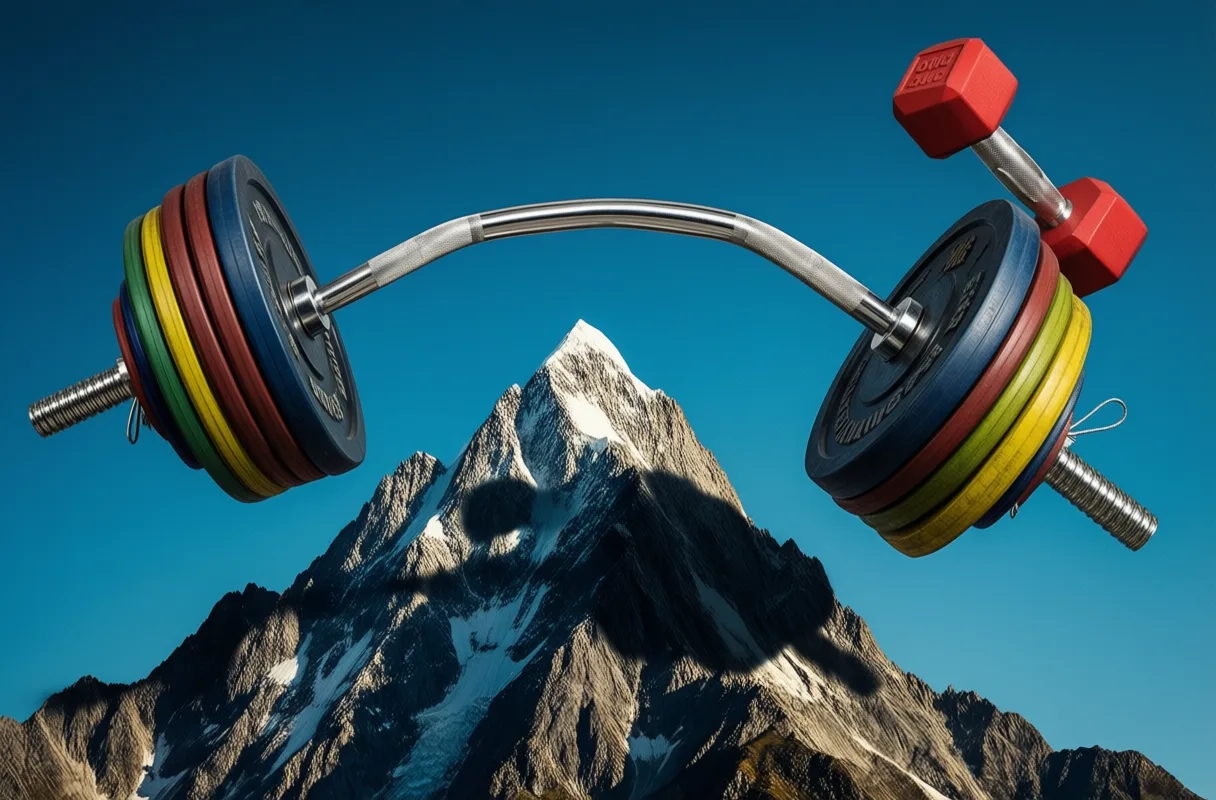
There’s a quiet elegance in doing more with less. A single barbell, a pair of kettlebells, or even just your bodyweight can deliver transformative results-if used with intent. The minimalist home gym isn’t about deprivation; it’s about eliminating distractions.
Most people overestimate what they need and underestimate what they’re capable of. You don’t need a cable machine to train your back. A resistance band anchored to a door or a pull-up bar can do the job just as well-if not better-by demanding more stability and control.
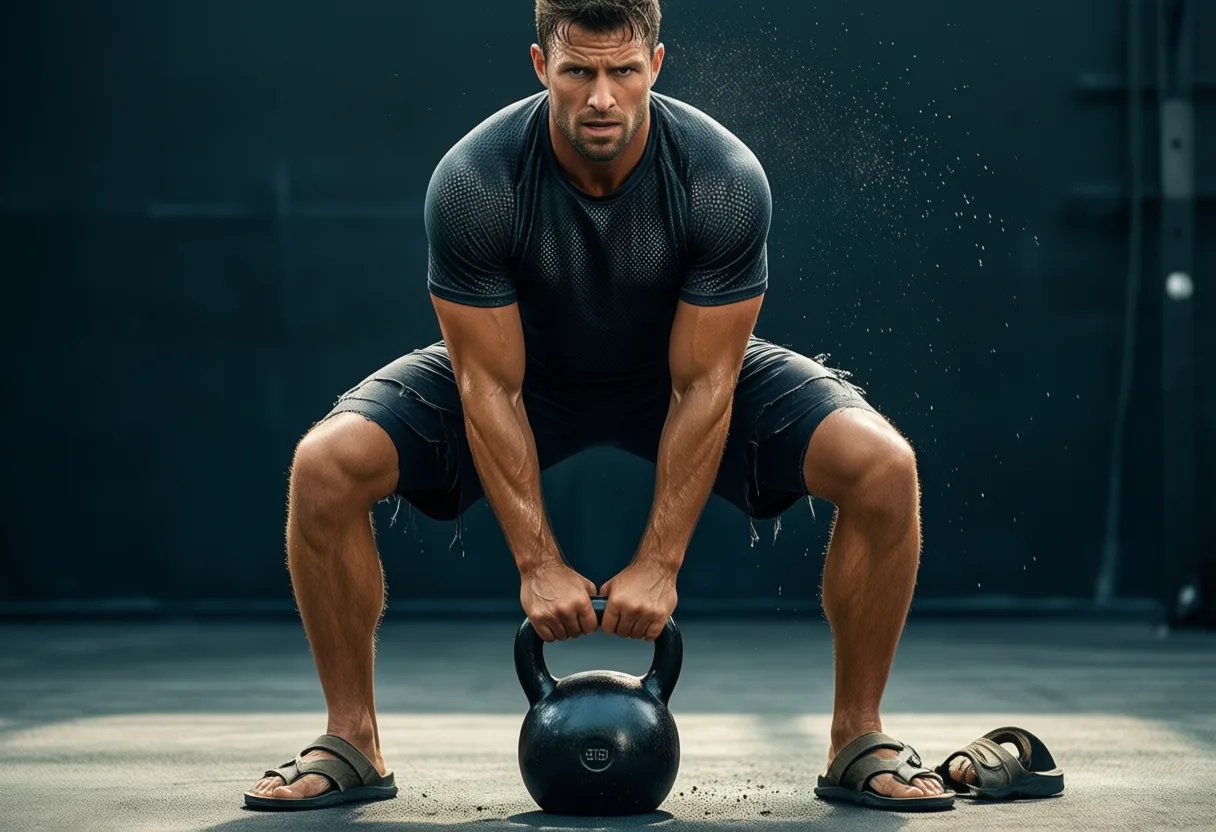
Focus on equipment that serves multiple functions. A kettlebell, for instance, can build explosive power, endurance, and grip strength in one compact design. Try farmer carries for core stability and trap development-movements that don’t require a stage, just a pair of weights and space to walk. Learn more about this underrated move in our breakdown of the Farmer Carry: Top 5 Benefits for Strength Training.
Why More Equipment Doesn’t Mean Better Results
Walk into any big-box gym, and you’ll see rows of machines with diagrams, pulleys, and seat adjustments-each promising targeted muscle isolation. At home, that same logic leads to clutter, confusion, and ultimately, abandonment.
The more choices you give yourself, the less likely you are to stick to a plan. Decision fatigue sets in before you even break a sweat. Worse, flashy machines often encourage poor movement patterns by locking you into fixed planes of motion.
Real strength comes from mastering fundamental movements under load. Machines may guide the path, but free weights force your body to adapt. They recruit stabilizers, improve coordination, and prepare your muscles for real-world demands.
How Simplicity Fuels Consistency in Training
Consistency beats complexity every single time. The most effective home workouts aren’t the ones with the most equipment-they’re the ones you actually do, week after week.
When your setup is Simple, your routine becomes repeatable. No fiddling with attachments, no hunting for the right weight stack. You walk in, grab your gear, and go. That frictionless start is what keeps you coming back.
Think of your home gym as a training lab, not a showroom. The goal isn’t to impress visitors-it’s to challenge yourself. And the best way to do that is with a few reliable tools that let you measure progress over time.
7 Must-Have Tools for Serious Strength Gains
You don’t need seven pieces of equipment to get strong. But if you’re building a lean, high-impact home gym, these tools deliver maximum return on space, cost, and effort.
- Adjustable Dumbbells – Replace an entire rack with one compact set. Ideal for pressing, rows, and unilateral work.
- Kettlebells – Perfect for swings, cleans, and ballistic movements that build power and endurance.
- Resistance Bands – Lightweight, portable, and excellent for adding tension or assisting difficult moves like pull-ups.
- Pull-Up Bar – Mounts in a doorway and targets your entire back, arms, and core with one essential movement.
- Barbell and Weight Plates – The gold standard for heavy compound lifts like squats, deadlifts, and bench presses.
- Weight Bench (Adjustable) – Supports pressing and step-ups while folding away when not in use.
- Jump Rope – Not just for cardio. It primes your nervous system and improves coordination before lifting.
Each of these tools supports multiple exercises and adapts as you get stronger. That adaptability is what turns a random collection of gear into a real strength system.

Common Myths That Sabotage Home Training Progress
Myth #1: You need a full power rack to lift heavy.
Reality: Many lifters build serious strength with floor presses, dumbbell squats, and resistance band-assisted movements.
Myth #2: Machines are safer than free weights.
Reality: Machines can create dependency on guided motion, weakening stabilizer muscles over time.
Myth #3: More volume equals more muscle.
Reality: Poor form under fatigue leads to injury. Controlled, progressive work beats endless reps.
The biggest myth? That you need to train like a pro bodybuilder to look like one. You don’t. You need focus, patience, and a plan that fits your life-not someone else’s Instagram feed.
Thinking Machines Replace the Need for Free Weights
No machine can replicate the neuromuscular demand of free weights. Machines stabilize for you. They guide the path. They remove the challenge-and the growth that comes with it.
Free weights force your body to coordinate movement across joints and muscle groups. That’s where real strength lives: in control, balance, and power under unpredictable loads.
Even advanced machines fall short when it comes to functional carryover. Can a leg press build quad size? Sure. But can it improve your ability to squat under load in real space? Not even close.
Your body doesn’t care about the equipment-it cares about the stimulus. And nothing delivers a full-body, adaptable challenge like free weights.
Putting It All Together: Designing Your Routine Around Equipment Limits
Constraints breed creativity. When you can’t rely on a machine for every exercise, you learn to problem-solve with what’s available.
Start by mapping your available tools to the six fundamental movement patterns: push, pull, squat, hinge, carry, and rotate. If your gear covers most of these, you can build a complete program.
For example:
- Dumbbell rows = pull
- Goblet squats = squat
- Kettlebell swings = hinge
- Overhead press = push
- Farmer carries = carry
- Russian twists with a dumbbell = rotate
Pair movements intelligently. Combine upper and lower body exercises to save time and boost intensity. The goal isn’t to mimic a commercial gym-it’s to create a sustainable, scalable routine.
Smart Pairings That Multiply Your Workout Potential
The magic happens when you combine tools to close gaps in your training. A pull-up bar gets you strong, but add resistance bands for assisted reps or extra load, and you extend your range of progression.
Try pairing adjustable dumbbells with a weight bench to rotate between chest press, incline press, and floor press. This variation keeps your chest challenged without needing a full power cage.
Or combine kettlebells and jump ropes for a metabolic circuit: 10 swings, 20 seconds of jumping rope, 10 goblet squats, repeat. It builds strength, endurance, and mental toughness in under 20 minutes.
Even better, study how elite athletes train with minimal gear. Take inspiration from fighters like Vinny Paz, who built legendary power with relentless focus and smart, stripped-down routines. His story reveals how grit and strategy beat gadgetry-explore his methods in Vinny Paz’s Insane 5 Training Secrets for Unbeatable Strength!.
Your Home Gym, Your Rules: Building a Sustainable Strength Practice
This isn’t about copying someone else’s setup. It’s about creating a space that supports your goals, fits your lifestyle, and invites daily action.
You don’t need mirrors, neon lights, or a sound system. You need a corner where you can move, lift, and grow-without excuses.
Make it personal. Keep it simple. Focus on progress, not perfection. Every rep counts. Every session builds momentum.
Strength isn’t built in a day. It’s forged over months of showing up, lifting heavy, and trusting the process. Your home gym isn’t just a place-it’s a promise to yourself. Keep it.
| Equipment | Primary Benefits | Supports Movement Patterns |
|---|---|---|
| Adjustable Dumbbells | Replace full rack; compact and versatile | Push, pull, squat |
| Kettlebells | Build power, endurance, grip strength | Hinge, carry, rotate |
| Resistance Bands | Portable; variable tension | Pull, assist movements |
| Pull-Up Bar | Targets back, arms, core | Pull |
| Barbell and Weight Plates | Ideal for heavy compound lifts | Squat, hinge, push |
| Adjustable Weight Bench | Supports pressing and step-ups | Push, pull |
| Jump Rope | Primes nervous system, improves coordination | Warm-up for all patterns |
More Than Just Weights: Surprising Truths About Home Fitness Gear
The Humble Dumbbell’s Big History
Dumbbells weren’t always the go-to for home workouts. The name itself comes from old-school strongmen practicing with actual bells-without the clapper. They’d train in silence, literally with “dumb” bells, to avoid disturbing the neighbors. Fast forward to today, and adjustable dumbbells can replace an entire rack, saving serious floor space. Some modern sets offer up to 90 pounds per hand with just a twist of a dial, making them a favorite for compact home gyms.
Resistance Bands: Stronger Than They Look
Don’t let their lightweight feel fool you-resistance bands can challenge even seasoned lifters. Used by physical therapists and powerlifters alike, they provide variable tension, meaning the resistance increases the more you stretch. That makes them perfect for activating muscles at every part of a movement. Plus, they’re travel-friendly and often show up in pro athletes’ warm-up routines, proving you don’t need bulky gear to train smart.
Kettlebells and the Russian Roots
Kettlebells weren’t born in fitness labs-they started as Russian market scales. Farmers and strongmen used them for decades before they hit Western gyms in the 2000s. Their off-center weight builds explosive power and endurance in ways traditional weights can’t. A single kettlebell can work your whole body, especially during swings, which fire up the glutes, hamstrings, and core in one fluid motion. Explore more stories, videos, and creators on Loaded.
Frequently Asked Questions
What are the essential Strength Training Equipment for a home gym?
Adjustable dumbbells, kettlebells, resistance bands, a pull-up bar, a barbell with weight plates, an adjustable weight bench, and a jump rope are the must-have tools for effective home strength training.
Can you build strength at home without machines?
Yes, real strength comes from mastering fundamental movements like squatting, hinging, pushing, pulling, and carrying using free weights or bodyweight, which recruit stabilizers and improve coordination.
Why is progressive overload important in strength training?
Progressive overload is the key to building strength, requiring increasing resistance, refining form, and tracking reps over time to ensure continued progress.
Do resistance bands provide effective resistance for strength training?
Yes, resistance bands offer variable tension that increases with stretch, making them effective for activating muscles throughout a movement and suitable for all fitness levels.
This article was produced with AI assistance. How Chiseled Magazine uses AI.
Jin-ho examines how fitness integrates into daily life and evaluates performance gear with a critical eye. He investigates recovery tools, wearable tech, and routines that bridge gym gains with real-world resilience, always prioritizing function over hype.