Your feet are the foundation of every lift. Build that foundation wrong, and your power leaks, your balance wavers, your gains stall.
This isn’t about fashion. It’s about function. The right shoe turns force into motion. The wrong one turns effort into injury. Let’s build your base.
What Makes a Shoe Built for Lifting?
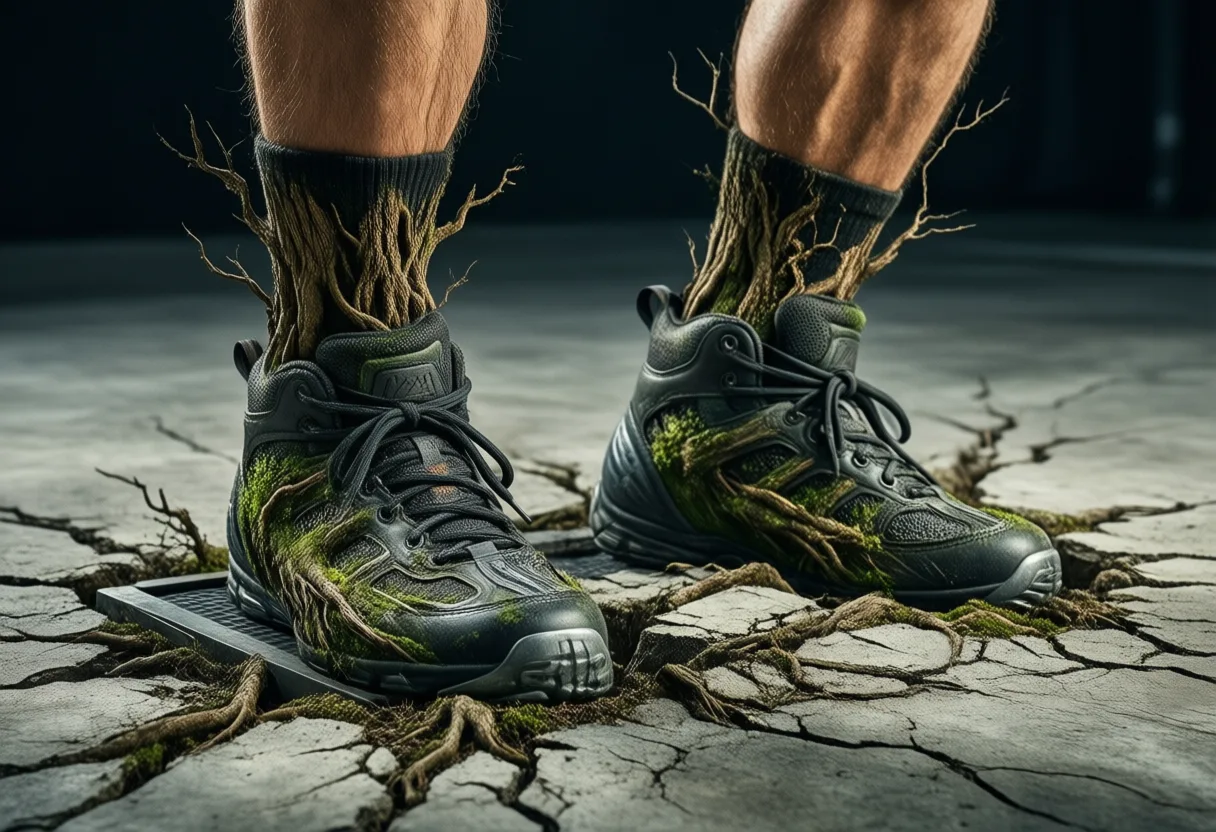
Lifting demands Stability, not bounce. Your foot must stay rooted, not roll. Power starts from the ground and moves up-only if the base holds.
A lifting shoe locks your heel, Supports Your arch, and keeps the sole firm. There’s no give where there should be none. Every ounce of energy drives the bar, not the foam.
Flex matters in running. It kills in Squatting. A rigid sole transfers force instantly. That’s physics. That’s progress.
The Hidden Science Behind Stable Soles
Stability isn’t comfort. It’s control. A stable sole prevents micro-shifts under load. These shifts? They add up. They Break form. They break backs.
The foot spreads force across three points: heel, big toe, little toe. A solid base keeps that triangle locked. No tilt. No twist. Just drive.
Think of your shoe as a platform. Like a weightlifting belt for your feet. It doesn’t move so you can. That’s how records are broken.
Why Cushioning Can Work Against You in the Gym
Cushioning absorbs impact. Great for pavement. Terrible for platforms. When you squat, you want feedback-not foam swallowing your force.
Too much padding disconnects you from the floor. You lose tension. You lose timing. You lose power. It’s like driving with loose steering.
Lifting is precision. Cushion ruins precision. It delays ground contact. It clouds proprioception. You feel less. You perform less.
Flat vs. Heeled: Choosing the Right Foundation for Your Form
Flat soles work for deadlifts, farmer carries, and presses. They keep your center low and neutral. Ground contact is direct. Force is immediate. Try a Farmer Carry: Top 5 Benefits for Strength Training to feel the difference.
Heeled shoes tilt the ankle forward. This helps some lifters hit deeper squats with an upright torso. It’s not magic-it’s mechanics. But it’s not for everyone.
Choose Based on movement, not trend. Deadlift flat. Back squat? Test both. Find what lets you brace, drive, and dominate.
How Weight Distribution Changes With Every Step-and Lift
Stand still, weight spreads evenly. Move, and it shifts. Lift, and it explodes. Your shoe must manage that shift without compromise.
In a clean, your heel drives down, then your whole foot explodes. Any compression in the sole slows that transfer. Milliseconds matter.
Power isn’t just muscle. It’s timing. A firm sole keeps timing tight. It keeps your foot where it needs to be-under you.
When Minimalist Designs Maximize Performance
Minimal shoes cut weight, not support. Less material means less between you and the floor. Less distraction. More drive.
They don’t lift your heel. They don’t pad your arch. They don’t pretend to do cross-training. They do one job: let you lift.
For deadlifts, cleans, or overhead work, minimal often means maximum output. You’re not fighting the shoe. You’re using it.
Custom Fit, Better Lift: The Role of Lockdown and Support
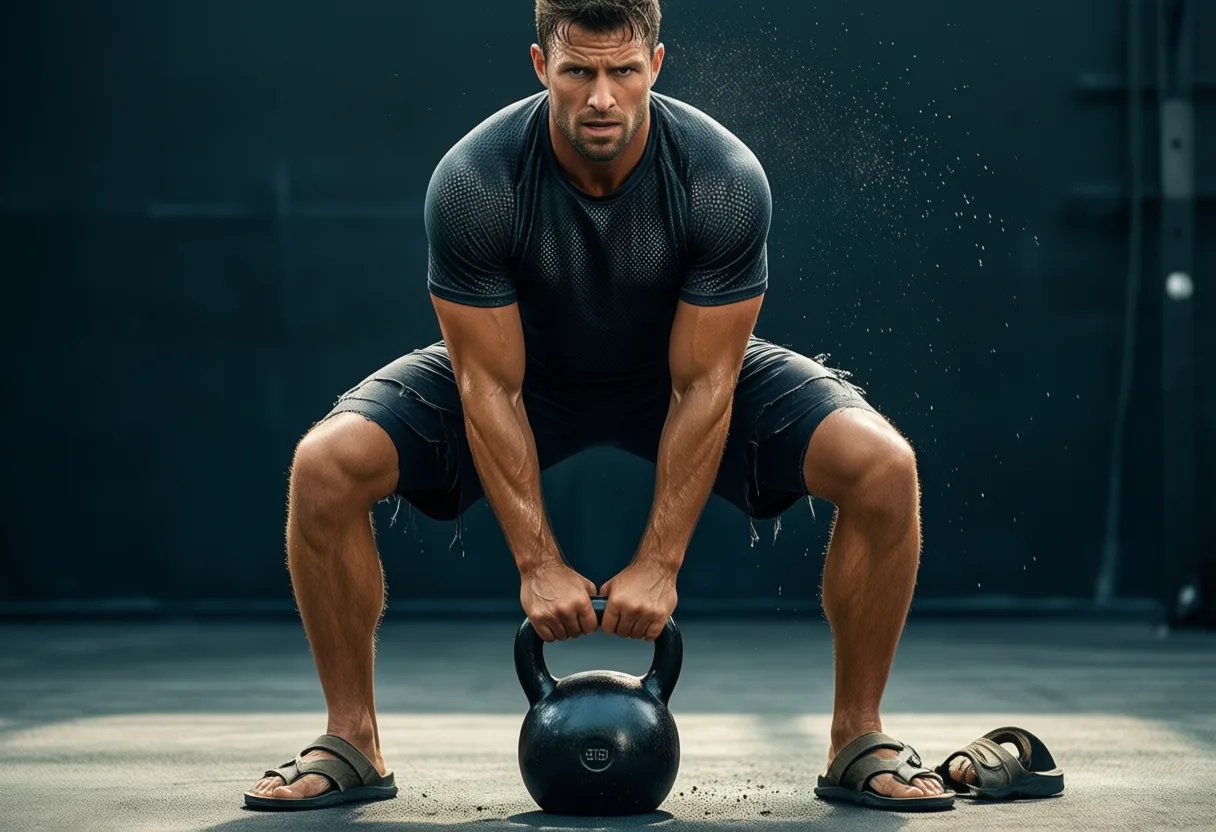
A shoe that slips ruins reps. Heel lift, toe drag, side roll-each steals force. Lockdown keeps your foot one with the sole.
Laces, straps, heel cups-these aren’t extras. They’re essentials. They turn shoe and foot into a single unit.
If your foot moves inside the shoe, you’re already losing. Tight fit. Snug arch. Zero play. That’s how you own the platform.
Beyond Cross-Training: Why General Sneakers Fall Short
Cross-trainers promise everything. They deliver nothing perfectly. Cushion kills deadlift drive. Flex ruins squat stability.
They’re built for lateral cuts, not vertical power. For gym circuits, not max lifts. You wouldn’t use a hammer to saw wood. Don’t lift in a runner.
Specialization wins. A dedicated lifting shoe outperforms any hybrid. Every time. Every rep.
Try Strength Training At Home With Minimal Equipment For Beginners and feel how gear shapes performance-even with no barbell.
Putting It All Together: Matching Your Shoes to Your Movement
Know your lifts. Match your sole. Deadlift? Flat, firm, minimal. Front squat? Maybe heeled. Overhead press? Stable and narrow.
Your shoe is part of your technique. Not an afterthought. Not fashion. It’s gear for greatness.
Read Men's Fitness Magazine Reveals Best Strength Training Tips and see how elite lifters treat their feet like foundations.
For seniors building balance, proper footwear prevents slips and builds confidence-see how Strength Training For Seniors Builds Balance And Independence.
And if you want raw, relentless power, study the grind. Vinny Paz’s Insane 5 Training Secrets for Unbeatable Strength! Shows what real dedication looks like.
Your feet touch the ground first. Let them touch it right. Stand strong. Lift hard. Move like iron.
Built for the Lift: The Inside Story on Your Training Shoes
Why Your Sneakers Aren’t Cut Out for Squats
Ever notice how your regular gym shoes feel a bit wobbly when you're loading up the barbell? That’s by design-most athletic shoes prioritize cushioning for running or lateral support for court sports, but that soft, compressible midsole works against you when lifting heavy. Strength Training Shoes ditch the squish for a solid, flat base, often using dense materials like TPU or even wood in the heel. This rock-solid foundation stops your foot from sinking, letting you drive power directly into the ground-think of it like building a house on bedrock instead of sand.
The Heel Debate: Elevated for Power?
One of the most talked-about features is the raised heel, commonly seen in shoes designed for Olympic lifts or deep squats. That slight lift, usually between 0.5 to 0.75 inches, isn’t about adding height-it’s about improving mechanics. By tilting the foot slightly forward, it allows the ankle to bend more freely, helping lifters achieve a deeper, more upright squat position without losing balance. It’s a subtle tweak, but one that can make a noticeable difference in form and depth, especially for those with tighter ankles.
From Wrestling Mats to the Weight Room
You might be surprised to learn that the blueprint for modern lifting shoes actually came from the wrestling ring. Early strength athletes noticed wrestlers training in sturdy, flat-soled shoes with excellent grip and lateral stability-perfect for staying grounded during explosive movements. Over time, manufacturers adapted that foundation, adding the now-iconic raised heel and reinforced construction specifically for lifting. That cross-sport evolution is why many strength shoes still feature durable, non-marking rubber soles that grip smooth gym floors like glue, preventing slips during heavy pulls or overhead work. Explore more stories, videos, and creators on Loaded.
Frequently Asked Questions
Why are regular sneakers not ideal for strength training?
Regular sneakers have cushioned soles that absorb force, reducing power transfer during lifts. They are designed for running or lateral movements, not the stability needed for heavy lifting.
What is the purpose of a raised heel in lifting shoes?
A raised heel tilts the ankle forward, allowing for a deeper squat with a more upright torso. It improves mechanics, especially for Olympic lifts and those with limited ankle mobility.
Are flat soles better for certain lifts?
Yes, flat soles are better for deadlifts, farmer carries, and presses. They provide direct ground contact and immediate force transfer, keeping the center of gravity low and stable.
How does a lifting shoe improve performance?
A lifting shoe provides a firm, stable base that locks the foot in place, ensuring efficient power transfer. It enhances balance, control, and timing during lifts.
This article was produced with AI assistance. How Chiseled Magazine uses AI.
Tariq breaks down elite workout regimens with precision, translating complex routines into actionable plans. He focuses on form, progression, and the mental discipline behind peak physical performance, often drawing from interviews with strength coaches and competitive athletes across multiple sports.