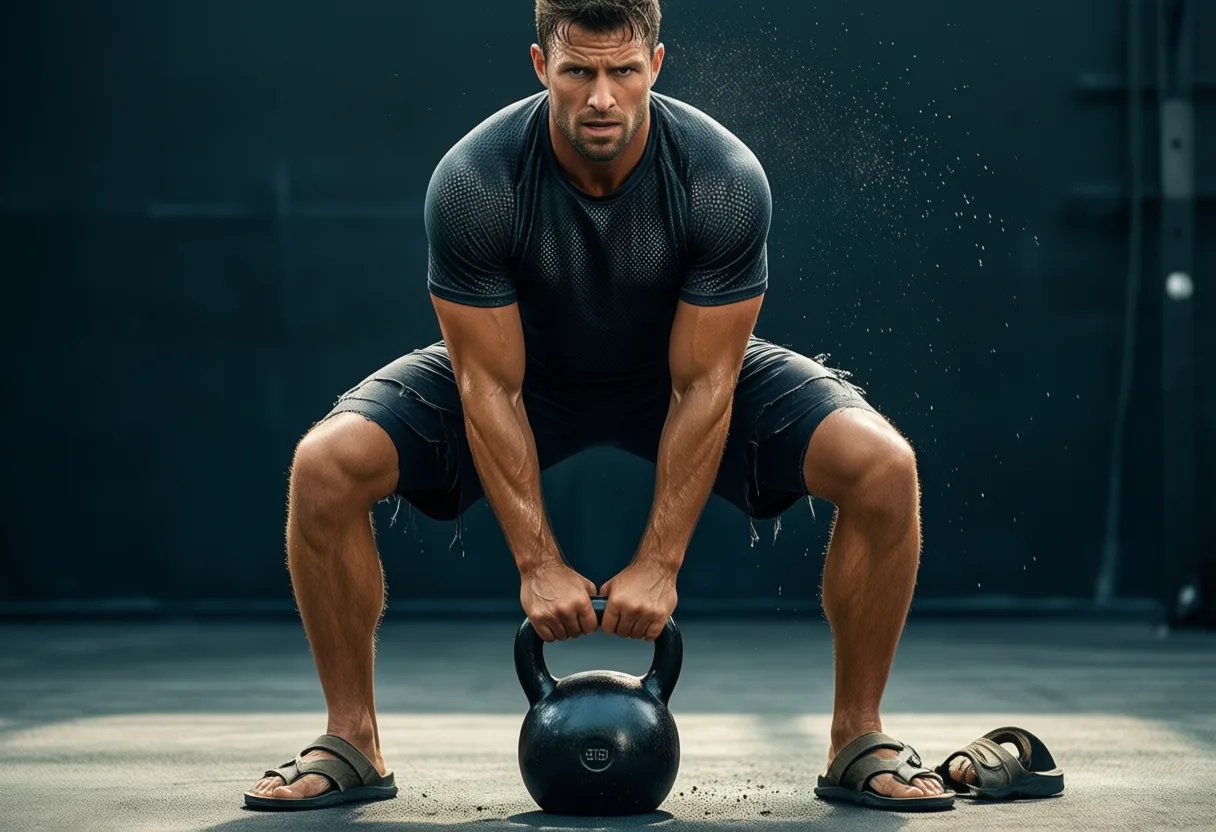
Strength training demands more than willpower. It requires precision, consistency, and the right tools to push past limits and build real muscle. Your body responds to effort-but only when supported by gear that moves with you, breathes with you, and keeps you focused on lifting heavier, recovering faster, and looking sharper.
Build a Foundation with Functional Fitness Apparel
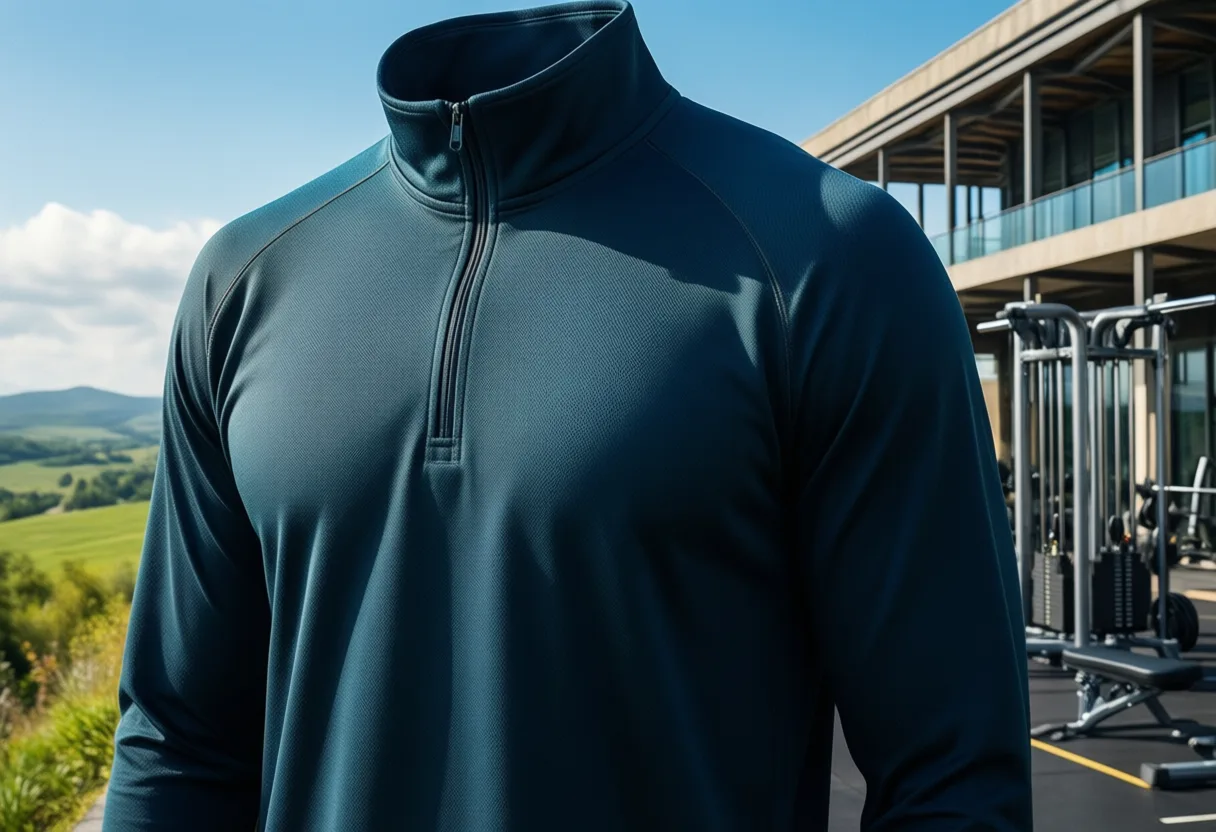
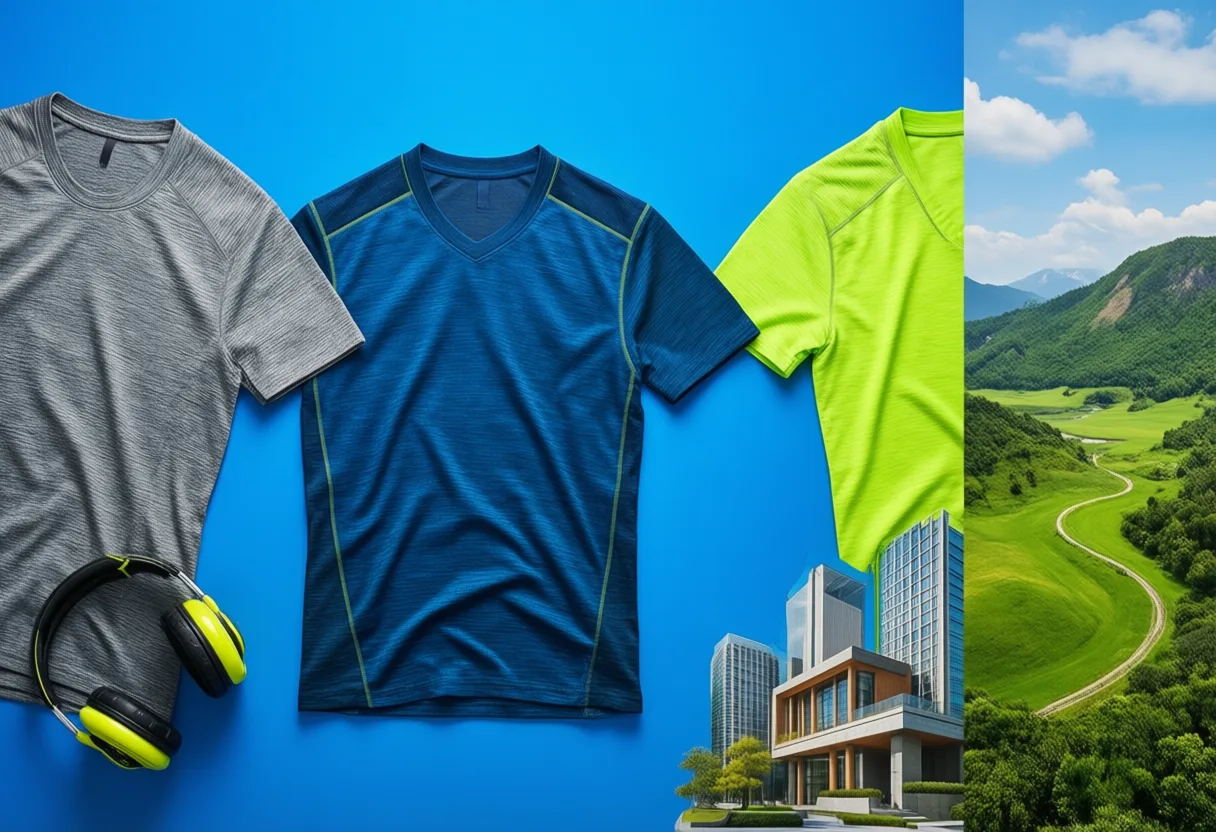
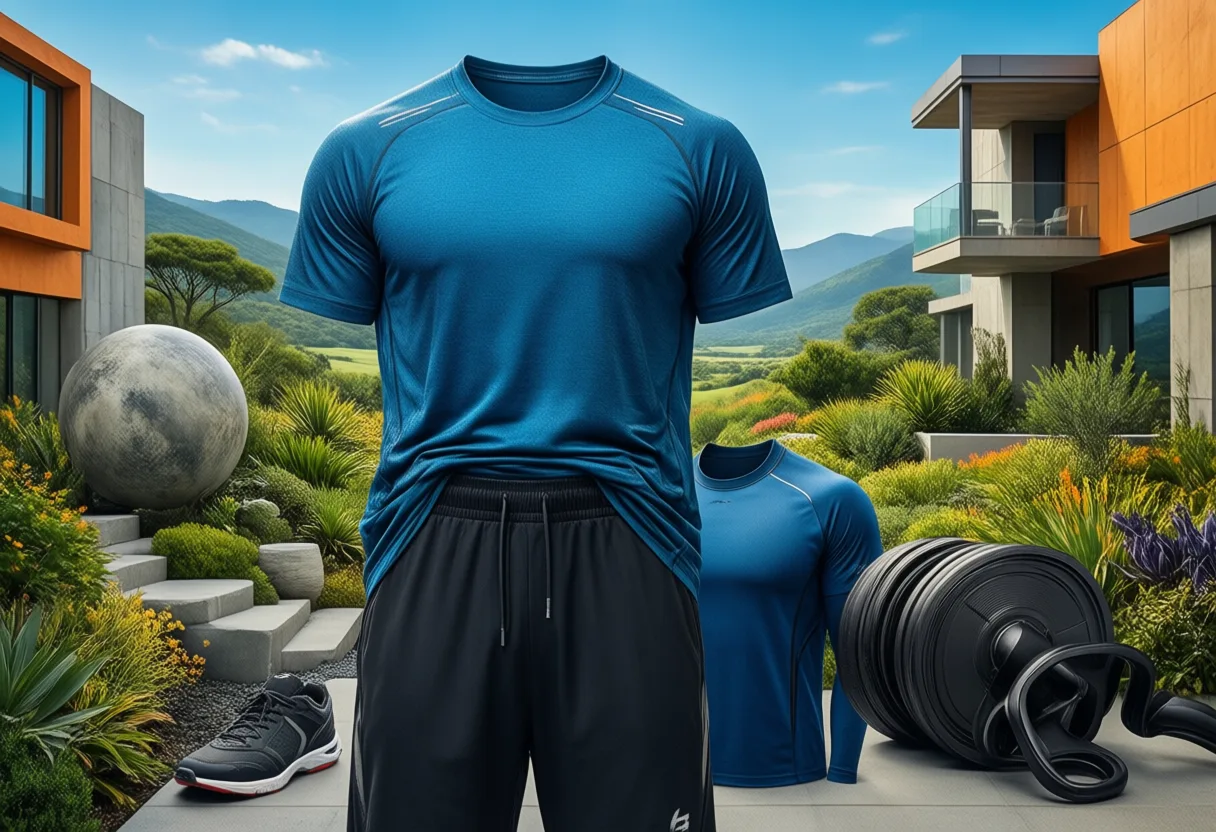
Your clothing is not just style. It is part of your performance system. Compression fabrics stabilize muscles during heavy squats. Moisture-wicking materials keep you dry under the barbell’s load. Seamless stitching prevents chafing during high-rep sets. You need Apparel That works as hard as you do.
Look for shorts with four-way stretch and secure pockets. Choose shirts With ventilated zones across the back and shoulders. These details matter when you’re grinding through a final rep. Poor fabric traps heat. Bad fit restricts motion. Both sabotage gains.
Invest in pieces designed for movement and durability. The right outfit supports joint mobility and muscle engagement. It lets you focus on form, not friction. For a full breakdown of what to Wear In and out of the gym, check out Men's Fitness Apparel Built for Performance and Comfort.
Choose Footwear That Matches Your Training Style
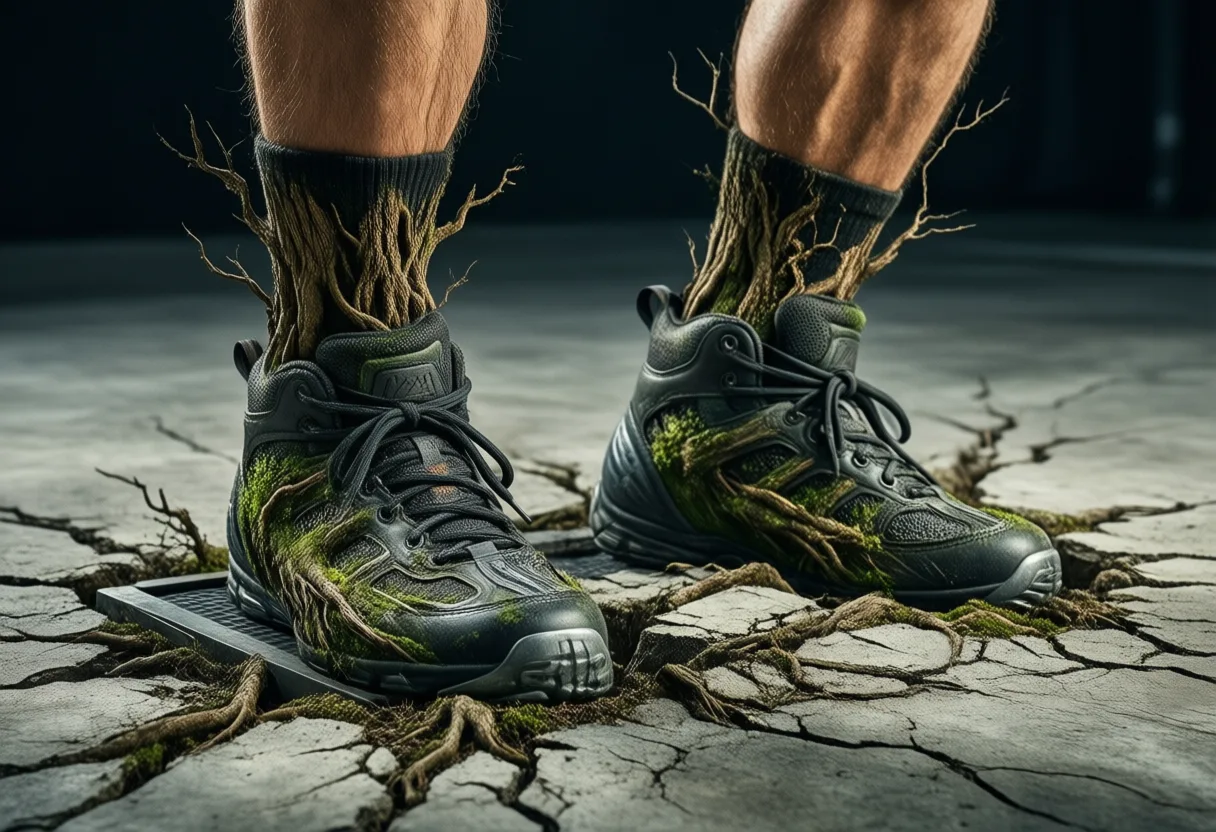
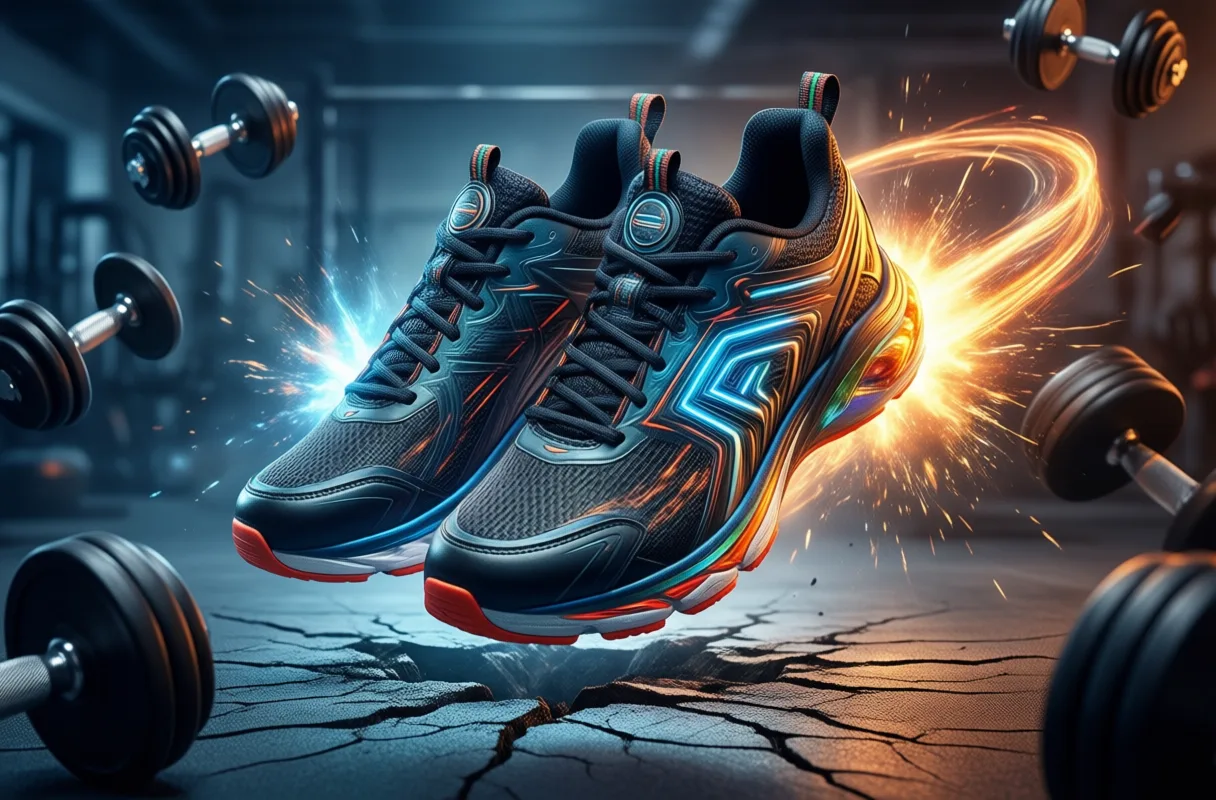
Not all shoes are built for strength. Running sneakers compress under heavy loads. Cushioned soles reduce ground feedback. That instability kills power transfer during deadlifts and cleans. You need a stable base-solid, flat, and responsive.
Lifting shoes feature elevated heels for deeper squats. They improve ankle mobility and torso alignment. Powerlifters use them to generate more force off the floor. Cross-trainers need hybrid models with lateral support for dynamic movements.
If you train with barbells, invest in specialized footwear. Minimal drop soles keep your center of gravity low. Rigid midsoles prevent energy loss. Every pound you lift starts from the ground up-your shoes are the first link in the chain.
Optimize Grip and Joint Support with Targeted Accessories
Calluses tear. Wrists bend. Elbows ache. These small failures add up. They limit volume. They cut workouts short. Smart lifters protect their weak points before they become injuries.
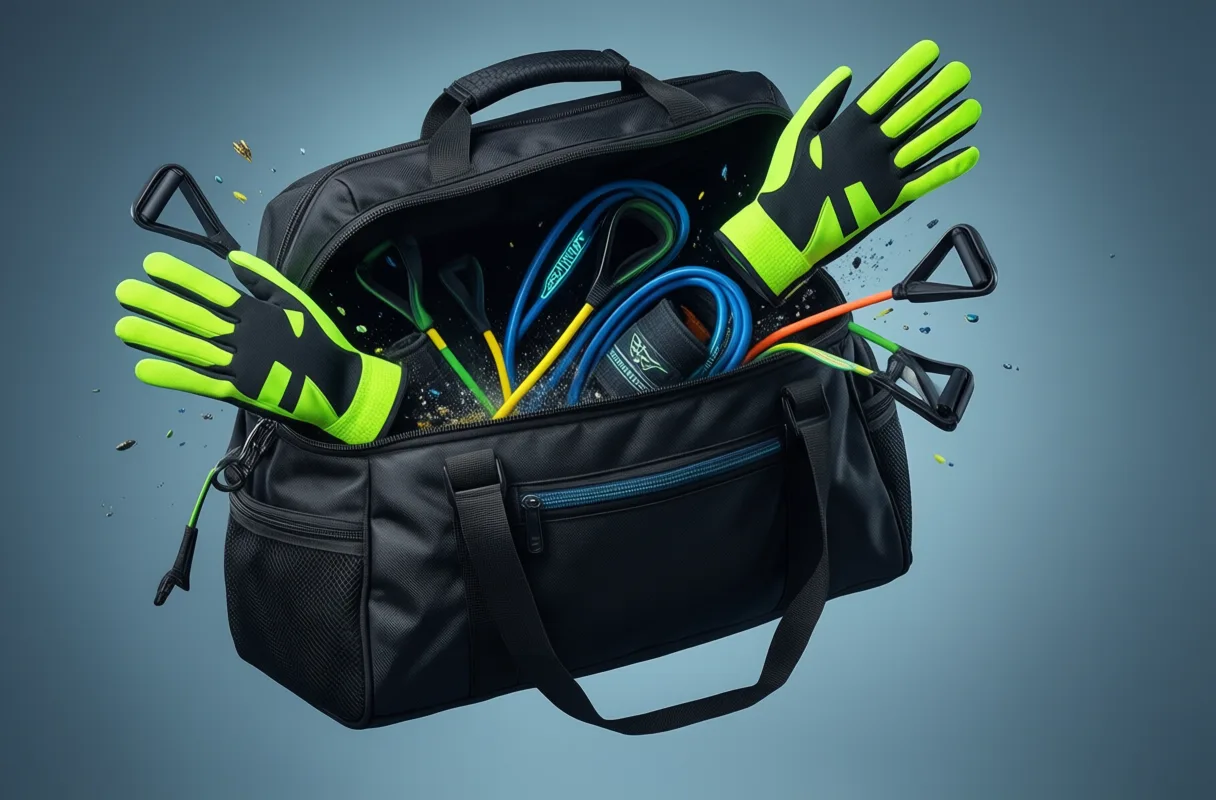
Weightlifting Gloves improve Bar grip and reduce friction. Wrist wraps stabilize joints during overhead presses and bench sets. Knee sleeves maintain warmth and provide light compression during leg day. These tools extend training longevity.
Use accessories strategically-not as crutches, but as enhancers. Tape your thumbs for pull-ups. Wear a belt on maximal lifts. These choices protect connective tissue and improve technique. For more on how to train harder and safer, read Men's Fitness Attire For Maximum Comfort And Performance.
Leverage Technology to Track and Improve Performance
Progress isn’t guesswork. It’s measured in plates added, reps earned, and rest times cut. Modern tools make tracking effortless. Smart watches log heart rate and Recovery. Apps record sets, weights, and tempo.
Some wearables analyze movement patterns. They detect imbalances before they cause injury. Others time your rest intervals with precision. These insights refine your program and accelerate adaptation.
Data builds discipline. When you see your squat jump from 275 to 315 over eight weeks, motivation spikes. Numbers don’t lie. They reveal progress hidden to the eye. Use them to stay accountable and aggressive.
For science-backed strategies on strength and endurance, explore Men's Fitness Magazine Tips For Building Strength And Endurance.

Maximize Recovery with Post-Workout Tools
Muscles grow when you rest-not when you lift. Recovery is where gains are sealed. Yet most men neglect it. They train hard, then sit all day. That imbalance stalls results.
Foam rollers release tight fascia after leg day. Massage guns target deep muscle knots in shoulders and quads. Cold therapy reduces inflammation. These tools speed up repair and reduce soreness.
Sleep trackers help optimize rest cycles. Hydration monitors remind you to drink. Even your gear can support recovery. Wear compression garments post-lift to improve circulation.
Recovery isn’t passive. It’s active maintenance. Treat it like a workout. Schedule it. Prioritize it. For more expert-backed recovery and training insights, visit Men's Fitness Articles Reveal Proven Strength Training Tips.
Train with Purpose, Not Just Intensity
Hard work is not enough. You must train with intent. Every rep must serve a goal. Every piece of gear must serve your body. Strength is built through smart choices-on and off the platform.
Your apparel moves with you. Your shoes anchor you. Your accessories protect you. Your tech guides you. Your recovery tools rebuild you. Each element plays a role in the system.
When everything aligns-form, load, gear, and recovery-transformation follows. You gain muscle. You burn fat. You build a body that performs and impresses.
For elite-level guidance on training, nutrition, and mindset, dive into Men's Fitness Magazine Reveals Best Strength Training Tips. Then step into the gym-and lift like a man built for results.
Gear That Gets the Job Done
More Than Meets the Eye
Weightlifting belts aren’t just for powerlifters showing off at competitions. These sturdy bands actually help stabilize your core during heavy lifts like squats and deadlifts by increasing intra-abdominal pressure. Think of it like bracing yourself before a punch-it keeps your spine safer and lets you lift with more confidence. Most serious lifters add one to their kit once they’re pushing serious weight, not because it’s trendy, but because it works.
Grip, Sweat, and Everything In Between
Chalk might seem like old-school gym junk, but it’s still a staple in many training bags. It cuts down on sweaty palms that can sabotage your grip during pull-ups or heavy rows. While liquid chalk has become popular for its mess-free application, traditional powdered chalk remains a favorite in powerlifting circles for its effectiveness. And speaking of hands, gymnastic-style lifting straps aren’t cheating-they’re tools that help you focus on building back strength without your grip giving out first.
Shoes With a Purpose
Lifting shoes do more than look flashy with their bright colors and chunky soles. They’ve got a solid, raised heel that helps you hit deeper squats with better form by improving ankle mobility. Unlike running shoes, which are built to absorb impact, lifting shoes give you a stable base-like planting your feet into concrete. That firm connection to the floor means more power transfer and less wobble when you’re grinding through a tough set. Explore more stories, videos, and creators on Loaded.
Frequently Asked Questions
Why is proper fitness apparel important for strength training?
Functional fitness apparel supports performance by stabilizing muscles, wicking away moisture, and preventing chafing. Seamless stitching and four-way stretch enhance mobility and comfort during heavy lifts and high-rep sets.
What type of shoes should men wear for strength training?
Men should wear lifting shoes with flat, rigid soles and elevated heels for better stability and ankle mobility during squats and deadlifts. Running sneakers are unsuitable due to compression under heavy loads.
How do lifting accessories like belts and wrist wraps help?
Weightlifting belts increase intra-abdominal pressure to stabilize the spine during heavy lifts. Wrist wraps support joints during bench and overhead presses, reducing injury risk and improving lifting confidence.
Can technology improve strength training results?
Yes, smart watches and apps track heart rate, recovery, sets, reps, and rest intervals. Wearables can detect movement imbalances and provide data to refine training programs and measure progress over time.
This article was produced with AI assistance. How Chiseled Magazine uses AI.
Tariq breaks down elite workout regimens with precision, translating complex routines into actionable plans. He focuses on form, progression, and the mental discipline behind peak physical performance, often drawing from interviews with strength coaches and competitive athletes across multiple sports.