

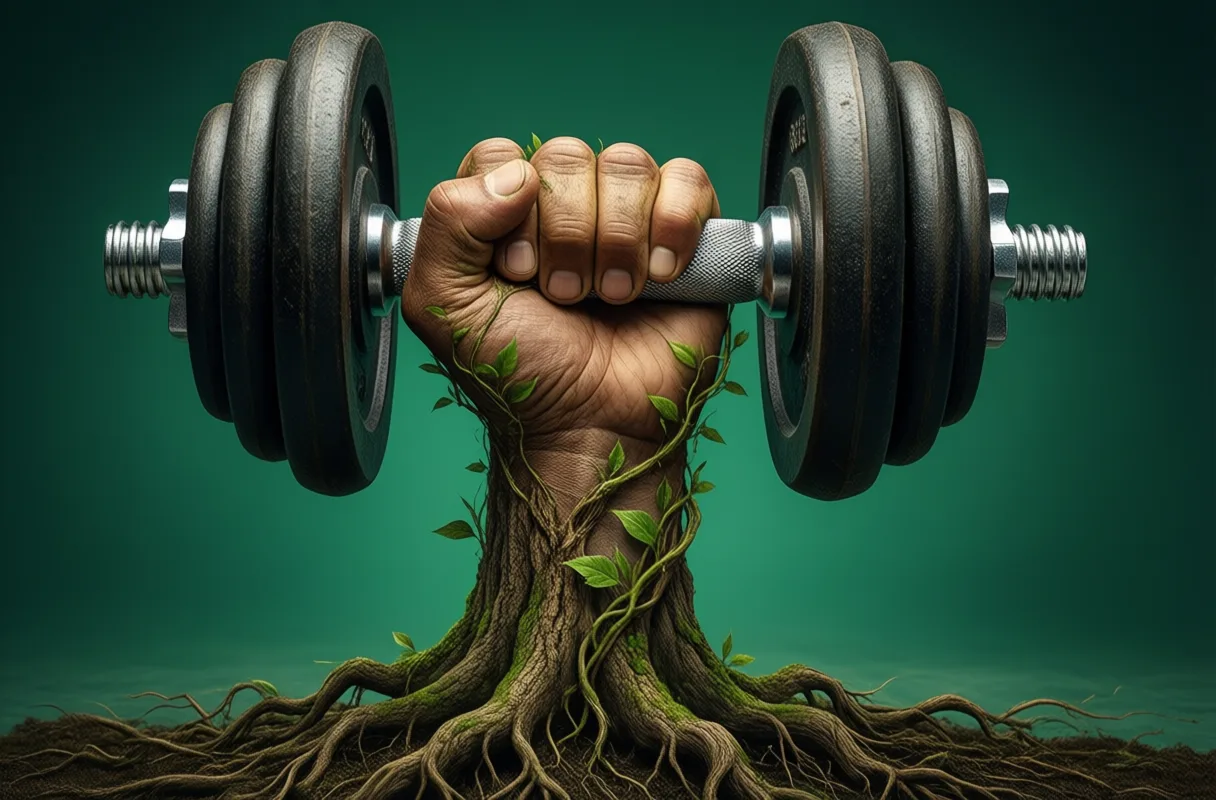
Strength Doesn’t fade because you age. It fades because you stop demanding it. After 50, your body changes-but it still responds to the right training with power, resilience, and definition.
You can build muscle, gain strength, and move freely for decades. It starts with a decision to train smarter, not less. This is men's fitness over 50-redefined by action, not excuses.
Why Strength Training Matters More After 50
Losing strength isn’t inevitable. It’s optional. After 50, your body accelerates muscle loss if you’re inactive-but fights back when challenged.
Muscle drives metabolism, balance, and independence. Without it, daily tasks become harder. With it, you stay sharp, strong, and self-reliant. Lifting isn’t vanity. It’s survival.
Strength training protects your bones, improves heart health, and stabilizes blood sugar. It’s one of the most Effective tools To combat age-related decline. You don’t train to look younger. You train to live stronger.
For more on how strength and endurance go hand in hand, check out Men's Fitness Tips For Building Strength And Endurance.
The Hidden Cost of Ignoring Mobility
Stiffness steals more than movement. It steals freedom. Poor mobility limits your range, strains your joints, and increases injury risk with every step.
Most Men stretch But skip real mobility work. Stretching lengthens tissue. Mobility builds control through motion. You need both-but control wins when lifting, bending, or playing with grandkids.
Joint health deteriorates silently. By the time pain hits, damage is done. Daily mobility drills keep tissues fluid, joints lubricated, and movement efficient. It’s maintenance for a body that still works.
Start with hips, shoulders, and spine. These areas bear the load of aging and inactivity. Move them daily. Own your range. Keep your body yours.
What Changes in Your Body After 40?
Your body shifts after 40-and accelerates after 50. Recovery slows. Energy dips. Movement feels harder. These aren’t signs to quit. They’re signals to adapt.
Metabolism drops. Fat storage increases, especially around the abdomen. Muscle fibers shrink. Fast-twitch fibers-key for power-decline first. You lose explosive strength before endurance.
Inflammation rises. Sleep quality often drops. Hormones fluctuate. These changes are normal-but not fixed. Training, nutrition, and recovery can reshape the trajectory.
You’re not broken. You’re adapting. Train with purpose, and your body answers.
How Muscle Mass Naturally Declines with Age
Sarcopenia-the loss of muscle mass-starts as early as your 30s. But after 50, it speeds up. Without resistance training, you can lose 3–5% of muscle per decade.
Muscle isn’t just for looks. It’s metabolic armor. Each pound burns calories at rest. Less muscle means slower metabolism, higher fat gain, and weaker performance.
The solution? Load the muscle. Mechanical tension from lifting signals growth. Even small doses trigger adaptation. You don’t need marathon workouts. You need consistent, intense effort.
Lift heavy. Recover well. Eat right. Reverse the trend.
The Role of Testosterone in Long-Term Strength
Testosterone supports muscle growth, fat loss, and energy. Levels peak in your 20s and decline about 1% per year after 30. By 50, many men operate at half their peak.
Low testosterone doesn’t mean weak muscles. It means harder gains, slower recovery, and more fatigue. But you can optimize natural production through training and lifestyle.
Heavy compound lifts spike testosterone acutely. Sleep, stress control, and body composition influence baseline levels. You can’t stop the clock-but you can maximize what you have.
Focus on what you control: effort, consistency, recovery. Hormones follow action.

7 Key Principles for Building Strength and Mobility
Success after 50 isn’t about harder workouts. It’s about smarter ones. Follow these seven principles to build strength, move freely, and stay injury-free.
1. Prioritize Compound Movements for Maximum Impact
Squats, deadlifts, presses, and rows work multiple muscles at once. They build real-world strength and burn more calories. Isolation exercises have a place-but compounds drive progress.
These lifts mimic daily movements: bending, lifting, pushing. Train them, and you stay functional. Add weight gradually, and you stay strong.
Start with bodyweight or light loads. Master form first. Then increase intensity. Power comes from precision.
2. Embrace Progressive Overload-Safely and Gradually
To grow muscle, you must challenge it. Progressive overload Means adding weight, reps, or sets over time. But after 50, progress must be measured-not reckless.
Add 2.5–5 pounds per week on lifts when ready. Or add one rep per set. Small gains compound. Avoid ego lifting. The goal is longevity, not a one-rep stunt.
Track your lifts. Stay consistent. Let the numbers rise-without injury.
3. Schedule Recovery as a Non-Negotiable
Muscles grow when you rest-not when you train. After 50, recovery takes longer. Skimp on it, and you invite injury, fatigue, and stalled progress.
Sleep 7–8 hours nightly. Take rest days. Space workouts to allow repair. Overtraining breaks down. Recovery builds up.
Your body adapts between sessions. Honor that process. Recovery isn’t weakness. It’s part of the work.
4. Integrate Daily Mobility Drills, Not Just Stretching
Stretching Is static. Mobility is dynamic. It combines strength, flexibility, and joint control. You need mobility to squat deep, press overhead, or tie your shoes without pain.
Spend 10 minutes daily on drills: hip circles, shoulder dislocations, spine waves. Use bands or bodyweight. Move slowly and with control.
Do these before workouts-or during TV time. Make it routine. Mobility is maintenance.
5. Focus on Joint Stability Before Lifting Heavy
Unstable joints fail under load. Before adding weight, build stability. Weak rotator cuffs, wobbly knees, or loose ankles increase injury risk.
Do activation work: band walks for hips, planks for core, rotator cuff exercises with light bands. Fire the right muscles before lifting.
Stable joints handle heavier loads safely. Strength without stability is dangerous.
6. Adjust Nutrition to Support Muscle Retention
Protein becomes critical after 50. Aim for 0.8–1 gram per pound of body weight daily. Spread it across meals to maximize muscle protein synthesis.
Prioritize whole foods: lean meats, eggs, dairy, legumes. Add vegetables for inflammation control. Hydrate consistently. Water supports every function.
Limit processed sugars and refined carbs. They spike insulin and drive fat storage. Eat for energy, repair, and lean mass.
7. Track Progress Beyond the Scale
The scale lies. Muscle weighs more than fat. If you’re gaining strength and losing inches, you’re winning-even if weight stays the same.
Track reps, weights, waist size, energy levels, and how clothes fit. Take progress photos monthly. Real change takes time.
Strength is measured in performance. Mobility in movement. Success in how you feel.
When Injury Risk Increases-and How to Offset It
Injury risk rises after 50-not because you’re old, but because tissues heal slower and imbalances worsen. A tweak at 30 might bounce back in days. At 55, it lingers.
Common causes: poor warm-ups, poor form, overloading too fast, ignoring pain. These are preventable. Warm up with dynamic movement. Lift with control. Respect warning signs.
Build resilience with consistency, not intensity. Master movement patterns. Strengthen tendons and ligaments over time. Injury isn’t fate. It’s a training error.
Common Weak Points That Emerge After 50
Knees, lower back, shoulders, and hips take the most abuse. Decades of sitting, poor posture, or old injuries resurface.
Weak glutes lead to back strain. Tight hips limit squat depth. Poor shoulder mechanics invite rotator cuff issues. Address these early.
Strengthen the posterior chain: glutes, hamstrings, lower back. Improve thoracic spine mobility. Activate underused muscles. Balance your body.
Prehab is smarter than rehab. Fix weaknesses before they break.

Putting It All Into Practice: A Sample Weekly Routine
Train 3–4 days per week. Allow at least one rest day between strength sessions. Add mobility work daily.
Day 1: Full-Body Strength
- Goblet Squat: 3 sets of 10
- Push-Up (knees or toes): 3 sets of 8–12
- Bent-Over Row (dumbbell): 3 sets of 10
- Plank: 3 sets, 30 seconds
Day 2: Mobility & Active Recovery
- 10 minutes hip mobility
- 10 minutes shoulder drills
- 10 minutes walking or light cycling
Day 3: Full-Body Strength
- Romanian Deadlift (light): 3 sets of 10
- Overhead Press (dumbbell): 3 sets of 8
- Lat Pulldown or Band Pull-Down: 3 sets of 10
- Bird-Dog: 3 sets of 8 per side
Day 4: Rest or Light Walk
Repeat. Adjust weights weekly. Focus on form. Progress slowly.
How to Start If You’ve Been Sedentary for Years
Start where you are. Not where you were. If you’ve been inactive, begin with bodyweight movements and walking.
Do two strength sessions per week. Add one more when ready. Spend 5–10 minutes daily on mobility. Walk 20–30 minutes most days.
Consult your doctor if you have health concerns. Then start. Small steps build momentum. Consistency beats intensity.
You don’t need perfection. You need action. The best time to start was years ago. The second best is now.
The Real Payoff: Strength That Lasts Decades
This isn’t about six-packs or beach season. It’s about power, independence, and vitality. Strength after 50 means carrying groceries, playing with grandkids, and living without limits.
Mobility means no pain. No stiffness. No fear of falling. It means freedom in motion.
You’re not chasing youth. You’re building a stronger future. One rep, one step, one day at a time.
Train with purpose. Live with strength. This is what lasting fitness looks like.
| Day | Workout Type | Exercises | Sets and Reps |
|---|---|---|---|
| Day 1 | Full-Body Strength | Goblet Squat, Push-Up, Bent-Over Row, Plank | 3x10, 3x8–12, 3x10, 3x30 seconds |
| Day 2 | Mobility & Active Recovery | Hip mobility, shoulder drills, walking or light cycling | 10 minutes each |
| Day 3 | Full-Body Strength | Romanian Deadlift, Overhead Press, Lat Pulldown, Bird-Dog | 3x10, 3x8, 3x10, 3x8 per side |
| Day 4 | Rest or Light Walk | - | - |
Staying Strong and Supple After 50
Muscle Isn’t Just for the Young
Think building muscle after 50 is impossible? Think again. Your body keeps responding to resistance training well into later decades-sometimes even better than younger folks in relative terms. While testosterone levels naturally dip with age, that doesn’t slam the door on strength gains. In fact, consistent lifting can actually help maintain healthier hormone profiles. And here’s a fun twist: older muscles may need slightly longer recovery, but they adapt efficiently, especially when you focus on compound moves like squats and rows. It’s not about maxing out; it’s about consistency, smart loading, and showing up.
Mobility Myths Busted
You’ve probably heard “you’re too stiff to start now,” but that couldn’t be further from the truth. Joints thrive on movement, and cartilage-unlike bone-has no blood supply, so it gets nutrients only through motion. That means daily joint mobility work isn’t just nice to have; it’s essential fuel. Try this: spend five minutes each morning doing slow arm circles, ankle rolls, and cat-cow stretches. Over time, many men notice improvements in everyday movements-like tying shoes or reaching for a high shelf-that they assumed were lost for good. Flexibility isn’t about touching your toes; it’s about keeping your body fluent in its own language of motion.
The Forgotten Power of Walking
Forget flashy gadgets or extreme routines-brisk walking might be one of the most underrated tools in the fitness toolbox. It’s low-impact, easy on the joints, and boosts circulation, mood, and balance. Add hills or short bursts of speed and you’re sneaking in stealth cardio and leg strength work. Some guys over 50 who walk regularly report feeling more energized than they did in their 40s. Pair it with strength training twice a week and you’ve got a simple, sustainable formula that actually works-no gym membership required. Explore more stories, videos, and creators on Loaded.
Frequently Asked Questions
Can men build muscle after 50?
Yes, men can build muscle after 50 through consistent resistance training. The body continues to respond to mechanical tension from lifting, even in later decades.
Why is mobility important for men over 50?
Mobility maintains joint health, improves movement efficiency, and reduces injury risk. It combines strength, flexibility, and control through motion, which is essential for daily tasks.
How often should men over 50 train for strength?
Men over 50 should train 3–4 days per week with at least one rest day between strength sessions. Beginners can start with two days and add more as ready.
What role does nutrition play in maintaining strength after 50?
Protein intake of 0.8–1 gram per pound of body weight daily supports muscle retention. Whole foods, hydration, and limiting processed sugars are also key.
This article was produced with AI assistance. How Chiseled Magazine uses AI.
Tariq breaks down elite workout regimens with precision, translating complex routines into actionable plans. He focuses on form, progression, and the mental discipline behind peak physical performance, often drawing from interviews with strength coaches and competitive athletes across multiple sports.