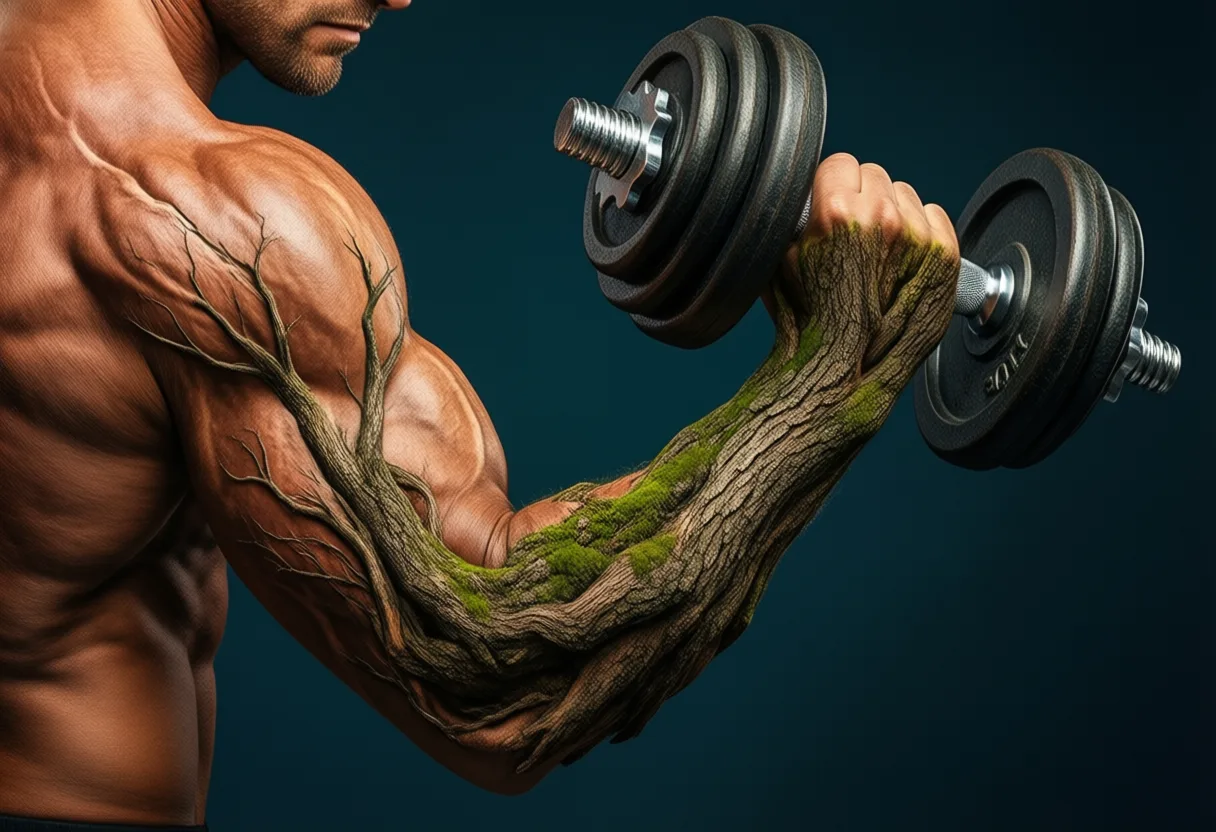
You don’t need a warehouse gym to Build arms That turn heads. With the right dumbbell moves, you can carve definition into your triceps-especially the often-neglected outer sweep-right from home or a compact setup. The key isn’t just volume; it’s precision, form, and knowing exactly which angles expose the lateral head to maximum tension.
Why Your Triceps Need More Than Just Presses
Most lifters think they’re covering all bases with bench presses and overhead extensions. But pressing movements, while effective for overall mass, tend to emphasize the long head of the triceps. That means the Outer tricep, the part that flares your arms when viewed from the front, often gets left behind.
If your goal is sculpted, three-dimensional arms, isolation work isn’t optional-it’s essential. Compound lifts build foundation, but it’s the targeted Dumbbell exercises That chisel the details. You wouldn’t skip calf raises just because you squat, so why treat your triceps any differently?
For those Training At home or on a time crunch, dumbbells offer unmatched versatility. And with routines like the Best Dumbbell Tricep Workout For Strength And Definition, you can hit every head of the triceps without needing a cable machine or spotter.
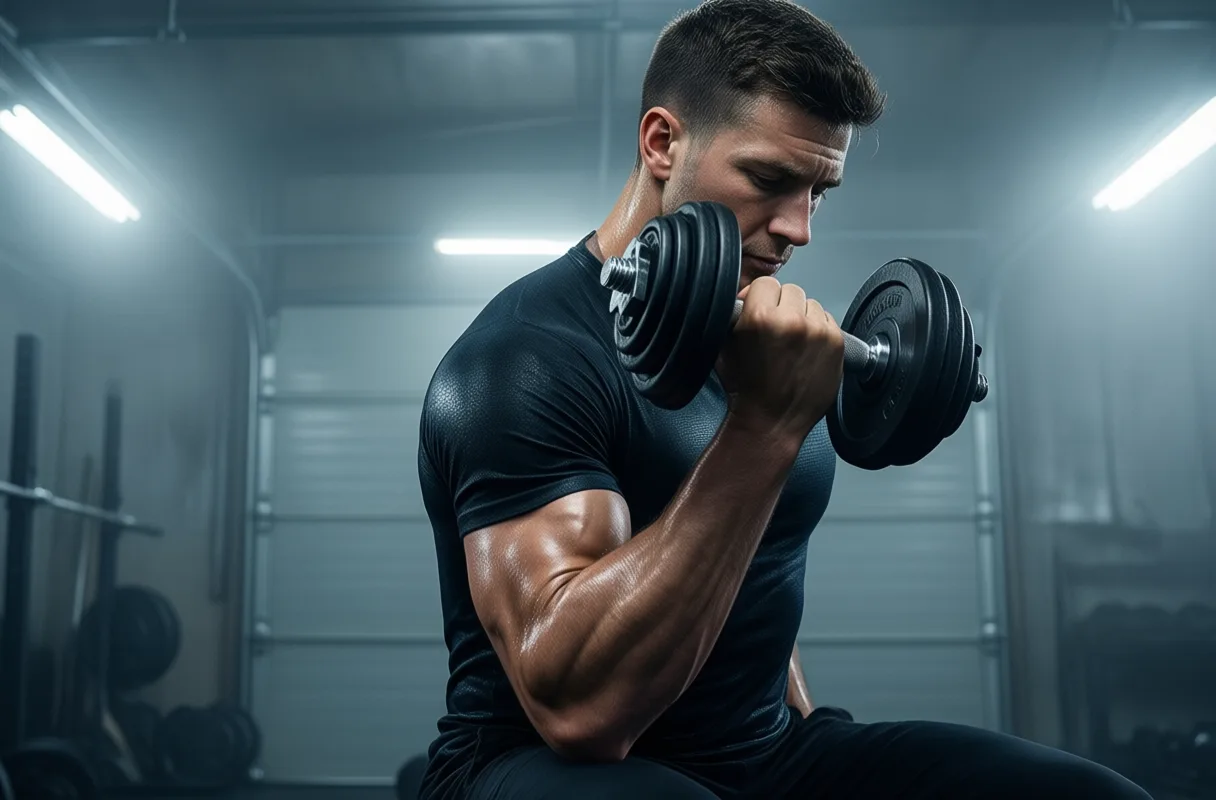
The Outer Tricep: Anatomy You Can’t Afford to Ignore
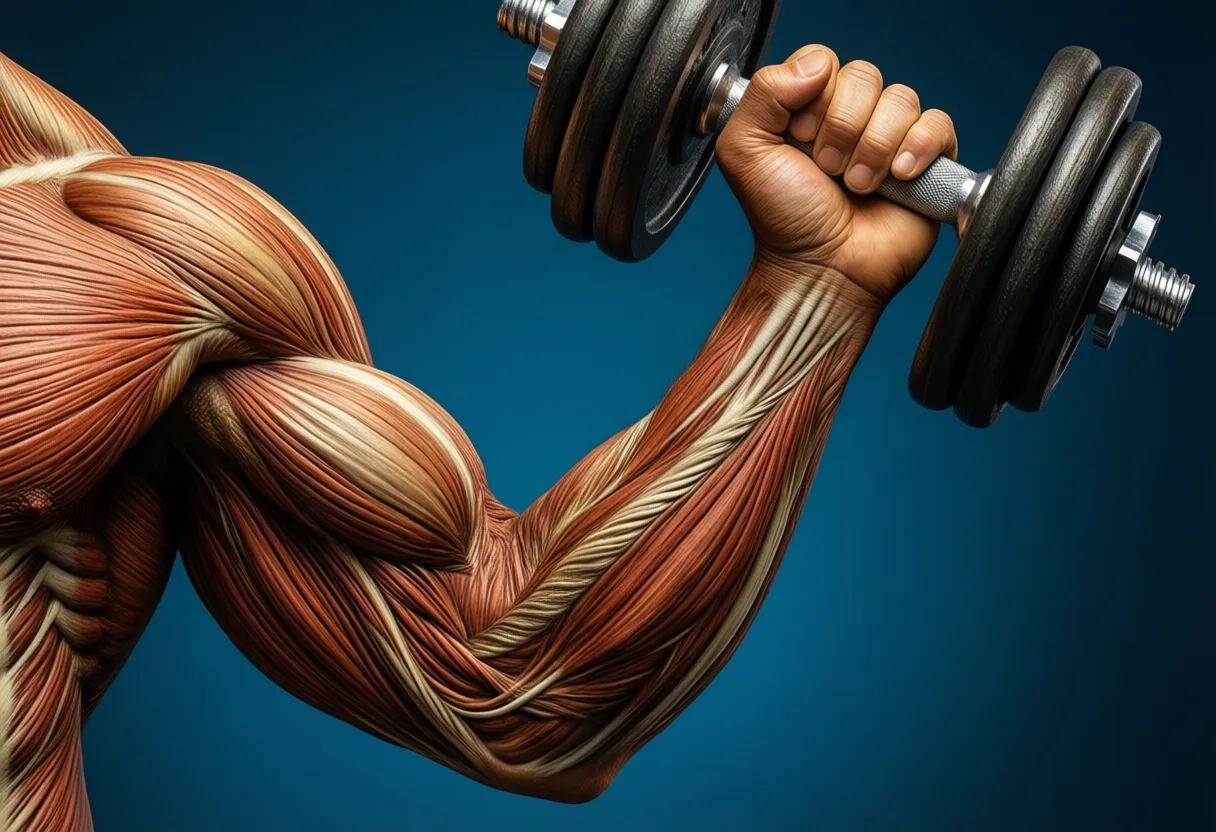
The triceps brachii is made up of three heads: the long, medial, and lateral. The Lateral head-the one responsible for that outer sweep-is the most visible when your arms are at your sides. It doesn’t contribute as much to heavy pressing, which is why it’s so easily undertrained.
This head lies just beneath the skin and fat on the outside of your upper arm. When developed, it creates that “horseshoe” look bodybuilders chase-the kind that makes sleeves tighter even if your overall Arm size Hasn’t exploded.
Unlike the long head, which activates strongly under stretch (like in overhead extensions), the lateral head responds best to mid-range tension and controlled lockouts. That’s why certain dumbbell movements, especially those with external rotation or arm positioning away from the body, light it up.
Ignoring this anatomy is like polishing a car but skipping one fender. Sure, it’s clean-but the imbalance ruins the effect. If your arms look flat from the front, the culprit is likely a weak lateral head, not a lack of overall tricep work.
7 Dumbbell Moves That Target the Lateral Head
1. Overhead Dumbbell Triceps Extension
With one or two dumbbells, extend overhead while keeping your elbows close to your head. The stretch at the bottom hits the long head, but the Lockout phase Intensely engages the lateral fibers. Go slow on the descent to maximize time under tension.
2. Lying Dumbbell Triceps Extension (Skullcrusher)
Lie on a bench and lower the dumbbells toward your temples, elbows flared slightly. This classic move hits all three heads, but the angle and extension path place strong emphasis on the outer sweep as you press back up.
3. Seated Dumbbell Overhead Extension
Sit upright, extend one dumbbell overhead with both hands, and lower behind your head. The seated position limits momentum, forcing strict form. This isolation sparks a deep burn in the lateral head by removing cheating.
4. Dumbbell Kickbacks
Lean forward, keep your upper arm parallel to the floor, and extend the dumbbell straight back. Though often done poorly, when executed with control, kickbacks offer direct stimulation to the outer triceps. Don’t rush-each rep should feel like a contraction, not a swing.
5. Single-Arm Overhead Extension
Using one dumbbell at a time allows for better focus and range of motion. The asymmetrical load also challenges core stability, but the real benefit is the Uninterrupted squeeze At the top of the movement.
6. Close-Grip Dumbbell Press
Lie on a bench and hold dumbbells close to your chest, then press up with hands near each other. This variation shifts emphasis from chest to triceps, especially the lateral head, due to the narrow base and full extension.
7. Standing Dumbbell French Press
Stand tall, lower a single dumbbell behind your head with both hands, and extend upward. The standing position increases core engagement and allows a clean line of force that targets the outer triceps during peak contraction.
For more options that build strength and definition, check out Tricep Workouts Dumbbells The 8 Best Exercises For Strength, which breaks down variations ideal for progressive overload.

Common Form Mistakes That Kill Effectiveness
One of the biggest errors is Flaring elbows during overhead extensions. When your elbows point outward, you shift tension to the shoulders and reduce triceps activation. Keep them pointed forward and close to your head for maximum outer tricep engagement.
Another frequent misstep is using momentum. Swinging the weight up during kickbacks or skullcrushers turns an isolation move into a half-rep junk exercise. If you can’t control the dumbbell through the full range, Lower the weight.
Partial reps are equally problematic. Cutting the lockout short on extensions or presses robs you of peak contraction-the exact moment the lateral head fires hardest. Full extension isn’t just about form; it’s about finishing the job.
And don’t overlook wrist position. A bent wrist during extensions can cause strain and reduce force transfer. Keep your wrists neutral-aligned with your forearms-to ensure power flows directly into the triceps.
How Grip and Range of Motion Change Muscle Activation
Your grip isn’t just about comfort-it’s a Direct line to muscle recruitment. A neutral grip (palms facing each other) during overhead extensions tends to emphasize the lateral head more than a pronated grip.
Wider grips in pressing movements reduce triceps involvement, while narrower grips increase it. That’s why the close-grip dumbbell press is so effective-your arms are forced into a position that recruits more outer tricep fibers during extension.
Range of motion is equally critical. Going too deep in overhead extensions can stress the elbow joint, but not going deep enough misses the stretch needed for growth. Find the Sweet spot-where tension stays on the muscle without compromising joint safety.
Similarly, in kickbacks, extending past neutral can hyperextend the elbow. But stopping short means missing the peak contraction. The goal is control throughout: slow on the way down, explosive (but controlled) on the way up.
For those training at home, mastering these mechanics is even more important. Without spotters or machines, your body learns to stabilize and isolate-key for long-term definition. Explore Dumbbell Tricep Exercises For Stronger Arms At Home for practical setups.
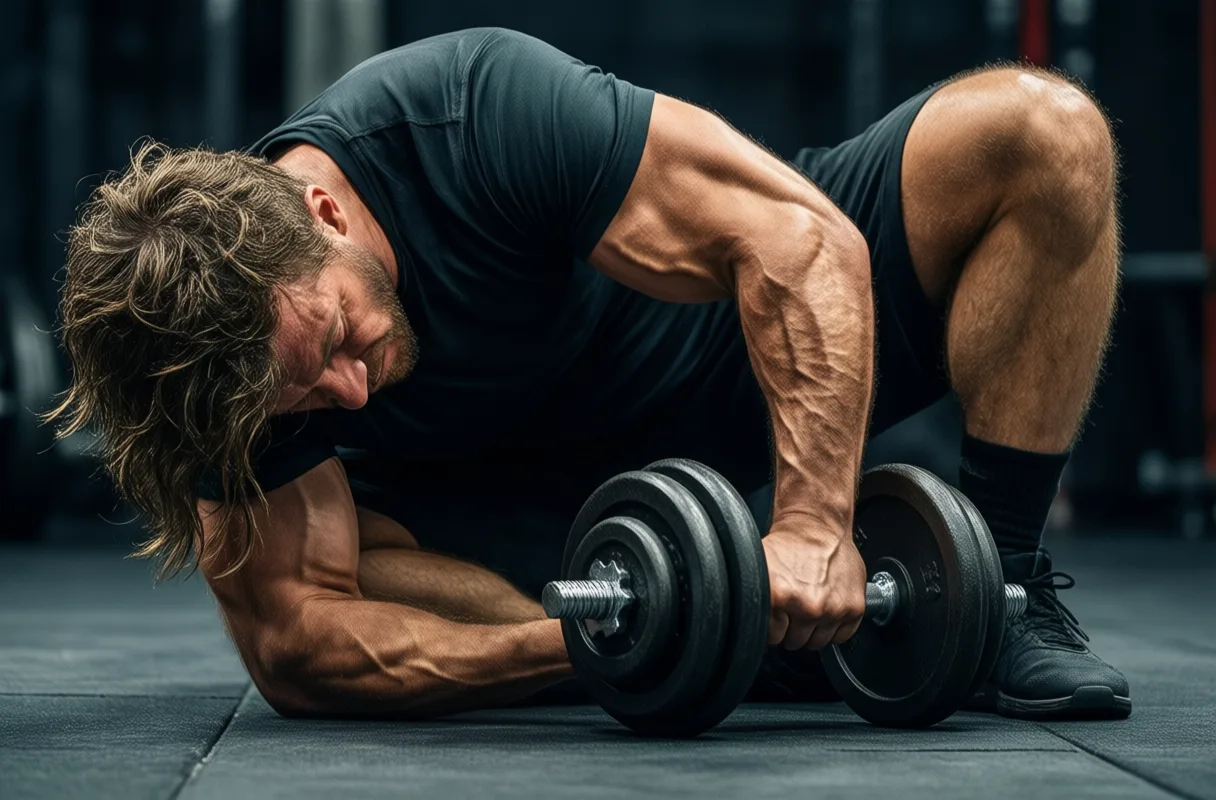
Putting It Together: A Simple Routine for Definition
Here’s a straightforward, equipment-light routine designed to hit the lateral head hard:
- Overhead Dumbbell Extension: 3 sets of 10–12 reps
- Dumbbell Kickbacks: 3 sets of 12–15 reps per arm
- Close-Grip Dumbbell Press: 3 sets of 8–10 reps
- Single-Arm Overhead Extension: 2 sets of 12 reps per side
Perform this 2–3 times per week, allowing at least one rest day between sessions. Focus on Mind-muscle connection-feel every rep, don’t just move the weight.
Progressive overload still applies. Once you hit the top of your rep range with clean form, increase the weight slightly. Strength and definition go hand in hand.
And if you’re looking for a complete blueprint, the Best Dumbbell Tricep Workout For Strength And Definition offers structured progressions and tempo guidelines to keep you growing.
Beyond Size: Why Shape Matters in Arm Development
Big arms get attention. But Defined, sculpted arms Get remembered. The difference between “strong” and “shredded” often comes down to details-like the flare of the outer triceps.
When you walk into a room in a short sleeve shirt, people don’t measure your arm size. They see shape, proportion, and symmetry. That outer sweep is what makes arms look full from every angle, even when you’re not flexing.
Most lifters chase biceps, but the triceps make up two-thirds of your upper arm. Neglecting the lateral head is like building a sports car with mismatched wheels-it might run, but it won’t turn heads.
So train smart. Use dumbbells to isolate, control, and shape. Whether you’re following a home routine or supplementing gym work, moves from Dumbbell Tricep Exercises for Building Strength and Size can bridge the gap between bulk and brilliance.
And for those committed to home training, Dumbell Tricep Exercises For Stronger Arms At Home proves you don’t need a rack of machines to build arms that look like they belong on a magazine cover.
| Exercise | Key Benefit |
|---|---|
| Overhead Dumbbell Triceps Extension | Lockout phase engages lateral fibers |
| Lying Dumbbell Triceps Extension | Angle emphasizes outer sweep on extension |
| Seated Dumbbell Overhead Extension | Strict form isolates lateral head |
| Dumbbell Kickbacks | Controlled reps directly stimulate outer triceps |
| Single-Arm Overhead Extension | Uninterrupted squeeze at top targets lateral head |
| Close-Grip Dumbbell Press | Narrow base increases outer tricep involvement |
| Standing Dumbbell French Press | Peak contraction targets outer triceps |
Sculpting the Sleeve: Triceps Talk
Why the Outer Edge Matters
The triceps make up about two-thirds of your upper arm, and the long head-running along the outer edge-gives that coveted horseshoe shape when developed. While all tricep exercises contribute to overall size, certain dumbbell moves emphasize the outer portion by placing the arm in specific positions, like overhead or with a neutral grip. Ever notice how some guys have arms that look wide even from the front? That’s often smart outer tricep work paying off.
Dumbbells and the Stretch Factor
One reason dumbbells shine for outer tricep development is freedom of movement. Unlike a barbell, each arm works independently, helping correct imbalances and allowing a deeper stretch at the bottom of movements like overhead extensions. That stretch, especially under load, is thought to boost muscle growth over time. Plus, using a dumbbell means you can tweak your wrist and elbow angle slightly to find what feels best for your shoulders while still hitting the target zone.
A Move With a Twist
Try the lying dumbbell triceps extension, sometimes called the skull crusher, with a slight twist: keep your elbows tucked just a bit more toward your face than your chest. This small shift changes the angle and can increase outer tricep engagement. And here’s a quirky fact-despite the scary nickname, skull crushers rarely cause head injuries; the name just comes from the barbell version’s path, which looks like it’s headed straight for your forehead. With dumbbells, the risk drops even more since the weights can move freely. Explore more stories, videos, and creators on Loaded.
Frequently Asked Questions
Why are dumbbell exercises important for outer tricep development?
Dumbbell exercises allow for independent arm movement, correct imbalances, and provide a deeper stretch, which helps target the lateral head of the triceps more effectively.
Which tricep head is responsible for the outer sweep of the arm?
The lateral head of the triceps is responsible for the outer sweep, creating the horseshoe look when arms are at the sides.
What are common form mistakes in Outer Tricep Dumbbell Exercises?
Flaring elbows, using momentum, performing partial reps, and bending the wrists reduce triceps activation and increase injury risk. Keep elbows close, move with control, and maintain neutral wrists.
How does grip affect tricep muscle activation?
A neutral grip emphasizes the lateral head more than a pronated grip. Narrow grips in pressing movements increase outer tricep involvement compared to wider grips.
This article was produced with AI assistance. How Chiseled Magazine uses AI.
Jin-ho examines how fitness integrates into daily life and evaluates performance gear with a critical eye. He investigates recovery tools, wearable tech, and routines that bridge gym gains with real-world resilience, always prioritizing function over hype.