

You’ve logged the miles. You’ve crushed hill repeats until your legs burned like fire. But if you’re only running, you’re Training half The story. The real magic-the kind that turns good runners into unstoppable ones-happens when you pick up the weights.
Why Runners Overlook Strength Work-And Regret It Later
It’s easy to see why runners skip the weight room. The clock ticks, the route calls, and pounding pavement feels like the only path to progress. Many believe that lifting will slow them down, add unwanted bulk, or steal precious recovery time.
But this mindset comes at a cost. Muscles Trained only through repetition lack the resilience to handle sudden shifts in terrain or pace. Without varied stimulus, the body adapts narrowly-strong in one plane, weak in others.
Over time, that imbalance catches up. A tweaked IT band. A sore Achilles that won’t quit. A stress fracture that sidelines you for weeks. These aren’t just bad luck-they’re signals that your body was never prepared for the full demands of running.
The Hidden Cost of One-Dimensional Training
Running is a repetitive motion, and while it builds endurance, it doesn’t teach your body how to stabilize, absorb force, or generate power from a dead stop. That’s where one-dimensional training starts to fail you.
Every footstrike sends shockwaves up your legs. Without adequate muscle support, those forces travel straight into joints and connective tissues. It’s like driving a sports car with perfect aerodynamics but bald tires-eventually, the road wins.
Weak glutes, underactive hamstrings, and sleepy hip abductors Can’t protect your knees during long descents or tight turns. And when fatigue sets in around mile 16, those imbalances become magnified, leading to form breakdown and injury.
This isn’t just about pain. It’s about potential left on the table. The stronger your body is overall, the more efficiently it moves, recovers, and adapts-no matter the distance.
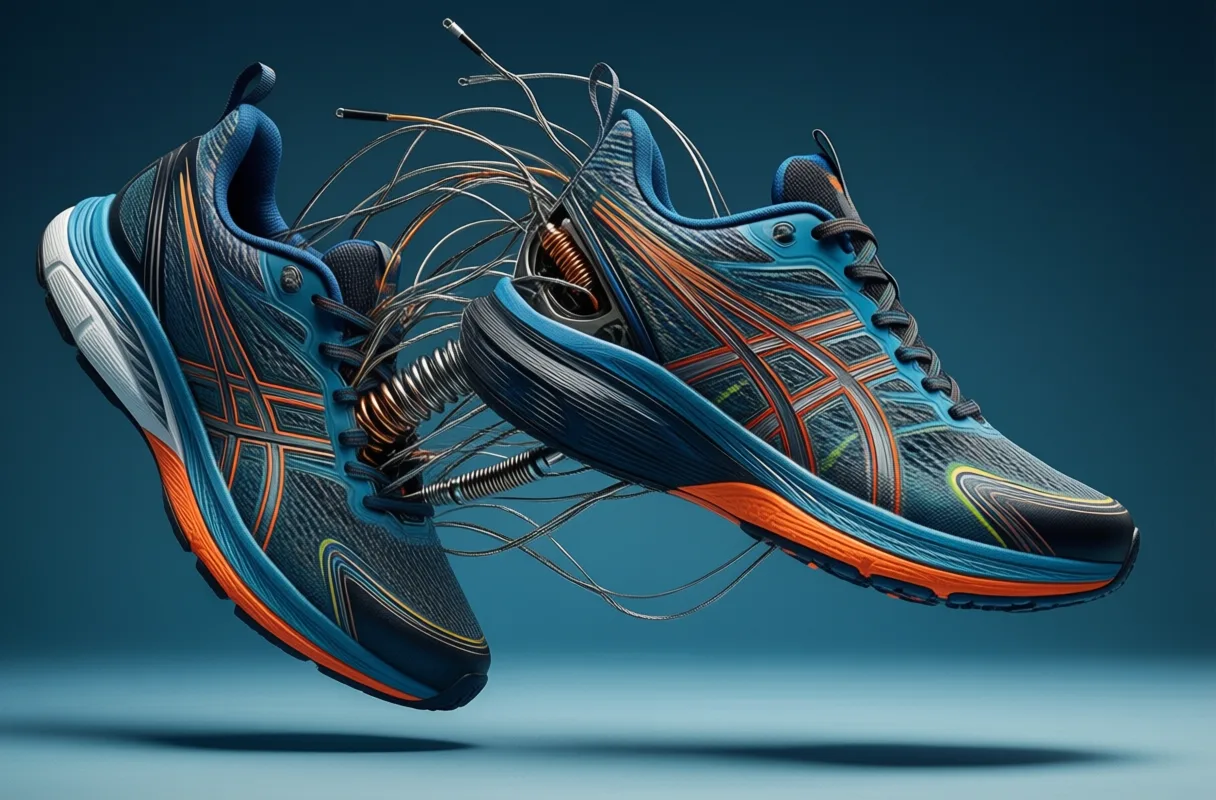
How Muscle Balance Shields Joints on Mile 18
Imagine your joints as hinges on a well-used door. If the frame is crooked or the screws are loose, every swing causes wear. But if the surrounding structure is solid, the hinge moves smoothly, year after year.
That’s what balanced strength does for your hips, knees, and ankles. When your quads aren’t overpowering your hamstrings, and your glutes fire as hard as your calves, your joints stay centered and protected.
Exercises like lunges, step-ups, and single-leg deadlifts train opposing muscle groups to work in harmony. This balance reduces rotational stress on the knee and prevents excessive inward collapse of the foot.
Over time, this symmetry becomes automatic-even when you’re tired. And that’s when it matters most: when your mind wants to quit, but your body holds its line.
Explosive Power Isn’t Just for Sprinters
You might not be racing 100 meters, but power matters on every run. Need to dodge a pothole? Surge past a competitor? Climb a steep incline in the final stretch? That’s explosive strength in action.
Plyometric drills-like box jumps, jump squats, and bounding-train your muscles to contract faster and with greater force. This isn’t about looking bulky; it’s about becoming spring-loaded.
Fast-twitch muscle fibers don’t just help sprinters-they help all runners respond to real-world demands. And the best part? These gains come without sacrificing endurance.
In fact, studies show that incorporating explosive work improves running economy-the amount of oxygen you use at a given pace. That means you go farther, faster, with less effort.
Stabilizer Strength: The Quiet Guardian of Efficient Strides
While big muscles grab attention, it’s the small stabilizers-the ones you can’t see in the mirror-that keep your stride smooth and efficient.
Think of your hip abductors, Deep core Fibers, and ankle stabilizers as the body’s internal suspension system. They absorb micro-imbalances with every step, keeping your pelvis level and your foot strike precise.
When these muscles are weak, your body wobbles slightly with each stride. That may not seem like much, but over 2,000 steps per mile, inefficiency adds up-like a car driving with misaligned wheels.
Bodyweight exercises like clamshells, single-leg stands, and controlled lunges build this quiet strength. And once activated, these muscles work silently in the background, mile after mile.
Stronger Tendons, Fewer Breakdowns
Tendons connect muscle to bone, and unlike muscles, they adapt slowly. But when properly challenged, they become thicker, more elastic, and far more resistant to strain.
Running alone doesn’t provide the right stimulus. Tendons need slow, controlled loading-like the eccentric phase of a heel drop or the hold at the bottom of a squat.
This kind of training increases collagen production, which is the building block of tendon strength. The result? Fewer cases of Achilles tendinopathy, patellar strain, and other overuse injuries.
And because tendons store and release energy like springs, stronger ones actually improve your bounce-making each stride feel lighter and more responsive.

Core Rigidity Translates to Late-Race Form Control
Your core is not just for show. It’s your body’s central command center, linking upper and lower halves into one powerful engine.
When you’re fresh, your posture stays tall, your arms drive cleanly, and your hips stay level. But fatigue changes everything. Without core rigidity, your torso sways, your shoulders round, and your stride shortens.
Planks, dead bugs, and anti-rotation presses train your core to resist movement-not create it. This stability keeps your pelvis neutral and your energy transfer efficient, even when you’re running on empty.
And that’s how you maintain form when others fall apart. A strong core doesn’t just protect your back-it protects your finish time.
Lifting Builds Bone Density That Pavement Can’t
Every footstrike sends force through your skeleton. Over time, that impact can either strengthen your bones-or break them.
Strength Training applies controlled, Progressive stress That signals your body to lay down more bone tissue. This is especially important for distance runners, whose repetitive motion can sometimes lead to decreased bone density.
Weight-bearing lifts like squats, deadlifts, and overhead presses stimulate bone growth in the hips, spine, and legs-areas most vulnerable to stress fractures.
And unlike soft tissue, bone adapts slowly. The earlier you start, the stronger your foundation becomes-protecting you for years to come.
Neuromuscular Gains That Unlock Faster Turnover
Running fast isn’t just about fitness-it’s about communication. The faster your brain can signal your muscles to fire, relax, and fire again, the quicker your legs turn over.
Strength Training improves this neuromuscular connection. Heavy lifts, even at low reps, teach your nervous system to recruit more muscle fibers at once.
This leads to crisper, more coordinated movement. Your feet hit the ground with precision, not slop. Your cadence stays high, even when fatigued.
And because this training enhances motor unit efficiency, you don’t need hours in the gym-just smart, focused work.

What to Do When Time Feels Too Tight for Weights
Let’s be real: runners are busy. Between long runs, intervals, and recovery, adding another session can feel impossible.
But Strength Training doesn’t have to mean two-hour gym marathons. Even 20 minutes, two to three times a week, delivers real benefits.
Focus on compound movements that work multiple muscles at once-squats, push-ups, rows, and hinges. Pair them with functional moves like the Farmer Carry: Top 5 Benefits for Strength Training to build full-body toughness.
And remember: consistency beats volume. Small, regular doses of resistance work add up faster than sporadic, exhausting sessions.
Designing a Minimalist Routine That Delivers
You don’t need a full gym to build resilience. Start with bodyweight, then add dumbbells or resistance bands as you progress.
A simple weekly plan could look like this:
- Day 1: Goblet squat, push-up, single-leg deadlift, plank (3 sets of 8–12 reps)
- Day 2: Step-up, inverted row, farmer carry, dead bug (3 sets of 8–12 reps)
- Day 3 (optional): Jump squat, overhead press, side plank, glute bridge (2–3 sets of 6–10 reps)
Progress by adding reps, slowing tempo, or increasing weight-following the principles in the Progressive Overload Guide For Beginner Strength Training Made Simple.
And for inspiration, study how warriors train-like Vinny Paz’s Insane 5 Training Secrets for Unbeatable Strength!, where grit meets discipline.
Beyond the Treadmill: Where Resilience Is Really Forged
The road doesn’t care how many miles you’ve run. It only responds to how prepared you are.
True resilience isn’t built in comfort. It’s forged in the weight room, in the burn of a final rep, in the wobble of a single-leg hold, in the quiet grind no one sees.
When you cross the finish line upright, strong, and smiling-know that it wasn’t just your legs that carried you. It was every lift, every drop, every choice to go beyond the run.
So step off the treadmill. Pick up the dumbbell. And build the body that won’t just finish-but dominate.
| Day | Exercises | Sets & Reps |
|---|---|---|
| Day 1 | Goblet squat, push-up, single-leg deadlift, plank | 3 sets of 8–12 reps |
| Day 2 | Step-up, inverted row, farmer carry, dead bug | 3 sets of 8–12 reps |
| Day 3 (optional) | Jump squat, overhead press, side plank, glute bridge | 2–3 sets of 6–10 reps |
Powering Strides: The Hidden Perks of Strength Work
Strength Isn't Just for Bodybuilders
Runners often think of Strength Training as bulky gym sessions far removed from the trail or track. But building muscle actually makes tendons and ligaments tougher, helping them handle the repeated pounding of each mile. This isn't about gaining size-it's about creating a sturdier frame that’s less likely to break down from overuse. Think of it like reinforcing the foundation of a house; the stronger it is, the better it withstands daily stress.
Small Gains, Big Returns
Just two short strength sessions per week can make a noticeable difference in how your body handles long runs. Exercises like squats, lunges, and planks don’t just build leg power-they improve coordination and balance, which means smoother form even when you're tired. That improved stability reduces wobble in your hips and knees, cutting down on the kind of strain that leads to common issues like IT band pain or runner’s knee.
Speed Lives in the Muscles
Stronger muscles contract faster and more efficiently, translating directly into quicker turnover on the run. When your glutes and hamstrings fire with more force, each stride propels you forward with less effort. That’s why many elite runners spend as much time lifting as they do logging miles-the power built in the weight room turns into free speed on race day. It’s not magic; it’s mechanics working in your favor. Explore more stories, videos, and creators on Loaded.
Frequently Asked Questions
Why should runners do Strength Training?
Strength Training builds injury resilience and speed by improving muscle balance, joint stability, and neuromuscular efficiency. It helps runners handle the demands of running with less risk of breakdown.
Can Strength Training improve running performance without adding bulk?
Yes, Strength Training enhances power, running economy, and stride efficiency without causing unwanted bulk. It focuses on functional strength and fast-twitch muscle activation.
How often should runners do strength workouts?
Runners can see benefits with just 20 minutes of Strength Training two to three times per week. Consistency with compound and functional movements delivers real results.
Does Strength Training help prevent common running injuries?
Yes, it reduces injury risk by strengthening tendons, balancing muscles around joints, and supporting proper form. This helps prevent issues like IT band pain, Achilles tendinopathy, and stress fractures.
This article was produced with AI assistance. How Chiseled Magazine uses AI.
Cassia explores the science and culture of fueling the body, from macronutrient timing to sustainable eating habits. She blends biochemical insight with real-world practicality, helping readers make smarter food choices without sacrificing enjoyment or balance.