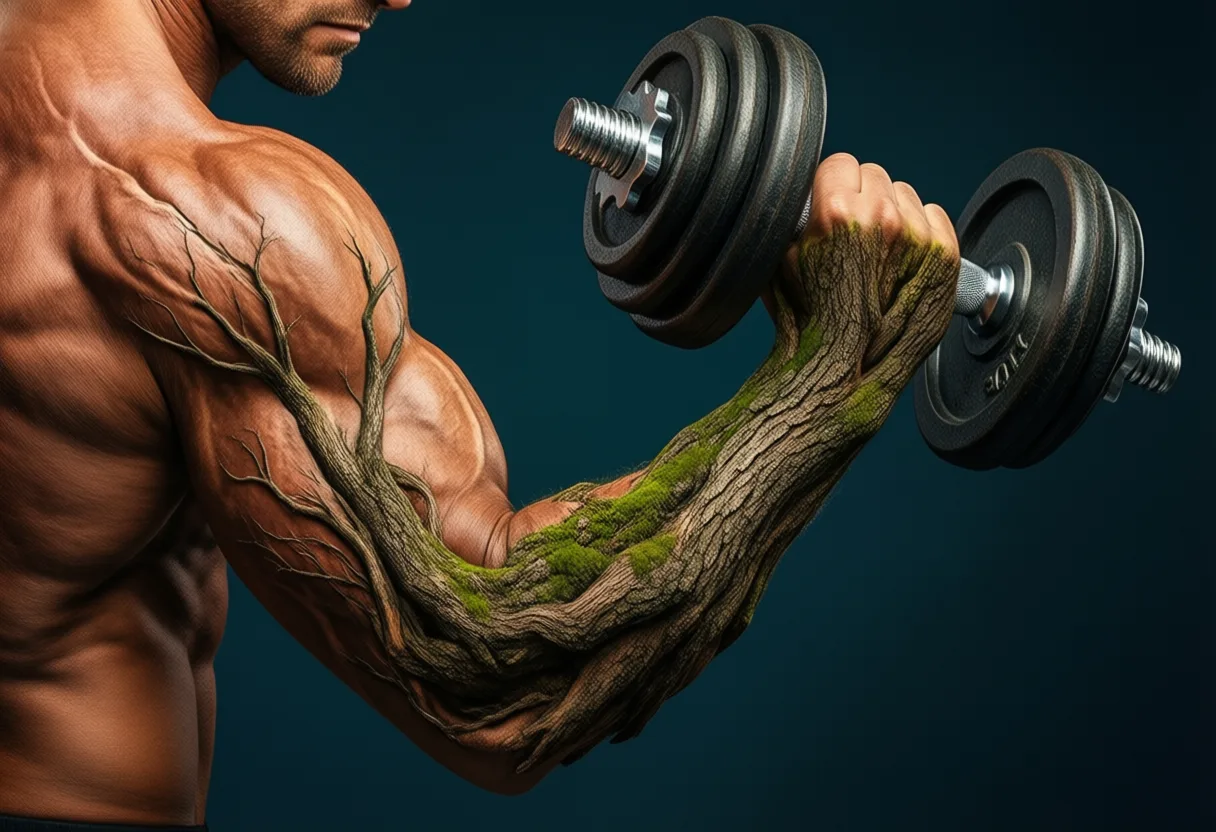
Your arms don’t lie. Every push, lift, and reach reveals how much attention you’ve paid to balance-not just biceps. While most home lifters chase curls in the mirror, the real key to Powerful, defined arms often hides behind the scenes: the triceps.
Neglected but never inactive, these three-headed muscles make up nearly two-thirds of your Upper arm. Ignoring them doesn’t just limit your strength-it creates imbalances that can undermine everything from daily function to long-term joint health. Whether you're opening a stiff jar or hoisting groceries, the triceps are working, often without credit.
And the good news? You don’t need a Full gym To train them effectively. With just a pair of dumbbells and consistent effort, you can build functional strength and noticeable definition from your living room.
Why Tricep Training Matters for Balanced Arm Strength
Most people think of arm strength as bicep strength. But that’s like judging a car by its headlights alone. The triceps, with their three distinct muscle heads, dominate the Back Of your upper arm and play a far greater role in overall arm power than their more celebrated front-side counterparts.
When you press, push, or extend your arms-whether it’s getting up from a chair or doing a push-up-your triceps take the lead. They’re not just for show; they’re biomechanical workhorses. Skimp on tricep training, and you’re leaving strength, stability, and symmetry on the table.
That’s why a smart arm routine doesn’t just include tricep work-it prioritizes it. Without balanced development, you risk creating muscle imbalances that can lead to shoulder strain or elbow discomfort over time. A well-trained triceps not only improves performance but also supports joint integrity.
The Hidden Role of the Triceps in Everyday Movement
You might not think about your triceps when you reach for a coffee mug or push open a door. But every time your elbow straightens, your triceps are in charge. This makes them critical for functional strength-especially as we age and natural mobility begins to decline.
From lifting a child to stabilizing yourself on a wobbly surface, the triceps act as stabilizers and movers in countless daily actions. Their involvement in pushing motions means they’re Active In everything from getting off the couch to carrying laundry up the stairs.
Even low-effort tasks become harder when triceps weaken. And because modern life favors flexion-typing, driving, scrolling-we often end up in a constant state of elbow bending, which further neglects the extensors. Over time, this imbalance can lead to postural drift and reduced range of motion.
Building tricep strength isn’t just about aesthetics. It’s about reclaiming control over your body’s mechanics and ensuring you stay capable, agile, and independent.
What You Need to Get Started at Home
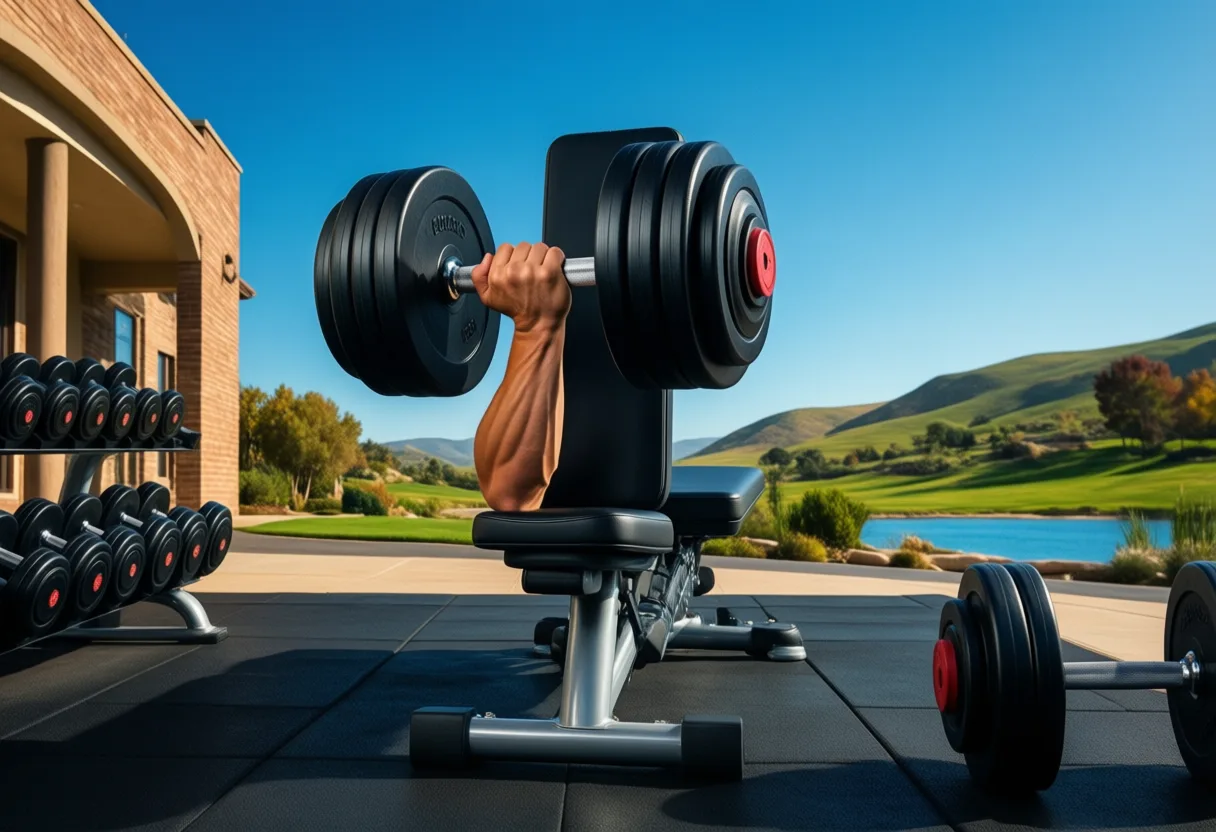
You don’t need a warehouse of equipment to train your triceps effectively. In fact, one tool does most of the heavy lifting: the adjustable dumbbell. Compact, versatile, and easy to store, it’s the cornerstone of any serious home workout.
A sturdy bench or chair provides support for Seated And lying variations. If you don’t have one, a firm couch or even the edge of a bed can work in a pinch-just ensure it won’t slide or collapse under pressure.
Good form matters more than weight. That means starting light, focusing on control, and mastering movement patterns before adding resistance. A mirror or phone camera can help you self-correct without needing a trainer on-site.
For more guidance on setting up your space and choosing the right movements, check out our guide to Dumbell Tricep Exercises For Stronger Arms At Home.
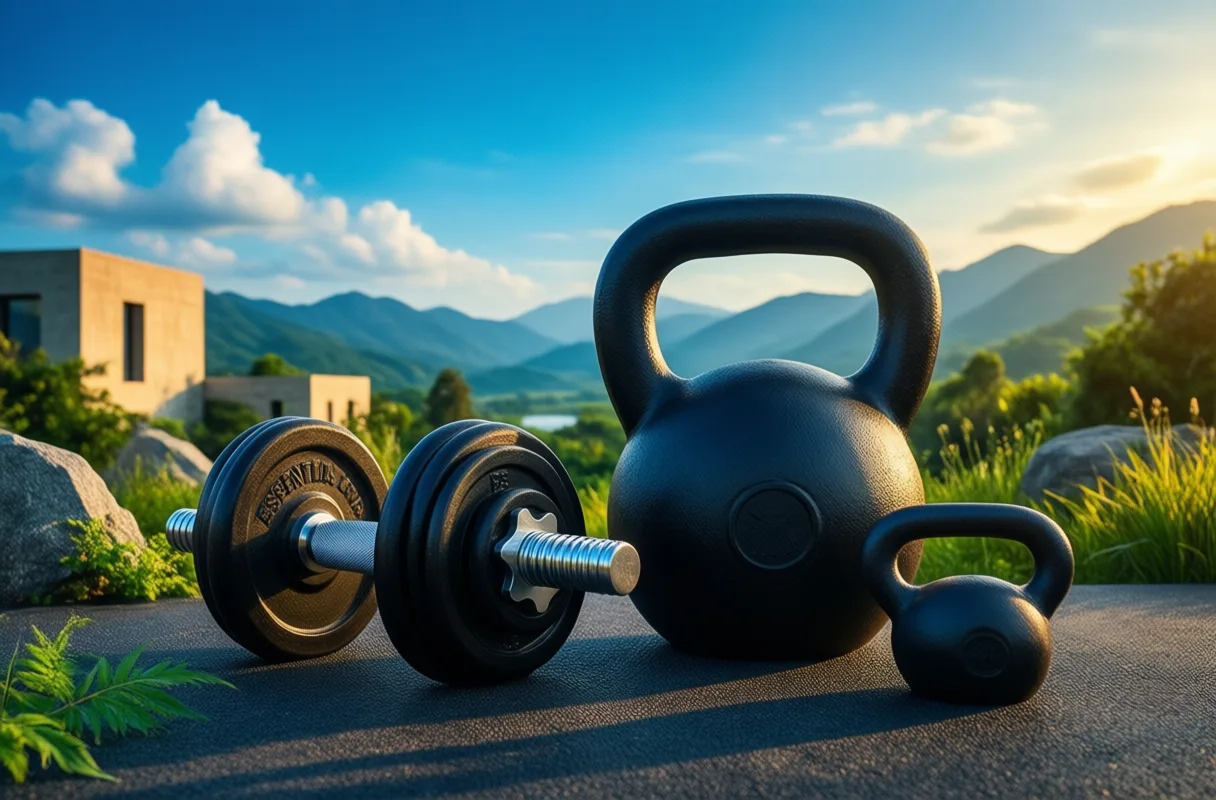
Essential Equipment for Effective Dumbbell Workouts
The beauty of dumbbell training lies in its simplicity. You’re not locked into a machine’s path-you control the motion, which builds strength and coordination simultaneously. But the right gear makes all the difference.
An adjustable dumbbell set saves space and lets you scale resistance quickly. Look for models with secure locking mechanisms and ergonomic grips. If you’re just starting, fixed-weight pairs in light to moderate ranges (5–20 lbs) can also work well.
A flat or slightly padded bench supports proper alignment during extensions and presses. Stability is key-wobbly furniture compromises form and increases injury risk. If you’re doing floor-based moves like skull crushers, a yoga mat adds comfort and prevents slipping.
For structured routines and progression tips, our Dumbell Tricep Workouts For Stronger Arms At Home offers step-by-step plans tailored to different fitness levels.
7 Dumbbell Exercises for Powerful, Defined Triceps
These seven movements target the triceps from multiple angles, ensuring full development across all three heads. Perform them with control, not speed, and focus on the muscle doing the work-not momentum.
1. Overhead Tricep Extension
Sit or stand with feet shoulder-width apart. Hold one dumbbell with both hands and press it overhead. Slowly lower the weight behind your head, keeping elbows close and pointing upward. Extend back to the start position with full control.
This movement emphasizes the long head of the triceps, which contributes significantly to upper-arm thickness. It also stretches the muscle under load, a key trigger for growth.
Keep your core engaged to avoid arching your lower back, especially as the weight increases.
2. Seated Dumbbell Kickback
Sit on a bench with one knee and hand braced for support. Hold a dumbbell in the opposite hand, keeping your upper arm parallel to the floor. Extend your forearm straight back, squeezing the triceps at the top.
This isolation move targets the lateral head, enhancing definition and peak contraction. It’s easy to cheat with momentum, so keep the movement small and precise.
Use lighter weights and higher reps for best results.
3. Lying Tricep Extension (Skull Crusher)
Lie on a bench or the floor with a dumbbell in each hand. Press them up over your chest, arms fully extended. Lower the weights slowly toward your forehead, keeping elbows in place. Reverse the motion to return to the start.
Despite the ominous nickname, this exercise is safe when done correctly. It allows a deep stretch and strong contraction across all three triceps heads.
Avoid flaring elbows or letting weights drift behind your head to protect your shoulders.
4. Standing Dumbbell Press with Tricep Focus
Stand with feet hip-width apart, core tight. Press dumbbells from shoulder height to full extension overhead. At the top, pause and actively squeeze your triceps before lowering with control.
The press is a compound movement, but finishing with tricep intent turns it into a dual-purpose lift. It builds shoulder strength while reinforcing triceps engagement.
Keep your ribs down and avoid hyperextending your spine at the top.
5. Bent-Over Tricep Kickback
Hinge at the hips, back flat, chest up. Hold a dumbbell in each hand, elbows bent at 90 degrees. Extend arms straight back, focusing on using only the triceps. Return slowly.
This variation increases time under tension and improves mind-muscle connection. It’s especially useful for refining control and correcting imbalances between arms.
Go light-this isn’t about how much you lift, but how well you feel it.
6. Single-Arm Overhead Extension
Sit with one hand braced on your knee. Hold a dumbbell in the other hand and extend it overhead. Lower behind your head, then extend fully, keeping the elbow close to your ear.
The unilateral nature of this move exposes weaknesses and prevents stronger arms from compensating. It also allows greater range of motion than two-handed versions.
Use a weight that challenges you through all reps without sacrificing form.
7. Close-Grip Dumbbell Press
Lie on your back with dumbbells held at chest level, hands close together. Press upward, keeping elbows tucked. At the top, the dumbbells should be nearly touching.
This press shifts emphasis from the chest to the triceps by narrowing the hand position. It builds pressing power while sculpting the back of the arm.
Don’t let the weights drift outward-control is everything.
Common Form Mistakes That Undermine Results
Even with the right exercises, poor form can turn a productive session into wasted effort-or worse, an injury risk. The most common mistake? Using momentum instead of muscle.
Swinging the weights, arching the back during extensions, or flaring elbows during presses all reduce triceps activation. They also increase stress on joints, especially the shoulders and elbows.
Another issue is partial range of motion. Cutting reps short-especially at the bottom of an extension-robs you of the full stretch and contraction needed for growth.

How to Avoid Injury While Maximizing Muscle Engagement
Start every session with light warm-up sets to prep the elbows and shoulders. These joints aren’t built for heavy shear forces, so gradual loading is essential.
Focus on tempo: lower weights slowly (3–4 seconds), pause at the bottom, then press with control. This increases time under tension and keeps the triceps engaged.
Brace your core during seated and standing moves to stabilize your spine. A neutral pelvis and flat back prevent compensatory arching that can lead to discomfort.
Adjusting Intensity for Beginners and Advanced Lifters
New lifters should start with lighter weights and master form before progressing. Two to three sets of 10–15 reps per exercise is a solid starting point. The goal is consistency, not immediate intensity.
As strength improves, gradually increase weight, reps, or sets-but only one variable at a time. This prevents overload and allows your tendons and joints to adapt alongside your muscles.
Advanced lifters can incorporate techniques like drop sets, slow negatives, or supersets with push-ups to increase demand. But even then, form remains non-negotiable.
Scaling Reps, Sets, and Weight Safely at Home
Beginners: Start with bodyweight or 5–10 lb dumbbells. Perform 2–3 sets of 10–12 reps per exercise, 2–3 times per week. Rest 60–90 seconds between sets.
Intermediate: Increase weight and aim for 3–4 sets of 8–12 reps. Add one extra session per week or increase time under tension with slower tempos.
Advanced: Use heavier loads, incorporate pauses, or reduce rest to 45 seconds for metabolic stress. Consider training triceps twice weekly with varied volume.
Always listen to your body. Joint pain isn’t a sign of progress-it’s a warning.
Why Consistency Beats Complexity in Arm Training
You don’t need exotic equipment or viral workout hacks to build strong arms. What you need is regular effort, proper form, and patience. The most effective routines are often the simplest.
Overcomplicating your training leads to confusion, burnout, or injury. Stick to proven movements, track your progress, and show up-even on days you don’t feel like it.
Muscle isn’t built in a day. It’s built in the repetition of good choices, week after week.
Building Long-Term Strength Without Fancy Gear
The best home gym isn’t the most expensive-it’s the one you use consistently. With just dumbbells and a bench, you can hit every angle of the triceps with precision and purpose.
Progress isn’t measured by how much you spend, but by how well you execute the basics over time. Show up, lift with intent, and let the results follow.
Strength is earned, not bought.
Putting It All Together: A Sample Weekly Tricep Routine
Here’s a balanced plan to build tricep strength at home, scalable for all levels:
Day 1 (Full Triceps Focus):
- Overhead Tricep Extension: 3 sets of 10–12 reps
- Lying Tricep Extension: 3 sets of 10 reps
- Bent-Over Kickback: 2 sets of 12 per arm
Day 3 (Push Emphasis):
- Standing Dumbbell Press: 3 sets of 10
- Close-Grip Dumbbell Press: 3 sets of 8–10
- Seated Dumbbell Kickback: 2 sets of 12
Day 5 (Finisher & Isolation):
- Single-Arm Overhead Extension: 3 sets of 10 per arm
- Skull Crusher (light): 2 sets of 12 with slow tempo
Rest at least one day between sessions. Adjust weight so the last few reps are challenging but clean.
Your Simple Path to Stronger, More Functional Arms
Strong arms aren’t just about looking good in a T-shirt. They’re about moving through life with power, confidence, and resilience. And the triceps are the unsung heroes of that journey.
You don’t need a gym membership or a rack of machines. Just dumbbells, discipline, and a willingness to do the work-especially the work no one sees.
Start today. Master the basics. Build arms that don’t just look strong-but Are Strong.
| Day | Exercises | Sets & Reps |
|---|---|---|
| Day 1 | Overhead Tricep Extension, Lying Tricep Extension, Bent-Over Kickback | 3x10–12, 3x10, 2x12 per arm |
| Day 3 | Standing Dumbbell Press, Close-Grip Dumbbell Press, Seated Dumbbell Kickback | 3x10, 3x8–10, 2x12 |
| Day 5 | Single-Arm Overhead Extension, Skull Crusher (light) | 3x10 per arm, 2x12 slow tempo |
Building Bigger Arms with Just Dumbbells
Why the Triceps Rule Arm Strength
Most people chasing bigger arms focus on biceps, but here’s the twist: your triceps make up about two-thirds of your upper arm. That means if you're not training them, you're missing the bulk-literally-of arm development. A simple pair of dumbbells is all you need to target this powerhouse muscle right at home, no gym required.
Fun Facts That Pack a Punch
The triceps brachii has three distinct heads-the long, lateral, and medial-hence the name "tri"ceps. Exercises like overhead extensions and kickbacks hit each head slightly differently, which is why mixing up your movements leads to balanced growth. Ever tried a lying triceps extension? It’s sometimes called the “French press,” a quirky name with murky origins, possibly linked to French athletes or chefs mimicking the motion of pressing coffee.
Using just one dumbbell for two-arm exercises, like holding a single weight overhead with both hands, can actually improve stability and force each arm to contribute equally. And here’s a pro tip: lowering the weight slowly during extensions increases time under tension, which boosts muscle growth more than rushing through reps. No fancy gear, no noise-just solid results from smart, simple moves. Explore more stories, videos, and creators on Loaded.
Frequently Asked Questions
Why are triceps important for arm strength?
The triceps make up nearly two-thirds of the upper arm and play a greater role in overall arm power than the biceps. They lead in pressing, pushing, and extending movements, contributing to strength, stability, and symmetry.
What equipment is needed for tricep dumbbell exercises at home?
An adjustable dumbbell set, a sturdy bench or chair, and optionally a yoga mat for floor exercises. A mirror or phone camera can help monitor form.
What are effective dumbbell exercises for the triceps?
Overhead tricep extension, seated dumbbell kickback, lying tricep extension (skull crusher), standing dumbbell press with tricep focus, bent-over kickback, single-arm overhead extension, and close-grip dumbbell press target all three heads of the triceps.
How can beginners safely start tricep training at home?
Beginners should start with light weights (5–10 lbs), perform 2–3 sets of 10–12 reps, train 2–3 times per week, and focus on form, control, and full range of motion before increasing intensity.
This article was produced with AI assistance. How Chiseled Magazine uses AI.
Jin-ho examines how fitness integrates into daily life and evaluates performance gear with a critical eye. He investigates recovery tools, wearable tech, and routines that bridge gym gains with real-world resilience, always prioritizing function over hype.