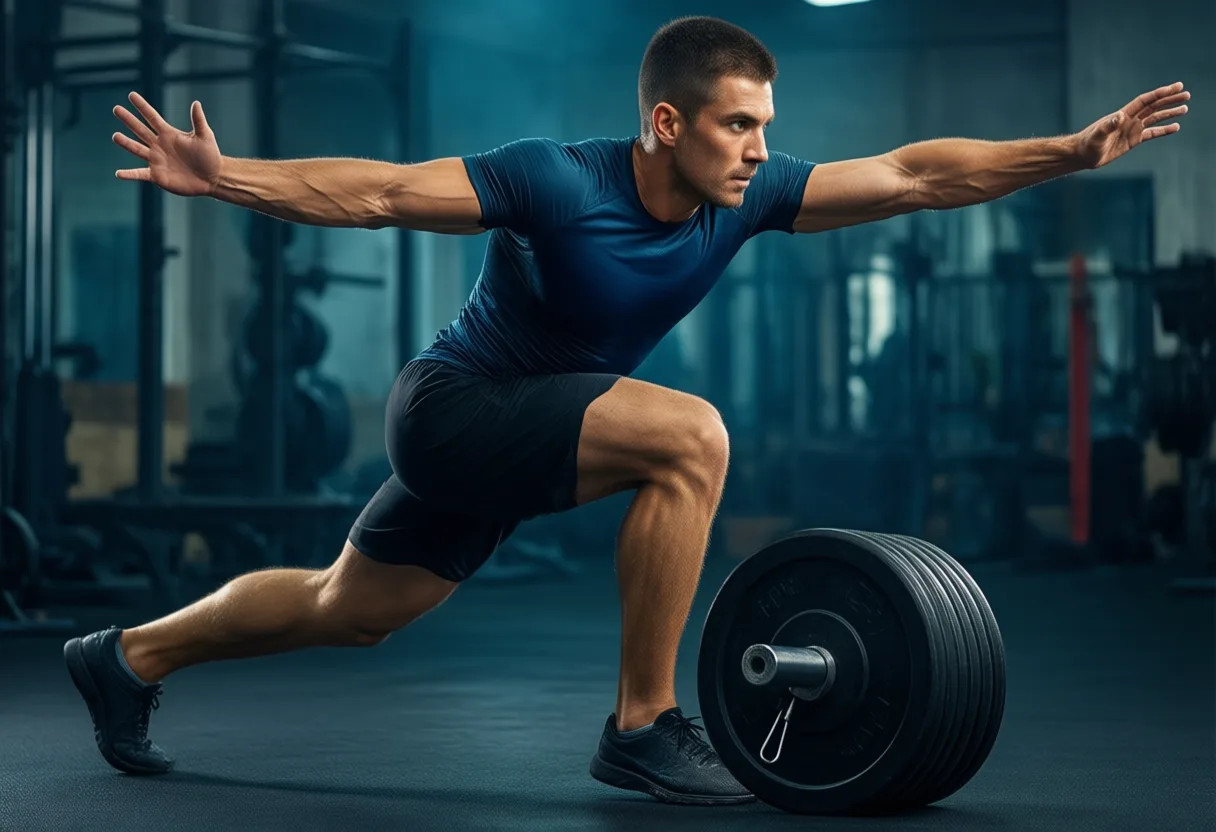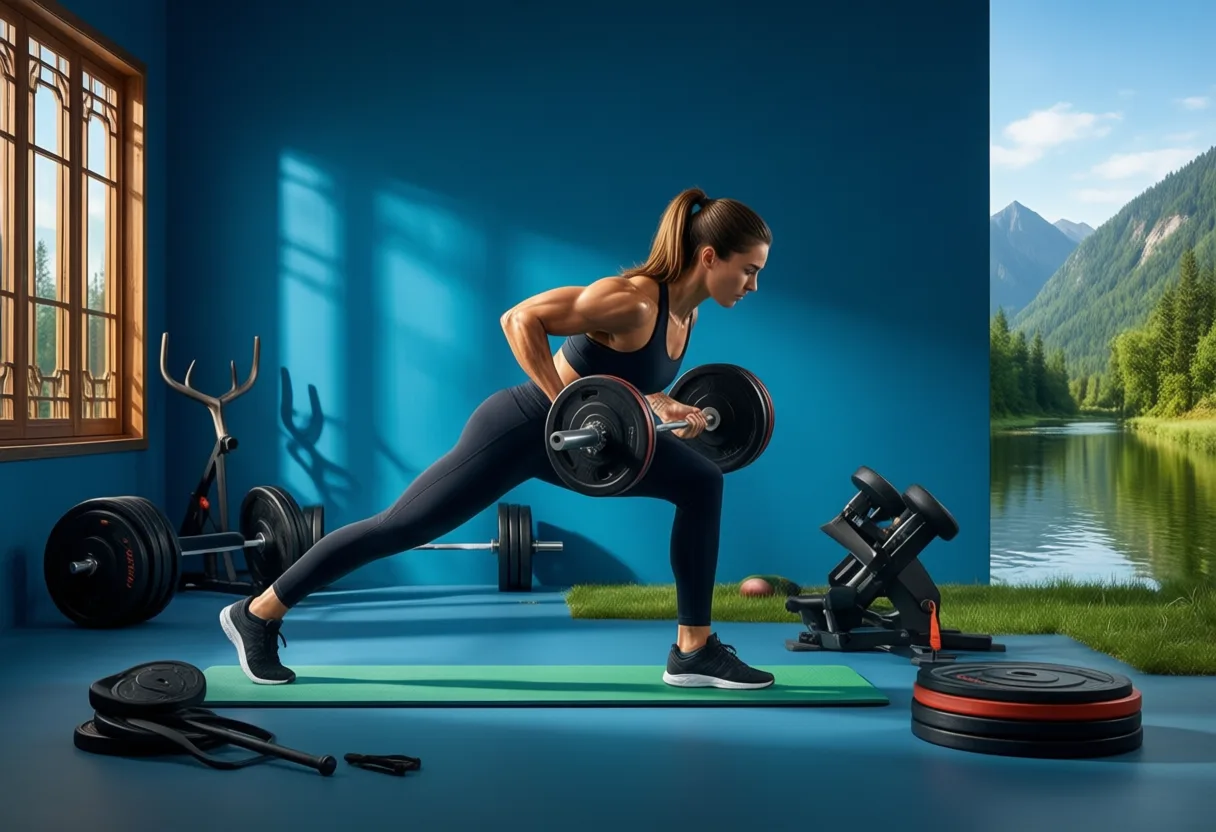
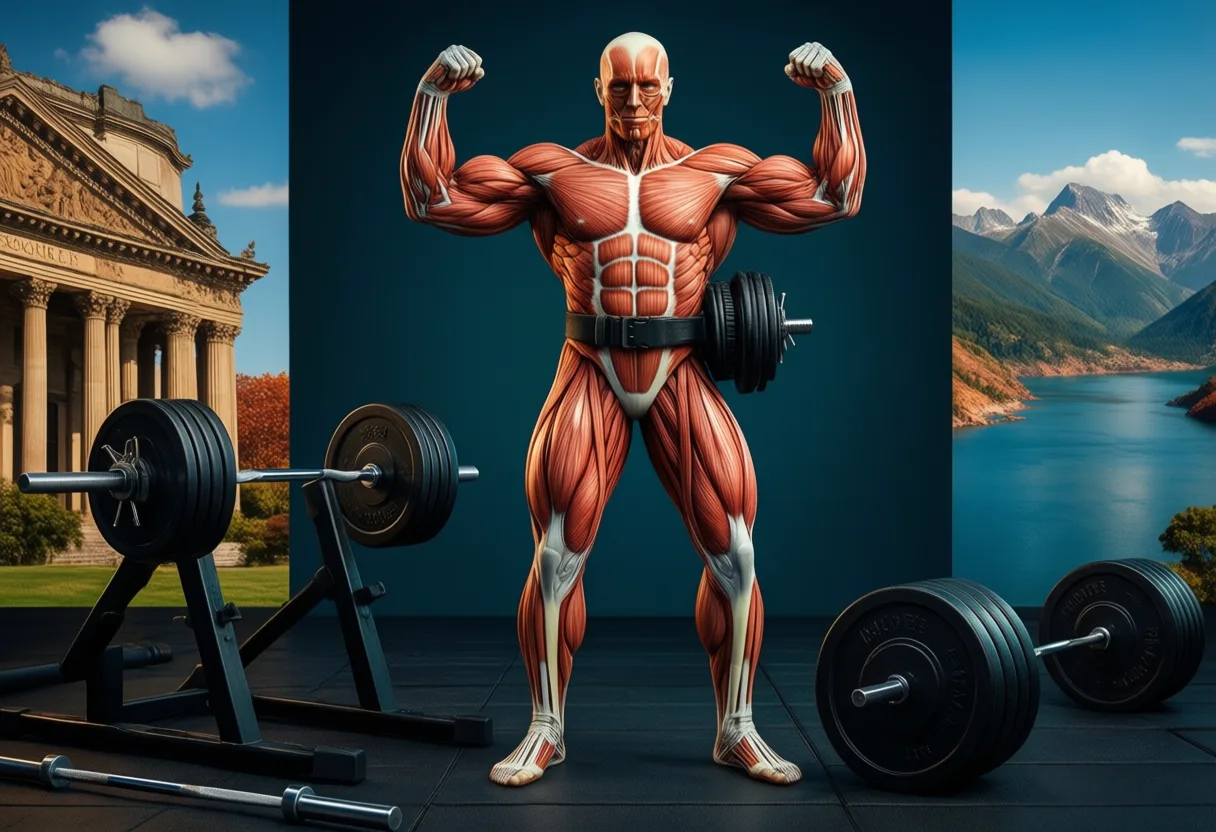
You’ve felt it-the deep burn in your quads during a Heavy squat, the electric pull across your back on a deadlift, the satisfying tension in your chest as you press the bar skyward. These aren’t just sensations-they’re signals from your muscles, firing in precise sequences, responding to every angle, grip, and breath. Understanding how your body activates muscle groups during strength training isn’t just science-it’s the key to unlocking a stronger, leaner, more powerful version of yourself.
Imagine sculpting your physique not by guesswork, but by design-knowing exactly which movements ignite your glutes, which tweaks maximize chest engagement, and how to make every rep count. That’s the power of tuning into Muscle activation, the invisible engine behind every gain, every shred of definition, every inch of growth.
How Your Muscles Work Together During Lifts
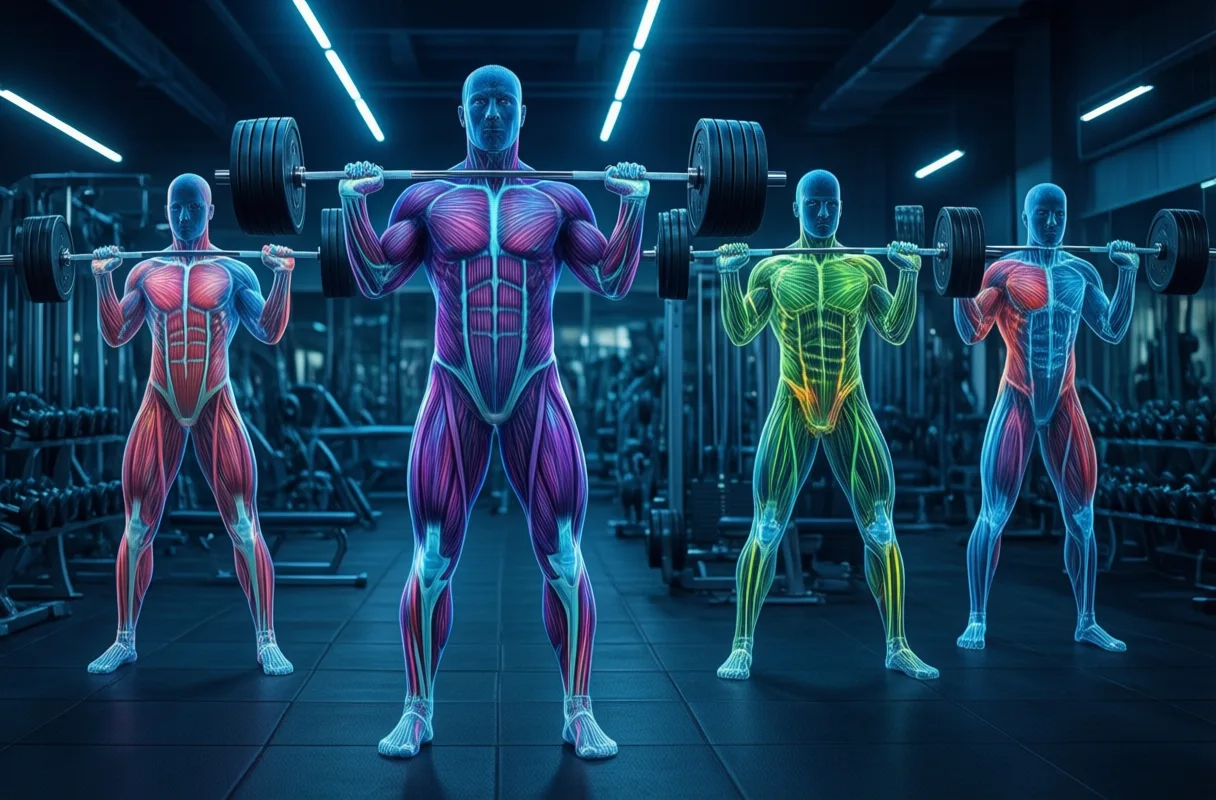
Strength isn’t built in isolation-it’s a symphony of muscle groups communicating, stabilizing, and driving force through your body. When you perform a compound movement like the squat, your brain doesn’t just “turn on” your legs. It recruits the glutes, quads, and hamstrings as prime movers, while your core braces like a steel cylinder and your spinal erectors work silently to keep you upright.
Your body is wired for efficiency. Smaller stabilizing muscles-like the rotator cuff during an overhead press or the tibialis anterior in a lunge-may not bulge in the mirror, but they’re essential for safe, Powerful performance. Neglect them, and you risk imbalances; train them with intention, and you build resilience.
Even grip strength plays a role far beyond the hands. During a deadlift, your forearms lock onto the bar, but that tension travels up your arms, engaging the brachialis, brachioradialis, and lats, creating full-body tension. That’s why carrying heavy loads-like in the Farmer Carry: Top 5 Benefits for Strength Training-isn’t just about endurance. It’s functional strength training at its finest, lighting up your traps, core, and grip in one primal movement.
- Compound lifts activate multiple muscle groups simultaneously
- Stabilizer muscles support joints and improve movement efficiency
- Grip and core engagement enhance overall muscle recruitment
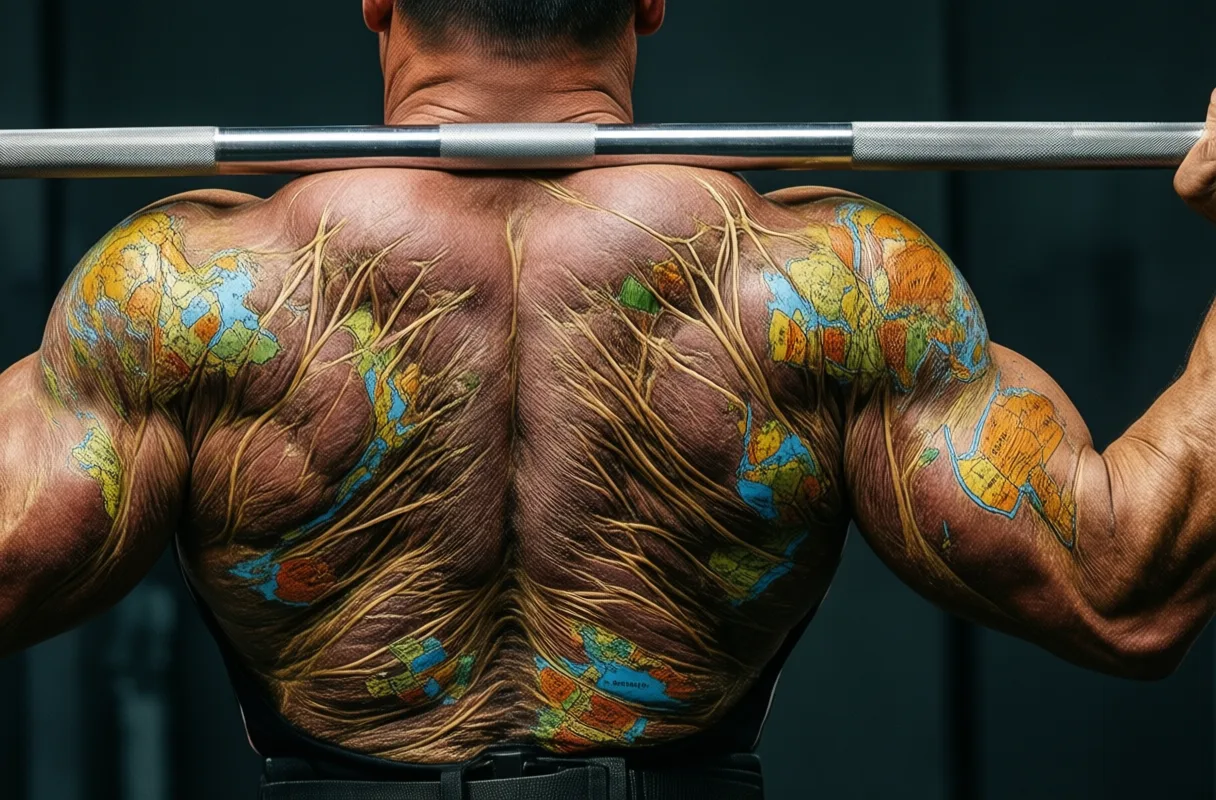
Maximize Gains With Targeted Movement Patterns
You don’t need endless sets or Flashy machines To grow. You need precision. Small adjustments in form-like widening your stance on a squat or changing your grip on a pull-up-can dramatically shift which muscles do the work. Flaring your elbows on a bench press? That hits the chest harder. Tucking them? You’re recruiting more triceps and front delts.
Tempo matters just as much as weight. Lowering slowly during the eccentric phase of a lift increases time under tension, a proven driver of muscle growth. And when you explode upward, you tap into fast-twitch fibers-the ones responsible for power and size.
Think of your training like architecture. Every rep is a brick. Every set, a wall. To Build A fortress of muscle, you need a blueprint. That’s where principles like Progressive Overload Guide For Beginner Strength Training Made Simple Come in-helping you steadily increase demand on your muscles so they’re forced to adapt, grow, and become stronger.
- Adjust hand or foot placement to shift muscle emphasis
- Control the tempo to increase time under tension
- Gradually increase weight, reps, or sets to force adaptation
Train Like a Warrior: Lessons From the Strongest
Some athletes don’t just train-they fight for every rep. Take fighters like Vinny Paz, whose relentless work ethic and full-body strength transformed him into a powerhouse inside and outside the ring. His approach wasn’t about isolation; it was about total-body dominance, mental grit, and training movements, not just muscles.
His secrets? Brutal consistency, explosive power work, and an unshakable belief in the process. You don’t need to step into a boxing ring to adopt that mindset. You just need to show up, challenge your limits, and trust that every drop of sweat is reshaping your body.
Whether you’re pushing a sled, swinging a kettlebell, or grinding through a heavy set of rows, channel that warrior energy. Train with purpose, with fire, with the knowledge that your muscles are responding to every decision you make. And when the grind gets tough, remember: greatness isn’t born in comfort. It’s forged in the fire of effort.
For more inspiration, dive into Vinny Paz’s Insane 5 Training Secrets for Unbeatable Strength! And bring that champion mentality to your next workout.

Build the Body You’ve Always Wanted-One Rep at a Time
There’s no magic pill, no shortcut to a chiseled physique. But there is a method-a science-backed, sweat-tested path that leads to real results. It starts with understanding how your body moves, how muscles fire, and how to use that knowledge to your advantage.
You’re not just lifting weights. You’re sending signals to your nervous system, triggering adaptations that build strength, burn fat, and reveal the lean, powerful frame beneath. Every workout is a conversation with your body-and the more you listen, the more it responds.
So train smart. Train hard. And train with intention. Whether you’re chasing a ripped six-pack, broader shoulders, or raw strength that turns heads, the power is already in your hands. Now go lift like you mean it.
How Your Muscles Talk During Workouts
The Hidden Language of Muscle Fibers
Ever wonder why some exercises feel like they hit just the right spot? It’s because your muscles aren’t firing all at once-they activate in patterns, almost like a choreographed dance. Different parts of a muscle light up depending on the movement. For example, during a squat, the front of your quadriceps works harder when you start standing up, while the upper glutes kick in more when you drive through your hips. This selective activation helps prevent overuse and spreads the workload.
When One Muscle Plays Multiple Roles
Some muscles don’t stick to one job-they multitask. Take the biceps brachii: most people think of it as just a elbow flexor, but it also helps rotate your forearm so your palm faces up. That’s why hammer curls (palms facing in) activate the forearm muscles more than standard curls. Similarly, the pectoralis major isn’t just for chest presses-it helps stabilize your shoulder during overhead movements, even if you’re not doing a single bench press.
Stability Isn’t Just for Core Exercises
You might associate core activation with planks or sit-ups, but your stabilizer muscles are working overtime in nearly every lift. During a simple dumbbell shoulder press, it’s not just your delts pushing upward-your rotator cuff, lower traps, and even deep core muscles are firing to keep the joint steady. These smaller muscles don’t always bulge in the mirror, but they’re essential for smooth, injury-free movement. Ignoring them is like revving a car engine without checking the suspension. Explore more stories, videos, and creators on Loaded.
Frequently Asked Questions
What muscles are activated during a squat?
The glutes, quads, and hamstrings act as prime movers during a squat. The core braces to stabilize the body, and spinal erectors help maintain an upright position.
How does grip affect muscle activation in strength training?
Grip strength engages the forearms and activates the brachialis, brachioradialis, and lats during lifts like the deadlift. It contributes to full-body tension and overall muscle recruitment.
Can changing hand or foot placement shift muscle emphasis?
Yes, widening your stance on a squat or changing your grip on a pull-up can dramatically shift which muscles do the work. Flaring elbows on a bench press increases chest engagement.
Why are stabilizer muscles important in strength training?
Stabilizer muscles support joints and improve movement efficiency. They are essential for safe, powerful performance and prevent imbalances that could lead to injury.
This article was produced with AI assistance. How Chiseled Magazine uses AI.
Cassia explores the science and culture of fueling the body, from macronutrient timing to sustainable eating habits. She blends biochemical insight with real-world practicality, helping readers make smarter food choices without sacrificing enjoyment or balance.