

Strength training Isn’t just about building muscle or chasing a shredded physique-though let’s be honest, those are solid side effects. It’s about staying functional, independent, and resilient as the years stack up.
You don’t need to be a pro athlete to benefit from lifting weights. In fact, the most powerful results show up quietly over time: stronger joints, sharper balance, better posture, and a metabolism that doesn’t flatline by your 40s. The real win? Being able to Carry groceries, play with your kids, or hike a mountain trail without feeling like your body’s betraying you halfway through.
And no, you won’t wake up looking like a bodybuilder unless that’s exactly what you’re doing, eating, and sleeping for. Most people simply gain lean mass, Improved energy, and a more confident stance in both gym clothes and business casual.
Why Strength Training Pays Off Decades Later
Most fitness trends come and go like seasonal podcasts. But Strength training Sticks around because it delivers measurable, long-term returns-especially when it comes to aging well. Unlike cardio-only routines, resistance work directly combats muscle loss, which naturally begins in your 30s and accelerates after 50.
Maintaining muscle mass is one of the strongest predictors of long-term health, not just for appearance but for survival. Stronger muscles support Joint stability, reduce injury risk, and improve recovery from illness or surgery. Think of muscle as your body’s insurance policy-it pays out when you need it most.
Studies consistently show that people who engage in regular strength training have lower rates of chronic conditions like type 2 diabetes, osteoporosis, and heart disease. They also report better sleep, improved mood, and greater cognitive function as they age. This isn’t speculative-it’s what happens when you treat your body like a machine worth maintaining.
- Muscle supports metabolic health by increasing insulin sensitivity
- Resistance work strengthens connective tissues and bones
- Functional strength improves balance and reduces fall risk in older adults
It’s not about maxing out on deadlifts every week. It’s about consistency, smart progression, and movements that translate to real life. Whether it’s getting up from a chair, climbing stairs, or lifting a suitcase into an overhead bin, these are all acts of strength.
And if you're wondering where to start, Consider simple, full-body movements like squats, push-ups, and loaded carries. The Farmer Carry: Top 5 Benefits for Strength Training breaks down how this underrated exercise builds grip, core stability, and overall work capacity-without needing fancy equipment.
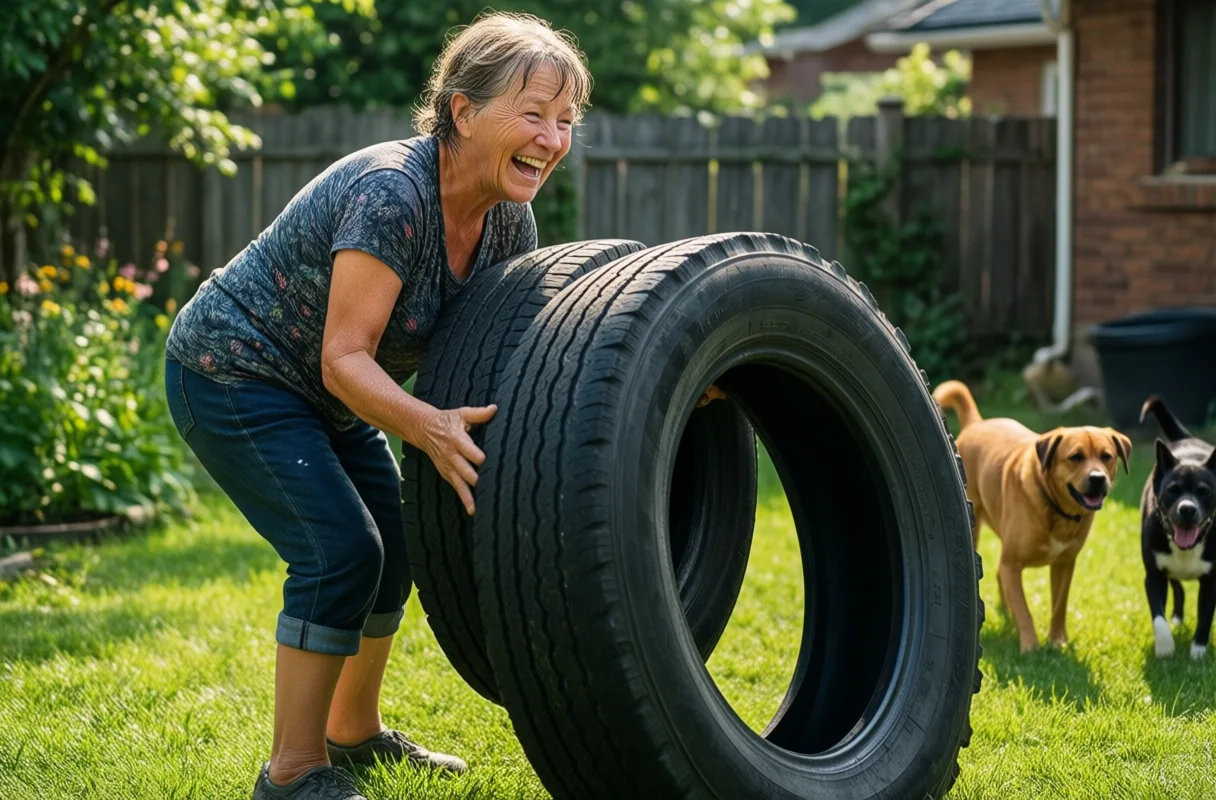
Building a Body That Lasts (Not Just Looks Good)
Let’s talk honestly: aesthetics matter. Looking good naked is a legitimate motivation. But the deeper reward is building a body that performs, endures, and adapts. That means prioritizing exercises that create functional strength-not just mirror-friendly poses.
Too many beginners jump into complex routines they saw on social media, only to burn out or get hurt. The smarter path? Master the basics and apply Progressive overload-gradually increasing weight, reps, or intensity over time. This principle is the backbone of real progress, whether you’re aiming for size, strength, or endurance.
The Progressive Overload Guide For Beginner Strength Training Made Simple lays out how to do this without guesswork. No spreadsheets required-just steady effort, tracking your lifts, and showing up even when you don’t feel like it.
Consider the chest press, a foundational upper-body movement. When performed correctly, it does more than build a strong chest. The Benefits Of Chest Press Include Upper Body Strength And Improved Posture explains how this lift reinforces shoulder alignment and counters the slouching effects of desk life.
- Builds pressing strength critical for daily activities
- Enhances postural muscles often weakened by sitting
- Can be scaled using dumbbells, machines, or bodyweight
Mobility follows strength. You can stretch all day, but if your muscles lack the strength to hold proper positions, flexibility gains won’t stick. Strength creates the stability needed for fluid, pain-free movement.
Even legendary toughness has roots in structured training. Take a look at how discipline shapes power in Vinny Paz’s Insane 5 Training Secrets for Unbeatable Strength!. It’s not just about brute force-it’s routine, resilience, and repetition that forge durability.
Making Strength Training Sustainable for Life
The biggest mistake people make isn’t lifting too heavy-it’s quitting too soon. Motivation fades. Goals shift. Injuries happen. That’s why sustainability beats intensity in the long run.
Choose movements you can stick with for years, not just six weeks. Focus on form, recovery, and enjoyment. If you dread every session, it’s not a program-it’s punishment. And punishment doesn’t scale.
Consistency beats perfection. Three moderate sessions per week, done regularly, will always outperform six brutal workouts followed by two months off due to soreness or injury.
Here’s what works:
- Train major movement patterns: push, pull, hinge, squat, carry
- Prioritize compound lifts over isolated fluff
- Adjust volume and load based on energy and recovery
Listen to your body, not influencers. Some days you’ll feel unstoppable. Others, you’ll barely manage half your usual weight. Both are part of the process.
Strength training isn’t a sprint. It’s a lifelong practice-one that rewards patience, respect, and persistence. The benefits aren’t just visible in the mirror. They’re felt in every step, lift, and leap you take for decades to come.
Building a Better You, One Rep at a Time
More Than Just Bigger Muscles
Think strength training is just for bodybuilders or gym newbies aiming for a summer bod? Think again. Lifting weights does way more than build muscle; it’s a key player in keeping your body functioning smoothly as you age. Stronger muscles support your joints better, which can make everyday moves – like climbing stairs or getting up from a chair – feel easier and reduce your risk of falls later in life. It’s like giving your body a reliable support system that kicks in every time you move.
The Bone Boost You Didn't See Coming
Here’s a cool fact: bones respond to stress just like muscles do. When you lift weights or push against resistance, you’re actually sending signals to your bones to become denser and stronger. This is crucial as we get older, because bone density naturally declines, increasing the risk of fractures. Regular strength work helps slow that process down, acting like a long-term investment in a sturdier frame. It’s not just about looking strong; it’s about Being Strong from the inside out.
A Surprising Brain Benefit
Get this: pumping iron might also give your brain a boost. Studies suggest consistent strength training can help with mental sharpness and may even play a role in protecting against cognitive decline over time. While it won’t turn you into a superhero, the combination of improved blood flow, reduced inflammation, and the release of certain brain-friendly chemicals during exercise adds up. So, the next time you finish a set, remember – you’re not just working your arms or legs, you’re giving your whole body, including your mind, a powerful tune-up. Explore more stories, videos, and creators on Loaded.
Frequently Asked Questions
What are the long-term health benefits of strength training?
Strength training helps maintain muscle mass, supports joint stability, reduces injury risk, and improves recovery from illness or surgery. It is linked to lower rates of chronic conditions like type 2 diabetes, osteoporosis, and heart disease.
Does strength training improve brain health?
Yes, consistent strength training may help with mental sharpness and protect against cognitive decline over time. Improved blood flow and reduced inflammation contribute to these brain benefits.
How does strength training affect bone health?
Lifting weights sends signals to bones to become denser and stronger. This helps slow the natural decline in bone density that occurs with age, reducing fracture risk.
Can strength training improve daily mobility?
Yes, strength training builds functional strength for everyday activities like climbing stairs, getting up from a chair, and lifting objects. It improves balance and reduces fall risk in older adults.
This article was produced with AI assistance. How Chiseled Magazine uses AI.
Jin-ho examines how fitness integrates into daily life and evaluates performance gear with a critical eye. He investigates recovery tools, wearable tech, and routines that bridge gym gains with real-world resilience, always prioritizing function over hype.