Strength Doesn’t announce itself with noise-it reveals itself in the quiet confidence of someone who knows what their body can do. For women stepping into the weight room, the goal isn’t about becoming someone else; it’s about becoming stronger, more resilient, and more in control.
This isn’t about chasing trends or squeezing into last summer’s jeans. It’s about building a body that performs, endures, and thrives-no matter your age, profession, or starting point.
Why Strength Training Is the Foundation of a Stronger, Healthier Body
Strength training is not a shortcut to aesthetics-it's a long-term investment in physical autonomy. When you train with resistance, you're not just shaping muscle; you're reinforcing bones, improving Joint stability, and boosting metabolic efficiency.
Unlike cardio alone, which burns calories during the session, strength work continues to influence your body’s energy use long after the workout ends. That’s because muscle tissue is metabolically Active-it requires more energy to maintain, even at rest.
The benefits go beyond the physical. Regular resistance training has been linked to improved mood, sharper cognition, and better sleep patterns. It builds not just lean mass, but mental resilience-the kind that carries over into high-pressure jobs, parenting, and everyday challenges.
Debunking the Myth: Will Lifting Weights Make Women Bulky?
Let’s be clear: lifting weights won’t turn you into a bodybuilder overnight-or ever, unless that’s your specific goal with targeted programming and nutrition. Women naturally have lower testosterone levels than men, making significant muscle hypertrophy much harder to achieve.
What you will gain is definition, improved posture, and a firmer, more capable physique. The so-called “bulk” people fear is usually the result of poor programming, not dumbbells.
In reality, most women who lift consistently end up looking more Toned, not larger. That’s because muscle is denser than fat, and as you build it, your body composition shifts in favor of lean tissue. For a deeper dive into functional strength moves, check out our breakdown of the Farmer Carry: Top 5 Benefits for Strength Training.

The Core Principles of Building Lean Muscle Through Resistance Work
To build lean muscle, you need more than just effort-you need strategy. The foundation of progress isn’t random soreness; it’s consistent, intelligent application of resistance over time.
Muscle growth happens when your body adapts to stress. That stress must be applied Progressively-too little, and nothing changes; too much, and recovery becomes impossible. The sweet spot lies in gradual challenge.
Consistency beats intensity in the long run. Showing up with purpose, using Proper form, and allowing time for recovery are what separate sustainable results from short-lived gym flings.
Understanding Progressive Overload and Its Role in Sustainable Gains
Progressive overload means doing a little more today than your body was comfortable with yesterday. This could mean adding a small amount of weight, performing an extra rep, or improving control during the movement.
Your muscles adapt by growing stronger and more efficient-but only if they’re consistently challenged. Without progression, your body plateaus, no matter how hard you push.
It’s not about ego-lifting or maxing out every session. It’s about tracking small wins: one more rep with clean form, a slightly heavier dumbbell, or a deeper range of motion. Over time, these add up into real transformation.
Top 9 Strength Exercises for Developing Toned, Functional Physiques
These movements form the Backbone Of any effective strength training program. They engage multiple muscle groups, promote joint stability, and deliver functional strength that translates to real-world power.
Each exercise can be scaled to your level-whether you're just starting or pushing for new personal records.
1. Barbell Back Squat: Mastering Lower-Body Power and Stability
The barbell back squat is a cornerstone of lower-body development. It targets the quadriceps, glutes, hamstrings, and core, making it one of the most efficient exercises you can do.
Proper form starts with foot placement-shoulder-width apart, toes slightly turned out. Keep your chest up, back tight, and descend with control until your hips drop below knee level.
Avoid rushing the movement. A slow, controlled descent builds strength and protects your knees. For more leg-focused routines, consider incorporating variations that challenge stability and depth.
2. Deadlift with Conventional Form: Engaging the Posterior Chain Safely
The conventional deadlift activates the entire posterior chain-glutes, hamstrings, lower back, and grip strength. It’s a primal movement pattern: picking heavy things up off the ground.
Start with the bar over mid-foot, grip just outside the legs, and hinge at the hips with a neutral spine. Drive through the heels to stand tall, squeezing the glutes at the top.
This isn’t a back exercise-it’s a hip-dominant move. If your lower back fatigues before your glutes, your form may need adjustment. Mastering this lift builds real-world strength and confidence.
3. Dumbbell Bench Press: Building Upper-Body Strength with Control
The dumbbell bench press allows a greater range of motion than its barbell counterpart and helps correct imbalances between sides. It builds chest, shoulder, and triceps strength with built-in stability demands.
Lie back on a flat bench, feet on the floor, and press the dumbbells upward in a slight arc until arms are extended. Lower with control, elbows at about 45 degrees to protect the shoulders.
Because each arm works independently, you’ll engage more stabilizing muscles. For more upper-body ideas, explore Tricep Workouts Dumbbells The 8 Best Exercises For Strength and Dumbbell Tricep Exercises for Building Strength and Size.
4. Bent-Over Barbell Row: Sculpting a Defined Back and Improved Posture
A strong back isn’t just about appearance-it’s about function. The bent-over barbell row builds thickness across the lats, rhomboids, and rear delts while reinforcing spinal stability.
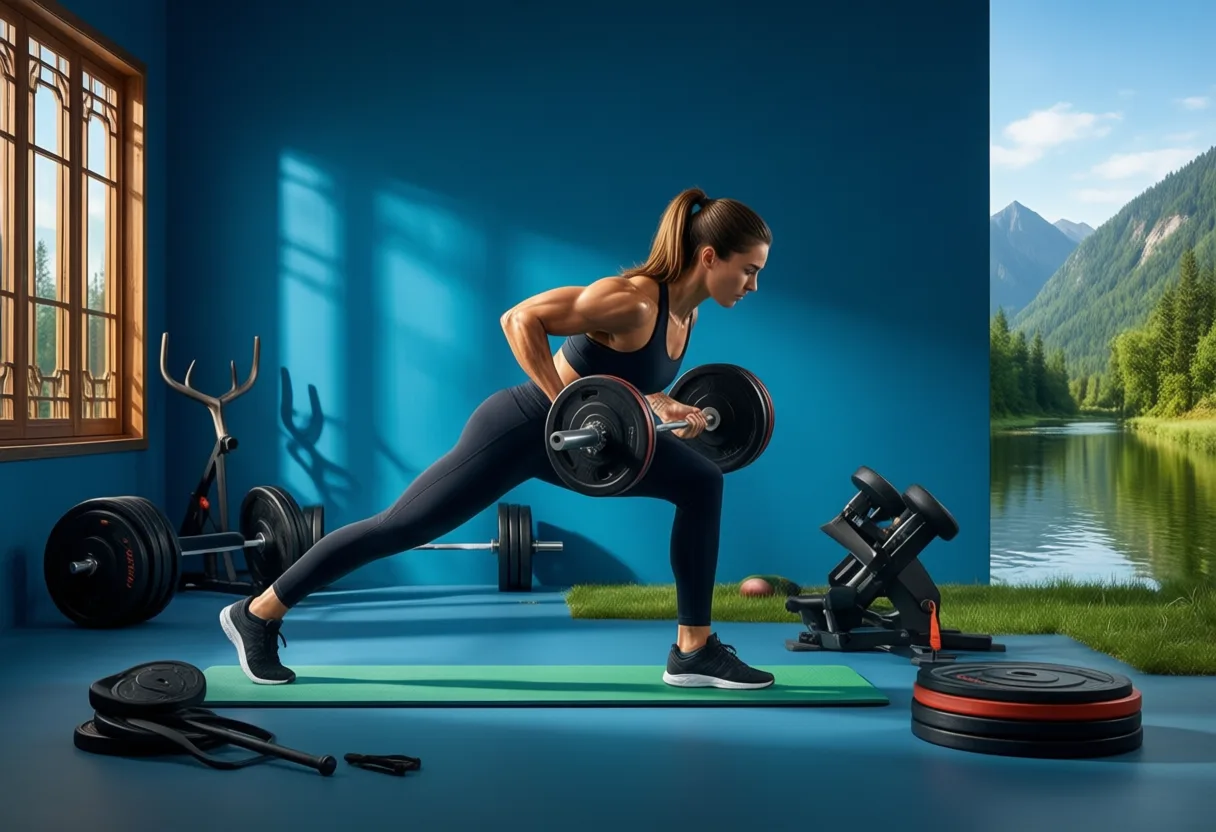
Hinge at the hips, keep your back flat, and pull the bar toward your lower ribcage. Squeeze the shoulder blades together at the top, then lower with control.
This movement counters the forward slump of desk life. Over time, it improves posture and shoulder health, making daily movements easier and safer.
5. Overhead Dumbbell Press: Targeting Shoulders and Core Coordination
The overhead press builds strong, defined shoulders and requires core engagement to maintain balance. It’s a full-body movement disguised as an upper-body lift.
Stand or sit with a dumbbell in each hand at shoulder height. Press upward until arms are fully extended, then lower slowly. Keep your ribs down to avoid arching.
This exercise enhances shoulder mobility and stability-critical for everything from reaching overhead to lifting children or groceries. For more arm-focused training, see Brachioradialis: 10 Insane Exercises for Rapid Strength Gain!.
6. Romanian Deadlift: Focusing on Hamstring and Glute Development
The Romanian deadlift emphasizes the eccentric (lowering) phase, stretching the hamstrings under load. It builds posterior strength while improving hip mobility.
Start standing, barbell in front of thighs. Hinge at the hips, pushing your glutes backward, and lower the bar down your legs. Keep your back neutral and feel the stretch in your hamstrings.
This movement is essential for balanced leg development. It protects against injury and enhances athletic performance, whether you’re running, jumping, or simply climbing stairs.
7. Weighted Pull-Up: Increasing Upper-Body Pulling Capacity
Pull-ups are a benchmark of upper-body strength. Adding weight turns them into a serious muscle-building tool for the back, biceps, and core.
Use a dip belt or hold a dumbbell between your feet. Start from a dead hang, pull your chest toward the bar, and control the descent. If full pull-ups are out of reach, start with assisted versions.
This movement builds real functional strength-the kind that lets you pull yourself up, literally and figuratively. For more upper-body routines, check out Chest Exercises That Build Strength And Define Your Muscles.
8. Walking Lunge with Dumbbells: Enhancing Balance and Leg Definition
Lunges mimic natural movement patterns while building unilateral strength. The walking lunge with dumbbells challenges balance, coordination, and leg power.
Hold a dumbbell in each hand, step forward into a lunge, and drive through the front heel to bring the back leg forward. Keep your torso upright and land softly.
This exercise builds long, defined legs without bulk. It also improves hip flexibility and reduces imbalances between sides-key for injury prevention.
9. Plank to Push-Up: A Dynamic Core and Chest Integrator
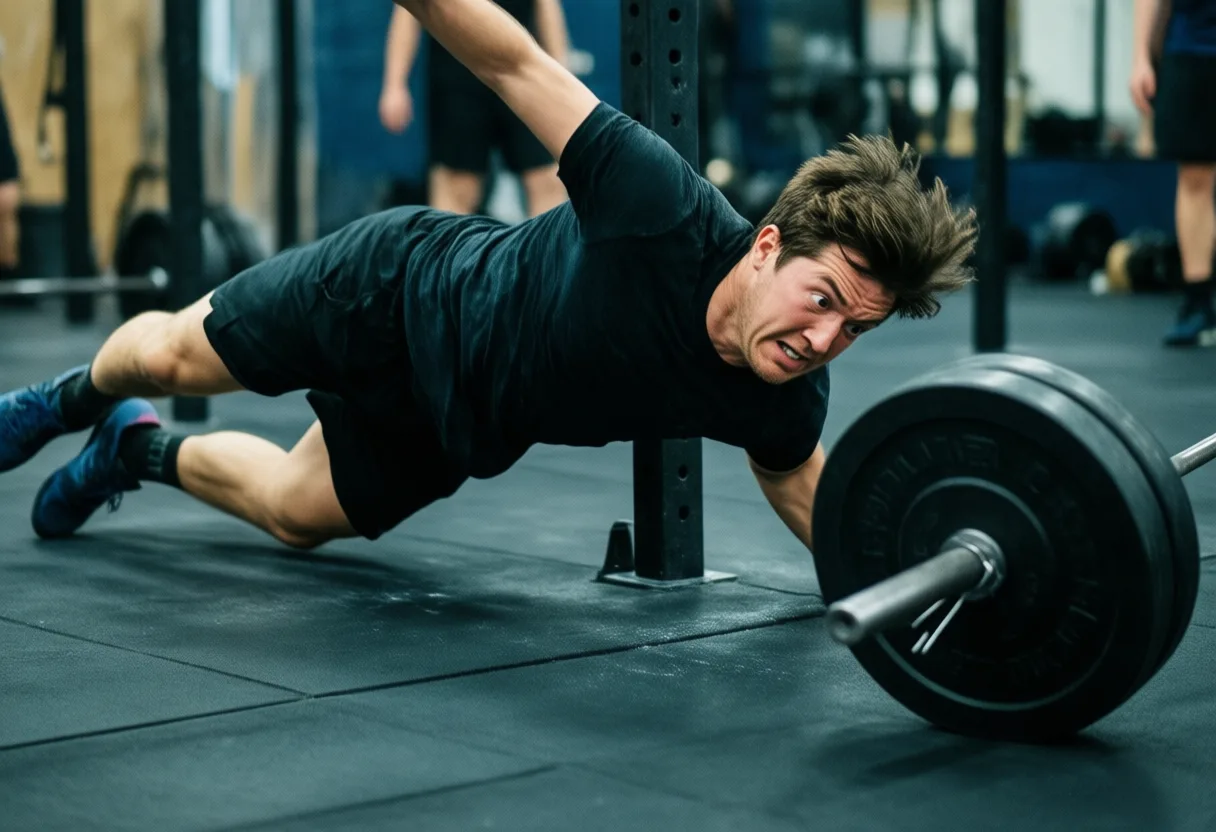
This bodyweight movement links core stability with upper-body strength. It starts in a forearm plank, then transitions into a push-up position, one arm at a time.
From there, reverse the movement back to the plank. The shifting center of gravity forces your core to work harder.
It’s a simple move with compound benefits-building endurance, coordination, and chest strength. For elite-level inspiration, study Vinny Paz’s Insane 5 Training Secrets for Unbeatable Strength!.
How to Structure Your Weekly Routine for Optimal Results
A well-designed routine balances frequency, volume, and recovery. Most women benefit from strength training 3 to 4 times per week, targeting major muscle groups with compound movements.
Split routines-like upper/lower or push/pull-allow you to train more frequently without overloading any single system. For example, train upper body on Monday and Thursday, lower body on Tuesday and Friday.
Include at least one full rest day between sessions for the same muscle group. Recovery isn’t downtime-it’s when your body rebuilds stronger.

Balancing Volume, Recovery, and Exercise Selection Over Time
Volume-the total amount of work done-must be managed carefully. Too much too soon leads to burnout; too little leads to stagnation.
Aim for 3 to 4 sets per exercise, with rep ranges between 6 and 12 for hypertrophy. Focus on form first, then gradually increase weight or reps.
Rotate exercises every 4 to 6 weeks to prevent plateaus. Swap barbell squats for front squats, or deadlifts for Romanian variations. This keeps your body adapting.
Smart Progression Strategies Beyond Just Adding Weight
Progressive overload doesn’t always mean heavier weights. Sometimes, progress comes from slowing down the tempo, shortening rest intervals, or increasing range of motion.
Try a 3-1-3 tempo: three seconds down, one pause, three seconds up. This increases time under tension, a key driver of muscle growth.
Reduce rest between sets from 90 seconds to 60. This builds endurance and keeps your heart rate elevated, enhancing fat loss without sacrificing strength.
Incorporating Tempo Changes, Rest Intervals, and Range-of-Motion Focus
Tempo work builds control and exposes weaknesses. A slow eccentric phase increases muscle damage, which leads to growth.
Shorter rest periods increase metabolic stress, another trigger for hypertrophy. Just don’t sacrifice form for speed.
Full range of motion ensures balanced development. A deep squat builds stronger glutes than a half-squat. A full pull-up builds more back than a partial.

Fueling Growth: The Role of Nutrition and Recovery in Muscle Adaptation
Muscle doesn’t grow during the workout-it grows during recovery. Without proper nutrition and sleep, your efforts in the gym go to waste.
Eat enough protein to support repair-around 0.8 to 1 gram per pound of body weight per day, spread across meals. Include quality carbs and fats to fuel performance and hormone balance.
Sleep is non-negotiable. During deep sleep, your body releases growth hormone and repairs tissue. Skimp on it, and progress stalls.
Supporting Metabolic Demand with Protein Timing and Sleep Quality
Protein intake should be consistent throughout the day, not just post-workout. Aim for 20–30 grams per meal to maximize muscle protein synthesis.
Pair protein with complex carbs after training to replenish glycogen and speed recovery. A simple meal of chicken, sweet potato, and greens does wonders.
Prioritize 7–9 hours of quality sleep. Turn off screens early, keep your room cool and dark, and stick to a routine. Your gains depend on it.
Your Next Step Toward a Stronger, More Confident Self
Strength isn’t just physical-it’s mental, emotional, and deeply personal. Every rep is a vote for the kind of person you’re becoming.
You don’t need to look like a fitness model. You just need to feel capable, grounded, and in command of your body.
Start where you are. Use these exercises. Train with purpose. And remember: the strongest muscle in your body is your mindset. For cultural inspiration, read about Turkish Women Inspiring Strength And Resilience In Society.
More Than Just Reps: Fun Facts About Building Strength
The Science of Stronger Muscles
Lifting weights doesn’t just change how your body looks-it actually reshapes your biology. When you challenge your muscles with resistance, tiny micro-tears form in the fibers. As your body repairs them, the muscles come back stronger and slightly larger, a process called hypertrophy. This isn’t about bulking up like a bodybuilder; for most women, building lean muscle means improved tone, better posture, and a revved-up metabolism that burns more calories even at rest. And here’s a fun twist: strength training can boost your mood, thanks to endorphins released during and after a solid workout.
Women, Hormones, and Gains
Many women worry that lifting heavy will make them look “bulky,” but that’s a myth fueled by misunderstanding. Women typically have much lower levels of testosterone than men-often less than one-tenth-making it far harder to build large, bulky muscles naturally. That means you can confidently lift heavier weights without fear of sudden size surges. In fact, consistent strength training helps sculpt a leaner, more defined physique by increasing muscle density while reducing body fat. Plus, stronger muscles support joint health and reduce injury risk, making everyday movements easier and safer.
Everyday Strength, Amplified
Think strength training only matters in the gym? Think again. The real win comes when you notice everyday tasks getting easier-carrying groceries, lifting a suitcase, chasing after kids, or even standing up from the couch. These are all functional movements that benefit from increased muscle strength. And here’s a cool fact: muscle tissue is more metabolically active than fat, so the more lean muscle you have, the more efficiently your body burns energy throughout the day. It’s like giving your metabolism a quiet, constant upgrade-all thanks to those squats and lunges. Explore more stories, videos, and creators on Loaded.
Frequently Asked Questions
Will lifting weights make women bulky?
No, lifting weights won’t make women bulky because they have lower testosterone levels than men, which makes significant muscle growth much harder. Most women gain definition, improved posture, and a firmer physique instead.
How often should women do strength training?
Most women benefit from strength training 3 to 4 times per week. It’s important to include rest days between sessions for the same muscle group to allow for recovery and growth.
What are the best exercises for building lean muscle in women?
The top exercises include barbell back squats, deadlifts, dumbbell bench press, bent-over barbell rows, overhead dumbbell press, Romanian deadlifts, weighted pull-ups, walking lunges with dumbbells, and plank to push-up.
Why is recovery important in strength training?
Recovery is when the body repairs muscle tissue and builds strength. Without proper sleep, nutrition, and rest, progress from strength training can stall or stop.
This article was produced with AI assistance. How Chiseled Magazine uses AI.
Jin-ho examines how fitness integrates into daily life and evaluates performance gear with a critical eye. He investigates recovery tools, wearable tech, and routines that bridge gym gains with real-world resilience, always prioritizing function over hype.