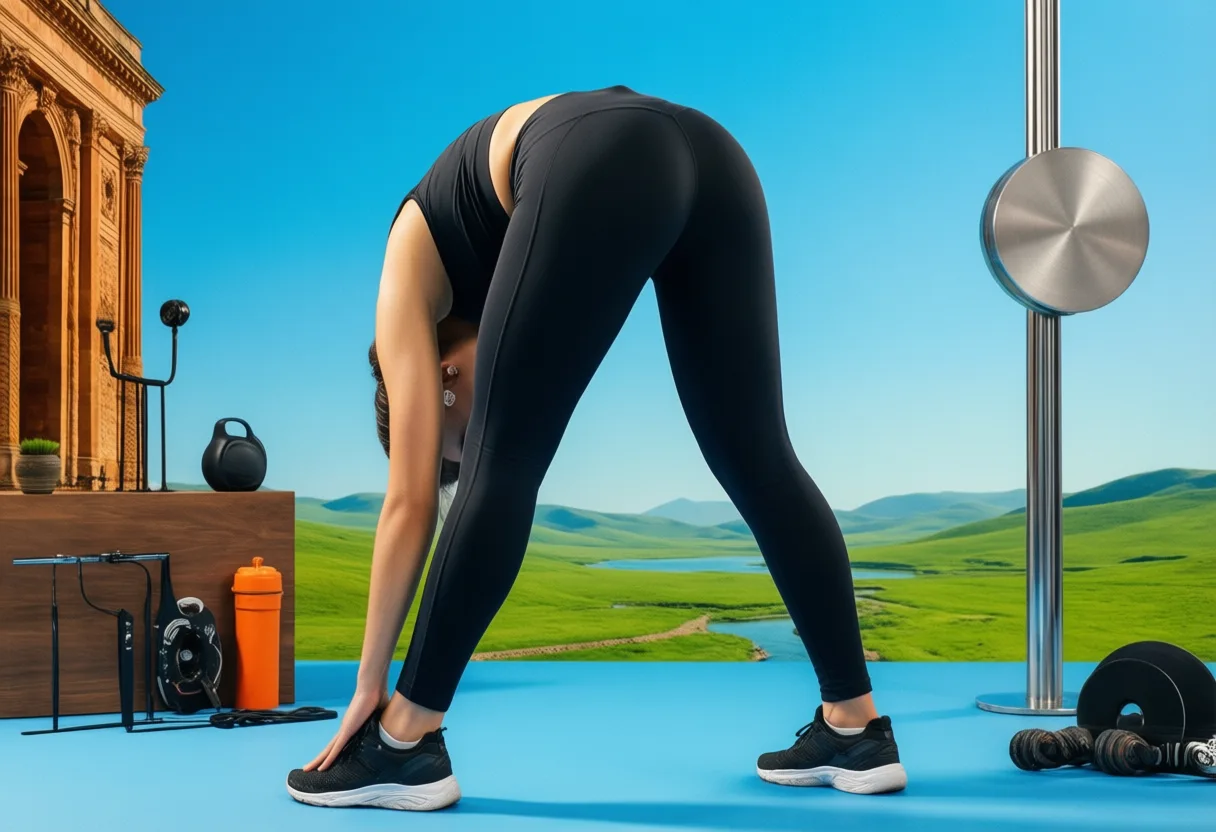
Tight glutes Don’t just limit your stride-they hijack your posture, steal your mobility, and silence explosive power. When tension builds in the largest muscle group in your body, every movement pays a price.
Relief starts not with force, but with precision. Targeted tight Glutes stretches Unlock what sitting, overtraining, and neglect have locked away.
Why Glute Tightness Sabotages Your Daily Movement
Your Glutes Are built to generate force, stabilize your pelvis, and drive motion. When they stay chronically tight, they lose the ability to contract fully or relax completely.
This imbalance disrupts natural movement patterns. Simple acts Like walking Up stairs or bending to tie your shoes become strained.
Muscle tightness restricts joint range of motion. The hip can’t move freely when the Glute complex Is wound like a coiled spring.
Over time, this forces other muscles-hamstrings, lower back, quads-to compensate. That compensation leads to fatigue, strain, and injury risk. How To Stretch Tight Glutes For Better Mobility And Relief breaks down how to reverse this cycle with science-backed techniques.
You weren’t built to shuffle. You were built to sprint, lift, and dominate physical challenges. Releasing glute tension restores that birthright.
The Hidden Link Between Sitting and Stiff Hips
Sitting for hours keeps your hips flexed and your glutes inactive. This position shortens hip flexors and signals your nervous system to downregulate glute activity.
Even if you train hard, eight hours of sitting can override 60 minutes of strength work. The body adapts to what it does most-so if you sit all day, it learns to keep glutes quiet and tight.
Prolonged inactivity creates adaptive shortening. The muscle fibers physically adjust to the shortened position, reducing their functional length.
Blood flow drops during sedentary periods. Less circulation means metabolic waste accumulates, contributing to stiffness and delayed recovery.
Break the cycle by interrupting long sits with brief standing intervals or dynamic movement. Resetting your posture frequently prevents deep-seated tension from forming.
What Makes Glute Stretches Different From Regular Hip Work?
Glute-specific stretches isolate the gluteus maximus, medius, and minimus-not just the surrounding hip musculature. Many hip openers miss the deep lateral rotators buried beneath larger structures.
True glute stretching requires external rotation, hip flexion, and contralateral tilt. Positions like figure-four or seated spinal twist target these angles precisely.
Other hip stretches may loosen the adductors or flexors but leave the posterior chain untouched. Without direct engagement, the root cause of tightness remains unaddressed.
Effective technique demands stillness, focus, and breath control. It’s not about how far you go-it’s about how well you feel the release.
Precision beats intensity. A mild stretch done correctly delivers more long-term change than aggressive bouncing done poorly.
How Tight Glutes Disrupt Posture and Gait
When glutes are tight, they pull the pelvis into posterior tilt. This flattens the lower back and shifts your center of gravity forward.
That misalignment forces your spine, knees, and ankles to adapt. You walk differently without realizing it-shorter steps, less heel strike, more quad dominance.
Over time, gait abnormalities wear down joints. Knee pain, plantar fasciitis, and lower back strain often trace back to faulty pelvic mechanics.
A balanced gait requires equal push-off power from both legs. Tight glutes reduce propulsion efficiency, making movement less powerful and more energy-draining.
Correcting glute tension restores neutral pelvic alignment. From there, posture improves naturally-no cueing required.
7 Essential Stretches for Releasing Glute Tension
These seven movements deliver immediate relief and lasting flexibility. Perform them consistently, with control, and feel your body reset.
- Supine Figure-Four Stretch Lie on your back, cross one ankle over the opposite knee, and gently pull the supporting thigh toward your chest. Hold 30 seconds per side. Feel the stretch deep in the buttock, not the hamstring.
- Seated Glute Twist Sit tall, cross one leg over the other, and rotate your torso toward the bent knee. Use your elbow to deepen the twist against your thigh. Breathe into the contraction.
- Pigeon Pose (Floor Version) From a plank, bring one knee forward and angle it outward. Extend the opposite leg straight back. Lower your torso over the front shin. Adjust until you feel resistance in the outer hip.
- Standing Cross-Body Glute Stretch Stand and lift one foot onto a bench or step. Lean forward slightly while pressing the hip of the working leg outward. Keep your chest upright.
- Lying Glute Pull On your back, hug one knee across your body toward the opposite shoulder. Keep both shoulders flat. This targets the posterior fibers and piriformis region.
- Butterfly Forward Fold with Glute Focus Sit with soles together, knees dropping out. Instead of folding forward only, shift your weight slightly onto one buttock to emphasize unilateral release.
- 90/90 Hip and Glute Mobilization Sit with one leg bent at 90 degrees in front, the other bent at 90 degrees behind. Slowly transition from external to internal rotation, using hands for gentle assistance.
Each stretch should feel like controlled tension-not pain. Progress comes from consistency, not aggression.
When Timing Matters: Stretching Upon Waking vs. Post-Workout
Morning stiffness reveals overnight fluid shifts and reduced muscle temperature. Stretching upon waking resets neuromuscular tone before daily habits lock in tension.
Start with light dynamic moves-knee-to-chest pulses or slow figure-four oscillations. Avoid deep static holds on cold tissue.
Post-workout is prime time for deep stretching. Muscles are warm, blood flow is high, and connective tissues are pliable.
Use this window to increase range of motion safely. Target tight areas with longer holds-up to 60 seconds per side.
Stretching after training enhances recovery and reduces next-day soreness. It signals the nervous system to shift from fight to repair.
Both times have value. Mornings reprogram posture; evenings accelerate adaptation.
Why Static Holds Beat Bouncing for Glute Flexibility
Bouncing triggers the stretch reflex-a protective mechanism that causes muscles to contract when rapidly stretched. This increases tension instead of reducing it.
Static holds bypass this reflex. Sustained pressure teaches the nervous system new resting lengths.
Hold each position steadily for at least 30 seconds. Focus on relaxing into the stretch with each exhale.
Research shows static stretching improves flexibility more effectively than ballistic methods-especially in dense muscles like the glutes.
You’re not forcing change. You’re inviting it. Patience builds permanent gains.
Common Mistakes That Undermine Stretching Results
Rushing through stretches defeats the purpose. Short durations prevent neurological adaptation and tissue remodeling.
Holding your breath amplifies tension. Oxygen fuels relaxation-breathe deeply and rhythmically throughout each stretch.
Overstretching causes microtrauma and inflammation. Aim for a “moderate pull,” not burning discomfort.
Many people ignore form cues. Rounding the back in a seated stretch shifts focus from glutes to spine. Stay aligned.
Another error: treating both sides the same. One glute is often tighter due to limb dominance or past injury.
Ignoring Asymmetry: One Side Tighter Than the Other
No human is perfectly symmetrical. One glute often bears more load, recovers slower, or activates less efficiently.
If you skip unilateral assessment, you reinforce imbalances. That sets the stage for uneven wear and future injury.
Test each side independently. Compare depth, sensation, and ease of movement during every stretch.
Spend extra time on the tighter side-even if only by 10–15 seconds. Small corrections prevent big problems.
Track progress weekly. Note improvements in balance, not just flexibility.

Practical Ways to Integrate Glute Mobility Into a Busy Schedule
You don’t need 30 minutes. Three targeted stretches take five. Do them during TV ads, between meetings, or after brushing your teeth.
Set phone reminders twice daily-one mid-morning, one post-dinner. Consistency trumps duration.
Pair mobility work with existing habits. Stretch while waiting for coffee, cooling down after a run, or unwinding before bed.
Keep a mat visible. Out-of-sight equals out-of-mind. Make the choice automatic.
Desk workers: stand and perform the seated glute twist every 90 minutes. Reset your hips before stiffness settles in.
Five minutes now saves hours of pain later. Treat mobility like brushing your teeth-non-negotiable hygiene.
How Consistency Transforms Occasional Relief Into Lasting Flexibility
One session brings temporary ease. Ten sessions build measurable change. Thirty days rewire your physiology.
Flexibility is not an event. It’s a habit formed through repetition and attention.
Missed days allow tissues to revert. The body defaults to familiar patterns unless shown a better option-repeatedly.
Stick with it even when progress slows. Plateaus precede breakthroughs.
Your future self walks taller, lifts heavier, and moves freer because you showed up today.
Beyond the Stretch: Building Sustainable Glute Health
Stretching relieves tension-but strengthening maintains balance. Weak glutes often tighten as a protective mechanism.
Incorporate hip thrusts, single-leg bridges, and banded walks into your routine. Build endurance and control.
Improve activation with glute bridges before heavy lifts. Fire the right muscles first.
Stay hydrated. Muscles respond better to load and stretch when well-hydrated.
Sleep accelerates tissue repair. Prioritize recovery like you prioritize reps.
True glute health combines mobility, strength, and awareness. Master all three-and move like an athlete, every day.
| Stretch Name | Position | Hold Time |
|---|---|---|
| Supine Figure-Four Stretch | Lying on back, ankle over opposite knee | 30 seconds per side |
| Seated Glute Twist | Sitting, one leg crossed, torso rotated | Hold with breath |
| Pigeon Pose | One knee forward, opposite leg extended back | Adjust for resistance |
| Standing Cross-Body Glute Stretch | Foot on bench, lean forward | Controlled tension |
| Lying Glute Pull | On back, knee pulled across body | Keep shoulders flat |
| Butterfly Forward Fold with Glute Focus | Sitting, soles together, weight shifted | Emphasize one side |
| 90/90 Hip and Glute Mobilization | One leg in front, one behind, both bent 90° | Use hands gently |
Unlocking the Power of Your Backside
Why Your Glutes Love a Good Stretch
Ever notice how sitting all day turns your glutes into tight bricks? It’s not just discomfort-tight glutes can throw off your whole movement pattern, leading to lower back pain or even knee issues. Stretching them isn’t just about flexibility; it helps restore balance in your hips and pelvis, making everyday moves like walking, climbing stairs, or bending over feel smoother and safer.
Here’s a fun twist: your glutes are the largest muscles in your body, and they’re built for power, not constant compression. When you stretch them, you’re not just relieving tension-you’re tapping into a muscle group that evolved to help humans run, jump, and squat with force. A simple seated twist stretch or a figure-four stretch while lying down can quickly ease that deep, stubborn tightness, especially after long drives or desk marathons.
Try this: the pigeon pose, often seen in yoga, is a superstar for glute relief. It targets the piriformis, a small but mighty muscle deep in the buttock that often gets cranky when compressed. When this muscle loosens up, many people feel an almost instant release in their lower back and hips. And don’t worry if you can’t touch your toes or fold perfectly into a pose-modifications like using a pillow under your hip make these stretches accessible and effective for all body types. Explore more stories, videos, and creators on Loaded.
Frequently Asked Questions
What causes tight glutes?
Sitting for long periods keeps hips flexed and glutes inactive, leading to adaptive shortening and reduced blood flow. Overtraining and muscle compensation from other strained areas also contribute to tightness.
How can I tell if one glute is tighter than the other?
Test each side independently during stretches and compare depth, sensation, and ease of movement. Spend extra time on the tighter side to correct imbalances.
When is the best time to stretch tight glutes?
Stretching upon waking resets neuromuscular tone, while post-workout stretching takes advantage of warm muscles and increased blood flow for deeper, safer stretches.
Why should I avoid bouncing during glute stretches?
Bouncing triggers the stretch reflex, causing muscles to contract instead of relax. Static holds are more effective for teaching the nervous system new resting lengths.
This article was produced with AI assistance. How Chiseled Magazine uses AI.
Tariq breaks down elite workout regimens with precision, translating complex routines into actionable plans. He focuses on form, progression, and the mental discipline behind peak physical performance, often drawing from interviews with strength coaches and competitive athletes across multiple sports.