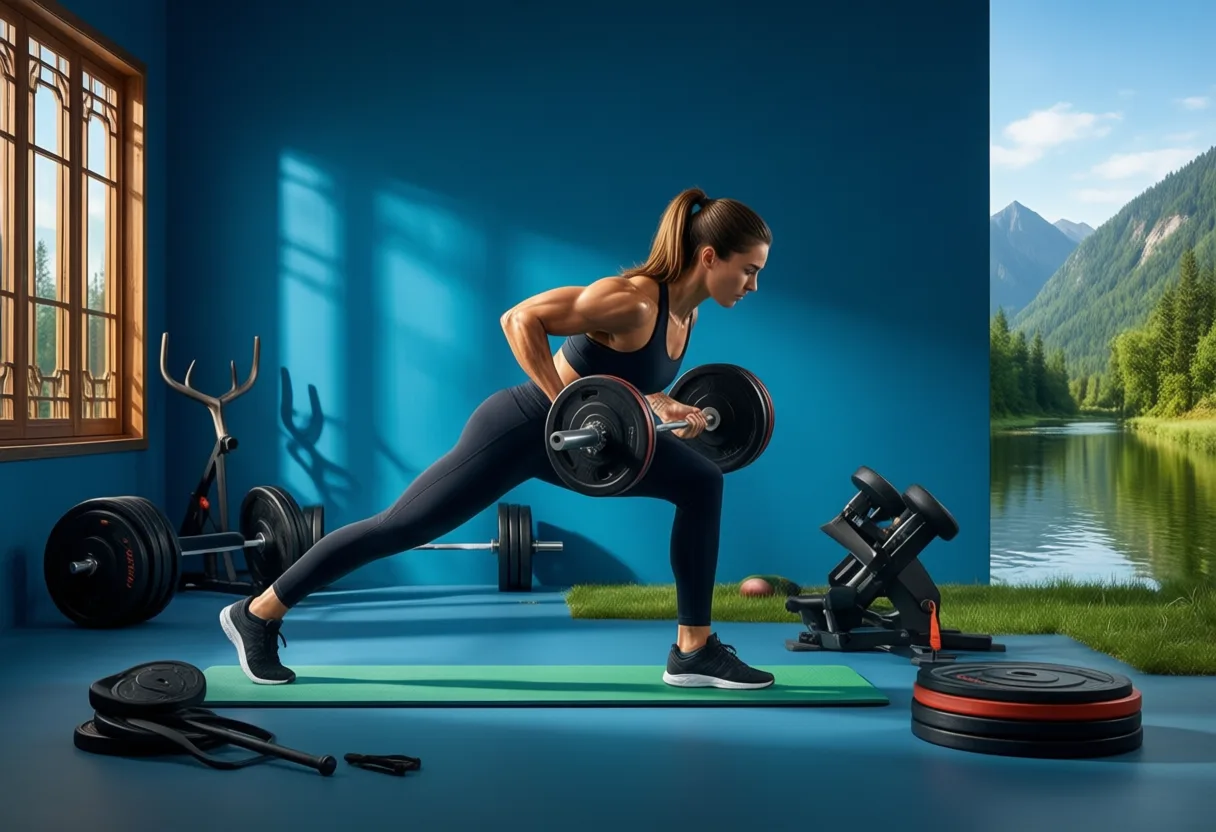
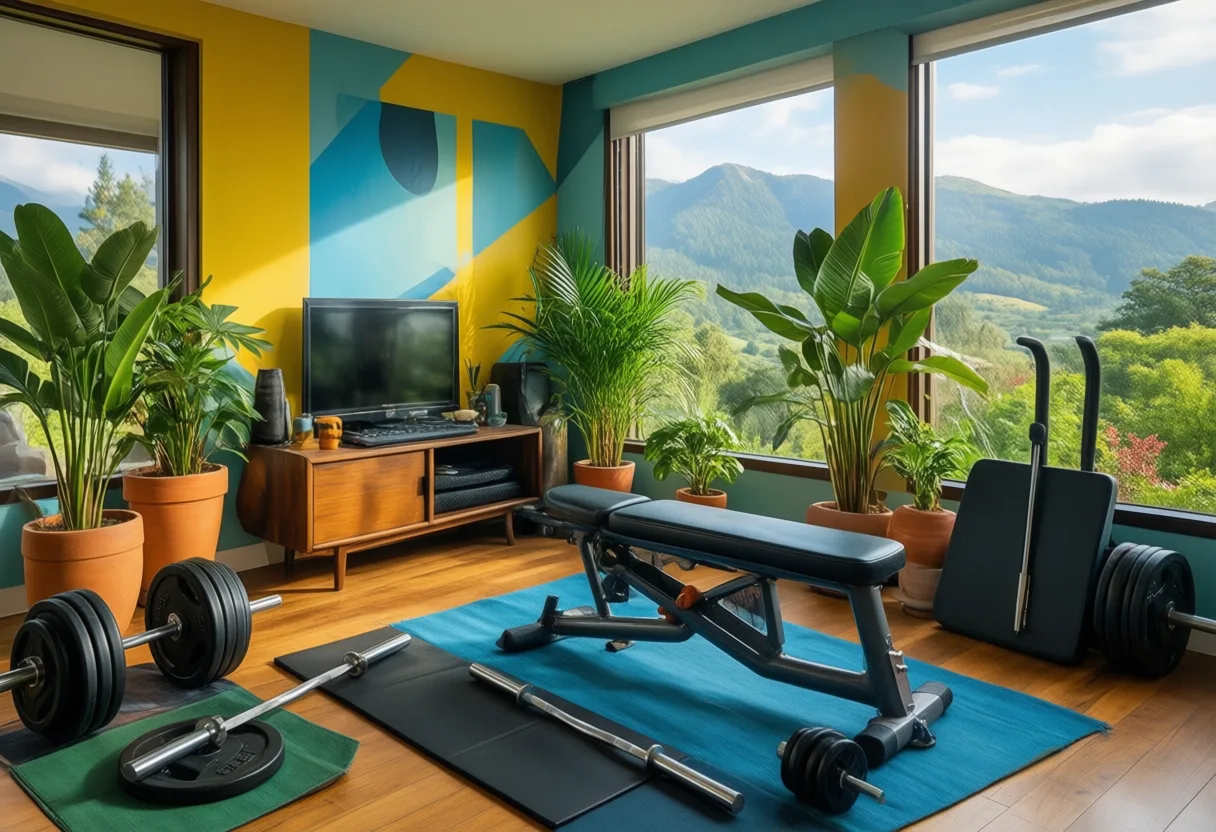
You don’t need a packed gym membership or racks of iron to build Real strength. Thousands start strong with high hopes, only to quit when life gets in the way-traffic, schedules, cost. But the most consistent training ground isn’t a franchise with protein shakes at the door; it’s your living room, your hallway, your stairs. And with the right approach, You can build muscle, torch fat, and sculpt a lean, powerful physique without stepping foot in a gym.
Why You Don’t Need a Gym to Build Real Strength
Gym culture sells convenience, not results. The truth? Most machines isolate muscles in ways that don’t translate to real-world power. Functional strength-the kind that helps you lift groceries, play with your kids, or dominate a weekend hike-comes from moving your body through space with control and resistance. That’s something you can develop just as effectively at home.
Equipment doesn’t Build muscle-Tension, time under load, and consistency do. A barbell won’t help if you skip workouts; a single dumbbell won’t matter if your form is broken. But a push-up done with precision every day? That compounds. Over time, your body adapts, grows denser, more resilient.
Think of your home as a training lab, not a compromise. The limitations force creativity. No squat rack? Use a chair. No pull-up bar? Try inverted rows under a table. The constraints become advantages when you focus on movement quality over spectacle. And if you’re serious about long-term gains, that mindset shift is half the battle.
The Core Principles of Effective Home Workouts
Success starts with understanding what actually drives muscle growth. It’s not sweat, soreness, or how fast you move-it’s Progressive overload. This means gradually increasing the demand on your body, whether through more reps, better form, or reduced rest time. Without it, your muscles have no reason to grow stronger. The good news? You can apply this principle anywhere.
Another key is movement efficiency. Instead of chasing Endless exercises, focus on mastering a few that work multiple muscle groups at once. These compound movements build coordination, burn more calories, and create balanced strength. A squat, for example, engages your quads, glutes, core, and lower back-all in one motion.
Consistency beats intensity every time. It’s better to train 20 minutes five times a week with solid form than go all-out once and be too sore to move. Recovery matters just as much as effort. Your muscles grow when you rest, not when you crush another set. So prioritize sleep, hydration, and daily movement outside your workout.

7 Foundational Exercises You Can Do Anywhere
These movements form the backbone of any effective routine. They require no equipment, scale with your fitness level, and deliver real results when done consistently. Master them first-then build from there.
Bodyweight Squats: Mastering the Basics
The squat is one of the most natural human movements-and one of the most neglected. Sitting down and standing up may sound simple, but most people lose form under fatigue. Start with feet shoulder-width apart, chest up, and lower as if sitting into a chair. Keep your knees tracking over your toes, not caving inward.
Go deep-aim for thighs parallel to the floor or lower. Depth builds flexibility and activates more muscle fibers in your glutes and hamstrings. If balance is an issue, hold your arms out or practice near a wall for light support.
Do three sets of 10–15 reps daily. Over time, increase reps or slow the descent to add difficulty. This movement primes your legs for everything from stairs to sprints-and lays the foundation for explosive power. For more on building functional strength, check out the Progressive Overload Guide For Beginner Strength Training Made Simple.
Push-Ups with Smart Modifications
Push-ups aren’t just for gym class. Done right, they build chest, shoulder, and triceps strength while engaging your Core. Start on your toes or modify by dropping to your knees-both work if form stays tight. Hands should be slightly wider than shoulders, elbows at about 45 degrees.
Lower your chest until it nearly touches the floor, then press back up with control. Avoid sagging hips or flaring elbows-that kills effectiveness and risks injury. If full push-ups are too hard, begin with wall or incline versions using a sturdy table or countertop.
Aim for three sets of as many reps as possible with good form. When you hit 15 clean reps, make it harder: slow the movement, add a pause at the bottom, or elevate your feet. Push-ups scale infinitely-and they build the upper-body strength that makes shirts fit better and confidence soar.
Planks for Total-Body Stability
A strong core isn’t just about six-pack abs-it’s about stability. Planks teach your body to resist movement, which protects your spine during lifting and daily activities. Lie face down, lift onto your forearms and toes, and hold a straight line from head to heels.
Engage your glutes, brace your abs like you’re about to be punched, and breathe steadily. Don’t let your hips sag or rise too high. Start with 20–30 seconds and build from there. It’s not a race-time under tension is the goal.
Do planks 3–4 times a week. Add side planks later to target obliques. This isn’t flashy, but it’s essential. A weak core undermines every other exercise you do. Build this foundation, and everything else gets easier.
Glute Bridges for Posterior Chain Power
Most people overwork their quads and neglect their glutes and hamstrings-the muscles that power your stride and protect your lower back. Glute bridges fix that. Lie on your back, knees bent, feet flat. Lift your hips until your body forms a straight line from shoulders to knees.
Squeeze your glutes hard at the top-don’t let your lower back take over. Lower with control. This isn’t just a “booty builder”-it reactivates muscles that often go dormant from sitting all day.
Do 3 sets of 15 reps. To increase difficulty, try single-leg bridges or hold the top position for 3–5 seconds. Strong glutes improve posture, reduce back pain, and make every lower-body movement more powerful. They’re also key to that tight, lifted look most want but few train for.
Inverted Rows Using a Sturdy Table
Pulling movements are critical for balanced upper-body development, yet most home routines skip them. Inverted rows fix that. Slide under a strong table, grip the edge, and pull your chest toward it. Keep your body straight-don’t let your hips sag.
Use a higher surface to make it easier, lower to increase difficulty. Your feet can stay on the floor or elevate on a book for more resistance. Focus on squeezing your shoulder blades together at the top.
Aim for 3 sets of 8–12 reps. This builds back thickness, improves posture, and counters the hunch from desk work. And unlike pull-ups, most beginners can do these from day one. For more unconventional strength strategies, see Vinny Paz’s Insane 5 Training Secrets for Unbeatable Strength!.
Step-Ups with Household Objects
Step-ups mimic real-life movements like climbing stairs or hiking. Use a sturdy chair, bench, or even a thick book. Step one foot up, drive through the heel, and bring the other foot to meet it. Step down with control.
Keep your torso upright-don’t lunge forward. This isn’t a cardio move; it’s a strength builder. Focus on the working leg, not momentum. Do 10 reps per side for 3 sets.
This exercise builds unilateral leg strength, corrects imbalances, and boosts balance. Plus, it’s easy to scale-higher surface, slower tempo, or add a pause at the top. Over time, your legs will look more defined and feel more powerful.
Wall Sits for Endurance and Control
Wall sits look simple-back against the wall, thighs parallel to the floor, hold. But they’re brutal. They build isometric strength, teach leg endurance, and improve mental toughness. They also reveal weaknesses fast.
Hold for 30–60 seconds. Keep your back flat, knees over ankles, and don’t let your hips drop. If you can’t hold form, shorten the time and build gradually. This isn’t about pain-it’s about control.
Do them 2–3 times a week. They’re great for building stamina in your quads and teaching your body to stay tight under fatigue. And they pair well with other leg work-do them at the end of a workout for a burnout set.
Turning Everyday Items into Training Tools
You don’t need a home gym to add resistance. A backpack filled with books becomes a weighted vest. A towel on a smooth floor turns your living room into a sliding surface for hamstring curls. A water jug can serve as a dumbbell.
Get creative. Use stairs for step-ups or calf raises. Hang a resistance band on a door for rows or presses. Even walking around your home with heavy objects builds grip and core strength-try carrying two full water bottles like a farmer’s carry. For more on this underrated move, read Farmer Carry: Top 5 Benefits for Strength Training.
The key is intention. Don’t just move things-move them with purpose. Every action should challenge your body in a way that builds strength or stability. That shift in mindset turns chores into training.
How to Structure Your First Week of Training
Start simple. Aim for three full-body sessions spaced out-say, Monday, Wednesday, Friday. Each session should take 20–30 minutes. Warm up with 5 minutes of marching, arm circles, and bodyweight squats.
Do one set of each of the seven exercises, resting 30–60 seconds between. Focus on form, not speed. Record how many reps you complete and how it felt. That’s your baseline.
By the end of the week, you’ll know which movements are easy, which are hard, and where you need work. Next week, add a second set or increase reps. Small upgrades, consistently applied, lead to real change.

Common Mistakes That Stall Progress
The biggest mistake? Doing too much too soon. Enthusiasm fades when you’re sore for days and can’t walk down stairs. Start at a sustainable level-even if it feels too easy. You’ll progress faster by staying consistent than by burning out early.
Another trap is skipping warm-ups and cool-downs. Cold muscles are injury-prone. Spend 5 minutes moving before and stretching after. It doesn’t need to be complex-just get blood flowing and reset your posture.
Finally, don’t ignore recovery. Sleep, nutrition, and hydration matter just as much as the workout. Train hard, but live well. Strength isn’t built in the moment-it’s earned over weeks of smart choices.
When Form Breaks Down-And How to Fix It
Form breaks down when fatigue sets in or ego takes over. You might rush reps, arch your back, or cheat range of motion to hit a number. That’s when injuries happen-and gains stop.
Fix it by slowing down. Use a mirror or record yourself. Watch for knee collapse, shoulder shrugging, or hip hiking. If you can’t maintain form, reduce reps or take a break.
Think of each rep as practice. Perfect reps build perfect results. Sloppy reps build bad habits. Stay disciplined, even when no one’s watching. That’s how real strength is forged.

Building a Routine That Fits Your Day
The best workout is the one you do. Schedule it like a meeting. Morning? Do it before coffee. Lunch break? Use 20 minutes. Night? Pair it with your wind-down routine.
Attach it to a habit-after brushing your teeth, before checking email, during a TV ad break. Stack it so it sticks. Even 10 minutes counts if it’s focused.
You don’t need hours. You need consistency. Miss a day? Don’t quit. Just restart. Progress isn’t linear-but it’s real when you keep showing up.
Tracking Progress Without Weights or Machines
Without weights, progress isn’t measured in pounds lifted-but in reps, time, and control. Keep a simple log: date, exercise, reps, sets, how it felt.
Over time, you’ll see improvements. More push-ups. Longer planks. Deeper squats. That’s real progress. You don’t need a scale to know you’re getting stronger.
Take photos every few weeks. Notice how your posture improves, how your clothes fit, how you move. These are the real markers of change.
From Living Room to Long-Term Gains
This isn’t a shortcut. It’s a foundation. The habits you build now-consistency, discipline, attention to form-will serve you for life. Whether you stay at home or eventually join a gym, the principles remain.
Strength isn’t about where you train. It’s about how you show up. Every rep, every day, you’re chiseling a stronger version of yourself. Not for the mirror-but for what it lets you do.
So start where you are. Use what you have. Do what you can. And remember: the body you want isn’t built in a month. It’s built in moments-decisions made daily, in quiet rooms, without fanfare. That’s where real strength begins.
| Exercise | Primary Muscles Worked | Reps or Duration | Key Tips |
|---|---|---|---|
| Bodyweight Squats | Quads, glutes, hamstrings, core | 3 sets of 10–15 reps | Keep knees over toes, go deep, chest up |
| Push-Ups | Chest, shoulders, triceps, core | 3 sets of as many reps as possible | Modify on knees or elevate hands if needed |
| Planks | Core, glutes, shoulders | Hold 20–30 seconds, 3–4 times weekly | Keep body in straight line, brace abs |
| Glute Bridges | Glutes, hamstrings, lower back | 3 sets of 15 reps | Squeeze glutes at top, avoid arching back |
| Inverted Rows | Back, biceps, shoulders | 3 sets of 8–12 reps | Keep body straight, squeeze shoulder blades |
| Step-Ups | Quads, glutes, balance | 3 sets of 10 per side | Drive through heel, keep torso upright |
| Wall Sits | Quads, endurance | Hold 30–60 seconds, 2–3 times weekly | Thighs parallel, back flat, knees over ankles |
Getting Strong Without a Gym
The Surprising Power of Bodyweight
Think you need heavy dumbbells or a fancy machine to build real strength? Think again. Your own body weight is a surprisingly effective tool. Exercises like push-ups, squats, and planks force your muscles to work against gravity, building strength and endurance right where you are. You might be surprised that mastering a single push-up with perfect form is a legitimate strength milestone for beginners – it’s not about how many you Can Do, but doing one Right.
Everyday Items as Gear
You don’t need a $500 home gym setup. A simple resistance band, often costing less than $20, can add serious challenge to moves like rows or leg presses. Even common household items can pitch in: a sturdy backpack filled with books acts like a weighted vest for lunges or step-ups. And that trusty kitchen chair? It’s perfect for elevated push-ups or assisted dips, helping you build the strength to eventually do them on the floor.
Consistency Over Complexity
Strength isn’t built in a single heroic session. It’s the small, regular efforts that add up. Research consistently shows that doing shorter workouts two or three times a week leads to better long-term results than sporadic, exhausting marathons. Focus on showing up, moving with control, and gradually making things a little harder – maybe adding one more rep, using a slightly thicker band, or slowing down your movement. That steady progress is where real change happens. Explore more stories, videos, and creators on Loaded.
Frequently Asked Questions
What are the foundational exercises for home Strength Training?
The foundational exercises include bodyweight squats, push-ups, planks, glute bridges, inverted rows using a sturdy table, step-ups with household objects, and wall sits. These require no equipment and can be done anywhere.
How can I make bodyweight exercises more challenging over time?
You can increase difficulty by adding reps, slowing down the movement, reducing rest time, or modifying the exercise-like elevating your feet during push-ups or doing single-leg glute bridges.
What common mistakes should beginners avoid in home workouts?
Beginners should avoid doing too much too soon, skipping warm-ups and cool-downs, and ignoring recovery. Poor form due to fatigue or ego can also lead to injury and stalled progress.
How can I track progress without weights or machines?
Track progress by recording reps, sets, and how exercises feel over time. Look for improvements like more push-ups, longer planks, deeper squats, better posture, and how clothes fit.
This article was produced with AI assistance. How Chiseled Magazine uses AI.
Jin-ho examines how fitness integrates into daily life and evaluates performance gear with a critical eye. He investigates recovery tools, wearable tech, and routines that bridge gym gains with real-world resilience, always prioritizing function over hype.