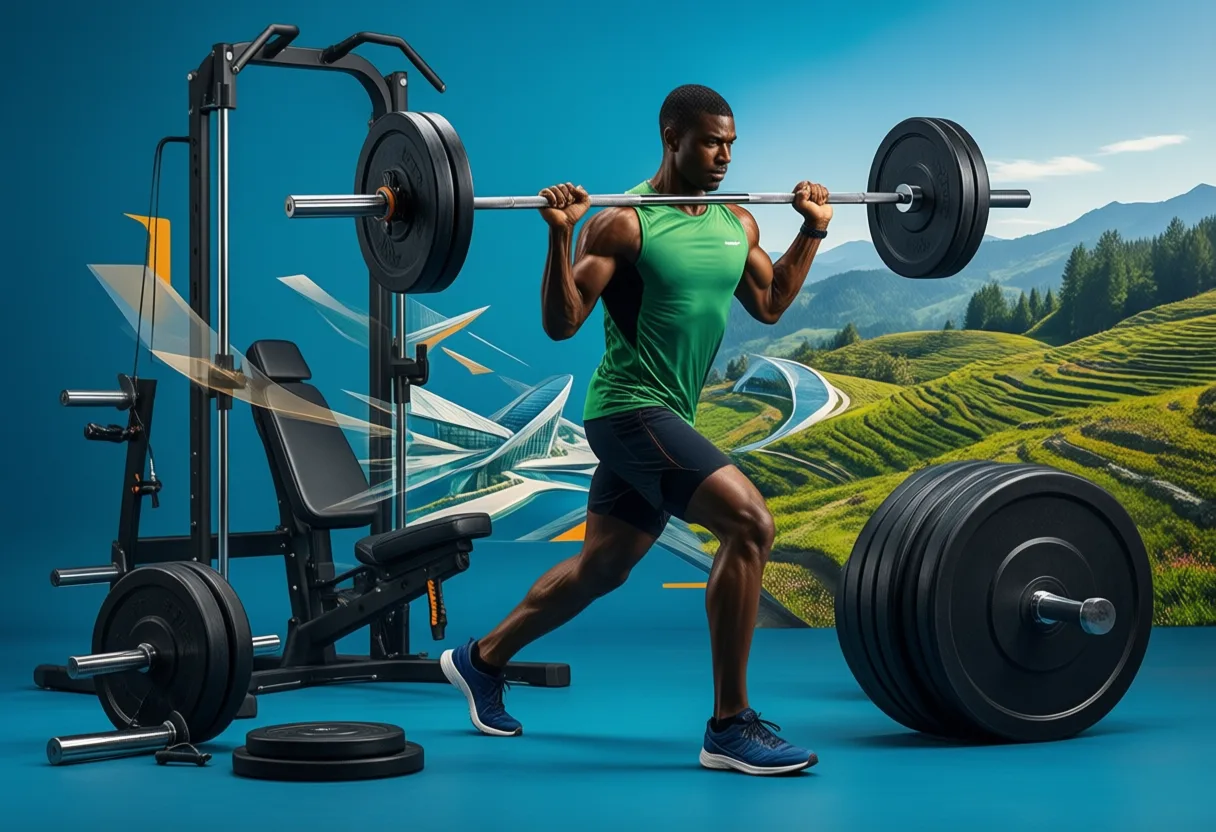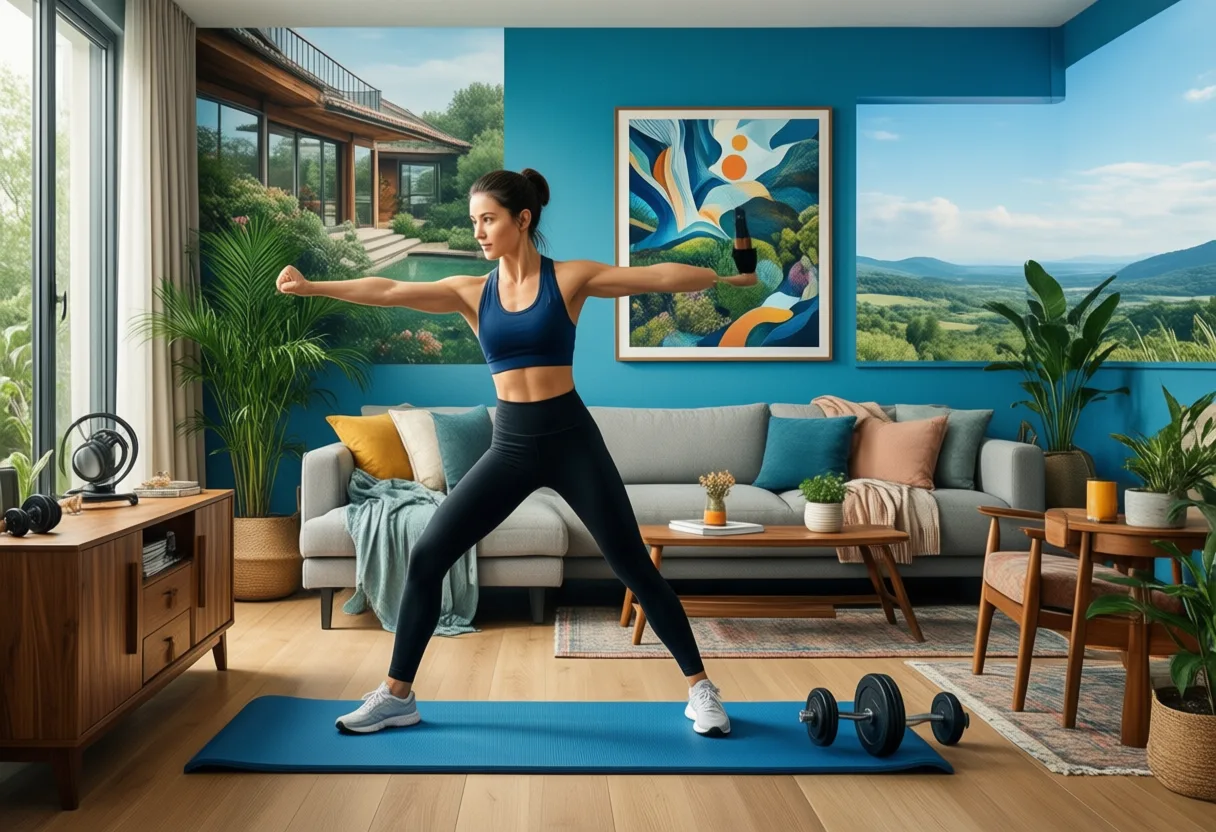

You don’t need a gym membership, expensive gear, or even two hours a day to Start Building real strength. What you do need is consistency, smart movement, and the willingness to show up-even when progress feels slow. The truth? Most people overcomplicate Strength Training Exercises for beginners, chasing intensity before they’ve earned it.
Why Starting Strength Matters More Than You Think
Strength Isn’t just about how much weight you can hoist off the floor. It’s the foundation of everything-posture, metabolism, confidence, injury resilience. When you build strength early, you’re not just sculpting muscle; you’re upgrading your body’s operating system. Weak muscles lead to poor joint alignment, sluggish energy, and long-term wear and tear that no amount of cardio can fix.
Beginners Often skip this phase, jumping straight into high-rep circuits or heavy deadlifts because they Look Like what strong people do. But strength is a skill-one that requires practice, patience, and precision. Just like learning an instrument, rushing through the basics only limits your potential later. Master the fundamentals, and every future workout becomes more effective.
Think of your first few months as laying concrete, not painting walls. Focus on movements that teach your nervous system how to fire efficiently. Bodyweight squats, push-ups, and loaded carries all serve this purpose-and they don’t require ego-lifting to be effective. In fact, one of the most underrated tools is the Farmer Carry: Top 5 Benefits for Strength Training, which builds grip, core stability, and full-body tension without a single rep on a bench.
The Myth of "No Pain, No Gain" in Early Training
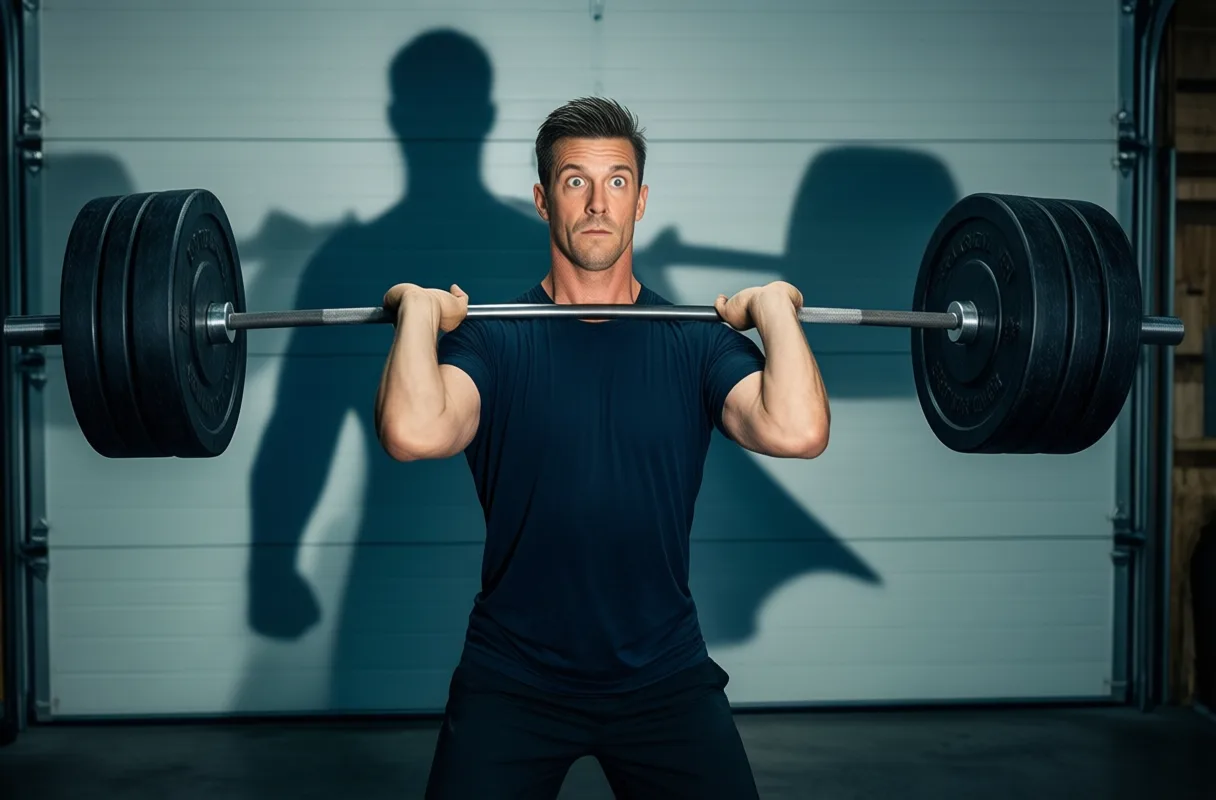
Let’s kill this myth once and for all: soreness doesn’t equal progress. Pushing yourself to the point of exhaustion during your first week won’t make you stronger-it’ll make you quit. True strength development happens in recovery, not destruction. The body adapts when challenged slightly beyond its current capacity-not obliterated by it.
Too many newcomers treat their first month like a war, convinced that if they aren’t limping after leg day, they didn’t try hard enough. This mindset leads to burnout, Injury, and frustration when results stall. Instead, aim for controlled effort-enough to feel the muscle working, but not so much that form collapses. There’s no trophy for finishing a set with broken technique.
Progressive overload Matters, yes-but it starts small. Add a rep. Hold a plank five seconds longer. Use slightly heavier dumbbells after mastering ten clean reps. These micro-adjustments compound over time far better than sporadic heroics. And remember, even elite athletes schedule deload weeks. If they respect recovery, why shouldn’t you?
What Every New Lifter Should Master First
Before touching a barbell or loading a machine, focus on three foundational skills: bracing, breathing, and balance. Without these, every exercise becomes less effective and more dangerous. Bracing your core properly protects your spine. Breathing diaphragmatically fuels performance. Balance ensures force transfers efficiently from foot to hand.
Start with bodyweight patterns that mimic real-life movement: - Squatting (like sitting in a chair) - Hinging (like picking up a suitcase) - Pushing (like opening a heavy door) - Pulling (like yanking a rope) - Carrying (like holding grocery bags)
Each of these translates directly to functional strength and sets the stage for advanced work. Once these are grooved, adding resistance makes sense. Until then, extra weight just amplifies flaws. That’s why exercises like the goblet squat or wall push-up deserve more attention than bench presses in early stages.
And when you do pick up dumbbells, prioritize control. For instance, targeting the triceps-the often-overlooked engine behind pressing power-can be done effectively with minimal equipment. Try starting with the Tricep Workouts Dumbbells The 8 Best Exercises For Strength guide to learn variations that build size and stability without shoulder strain.
How to Build Confidence Without Lifting Heavy
Confidence in the gym doesn’t come from maxing out on day one. It comes from competence-knowing you can perform a movement correctly, consistently, under fatigue. That kind of assurance grows quietly, rep by rep, session by session. It’s not loud. It doesn’t need witnesses.
You don’t need to lift heavy to feel strong. Try holding a proper plank for 45 seconds with full-body tension. Or performing five strict pull-ups with a dead hang at the bottom. These wins build mental toughness faster than any ego lift. They prove you’re in control-not just moving weight, but owning the movement.
Even seemingly minor muscles play a role. The brachioradialis, for example, contributes to elbow strength and forearm thickness, especially during pulling motions. Neglect it, and you limit your grip endurance and upper arm development. Explore targeted moves through the Brachioradialis: 10 Insane Exercises for Rapid Strength Gain! To unlock hidden gains without increasing overall load.

When Form Trumps Force in Your Routine
There’s a moment in every lifter’s journey when speed replaces control. Reps get sloppy. Momentum takes over. The clock ticks faster, the music pumps louder-and suddenly, five clean squats turn into ten shaky ones. That’s when injuries happen. That’s when progress stalls.
Form isn’t optional. It’s the difference between building strength and building problems. A perfectly executed bodyweight squat teaches more about hip mechanics than a poorly done back squat with plates. Move well first-then move heavy. Always.
Video yourself occasionally. Watch for common breakdowns: knees caving, lower back rounding, shoulders shrugging. Correct them immediately, even if it means reducing reps or using assistance. Remember, force follows function. And if you want real power-like the kind displayed by fighters who train for impact, not appearance-study methods like those in Vinny Paz’s Insane 5 Training Secrets for Unbeatable Strength! Where precision and timing outweigh brute effort.
Small Wins That Build Real Momentum
Strength isn’t built in one epic session. It’s forged in the mundane: showing up on tired days, nailing your third set with perfect rhythm, finally completing a full push-up without dropping to your knees. These moments seem small-until you look back six weeks later and realize you’ve doubled your output.
Track something simple: number of reps, seconds held, weight used, rest time reduced. Progress isn’t always visible in the mirror, but it’s always measurable. Celebrate the ability to carry groceries upstairs without stopping. Notice how getting out of a chair feels easier. These are signs your body is changing.
And when you’re ready to add isolation work, choose exercises that support your goals without compromising safety. Dumbbell tricep extensions, kickbacks, and overhead presses all fit the bill. For a focused approach, check out Dumbbell Tricep Exercises for Building Strength and Size to refine your routine with proven movements that scale with your ability.
Stay consistent. Stay patient. The strongest version of you isn’t waiting for a miracle-it’s waiting for you to keep going.
Building Strength From the Ground Up
Starting strength training doesn’t mean you need to lift heavy weights right away. In fact, your body is already equipped with the perfect tool for building foundational strength: your own body weight. Exercises like squats, push-ups, and planks use minimal equipment and teach your muscles how to work together, improving coordination and stability along the way. These movements mimic real-life actions-like sitting down, standing up, or pushing open a heavy door-making them incredibly practical for everyday life.
The Surprising Power of Simplicity
Did you know that holding a plank for just one minute engages nearly every major muscle group? It’s not just about your abs; your shoulders, back, glutes, and legs all pitch in to keep you steady. And while push-ups might seem like an upper-body move, they also require core control and leg engagement to maintain a straight line. This full-body teamwork is exactly what makes beginner exercises so effective-they build functional strength that translates directly to how you move in the real world.
Another fun fact: the squat is one of the most natural human movements, yet many adults struggle with it due to sedentary lifestyles. Relearning it strengthens the hips, knees, and ankles, which can actually improve balance and reduce injury risk over time. Starting with body-weight squats-no barbell needed-allows you to focus on form and gradually build confidence. Small, consistent efforts add up, turning what might feel awkward at first into a powerful foundation for lifelong fitness. Explore more stories, videos, and creators on Loaded.
Frequently Asked Questions
What are the best Strength Training Exercises for beginners?
Bodyweight squats, push-ups, planks, and loaded carries are ideal for beginners. These movements build foundational strength, improve coordination, and mimic real-life actions.
Do I need heavy weights to build strength as a beginner?
No, you don’t need heavy weights. Your body weight is sufficient to start building strength. Focus on form, control, and consistency before adding resistance.
How important is form in strength training for beginners?
Form is essential. Performing exercises with proper technique prevents injury and ensures muscles work effectively. Move well before moving heavy.
What are the benefits of bodyweight exercises like planks and squats?
Planks engage nearly every major muscle group, improving core stability. Squats strengthen hips, knees, and ankles, enhancing balance and reducing injury risk over time.
This article was produced with AI assistance. How Chiseled Magazine uses AI.
Jin-ho examines how fitness integrates into daily life and evaluates performance gear with a critical eye. He investigates recovery tools, wearable tech, and routines that bridge gym gains with real-world resilience, always prioritizing function over hype.