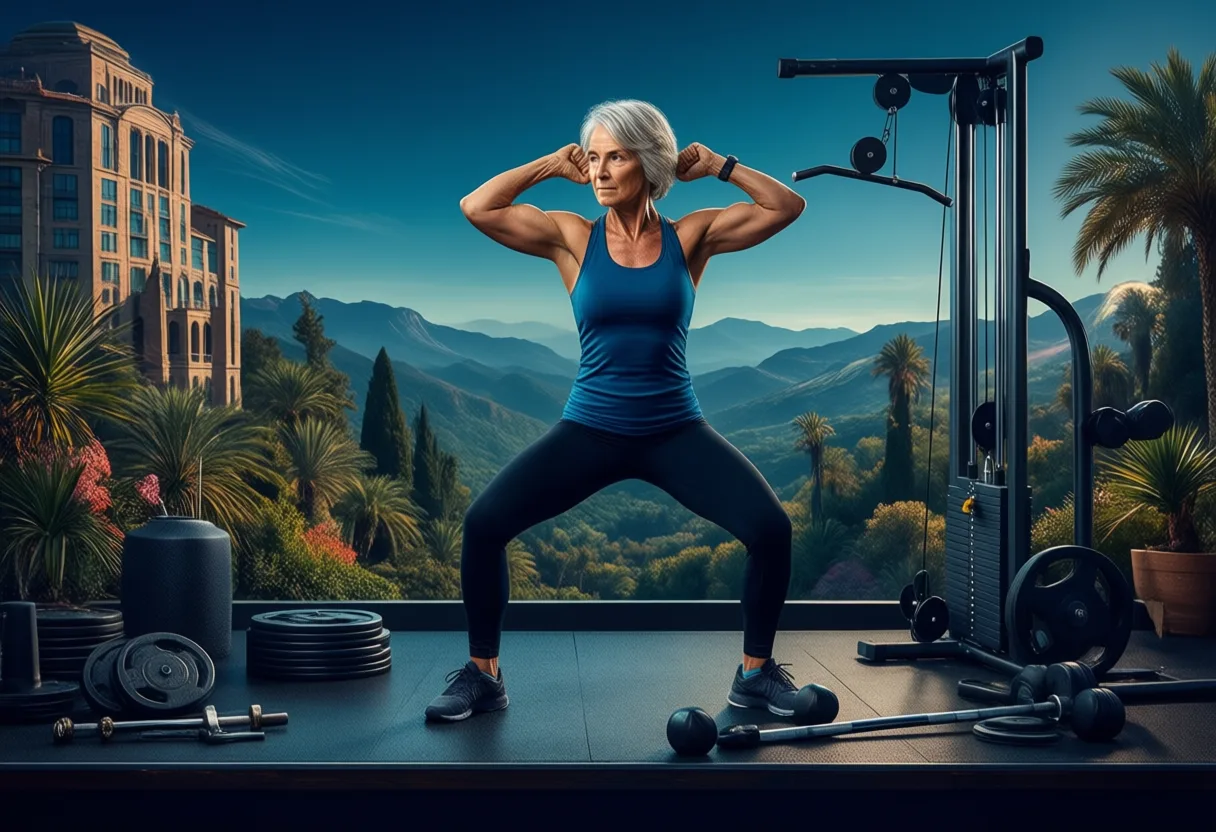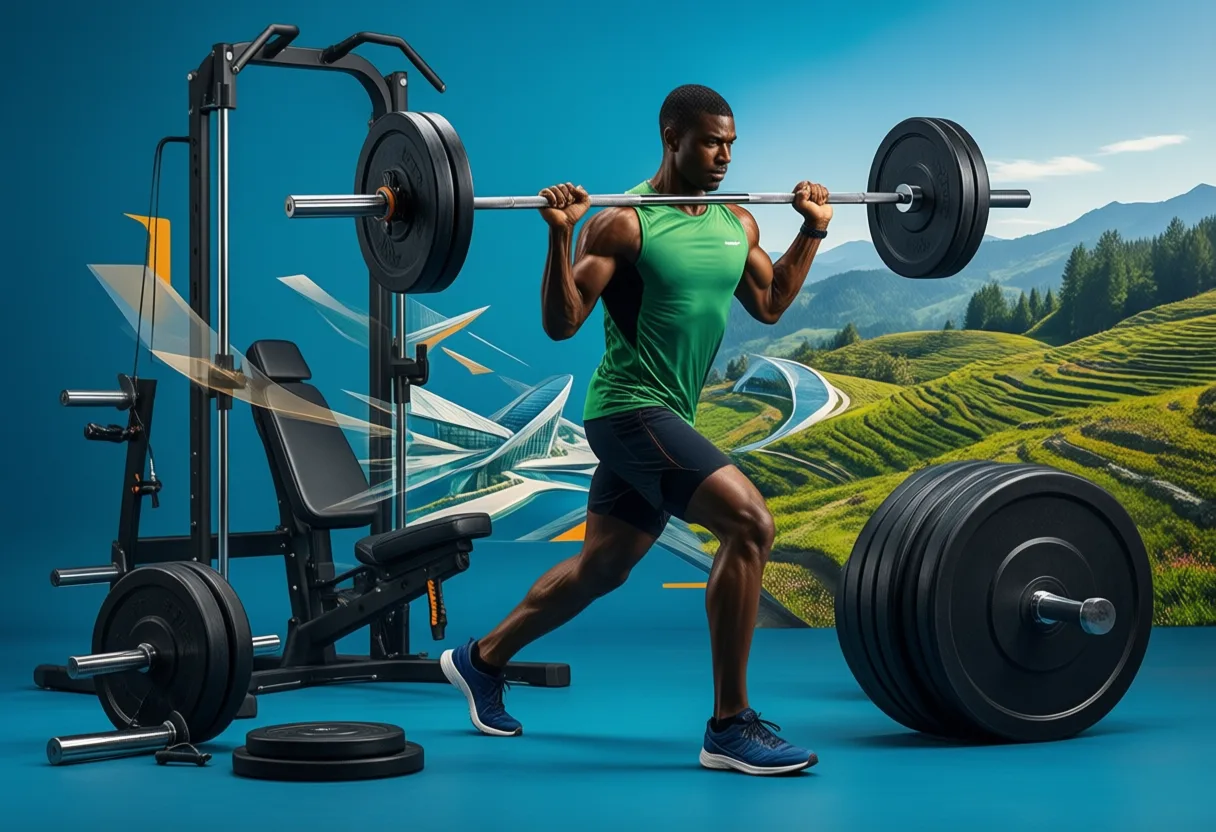
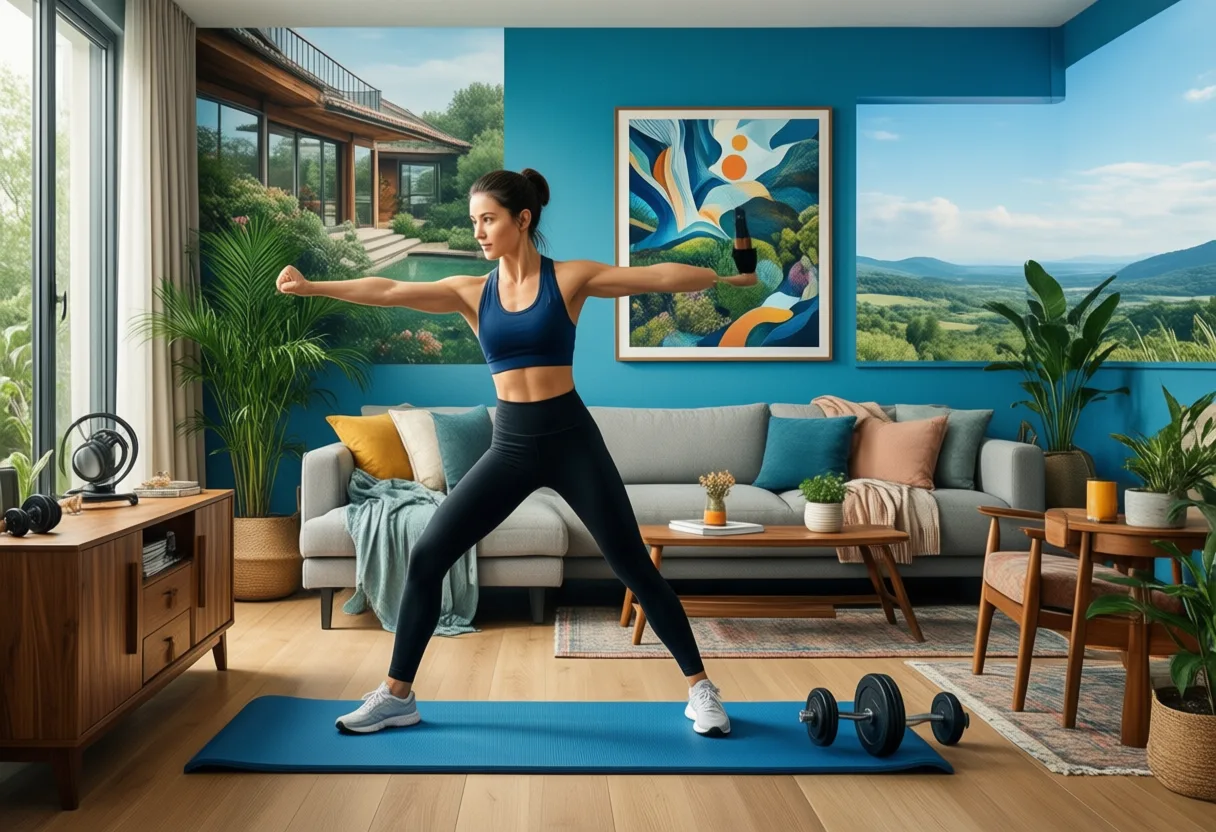
You don’t need a packed gym membership or a rack of barbells to build Real strength. What you Do Need is consistency, belief in your body’s potential, and a few smart moves that challenge every muscle fiber. This isn’t about shrinking or fading into the background-it’s about standing taller, moving stronger, and feeling unshakable in your own skin.
Why Strength Training Belongs in Every Woman’s Routine
Strength training reshapes not just your body, but your mindset. When you lift, push, or pull with purpose, you send a message to your cells: I am capable. I am growing. Over time, this physical effort builds lean muscle, which revs your metabolism and helps you burn calories even at rest. But the real magic? It transforms how you Carry yourself-through the grocery store, up the stairs, or into a boardroom.
Women naturally carry more body fat than men, but that doesn’t mean we can’t be powerful. In fact, our bodies respond beautifully to resistance work, building Strength Without excessive bulk. Hormonal rhythms may influence energy and recovery, but they never disqualify us from progress. Every rep strengthens more than muscle-it builds resilience, discipline, and a quiet confidence that no one can take from you.
Think of your body as a sculpture in progress. Each workout chips away at self-doubt and reveals the strong, capable woman underneath. And you don’t need to look like a pro athlete to benefit. Whether you’re a busy mom, a student, or a professional climbing the career ladder, strength training fits your life-not the other way around. It’s not vanity. It’s vitality.
The Home Gym Advantage: Building More Than Muscle
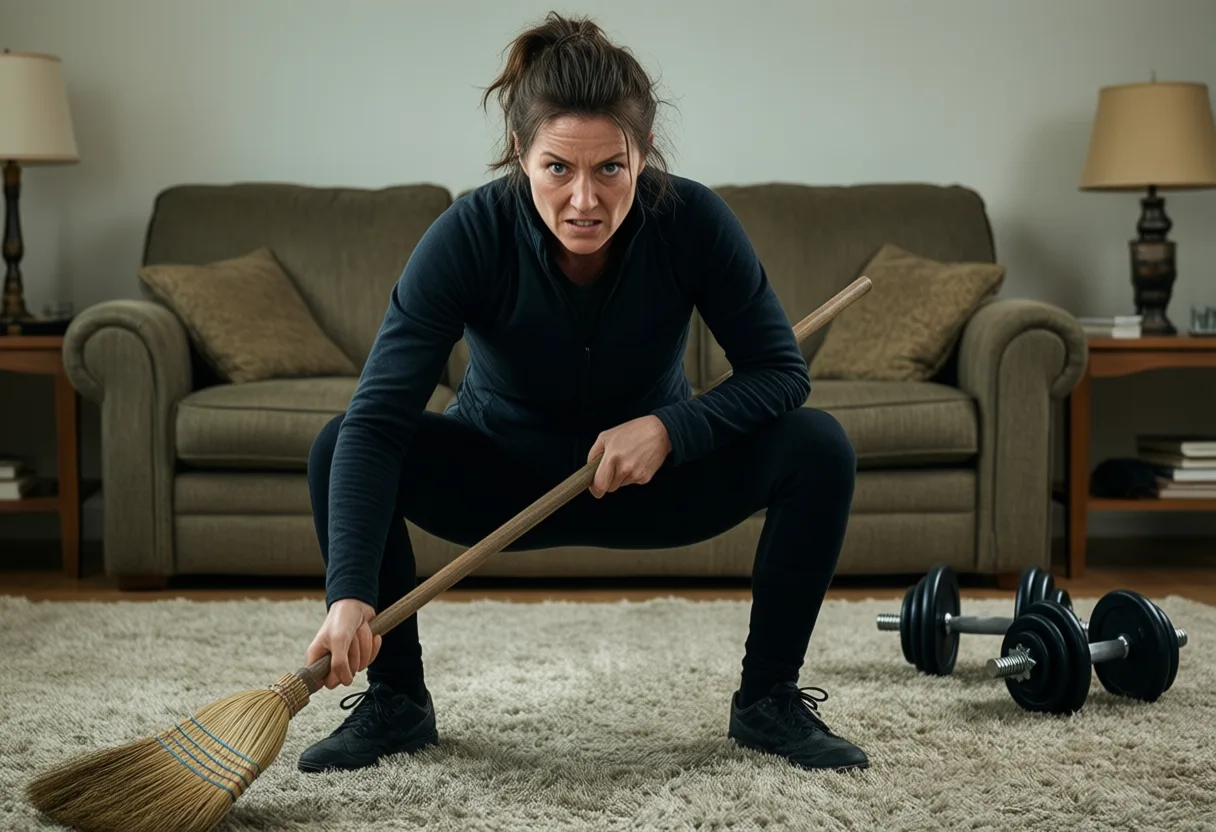
Your living room can become a temple of transformation. The beauty of working out at home is that you skip the commute, avoid the intimidation of crowded gyms, and train on your terms. No mirrors judging your form, no pressure to keep up with strangers-just you, your breath, and the burn that means change is happening.
Home strength training also teaches self-reliance. Without a trainer spotting you, you learn to listen to your body’s signals-when to push, when to rest, when to modify. This awareness builds mental toughness. You start trusting yourself, not just the program. And that trust spills over into other areas of life, from work decisions to personal boundaries.
Plus, home workouts can be more consistent. When the barrier to entry is low-no driving, no changing, no waiting for equipment-you’re more likely to show up. And showing up, day after day, is what creates results. You don’t need a full rack of weights to feel the fire in your glutes during a squat hold or the tremble in your arms during a push-up. The equipment is secondary. Your effort? That’s everything.
What You Really Need to Get Started
Starting doesn’t require perfection-just intention. The most important tools are a yoga mat for cushioning, a pair of comfortable clothes that let you move freely, and a quiet space where you won’t be interrupted. If you have dumbbells, resistance bands, or a pull-up bar, great. If not, your body is more than enough to begin.
Focus on what you Can Do, not what you lack. A sturdy chair can become your step for elevated push-ups or a bench for dips. A backpack filled with books can add resistance to lunges or squats. Even a towel on a smooth floor can turn a Simple leg Slide into a core-busting move. Creativity fuels progress when resources are limited.
Begin with a plan that includes full-body movements, rest days, and room to grow. Aim for 2–3 sessions per week, 20–30 minutes each. Track your progress not by the scale, but by how your clothes fit, how you feel, and how many reps you can do with control. Small wins build momentum. And momentum builds champions.
No Equipment? No Problem-Bodyweight Basics That Work
Your body is the most versatile piece of fitness equipment you’ll ever own. Bodyweight exercises teach control, balance, and muscular endurance-all essential for real-world strength. You don’t need weights to feel the burn in your Quads During a slow squat or your shoulders during a plank-to-push-up.
Start with foundational moves like squats, lunges, push-ups, and glute bridges. Perform each with focus on form: feet hip-width apart, chest lifted, Core tight. Move slowly and with control-especially on the lowering phase. That’s where the muscle-building happens. Even without weights, time under tension creates growth.
Try this beginner circuit:
1. Bodyweight squats – 10 reps
2. Incline push-ups (hands on a wall or counter) – 8–10 reps
3. Standing lunges – 8 per leg
4. Glute bridges – 12 reps
5. Plank – hold 20–30 seconds
Repeat 2–3 times with 60 seconds of rest between rounds. As it gets easier, increase reps or slow down the tempo. You’ll be amazed at how quickly your strength climbs.

The Core Six: Foundational Moves for Full-Body Power
These six exercises form the backbone of any effective strength routine. They engage multiple muscle groups, boost calorie burn, and build functional strength you can use every day. Master them first, then expand.
1. Squats – The king of lower-body moves. They fire up your quads, glutes, and hamstrings while engaging your core. Go deep, keep your chest up, and imagine sitting back into a chair. For more challenge, try jump squats or single-leg variations.
2. Push-ups – A full upper-body powerhouse. They work your chest, shoulders, triceps, and core. Start on your knees or against a wall if needed. Focus on keeping your body in a straight line-no sagging hips or piked butt.
3. Lunges – Unilateral strength builders that fix imbalances and improve stability. Step forward, lower until both knees are at 90 degrees, then drive back up. Add a twist for core engagement or go backward to shift emphasis.
4. Plank – The ultimate core stabilizer. It’s not just about abs-it engages your entire posterior chain. Keep your elbows under your shoulders and your glutes squeezed. If you can hold it for a minute, try side planks or leg lifts.
5. Glute Bridge – A simple move with massive payoff. Lie on your back, knees bent, and lift your hips until your body forms a straight line. Squeeze at the top. This activates the glutes like nothing else-and protects your lower back.
6. Farmer Carry – Often overlooked, but a total-body grinder. Even without weights, you can mimic the motion by holding water bottles or backpacks. Walk slowly, chest up, core tight. This builds grip, posture, and endurance-check out the Farmer Carry: Top 5 Benefits for Strength Training for more.
Scaling Smart: How to Level Up Without a Gym
Progress isn’t about adding weight-it’s about increasing challenge. Once bodyweight feels easy, tweak one variable: reps, sets, tempo, rest time, or range of motion. For example, slow down your squat descent to 4 seconds, or add a 2-second pause at the bottom.
Resistance bands are affordable and space-saving tools that add tension to any move. Loop one under your feet during squats or over your thighs in a clamshell for glute activation. Dumbbells open even more doors-try exercises like overhead presses or bent-over rows to build upper-body power.
For arm strength, especially triceps, try variations like diamond push-ups or bench dips. If you have dumbbells, explore moves like kickbacks or overhead extensions. The Tricep Workouts Dumbbells The 8 Best Exercises For Strength and Dumbbell Tricep Exercises for Building Strength and Size offer excellent progressions. And don’t forget the brachioradialis-the muscle that runs along your forearm. Strong forearms improve grip and boost performance in every lift. The Brachioradialis: 10 Insane Exercises for Rapid Strength Gain! Has killer drills to try.

From Living Room to Lifestyle: Turning Reps into Routine
The secret to lasting change isn’t motivation-it’s habit. Schedule your workouts like meetings you can’t miss. Morning sessions set the tone for the day; evening ones help you unwind. Pair it with a ritual-your favorite playlist, a post-workout smoothie, or five minutes of stretching.
Accountability helps. Share your goals with a friend, join an online community, or log your workouts in a journal. Seeing your progress on paper fuels persistence. And when you miss a day? Don’t quit. Just start again. Perfection isn’t the goal-consistency is.
Make it enjoyable. Change up your routine every few weeks. Try a new move, a different time of day, or a themed workout-like “power hour” or “sweat and stretch.” The more you connect with the process, the more it becomes part of who you are. Strength training isn’t something you Do-it’s something you Become.
Why Confidence Grows Where Weakest Links Break
There’s a moment-maybe on the fifth push-up, or the last rep of a plank-when your muscles scream to stop. That’s the moment that matters. When you push through, you prove to yourself that you’re stronger than your doubt.
Every woman who lifts, whether with weights or just her own body, is rewriting the story of what’s possible. From the Turkish Women Inspiring Strength And Resilience In Society to the Swedish Women Who Redefine Strength And Style Today, women everywhere are proving that strength isn’t loud-it’s quiet, consistent, and unbreakable.
And it’s not just physical. The woman who finishes her set is the same one who speaks up in meetings, sets boundaries, and walks with her head high. Strength training builds muscle, yes-but it also builds courage. You don’t need to be the biggest or the fastest. You just need to show up, breathe deep, and keep going.
Legends like Vinny Paz didn’t become champions because they were gifted-they became champions because they refused to quit. You don’t need a ring or a crowd. You just need your living room, your will, and the belief that you are worth the effort. Start today. Your strongest self is waiting.
| Exercise | Primary Muscles Worked | Key Benefit |
|---|---|---|
| Squats | Quads, glutes, hamstrings, core | Builds lower-body power and stability |
| Push-ups | Chest, shoulders, triceps, core | Strengthens upper body and core control |
| Lunges | Glutes, quads, hamstrings, stabilizers | Improves balance and fixes muscle imbalances |
| Plank | Core, posterior chain | Enhances full-body stability and posture |
| Glute Bridge | Glutes, hamstrings, lower back | Activates glutes and protects lower back |
| Farmer Carry | Grip, core, shoulders, posture muscles | Builds endurance, grip strength, and posture |
Building More Than Muscle
Why Your Body Loves Resistance
Strength training isn’t just about lifting heavy things-it’s a full-body tune-up that pays dividends far beyond toned arms. When you challenge your muscles at home using just your body weight or simple items like water bottles or backpacks, you’re actually sparking tiny repairs in the muscle fibers, which come back stronger. This process revs up your metabolism, meaning you burn more calories even when lounging on the couch. And it’s not just physical: completing a tough set of squats or holding a plank builds mental grit, translating into everyday confidence.
Surprising Perks You Might Not Expect
Did you know that pushing through a set of lunges can actually improve your balance and coordination over time? That’s because strength moves engage stabilizing muscles often ignored in regular cardio. Plus, consistent resistance work helps protect your joints and supports better posture-say goodbye to that nagging backache from sitting all day. Many women also report better sleep and improved mood after sticking with a routine, likely thanks to the release of endorphins and the sense of accomplishment after a solid workout. It’s a win-win: stronger muscles, sharper mind, and a brighter outlook-all from your living room. Explore more stories, videos, and creators on Loaded.
Frequently Asked Questions
What are the benefits of strength training for women?
Strength training builds lean muscle, boosts metabolism, and burns calories at rest. It also improves confidence, mental resilience, balance, posture, and sleep while enhancing overall mood.
Can I do effective strength training at home without equipment?
Yes, bodyweight exercises like squats, lunges, push-ups, and planks are highly effective. Common household items like backpacks or water bottles can add resistance when needed.
How often should women do strength training at home?
Aim for 2–3 sessions per week, lasting 20–30 minutes each. Consistency and proper rest days are key to building strength and seeing results.
What are the foundational strength exercises for women at home?
The core six moves are squats, push-ups, lunges, planks, glute bridges, and farmer carries. These target multiple muscle groups and build functional, full-body strength.
This article was produced with AI assistance. How Chiseled Magazine uses AI.
Cassia explores the science and culture of fueling the body, from macronutrient timing to sustainable eating habits. She blends biochemical insight with real-world practicality, helping readers make smarter food choices without sacrificing enjoyment or balance.