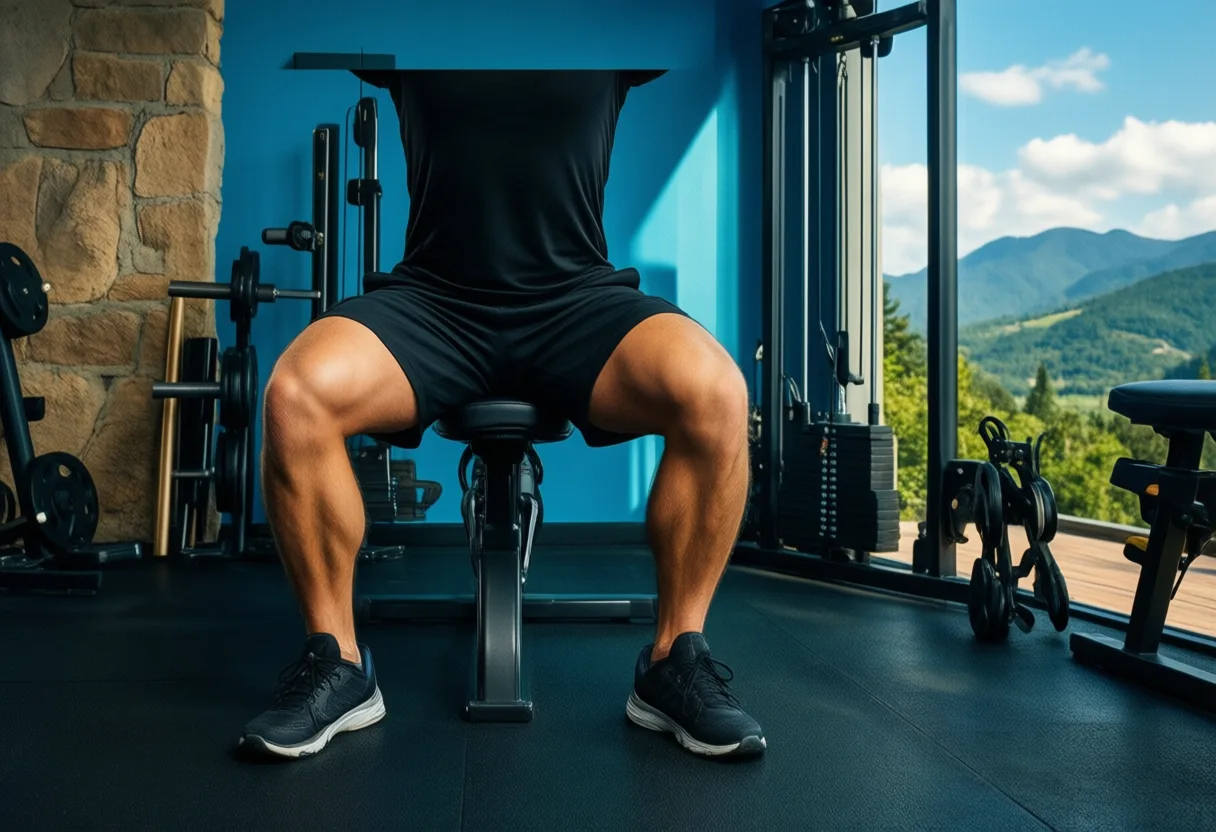
Why Stronger Quads Equal a More Powerful Lower Body
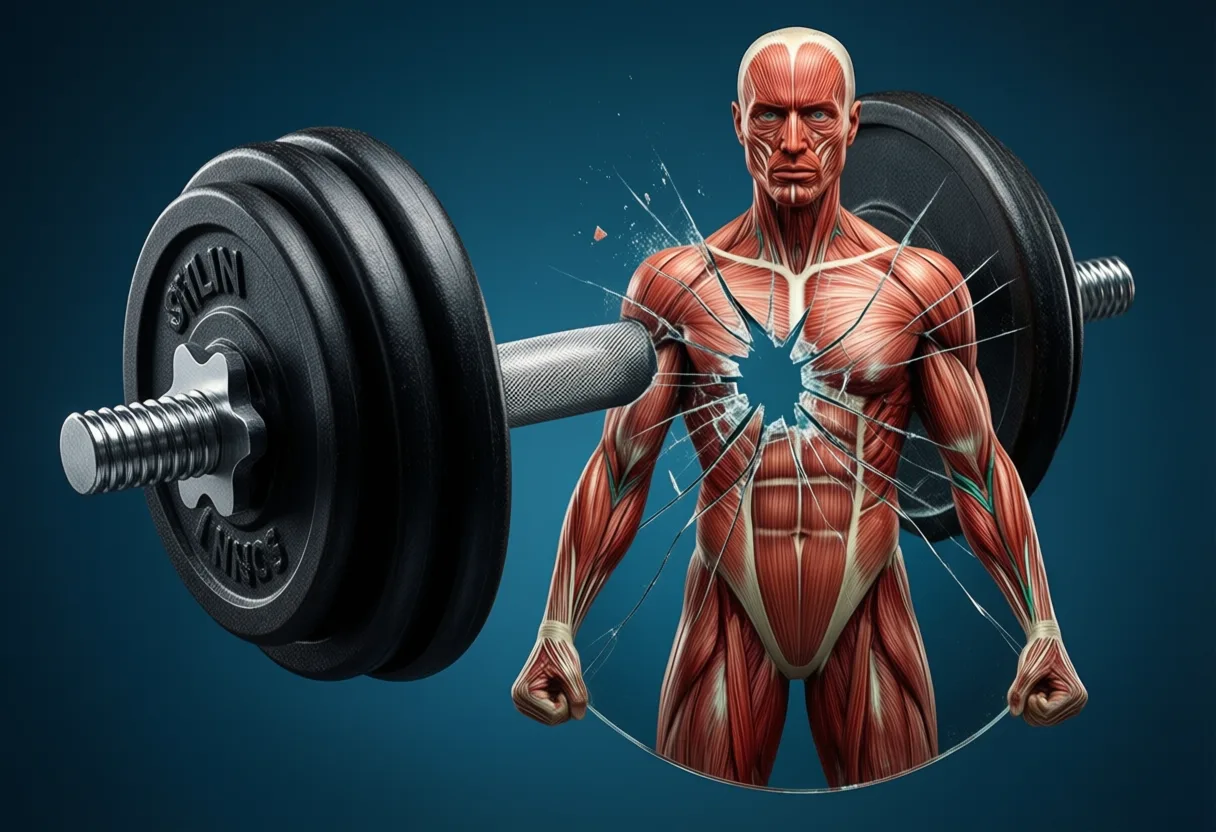
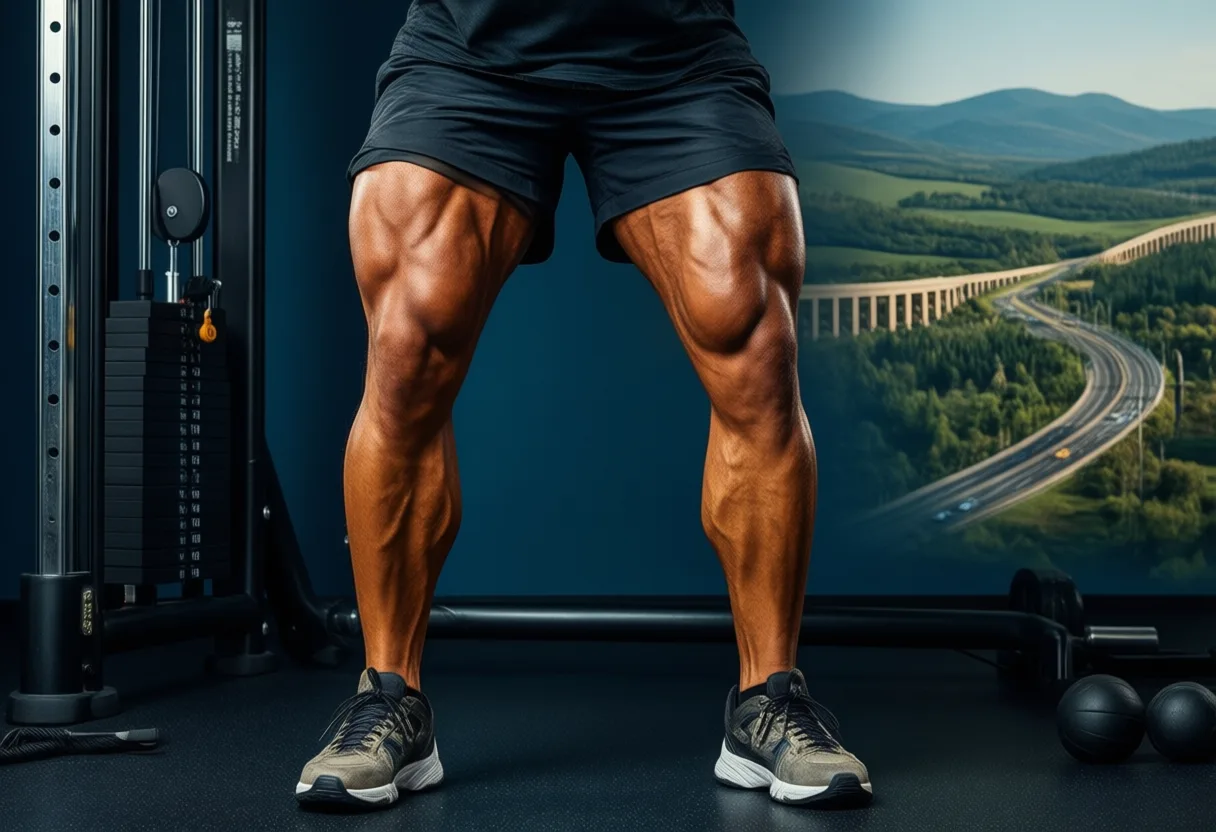
Your Quads Are the engine of your lower body. These muscles drive every explosive movement-from sprinting to jumping to rising from a squat. When you build strength in the quadriceps, you're not just adding size-you're upgrading force production with every step, lift, and lunge.
Strong quads anchor your knees and hips, creating a stable base for heavy lifts and dynamic motion. They work in tandem with your glutes and hamstrings, but when underdeveloped, they become a weak link. A powerful Lower body Isn’t built on isolated strength-it’s forged through balanced, coordinated muscle development.
Think of your legs as a high-performance machine. The quads are the pistons-driving motion, absorbing impact, and transferring energy. Without robust front-thigh strength, you sacrifice power, efficiency, and joint protection. That’s why Strength training Quads Is non-negotiable for anyone serious about performance.
How Quad Development Enhances Athletic Performance
Athletes across sports rely on rapid knee extension and explosive hip drive. The quadriceps are central to both. Whether you're cutting on the field, exploding off the blocks, or changing direction mid-sprint, your quads fire first.
Greater quad strength means faster acceleration and sharper deceleration. You stop on a dime. You launch with authority. You dominate the first five yards of any sprint. This isn’t just about muscle size-it’s about neuromuscular efficiency and force output under pressure.
Training the quads with purpose translates to real-world dominance. You jump higher, land safer, and sustain performance longer. For athletes, the payoff isn’t just in the gym-it’s in the game. And for those chasing elite conditioning, mastering lower-body power starts at the front of the thigh.

The Hidden Role of Quads in Everyday Stability
Stability isn’t just for athletes. It’s essential for walking up stairs, standing from a chair, or carrying groceries. Your quads activate with every shift in balance, silently preventing falls and supporting joint alignment.
These muscles act as shock absorbers during daily movement. They control your descent when you sit, stabilize your knee when you pivot, and keep your posture upright when fatigue sets in. Weak quads force other muscles to compensate-leading to strain and imbalance.
Even simple tasks become harder when quad strength fades. You feel unsteady on uneven ground. You wobble when rising from a low couch. That’s why building Resilience Isn’t just about lifting heavy-it’s about maintaining independence. Explore how strength training for seniors builds balance and independence to see how foundational quad strength is at every age.
What Happens When Your Quads Are Underdeveloped
Underpowered quads create a cascade of movement flaws. Your knees cave inward during Squats. Your hips shift to compensate. Your stride shortens when you walk or run. These aren’t minor quirks-they’re red flags for injury and inefficiency.
Weak quads overload the hamstrings, lower back, and knee joints. This imbalance increases the risk of strains, patellar tendinitis, and ACL stress. Over time, poor quad function can lead to chronic pain and reduced mobility.
You may not feel it at first. But eventually, the body reveals the deficit. Stairs become taxing. Standing up requires momentum. You lose confidence in your movement. That’s the cost of neglecting the front of your thighs.
How to Recognize Quad Weakness in Daily Movement
Watch your form during bodyweight squats. If your knees shake, cave, or track poorly, your quads aren’t firing properly. If you lean forward excessively or struggle to descend with control, that’s a sign of underdeveloped strength.
Notice how you rise from a chair. Do you push off with your arms? Do you lurch forward to gain momentum? These are classic indicators that your quads aren’t carrying their load.
When climbing stairs, do you lead with your stronger leg? Do you feel a burning fatigue in your quads after just a few steps? These aren’t signs of fitness-they’re signs of imbalance. Addressing them early prevents long-term setbacks.
Building a Balanced Lower Body: The Quad’s Place in the Puzzle
A strong lower body isn’t just about big quads or powerful glutes-it’s about integration. Each muscle group must contribute its share. The quads extend the knee. The glutes drive hip extension. The hamstrings stabilize and decelerate.
Neglect one, and the system breaks down. Overemphasize another, and you create tension imbalances. True strength comes from proportion-equal power, equal endurance, equal control.
Train your legs as a unit, but don’t skip direct quad work. Squats and deadlifts are foundational, but they don’t fully exhaust the quads. You need isolation and high-tension movements to trigger growth and neuromuscular adaptation.
Targeted Exercises That Actually Work the Entire Quadriceps
Not all quad exercises are created equal. You need movements that engage all four heads of the quadriceps: rectus femoris, vastus lateralis, vastus medialis, and vastus intermedius.
Start with barbell back squats-deep, controlled, and heavy. Drive through your heels, keep your chest up, and descend until your hips clear parallel. This movement builds mass and strength across the entire front thigh.
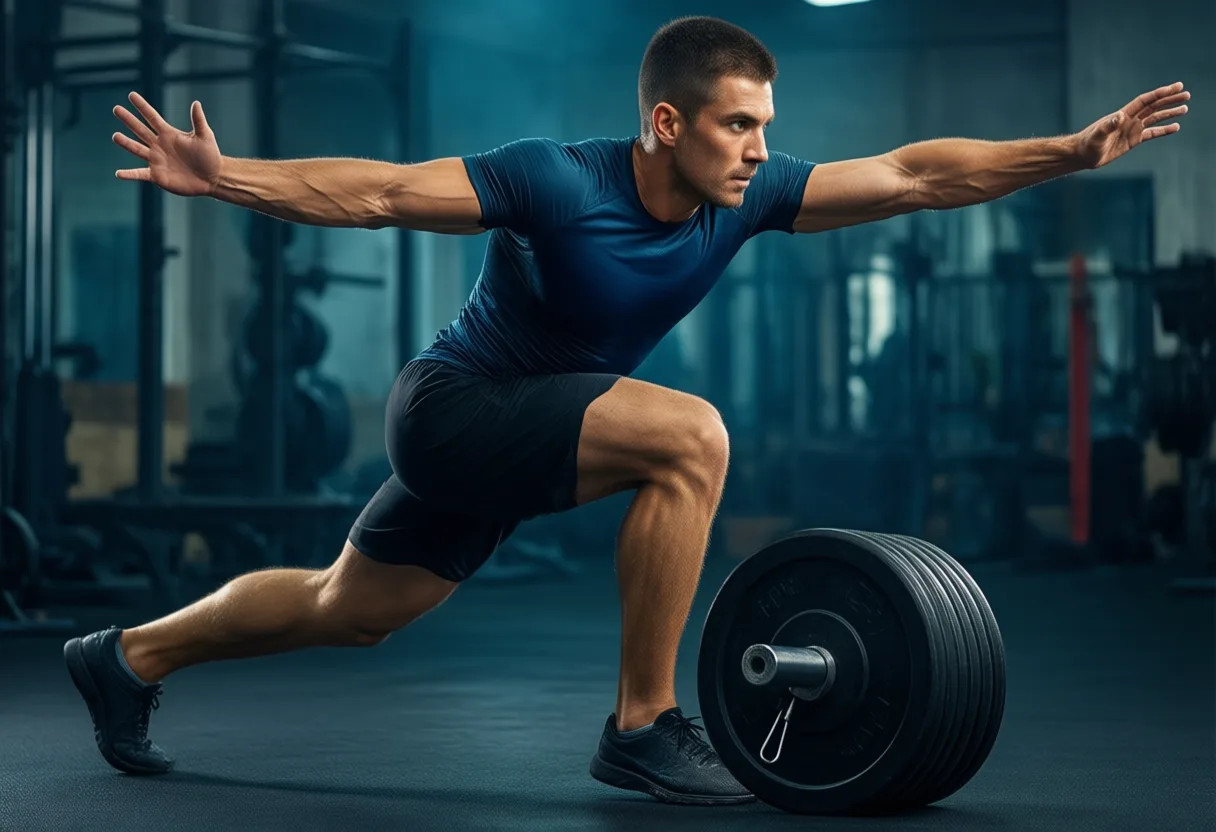
Add in front squats to shift emphasis forward. The upright torso increases quad activation and challenges core stability. Pair them with Bulgarian split squats for unilateral strength and balance correction.
Finish with leg extensions for peak contraction. Use controlled tempo-two seconds up, two seconds down. Squeeze at the top. Feel the burn. This isolation work completes the quad-building puzzle.
Why Power Starts at the Front of Your Thigh
Power isn’t just about speed or aggression-it’s about force production. And the quads are primary drivers of concentric strength in the lower body. The harder they contract, the more power you generate.
Think of a vertical jump. Your quads extend your knees with maximum velocity. That extension adds inches to your leap. The same applies to sprint starts, kettlebell swings, and Olympic lifts.
When you train quads for power, you’re not just building muscle-you’re wiring your nervous system for faster, stronger contractions. That’s the edge elite performers chase. And it starts with deliberate, progressive overload.

How Stability Translates to Real-World Strength
Stability isn’t passive. It’s active tension-muscles firing in sequence to control movement. Strong quads provide dynamic knee stabilization, especially during single-leg tasks like walking or lunging.
This stability protects your joints under load. It keeps your alignment true when fatigue hits. It allows you to carry heavy loads safely-whether it’s a barbell or a suitcase.
Try the farmer carry: top 5 benefits for strength training to feel this in action. Your quads engage to maintain posture and balance while your grip and core lock in. It’s full-body strength built on lower-body control.
Small Adjustments, Big Gains: Optimizing Your Quad Training
Tweak your foot stance in squats. A wider stance hits the vastus lateralis harder. A narrower stance emphasizes the rectus femoris. Small shifts create big differences in muscle recruitment.
Control your tempo. Lower with purpose. Pause at the bottom. Explode up. Time under tension builds strength and muscle density faster than reckless reps.
Adjust your volume. Three sets won’t cut it if you’re chasing growth. Hit four to five sets per exercise, with rep ranges from 6–12 for hypertrophy and 3–6 for strength. Progressive overload is mandatory.
And if you’re training at home with minimal gear, check out strength training at home with minimal equipment for beginners for smart, scalable quad work. Bodyweight split squats, step-ups, and isometric holds can build serious strength anywhere.
The Final Rep: Turning Strength Into Long-Term Resilience
Every rep builds more than muscle. It builds confidence. It builds durability. It builds a body that performs under pressure and recovers fast.
Strong quads don’t just look impressive-they protect your knees, support your spine, and keep you moving with purpose. This is strength with function. This is fitness with longevity.
Stay consistent. Push limits. Recover hard. And remember: the most powerful athletes aren’t just strong-they’re balanced, stable, and resilient.
For more elite-level strategies, uncover Vinny Paz’s insane 5 training secrets for unbeatable strength! And see how relentless focus on fundamentals builds unshakable power. Or dive into what Men's Fitness Magazine reveals best strength training tips to sharpen your approach. The path to a chiseled, powerful lower body starts now-front-loaded, focused, and fearless.
Why Strong Quads Are Your Powerhouse
More Than Just Leg Day
Your quads-the quadriceps femoris-are actually a squad of four muscles on the front of your thigh, not just one. Together, they team up to straighten your knee, a move essential for walking, sprinting, and jumping. When you strength train them, you're not just building muscle size; you're boosting the force your legs can produce with every step or leap. That raw power? It starts right there in the front of your thighs.
Stability Starts at the Knee
Strong quads do more than drive motion-they act like bodyguards for your knees. They help keep your kneecap tracking smoothly in its groove, reducing strain on the joint during movement. This is especially helpful when going down stairs or lowering into a squat, where your quads work hard to control the descent. Over time, consistent training can improve balance and reduce the risk of everyday wobbles or missteps.
From Daily Moves to Athletic Edge
You don’t need to be an athlete to benefit from powerful quads, but athletes sure love them. Explosive moves like sprinting, cycling uphill, or landing from a jump rely heavily on quad strength. Even in daily life, strong quads make it easier to stand up from a chair, carry groceries, or hike a steep trail. Think of them as your lower body’s engine-train them well, and everything runs smoother.
Frequently Asked Questions
Why are strong quads important for lower body power?
Strong quads drive explosive movements like sprinting, jumping, and rising from a squat. They increase force production with every step, lift, and lunge, making them essential for lower body power.
How do quads contribute to stability in everyday life?
Quads stabilize the knee during movement, control descent when sitting, and support balance when standing or walking. They act as shock absorbers and help prevent falls during daily activities.
What are signs of weak quads during daily movement?
Signs include knees caving in during squats, leaning forward when standing up, pushing off with arms from a chair, and feeling unsteady on stairs or uneven ground.
Which exercises effectively work all four heads of the quadriceps?
Barbell back squats, front squats, Bulgarian split squats, and leg extensions engage all four quad muscles. Controlled tempo and full range of motion maximize effectiveness.
This article was produced with AI assistance. How Chiseled Magazine uses AI.
Tariq breaks down elite workout regimens with precision, translating complex routines into actionable plans. He focuses on form, progression, and the mental discipline behind peak physical performance, often drawing from interviews with strength coaches and competitive athletes across multiple sports.