Your arms are only as strong as the muscle you ignore. Most men chase bicep curls, but real power lives in the back of your upper arm. Master the triceps, and you build not just Size, but raw, functional strength that lifts heavier, pushes harder, and cuts sharper.
This isn’t about vanity. It’s about dominance. The triceps make up nearly two-thirds of your upper arm mass. Neglect them, and you leave gains on the floor. With dumbbells and discipline, you can forge iron arms-no gym required.
Start now. Use what you have. Build What you want.
Why Tricep Training Matters for Arm Strength
Big arms don’t come from curls alone. The triceps are the engine behind every push, press, and pound of muscle you carry. They extend your elbow with force, driving movement in everything from bench presses to throwing a punch.
If you want thicker, harder arms, you must train the triceps like a priority-not an afterthought. Most people skip direct work, relying on compound lifts. But Isolation builds Density, shape, and peak contraction that compounds can’t match.
Dumbbell training adds range and control. Each rep demands stability, firing more muscle fibers than machines ever can. You’re not just moving weight-you’re sculpting power.
The Hidden Role of the Triceps in Upper Body Power
The triceps do more than straighten your arm. They stabilize your shoulders during pressing movements and lock out heavy lifts with authority. Weak triceps mean weak lockouts, failed reps, and stalled progress.
Think of the muscle as your upper body’s piston. In push-ups, dips, or overhead presses, the triceps deliver the final drive. Without strength here, you lose momentum at the most critical point.
Even pulling movements benefit. A strong, balanced triceps supports shoulder integrity, reducing injury risk when you row or pull. This is not isolated muscle work-it’s total-body performance fuel.
Train the triceps with purpose. They’re not just for looks. They’re for power.

What You Need to Get Started at Home
You don’t need a full home gym to build massive arms. All you need is a pair of Adjustable dumbbells And a flat surface. A sturdy chair or bench helps, but the floor works in a pinch.
Space is minimal. Ten square feet. Clear it. Own it. Make it your training zone. Consistency beats equipment every time.
Start with moderate weight. Focus on form, not ego. You’ll gain more from controlled reps than swinging heavy steel. As you progress, increase load gradually-this is how muscle grows.
For a full breakdown of movements and setup, check out Dumbbell Tricep Exercises for Building Strength and Size.
Essential Equipment and Setup for Dumbbell Workouts
You need two things: dumbbells and body control. Adjustable dumbbells save space and let you scale resistance as you grow stronger. Fixed pairs work too-just have a range available.
Use a bench for seated or lying moves. No bench? A stable chair or even the edge of a bed supports seated extensions. For floor work, a mat protects your spine during skull crushers.
Light matters. Train where you can see yourself in a mirror or window. Form feedback is non-negotiable. Bad technique kills gains.
Your environment shapes results. Keep it clean. Keep it ready. Train like a pro, even at home.
7 Effective Dumbbell Moves for Defined Triceps
These seven exercises target all three heads of the triceps-long, lateral, and medial. They build mass, definition, and endurance. Do them in sequence, with minimal rest, for maximum burn.
Each movement uses dumbbells to isolate, stretch, and contract the muscle under tension. That’s where growth happens.
Perform 3–4 sets of 8–12 reps per exercise. Focus on the squeeze at the top. Control the descent. No cheating.
1. Standing Overhead Tricep Extension
Hold one dumbbell with both hands. Lift it overhead, arms fully extended. Keep your elbows close to your head. Lower the weight behind you in a slow arc.
Stop when your forearms touch your biceps. Then drive up, locking out hard. This stretch at the bottom hits the long head like nothing else.
Use a light to moderate weight. This joint is vulnerable. Protect it with control. For more variations, see Outer Tricep Dumbbell Exercises For Defined Arms.
2. Seated Dumbbell Kickbacks
Sit on a bench, chest forward, back flat. Hold a dumbbell in one hand. Hinge at the waist. Keep your upper arm glued to your side.
Extend your forearm straight back until it’s in line with your torso. Squeeze the triceps hard at the top. Then lower with control.
This is pure isolation. No momentum. No swing. Just muscle and iron. Switch sides after each set.
3. Lying Tricep Press with One Dumbbell
Lie on your back, feet flat. Hold one dumbbell with both hands over your chest. Press it up, arms straight. This is your starting position.
Bend your elbows, lowering the weight toward your forehead. Keep elbows tight. Drive back up with triceps force.
This is a dumbbell version of the close-grip bench. It builds pressing power and arm thickness. For a full routine, try Best Dumbbell Tricep Workout For Strength And Definition.
4. Bent-Over Reverse Fly to Tricep Lift
Bend at the hips, back flat, arms hanging. Hold dumbbells with palms facing. Lift arms out to the sides in a reverse fly.
At the top, rotate your wrists so palms face down. Then lift the weights higher, extending your arms back-this is the tricep contraction.
This combo hits rear delts and triceps in one fluid motion. It’s efficient. It’s brutal. It works.
5. Close-Grip Dumbbell Press
Lie on your back, dumbbells at chest level. Press them up, but keep hands close-thumbs nearly touching. This shifts load from chest to triceps.
Lower with control. Stop when elbows are just below shoulder height. Drive up through the triceps.
This movement builds raw pressing strength. It’s a staple for a reason. For more top picks, explore Tricep Workouts Dumbbells The 8 Best Exercises For Strength.
6. Alternating Side-Lying Tricep Raise
Lie on your side, head resting on arm. Hold a dumbbell in your top hand. Start with elbow bent, weight at shoulder.
Extend your arm straight up. Lock out at the top. Lower slowly. Complete all reps, then switch sides.
This rare move isolates the lateral head. It’s subtle but effective for arm sweep and definition.
7. Floor-Based Dumbbell Skull Crushers
Lie on your back, arms extended over chest. Hold one dumbbell with both hands. Lower the weight toward your forehead.
Stop before elbows touch the floor. Press back up with triceps force. The floor limits range-but protects joints.
This is safer than bench skull crushers for home training. Still brutal. Still effective.
Common Form Mistakes That Limit Results
Most people fail triceps training because of small errors. Flaring elbows, using momentum, or cutting range of motion-all kill muscle activation.
Elbows must stay tight. If they splay out, you shift work to shoulders. Keep them pointed forward, locked in place.
Don’t swing. No jerking. No bouncing. Each rep must be strict. Momentum cheats growth.
And never skip the full stretch and contraction. Bottom out with control. Lock out with power. That’s where gains live.
How Small Errors Reduce Muscle Activation
A loose elbow cuts triceps engagement by up to half. The body recruits shoulders and chest to compensate. You think you’re working arms-you’re not.
Using too much weight leads to partial reps. You never fully stretch or contract. That’s wasted time.
And rushing reps? That kills time under tension. Muscle grows when stressed, not when rushed.
Fix your form. Own every inch of the movement. Then add weight.
Maximizing Gains Without a Gym
You don’t need machines to grow. You need progression. Add weight, reps, or sets over time. That’s Progressive overload-the law of muscle growth.
Start light. Master form. Then increase resistance by 2.5 to 5 pounds when 12 reps feel easy. Track your progress. Stay consistent.
Train triceps twice per week. Let them recover. Then hit them again-harder.
Smart Strategies for Progressive Overload at Home
Use micro-loading if possible. Some dumbbells let you add 1.25-pound plates. Small jumps mean steady climbs.
Or use tempo. Slow the lowering phase. Add a two-second pause at the bottom. This increases time under tension without heavier weight.
Another method: reduce rest. Cut rest from 60 to 45 seconds. Density drives fatigue-and growth.
For a complete guide, read Dumbbell Tricep Exercises For Stronger Arms At Home.
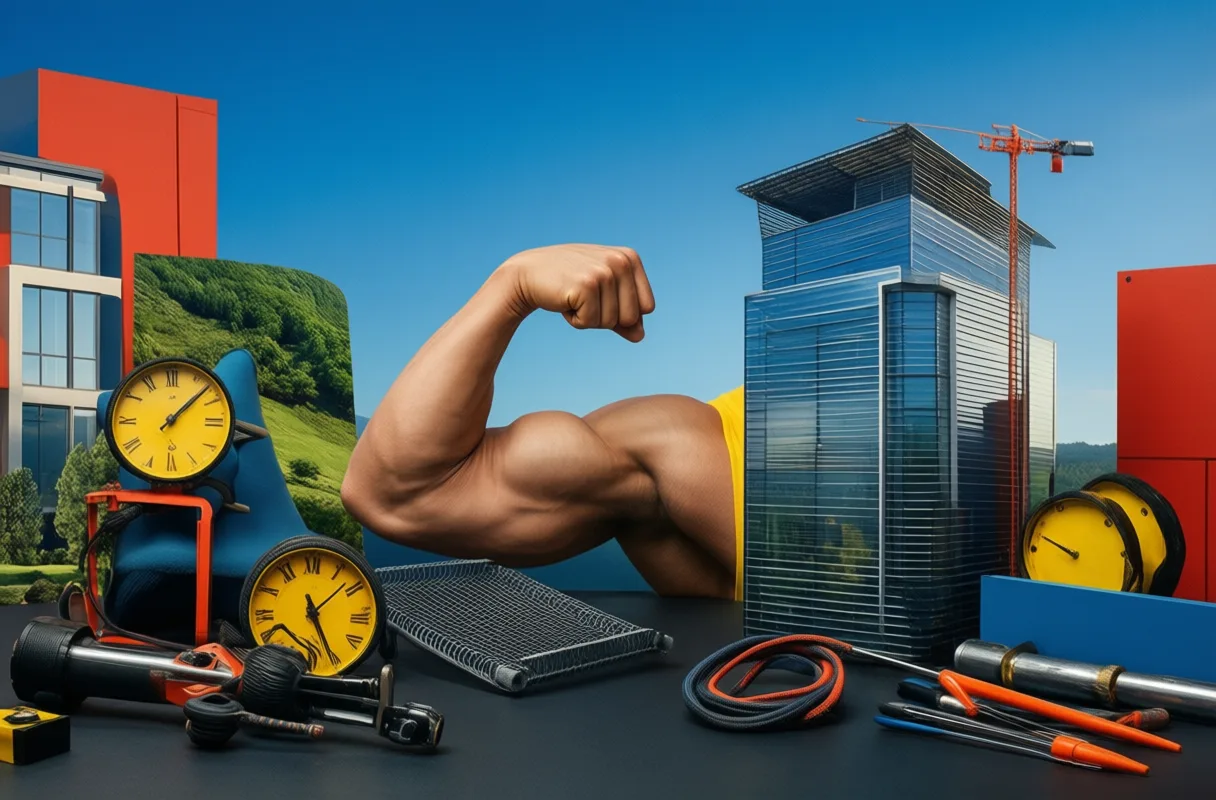
Beyond Biceps: Creating Balanced Arm Development
Big arms need balance. Train biceps and triceps equally. Skip one, and you create imbalances that lead to injury.
Do biceps curls after triceps work. Not before. Let the bigger muscle group lead.
And train forearms. Wrist curls and extensions complete the package. Thick wrists, vascular arms, iron grip.
Integrating Tricep Work into Full Upper Body Routines
Triceps don’t live in isolation. Pair them with chest or shoulders. Do push-ups, then dumbbell extensions. Stack movements for maximum fatigue.
Or do a dedicated arm day. Hit triceps first, while fresh. Then biceps. Then forearms. Crush every fiber.
Frequency matters. Two direct triceps sessions per week is ideal. Recovery is part of the plan.
Your Next Step Toward Stronger, More Functional Arms
You now have the tools. Seven proven moves. Form cues. Progression tactics. All you need is action.
Stop waiting. Start training. Do it today. Do it tomorrow. Do it until your arms reflect your effort.
Strength isn’t given. It’s taken. With every rep, you claim more. Build more. Become more.
Now go lift.
| Exercise | Primary Benefit |
|---|---|
| Standing Overhead Tricep Extension | Stretches the long head of the triceps |
| Seated Dumbbell Kickbacks | Pure isolation with no momentum |
| Lying Tricep Press with One Dumbbell | Builds pressing power and arm thickness |
| Bent-Over Reverse Fly to Tricep Lift | Combines rear delt and triceps work |
| Close-Grip Dumbbell Press | Shifts load to triceps for raw pressing strength |
| Alternating Side-Lying Tricep Raise | Targets the lateral head for arm sweep |
| Floor-Based Dumbbell Skull Crushers | Safer joint-friendly version for home training |
Sculpting Strength with Simple Tools
Why the Triceps Steal the Show
Most people think big arms come from bicep curls-and sure, those help. But here’s a fun twist: your triceps make up about two-thirds of your upper arm mass. That means if you’re only flexing with curls, you’re skipping the biggest piece of the puzzle. Dumbbells are perfect for targeting that rear muscle group because they allow a full range of motion and let each arm work independently, balancing strength and form.
The One-Arm Kickback Quirk
The one-arm triceps kickback might look simple-bend over, elbow tucked, extend the dumbbell back-but it’s got a sneaky reputation. Some swear by it for isolating the triceps, while others argue it’s easy to cheat with momentum. Either way, when done right (and slowly), it forces the triceps to do all the work. Bonus fact: even though it's a basic move, it was a staple in classic bodybuilding routines from the 1970s, favored by athletes who built mass without machines.
Floor Press: A Forgotten Gem
No bench? No problem. The floor press-lying on the ground and pressing dumbbells upward-stops the movement just before your elbows hit the floor. This shortens the range compared to a bench press, but it actually increases tension on the triceps at a critical point. It’s like a hybrid between a chest and triceps move, making it a smart pick for home workouts where space and gear are tight. And hey, using the floor as a natural stopper is about as low-tech and effective as it gets. Explore more stories, videos, and creators on Loaded.
Frequently Asked Questions
Why are tricep exercises important for arm strength?
The triceps make up nearly two-thirds of upper arm mass and drive every push and press movement. Training them builds functional strength, size, and improves performance in compound lifts.
What equipment do I need for dumbbell tricep workouts at home?
You need a pair of adjustable or fixed dumbbells and a flat surface. A sturdy chair, bench, or floor works for support, and a mat can protect your spine during floor exercises.
How can I avoid common form mistakes in tricep exercises?
Keep elbows tight and pointed forward, avoid swinging or using momentum, and perform full range-of-motion reps with control on both the stretch and contraction phases.
How often should I train triceps for best results?
Train triceps twice per week with dedicated sessions, allowing time for recovery. Prioritize form, progressive overload, and consistency for maximum gains.
This article was produced with AI assistance. How Chiseled Magazine uses AI.
Tariq breaks down elite workout regimens with precision, translating complex routines into actionable plans. He focuses on form, progression, and the mental discipline behind peak physical performance, often drawing from interviews with strength coaches and competitive athletes across multiple sports.