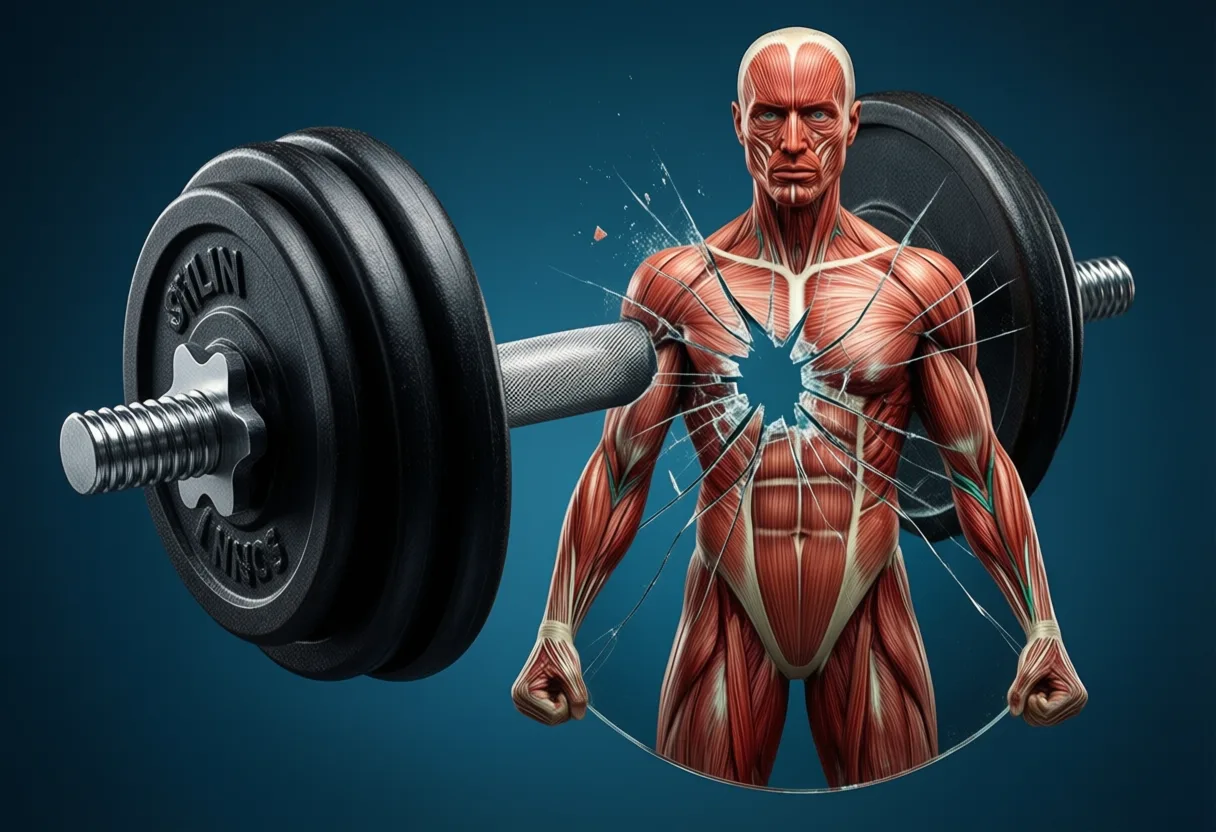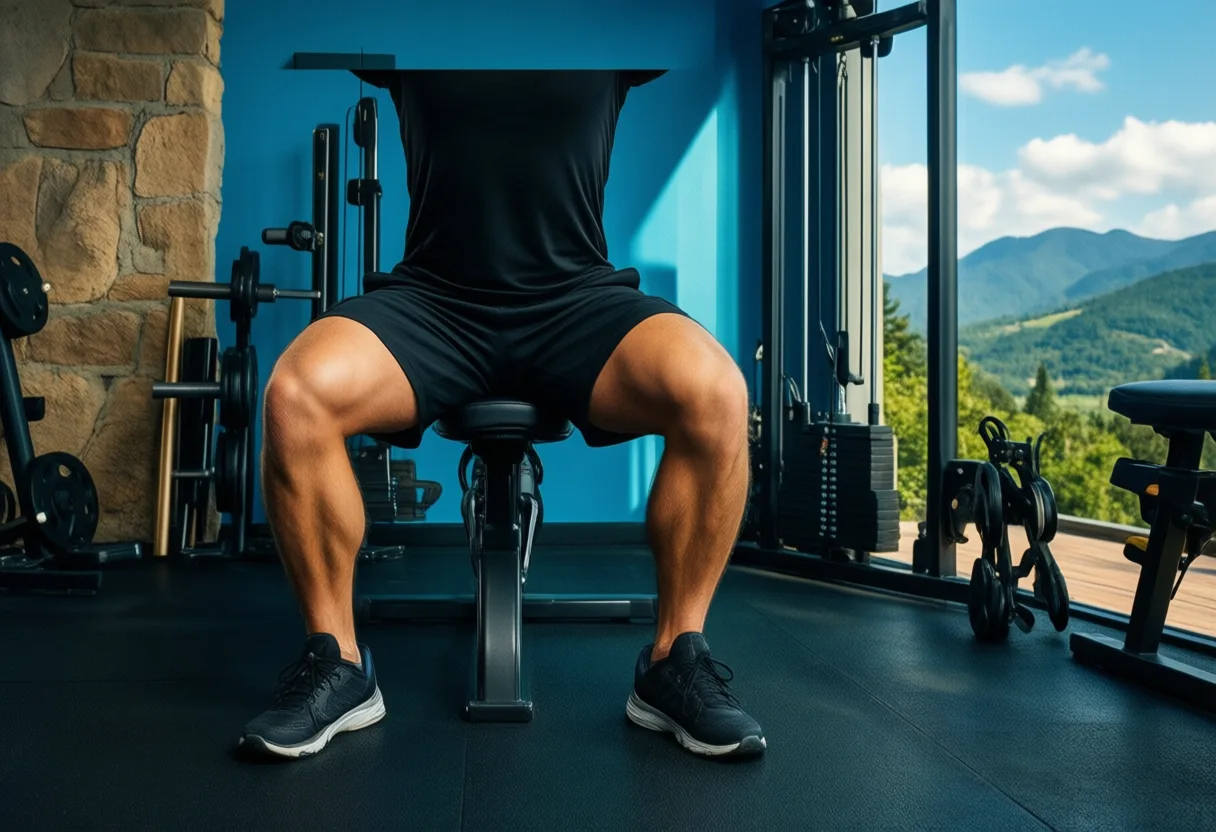
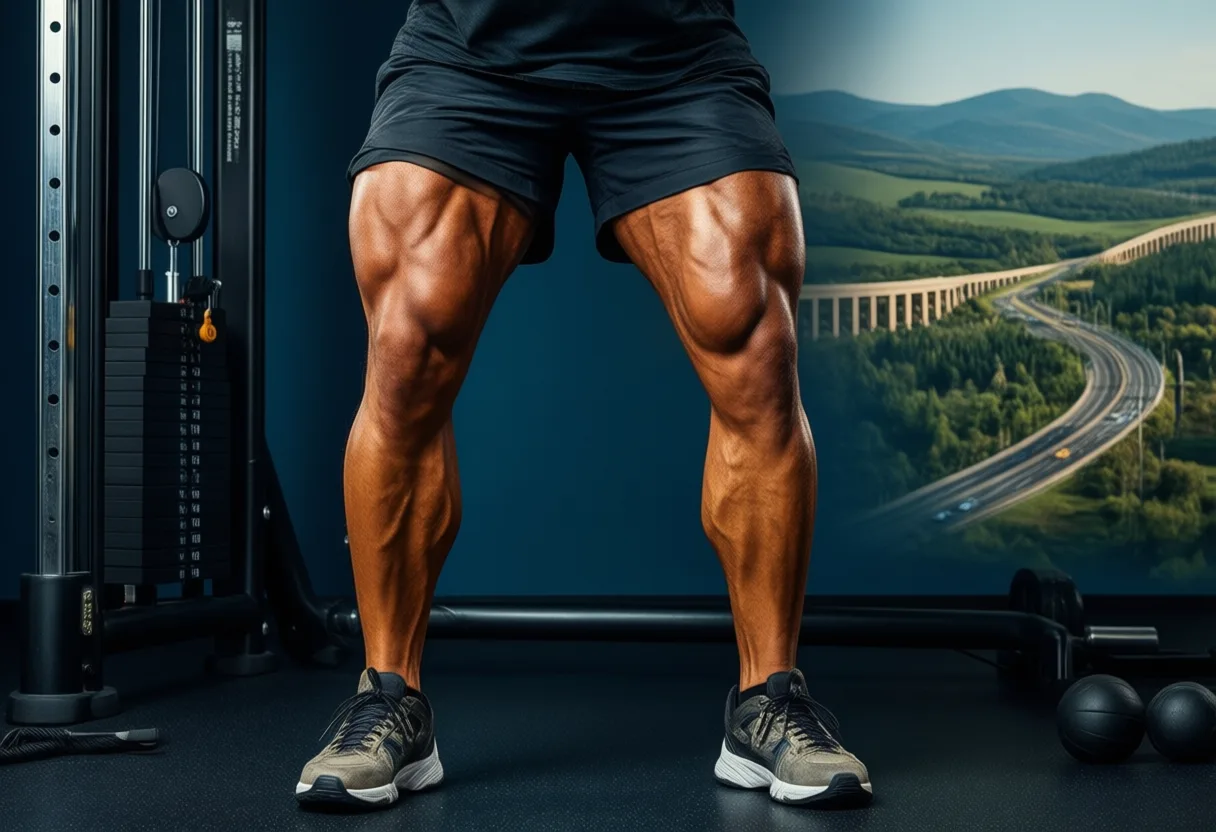
Your Legs Are the foundation of strength, power, and athletic performance-neglect them, and you’re only building half the body you’re capable of. The quadriceps, a dominant muscle group on the front of your thigh, are central to nearly every movement that drives you forward: walking, sprinting, jumping, and lifting. Train them with purpose, and you don’t just build size-you build authority in motion.
Why Targeting the Quadriceps Matters
The quadriceps consist of four major muscles that extend the knee and stabilize the lower limb. When developed through consistent Strength training, they contribute not only to leg aesthetics but to overall functional capacity. A strong lower body supports joint health, enhances balance, and improves performance across sports and daily activities.
Many people underestimate leg work, chasing upper-body gains while skipping Squats. But real strength-real transformation-starts from the ground up. If your goal is a powerful, balanced physique, the quadriceps can’t be an afterthought. They respond to progressive overload just like any other muscle, meaning consistent effort leads to measurable results.
For women aiming to build lean, defined muscle, strength training exercises that engage the lower body deliver both sculpted legs and a metabolic boost. Check out our guide on Strength Training Exercises For Women To Build Lean Muscle for targeted routines that emphasize form and Long-term progress.
Best Exercises for Quadriceps Development
The squat remains the gold standard for building quadriceps strength. Whether performed with a barbell, dumbbells, or just Body weight, it recruits all four quadriceps muscles while engaging the glutes and core. Depth, tempo, and load matter-focus on controlled descent and explosive drive upward.
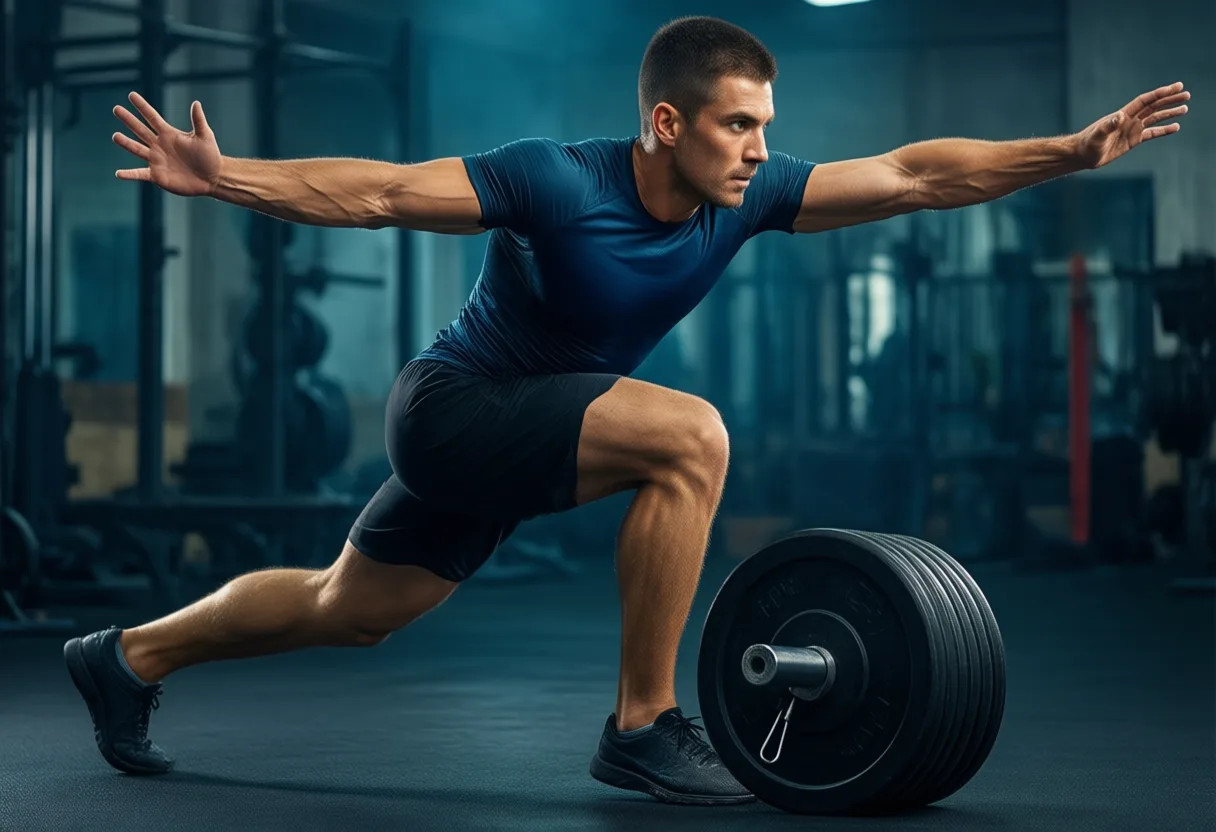
Lunges, step-ups, and leg presses are also highly effective. These movements allow for unilateral training, correcting imbalances and reducing injury risk over time. Varying foot placement and range of motion can shift emphasis across the quadriceps group, ensuring comprehensive development.
For those over 50, maintaining muscle mass is critical-and entirely achievable. Strength training exercises tailored to support joint integrity while building power can transform mobility and energy levels. Explore Strength Training Exercises For Women Over 50 To Build Muscle And Boost Energy for age-appropriate strategies that keep you strong and active.
Integrating Functional Strength
Strength isn’t just about how much you can lift-it’s about how well you move. The quadriceps play a vital role in functional movements like climbing stairs, rising from a chair, or carrying heavy loads. That’s where exercises like the farmer carry come in.
The farmer carry builds grip strength, core stability, and leg endurance-all while reinforcing proper posture under load. It’s a simple movement with compound benefits, often overlooked in favor of flashier lifts. Yet few exercises teach body awareness and muscular coordination like walking under resistance.
To understand how functional movements enhance Muscle activation, read Farmer Carry: Top 5 Benefits for Strength Training. It’s a reminder that strength training isn’t just isolation-it’s integration.
How Strength Training Transforms the Body
Building muscle isn’t just about appearance-it reshapes your metabolism. Muscle tissue burns more calories at rest than fat, meaning every pound of lean mass you gain works for you around the clock. This is especially relevant for those focused on fat loss and long-term body composition.
Strength Training Quadriceps Muscle contributes directly to this shift. Larger, stronger legs increase total muscle mass, which elevates resting energy expenditure. Combine this with smart nutrition, and you’re not just sculpting muscle-you’re sculpting a leaner, more resilient body.
For a deeper look at how resistance training supports fat loss and muscle gain, see Strength Training For Weight Loss Builds Muscle And Burns Fat. It breaks down the science without the fluff.
Understanding Muscle Activation and Form
Not all reps are created equal. Two people can perform the same exercise with vastly different results-because technique determines muscle recruitment. Poor form shifts load away from the target muscles, reducing effectiveness and increasing injury risk.
Understanding how the body moves under load is key. For a visual breakdown of how major lifts engage the quadriceps and surrounding musculature, refer to Strength Training Anatomy Reveals Muscle Activation Patterns. It’s a valuable tool for refining your approach and maximizing every set.
Focus on control, not speed. Lower the weight with intention, pause at the bottom, and drive up with power. Over time, this deliberate approach builds not just strength, but neuromuscular efficiency-the body’s ability to recruit muscle fibers quickly and effectively.
Final Thoughts: Build Legs That Last
Strong legs don’t happen by accident. They’re the result of consistent effort, smart programming, and respect for the process. Skip leg day, and you’re not just missing gains-you’re missing the foundation of a truly chiseled physique.
The quadriceps are more than a muscle group-they’re a measure of your commitment. Train them with purpose, and you’ll see changes not just in the mirror, but in how you move, feel, and perform. That’s the kind of strength that lasts.
Building Beyond the Burn: Little-Known Facts About Training Your Quads
More Than Just Thigh Meat
The quadriceps aren’t a single muscle but a powerful group of four working in concert: rectus femoris, vastus lateralis, vastus medialis, and vastus intermedius. While many think leg presses or squats only build size, the rectus femoris is unique-it crosses both the hip and knee joints, meaning it actually helps flex the hip too, not just extend the knee. That’s why exercises like lunges, which involve both hip and knee movement, give this particular quad muscle extra attention. Skipping movements that use the full range? You might be leaving strength gains on the table.
Size Isn’t Everything-But These Muscles Are Big
The quads are among the largest and strongest muscle groups in the body, which makes sense-they’re responsible for explosive actions like sprinting, jumping, and changing direction quickly. Because of their size and high proportion of fast-twitch fibers, they respond well to heavy loads and lower reps, but also grow with higher-volume work. Fun twist: the “teardrop” shape just above your knee, often called the vastus medialis obliquus (VMO), becomes more defined not necessarily from special exercises, but from overall quad development and reduced body fat-so skip the endless leg extensions chasing the teardrop and focus on compound lifts.
Everyday Power, Not Just Gym Gains
Strong quads do way more than help you leg press a stack of plates. They’re essential for stabilizing the knee during daily movements like climbing stairs, standing up from a chair, or even walking on uneven ground. Weakness in this muscle group is often linked to knee pain, especially around the kneecap, because the quads help keep the patella tracking smoothly. Training them consistently doesn’t just build powerful legs-it supports long-term joint health and keeps you moving freely, whether you’re hitting a PR or just chasing a bus. Explore more stories, videos, and creators on Loaded.
Frequently Asked Questions
Why are the quadriceps important for strength and movement?
The quadriceps extend the knee and stabilize the lower limb, playing a key role in walking, sprinting, jumping, and lifting. They contribute to functional capacity, joint health, and overall athletic performance.
What are the best exercises for developing the quadriceps?
Squats, lunges, step-ups, and leg presses are highly effective for quadriceps development. These exercises recruit all four quadriceps muscles and allow for unilateral training to correct imbalances.
How does strength training the quadriceps affect metabolism?
Muscle tissue burns more calories at rest than fat, so building quadriceps increases resting energy expenditure. This supports fat loss and improves long-term body composition.
What role do the quadriceps play in everyday activities?
Strong quadriceps help with climbing stairs, rising from a chair, and walking on uneven surfaces. They stabilize the knee and support long-term joint health, reducing the risk of knee pain.
This article was produced with AI assistance. How Chiseled Magazine uses AI.
Jin-ho examines how fitness integrates into daily life and evaluates performance gear with a critical eye. He investigates recovery tools, wearable tech, and routines that bridge gym gains with real-world resilience, always prioritizing function over hype.